
Nutrition comparison
Green Peas vs Carrots: Which Vegetable Is Better for You?
Compare green peas and carrots on protein, fiber, vitamins, and weight loss suitability. Find out which one fits your health goals better.
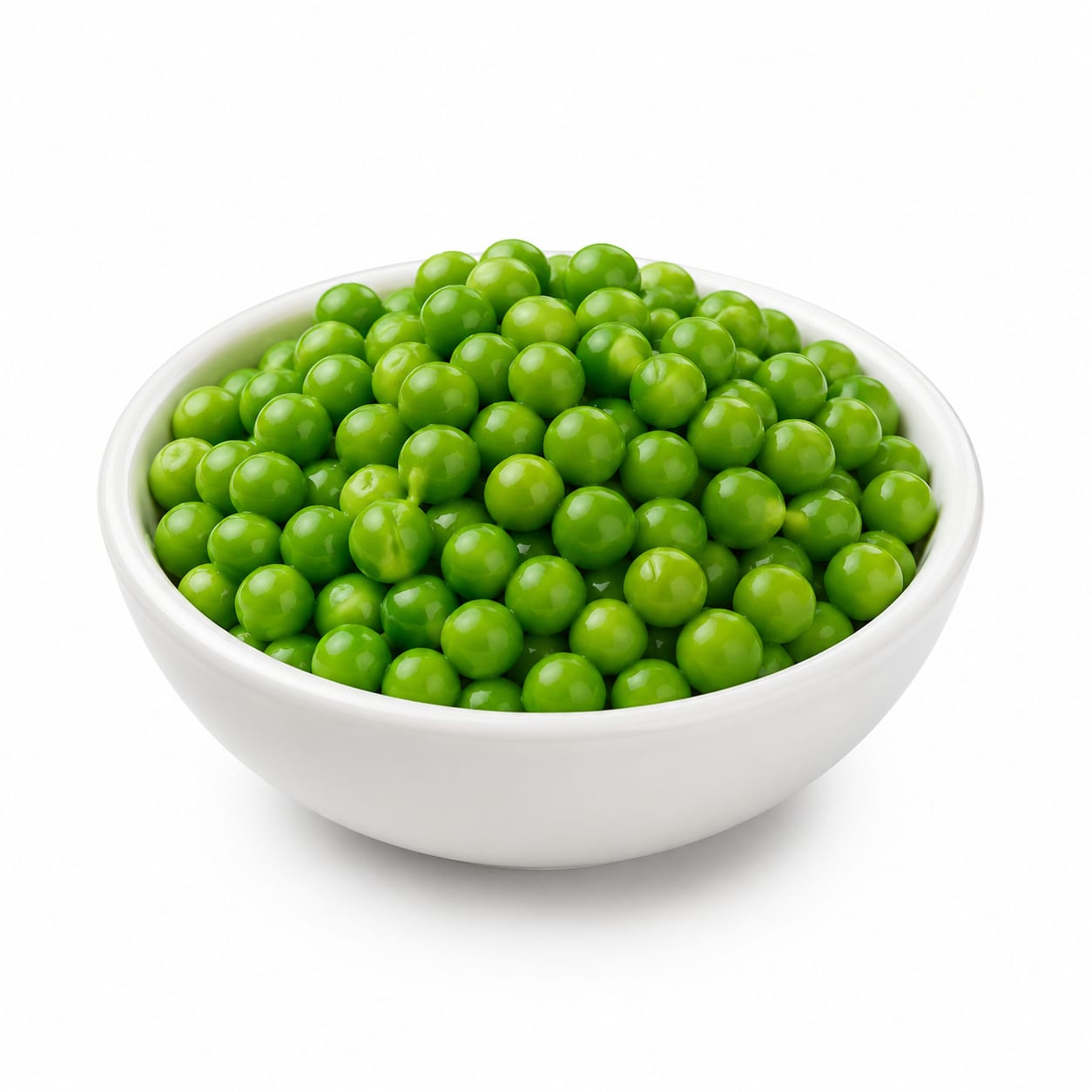
Green Pea
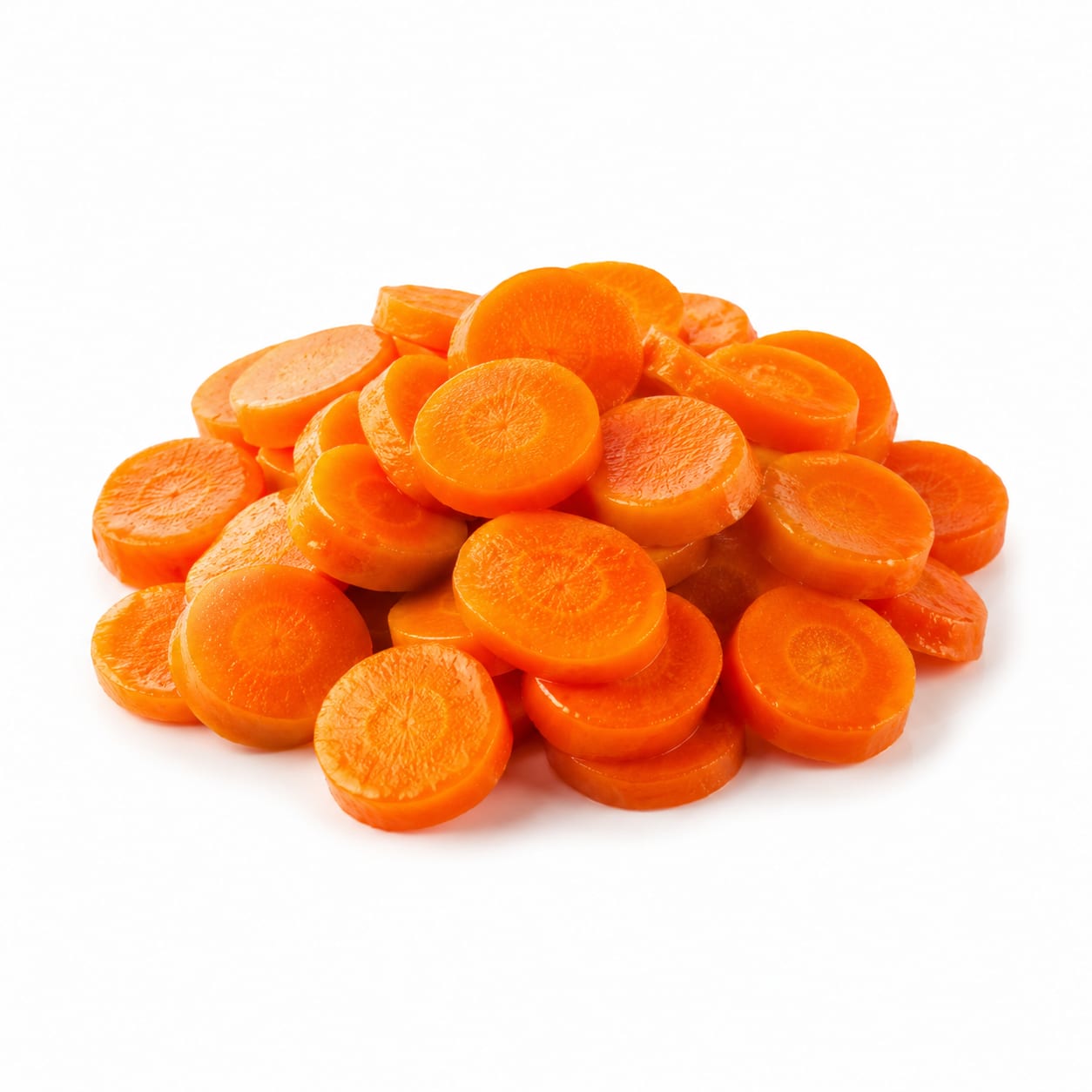
Carrots
Green peas win on protein and fullness; carrots win on vitamin A and low-calorie snacking. Both are excellent but serve different daily roles.
Green peas score slightly higher due to superior protein and satiety, but carrots stay competitive with their exceptional vitamin A content and lower calorie density. The small gap reflects that both are genuinely healthy choices with different strengths.
More satisfying nutrition vs lighter, easier snacking — green peas fill you up more, carrots let you eat more volume for fewer calories.
At a glance
Executive summary
Overall
It depends
Healthier
It depends
More practical
Carrots
Daily use
Green Pea
Key comparison lenses
protein and satiety comparison
Green peas are notably higher in protein than most vegetables, making them uniquely filling compared to carrots
vitamin A and eye health
Carrots are one of the richest vegetable sources of beta-carotene, a clear differentiator
weight loss snack suitability
Both are popular low-calorie options but serve very different snacking roles
blood sugar impact
Green peas have more carbs and protein which creates a different glycemic response than carrots
digestive tolerance
Green peas can cause bloating in sensitive people while carrots are generally gentler
Best choice for
Green Pea
- People wanting more plant protein from vegetables
- Anyone needing longer-lasting fullness between meals
- Those recovering from illness who need nutrient density
- Vegetarians and vegans seeking protein variety
Carrots
- People tracking calories closely
- Anyone wanting a crunchy raw snack
- Those focused on eye health and vitamin A intake
- People with sensitive digestion who avoid gas-producing foods
Least suitable for
Green Pea
- People with severe IBS or FODMAP sensitivities
- Anyone prone to bloating from legumes
- Those wanting a light raw snack to munch on mindlessly
Carrots
- People needing significant protein from their vegetables
- Anyone already getting excessive vitamin A from supplements
- Those wanting a food that keeps them full for hours
Deep comparison
Dimension by dimension
Each lens scores both foods and breaks down who each option suits.
- Dimension 1 · Priority 92Green Pea
protein and satiety
Green Pea · 85Carrots · 40Green peas deliver roughly 4 times more protein per serving than carrots, making them far more satisfying.
Tradeoff
That protein comes with more calories per serving, so carrots remain the better volume-eating option.
Why it matters
Protein from vegetables helps stabilize blood sugar and reduces between-meal hunger without needing animal sources.
Real-world impact
A cup of green peas with lunch can keep you full until dinner. A cup of carrots will leave you hungry again within an hour.
Green Pea
- Sustained energy between meals
- Post-workout plant protein boost
- Reduced snacking urge in the afternoon
Better for
- Low-calorie diet phases where every calorie counts
Worse for
Carrots
- Mindless snacking without calorie guilt
- Light evening munching before bed
Better for
- Meals where you need the vegetables to actually fill you up
Worse for
- Dimension 2 · Priority 88Carrots
vitamin A and eye health
Green Pea · 35Carrots · 95Carrots are a powerhouse of beta-carotene, providing over 100% of daily vitamin A needs per serving. Green peas offer only a fraction of that.
Tradeoff
Carrots dominate this category so thoroughly that if eye health is your priority, there is no real contest.
Why it matters
Vitamin A supports vision, immune function, and skin health — and many people fall short of optimal intake.
Real-world impact
Eating carrots regularly can meaningfully improve your vitamin A status within weeks, especially if you pair them with a little fat for absorption.
Green Pea
- Minor contribution to overall nutrient diversity
Better for
- Anyone relying on vegetables as their primary vitamin A source
Worse for
Carrots
- Meeting daily vitamin A needs easily
- Supporting night vision and eye comfort
- Boosting skin health through beta-carotene
Better for
- Dimension 3 · Priority 82Carrots
calorie density and weight management
Green Pea · 60Carrots · 85Carrots let you eat significantly more volume for fewer calories — roughly half the calorie density of green peas.
Tradeoff
Lower calorie density means less satiety per serving, so you may eat more overall to feel satisfied.
Why it matters
For weight loss, volume eating helps with psychological satisfaction without overshooting your calorie budget.
Real-world impact
You can eat two cups of carrot sticks for the same calories as one cup of green peas, which feels like a more generous snack.
Green Pea
- Smaller portions that still satisfy hunger
Better for
- Strict calorie-counting phases
Worse for
Carrots
- Large-volume snacking on a calorie deficit
- Feeling like you are eating a lot while staying on track
Better for
- Situations where low calorie density leaves you under-fueled
Worse for
- Dimension 4 · Priority 78Green Pea
fiber and digestion
Green Pea · 80Carrots · 65Green peas provide more total fiber per serving, including soluble fiber that feeds gut bacteria. Carrots offer decent fiber but less overall.
Tradeoff
The extra fiber in green peas can cause gas and bloating in sensitive people, while carrots are gentler on the gut.
Why it matters
Fiber intake is chronically low in most diets, and vegetable fiber comes with bonus nutrients that supplements lack.
Real-world impact
Green peas can help with constipation and regularity more effectively, but may cause discomfort if your gut is not used to legumes.
Green Pea
- Improving bowel regularity
- Feeding beneficial gut bacteria
- Lowering cholesterol through soluble fiber
Better for
- IBS flare-ups and bloating episodes
- Social situations where gas is embarrassing
Worse for
Carrots
- Gentle fiber for sensitive stomachs
- Low-FODMAP snacking option
Better for
- Times when you need maximum fiber from minimal food volume
Worse for
- Dimension 5 · Priority 72Green Pea
vitamin and mineral breadth
Green Pea · 78Carrots · 68Green peas offer a wider micronutrient profile including more vitamin K, folate, iron, and manganese. Carrots excel mainly in vitamin A.
Tradeoff
Carrots are exceptional at one vitamin but limited elsewhere. Green peas spread their nutritional value across more categories.
Why it matters
Eating a broader micronutrient profile from a single food reduces the pressure to get diversity from other sources.
Real-world impact
A serving of green peas contributes meaningfully to folate, iron, and vitamin K targets, while carrots mainly move the needle on vitamin A.
Green Pea
- Pregnant women needing folate
- Anyone with low iron intake
- Broad micronutrient insurance from one food
Better for
Carrots
- Targeted vitamin A support
- Pairing with iron-rich foods to enhance absorption
Better for
- Sole vegetable source in a limited diet
Worse for
- Dimension 6 · Priority 70Carrots
convenience and versatility
Green Pea · 60Carrots · 80Carrots are easier to eat raw, require no cooking, and work as a portable snack. Green peas typically need cooking and are less convenient on the go.
Tradeoff
Green peas integrate better into cooked meals like soups and stews, while carrots shine as a quick raw snack.
Why it matters
The food you can actually eat conveniently is the one that becomes a habit.
Real-world impact
Throwing carrot sticks in a bag takes seconds. Green peas require either frozen prep or shelling fresh pods, which is more effort.
Green Pea
- Adding protein to soups and stews
- Stir-fry and grain bowl additions
- Mashing as a side dish
Better for
- On-the-go snacking
- No-cook meal prep
Worse for
Carrots
- Raw snacking at your desk
- Quick lunchbox additions
- No-prep crunch cravings
Better for
- Hearty cooked dishes where you want substance
Worse for
Timeline
Health impact over time
Short-term
Hours to days
Green Pea
- Noticeable fullness after eating due to protein and fiber
- Possible bloating or gas within hours if gut is sensitive
- Steadier blood sugar after meals compared to carrots alone
Carrots
- Quick satisfying crunch that fades faster than pea-based meals
- Very gentle on digestion with minimal bloating risk
- Natural sweetness that can satisfy sugar cravings without a spike
Long-term
Months to years
Green Pea
- Better long-term satiety regulation from consistent protein intake
- Improved gut microbiome diversity from soluble fiber
- Potential reduction in cholesterol levels with regular consumption
Carrots
- Stronger vitamin A status supporting vision and immune resilience
- Lower calorie intake patterns when used as a default snack
- Consistent antioxidant protection from daily beta-carotene
Risk profile
Safety & processing
Both green peas and carrots are whole vegetables with minimal processing concerns when bought fresh or frozen. Canned versions of either may contain added sodium, so frozen is the safest bet for both.
Green Pea
pesticide residue on conventional green peas
lowGreen peas are not on the dirty dozen list and typically have low pesticide residue, but frozen imported peas may vary by source.
canned sodium content
mediumCanned green peas often contain 300-500mg sodium per serving. Choose frozen or low-sodium canned versions to avoid this.
Carrots
pesticide residue on conventional carrots
mediumCarrots frequently appear on the dirty dozen watch list due to root absorption of soil pesticides. Peeling helps but does not eliminate all residue.
excessive beta-carotene intake from juicing
lowDrinking large amounts of carrot juice daily can cause carotenemia — harmless orange skin discoloration, but a sign you may be overdoing it.
Who wins for whom
Audience fit
Same foods, different winners depending on your goal.
children
CarrotsCarrots are sweeter, easier to eat raw, and more appealing to most kids. Their fun crunch and bright color make them a natural kid-friendly option.
daily consumption
Green PeaGreen peas offer broader daily nutritional coverage with protein, fiber, and multiple vitamins and minerals, making them a more complete daily contributor.
diabetes
Green PeaThe protein and fiber combination in green peas slows glucose absorption more effectively than carrots alone, leading to steadier blood sugar.
elderly
Green PeaGreen peas provide more folate, iron, and protein — nutrients that become more critical with age. Their soft texture when cooked is also easy to chew.
muscle gain
Green PeaGreen peas contribute meaningful plant protein that supports muscle maintenance, while carrots offer negligible protein.
weight loss
CarrotsCarrots provide more eating volume per calorie, making it easier to stay in a deficit without feeling deprived.
Your move
Decision guide
Choose Green Pea
- You want more protein and fullness from your vegetables
- You are vegetarian or vegan and need plant protein variety
- You struggle with between-meal hunger and need something satisfying
- You want broad micronutrient coverage from fewer foods
Choose Carrots
- You want a low-calorie crunchy snack you can eat freely
- Eye health and vitamin A intake are priorities for you
- You have a sensitive stomach and want gentle fiber
- You need something portable that requires zero preparation
Either works if
- You simply want more vegetables in your diet — both are excellent choices
- You are building a balanced plate and need a vegetable component
- You want to rotate vegetables for microbiome diversity
Avoid both if
- You have a specific allergy to legumes or carrot family plants
- You are on a very strict low-fiber diet for a medical procedure
Final recommendation
Eat both, but lean into green peas when you need substance and staying power, and carrots when you want something light and crunchy. The best approach is rotation — green peas with meals for protein and fullness, carrots as snacks for volume and vitamin A. Neither is a wrong choice.
Practical
Consumer tips
- 1
Buy frozen green peas over canned to avoid excess sodium while keeping convenience
- 2
Choose organic carrots when possible since they grow in soil and absorb more pesticides than many vegetables
- 3
Pair carrots with a small amount of fat like hummus or olive oil to absorb beta-carotene more effectively
- 4
Add green peas to grain bowls and soups in the last few minutes of cooking to preserve their texture and nutrients
- 5
If green peas cause bloating, try smaller portions and gradually increase as your gut adapts
- 6
Shredded carrots make an easy addition to salads and sandwiches for a vitamin A boost without cooking