
Nutrition comparison
Green Pea vs Broccoli: Nutrition, Protein, and Health Comparison
Compare Green Peas vs Broccoli to see which is better for weight loss, protein, and blood sugar. Discover the nutritional tradeoffs between these popular vegetables.
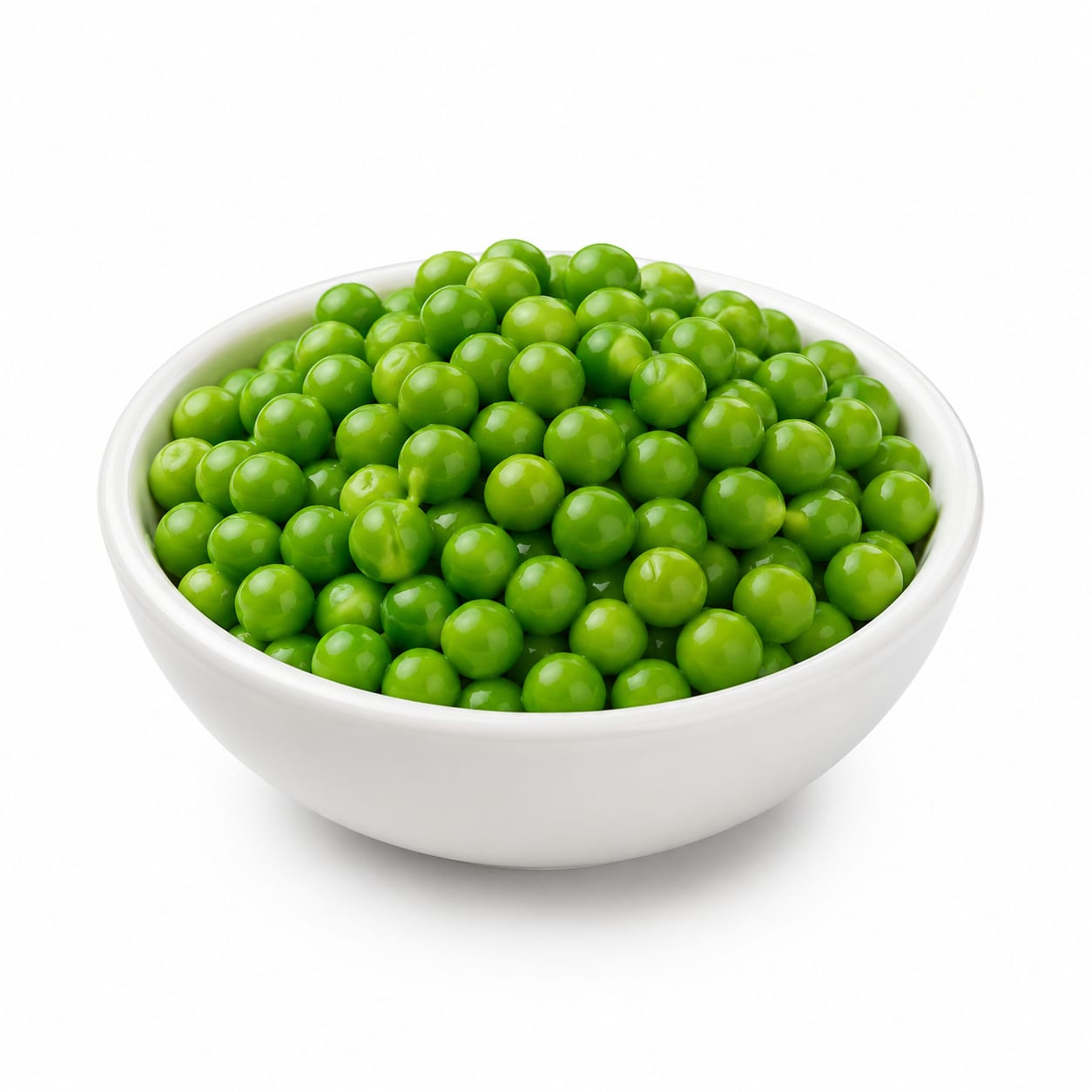
Green Pea
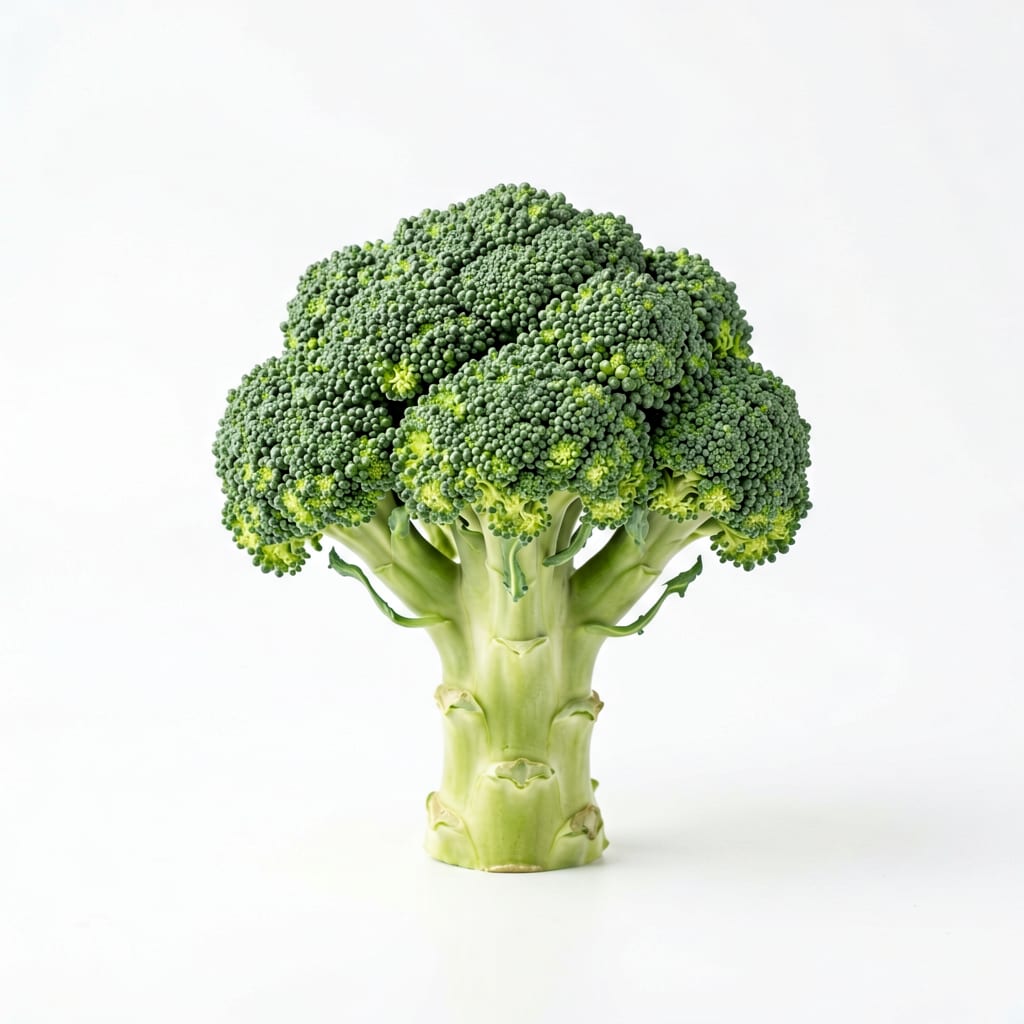
Broccoli
Broccoli is the low-calorie micronutrient powerhouse, while Green Peas are the filling, protein-rich energy source. Your goals determine the winner.
Broccoli scores slightly higher due to superior micronutrient density and calorie efficiency, but Green Peas remain an excellent choice for satiety and plant-based protein.
Calorie efficiency and vitamin density versus protein content and lasting fullness.
At a glance
Executive summary
Overall
It depends
Healthier
It depends
More practical
Broccoli
Daily use
Broccoli
Key comparison lenses
macronutrient balance and satiety
Green Peas are starchier and higher in protein, while Broccoli is a low-calorie volume food, creating a clear energy-density tradeoff.
blood sugar management
The carbohydrate difference makes this comparison crucial for anyone monitoring glucose or following low-carb diets.
micronutrient density
Broccoli provides massive vitamin C and K per calorie, whereas Green Peas offer different B-vitamin and mineral profiles.
meal building utility
Green Peas often act as a carb-protein base, while Broccoli acts as a fibrous filler, changing how they fit on a plate.
Best choice for
Green Pea
- Athletes needing carb-protein recovery
- Plant-based eaters seeking protein
- Children who prefer sweeter vegetables
- People struggling to feel full after meals
Broccoli
- Weight loss seekers needing volume
- Low-carb and keto dieters
- People focused on immune support
- Anyone needing large portions without excess calories
Least suitable for
Green Pea
- Strict low-carb dieters
- Those strictly limiting calorie-dense sides
- People prone to bloating from legumes
Broccoli
- Those needing calorie surplus for muscle gain
- Very active individuals needing carb fuel
- People looking for a standalone protein source
Deep comparison
Dimension by dimension
Each lens scores both foods and breaks down who each option suits.
- Dimension 1 · Priority 92Green Pea
Satiety & Fullness
Green Pea · 88Broccoli · 72Green Peas keep you full longer thanks to a higher protein and complex carbohydrate content that digests slowly.
Tradeoff
You get more staying power with Green Peas, but at the cost of higher calories per bite.
Why it matters
Feeling satisfied after eating reduces the urge to snack later, making portion control easier.
Real-world impact
A side of Green Peas will likely carry you from lunch to dinner without hunger pangs, while Broccoli might leave you looking for a snack by 3 PM.
Green Pea
- Long work shifts without meal breaks
- Post-workout recovery meals
- Growing teenagers needing sustained energy
Better for
- Tiny appetites where feeling stuffed is uncomfortable
Worse for
Broccoli
- Late-night snacking where calories matter
- Large volume meals for dieters
Better for
- High-energy demand days where light meals fall short
Worse for
- Dimension 2 · Priority 88Broccoli
Blood Sugar & Low-Carb Fit
Green Pea · 65Broccoli · 95Broccoli has minimal impact on blood sugar, while Green Peas contain enough carbs to require mindful portioning for diabetics.
Tradeoff
Choosing Broccoli gives you nearly unrestricted volume eating, whereas Green Peas require carb budgeting.
Why it matters
Stable blood sugar prevents energy crashes and reduces cravings, which is critical for metabolic health.
Real-world impact
You can eat a massive bowl of Broccoli without spiking your blood sugar, but a large bowl of Green Peas might require insulin adjustments for diabetics.
Green Pea
- Pre-workout carb fueling
- Balancing a purely fat-protein meal
Better for
- Strict ketogenic diets
- Uncontrolled blood sugar issues
Worse for
Broccoli
- Keto and very low-carb diets
- Insulin resistance management
- Evening meals to prevent morning fasting spikes
Better for
- Immediate post-endurance workout glycogen depletion
Worse for
- Dimension 3 · Priority 85Broccoli
Micronutrient Density
Green Pea · 75Broccoli · 95Broccoli delivers massive amounts of vitamin C, vitamin K, and sulforaphane per calorie, dwarfing the micronutrient density of Green Peas.
Tradeoff
Broccoli is a vitamin powerhouse, but Green Peas offer more B vitamins and iron, which are also crucial for energy.
Why it matters
High micronutrient density means your body gets more of the tools it needs for immunity and repair without excess calories.
Real-world impact
Eating Broccoli regularly is like taking a natural multivitamin, visibly supporting immune resilience during cold season.
Green Pea
- Plant-based iron support
- Pregnancy folate needs alongside carbs
Better for
- Scurvy prevention compared to vitamin C heavyweights
Worse for
Broccoli
- Immune system boosting
- Bone health and vitamin K needs
- Anti-inflammatory diets
Better for
- Energy anemia support where iron and B-vitamins are primary
Worse for
- Dimension 4 · Priority 80Green Pea
Protein & Muscle Support
Green Pea · 82Broccoli · 55Green Peas provide surprisingly robust plant protein, making them a valuable muscle-support food, whereas Broccoli offers negligible protein.
Tradeoff
You get functional protein from Green Peas, but you must account for the attached carbohydrates.
Why it matters
Muscle maintenance requires adequate protein, and finding it in vegetables simplifies meal planning.
Real-world impact
Adding a cup of Green Peas to a bowl gives you about 8 grams of protein, making it a meaningful contributor to your daily target, unlike Broccoli.
Green Pea
- Vegan bodybuilders
- Older adults preventing muscle loss
- Balancing amino acids in grain-heavy meals
Better for
- Zero-carb carnivore diets
Worse for
Broccoli
- Cutting phases where protein comes from supplements and volume from veggies
Better for
- Reliance on vegetables as a primary protein source
Worse for
Timeline
Health impact over time
Short-term
Hours to days
Green Pea
- Provides steady, lasting energy without a crash
- Can cause mild bloating or gas due to complex sugars
Broccoli
- Feels very light in the stomach after eating
- High fiber can cause gas if introduced to the diet too quickly
Long-term
Months to years
Green Pea
- Supports muscle maintenance and physical resilience
- Provides sustained plant-based iron and folate for energy
Broccoli
- Strongly protects against cellular damage via sulforaphane
- Supports cardiovascular health and lowers inflammatory markers
Risk profile
Safety & processing
Both Green Peas and Broccoli are whole, natural foods. Canned Green Peas can sometimes contain added sodium, and frozen varieties of both are typically free of additives.
Green Pea
Pesticide residue
mediumGreen Peas often carry moderate pesticide residues; choosing organic reduces this exposure significantly.
Broccoli
Goitrogenic compounds
lowRaw Broccoli contains goitrogens that can interfere with thyroid function, but cooking neutralizes this risk entirely.
Pesticide residue
mediumBroccoli is typically sprayed heavily; washing thoroughly or choosing organic minimizes intake.
Who wins for whom
Audience fit
Same foods, different winners depending on your goal.
children
Green PeaGreen Peas are sweeter, easier to chew, and more appealing to kids, while still offering solid nutrition.
daily consumption
BroccoliBroccoli is easier to eat in large daily quantities without overconsuming calories or carbs.
diabetes
BroccoliBroccoli has virtually no impact on blood sugar, making it far safer and easier to manage for glucose control.
elderly
BroccoliCooked Broccoli is very soft, nutrient-dense, and low in calories, perfectly suiting slower metabolisms and smaller appetites needing maximum vitamins.
muscle gain
Green PeaGreen Peas provide functional protein and carbohydrates needed to support training and recovery.
weight loss
BroccoliBroccoli allows you to eat a massive volume for almost no calories, making it the ultimate diet food.
Your move
Decision guide
Choose Green Pea
- You need more plant-based protein and lasting energy
- You are feeding kids who dislike bitter vegetables
- You are an athlete needing carb-fueled recovery
Choose Broccoli
- You want to lose weight or maintain a low calorie intake
- You need to keep your blood sugar flat and stable
- You want maximum vitamin C and immune support
Either works if
- You are building a balanced stir-fry or soup
- You want diverse fiber sources for gut health
- You are meal-prepping healthy vegetable sides
Avoid both if
- You have severe IBS and are highly sensitive to FODMAPs
Final recommendation
Use Broccoli as your daily low-calorie vitamin base, and add Green Peas when your meal needs more staying power, protein, or energy. Mixing both gives you the best of both worlds.
Practical
Consumer tips
- 1
Buy frozen Green Peas and Broccoli florets; they are picked at peak ripeness and retain more vitamins than fresh produce that has traveled far.
- 2
If you have thyroid concerns, always steam or roast Broccoli before eating to disable goitrogens.
- 3
Rinse canned Green Peas thoroughly to remove up to 30% of the added sodium.
- 4
Roast Broccoli with olive oil to dramatically improve the absorption of its fat-soluble vitamins.