
Nutrition comparison
Green Pea vs Spinach: Which is Healthier?
Compare Green Peas vs Spinach for weight loss, protein, and nutrients. Find out which green is better for your diet and health goals.
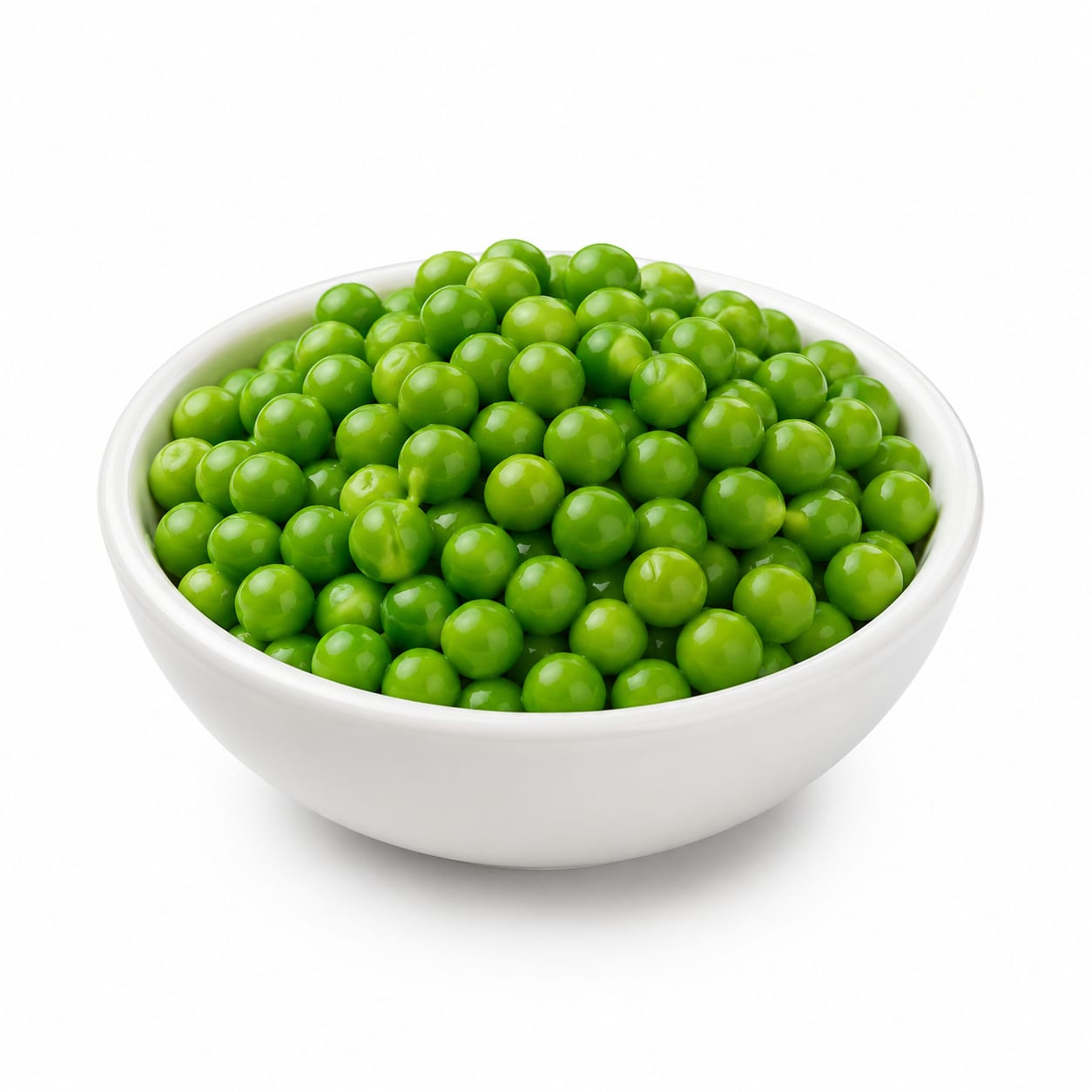
Green Pea
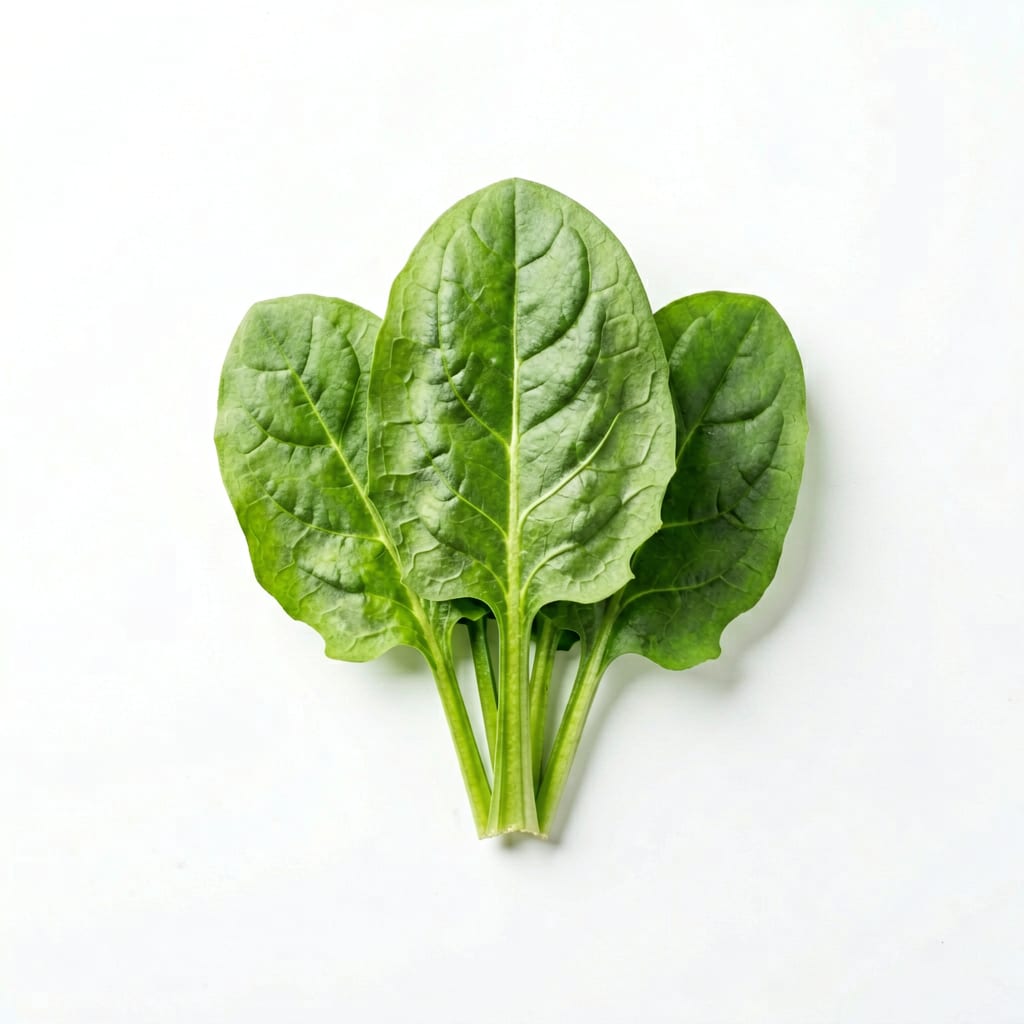
Spinach
Green Peas offer more sustained energy and protein, while Spinach provides massive micronutrients with almost zero calories.
Spinach edges out slightly due to exceptional micronutrient density per calorie, but Green Peas remain a highly nutritious, filling option.
Calories and satiety versus extreme low-calorie nutrient density.
At a glance
Executive summary
Overall
It depends
Healthier
It depends
More practical
Green Pea
Daily use
It depends
Key comparison lenses
Weight loss vs Satiety
Spinach offers massive volume for nearly zero calories, while Green Peas provide actual fullness from protein and fiber.
Carb and blood sugar management
Green Peas are a starchy vegetable with notable carbs, whereas Spinach is virtually carb-free, making them suited for entirely different dietary approaches.
Micronutrient density
Spinach is legendary for its vitamin content per calorie, but Green Peas offer a different spectrum of nutrients alongside their macronutrients.
Kidney health and oxalates
Spinach is very high in oxalates which pose kidney stone risks, while Green Peas are a safer choice for those prone to stones.
Best choice for
Green Pea
- Athletes needing carb fuel
- People looking for plant-based protein
- Those wanting a filling side dish
Spinach
- Weight loss seekers
- Low-carb dieters
- Those needing Vitamin K and folate
Least suitable for
Green Pea
- Strict low-carb dieters
- People managing severe blood sugar spikes
Spinach
- People with oxalate kidney stones
- Those needing calorie density
Deep comparison
Dimension by dimension
Each lens scores both foods and breaks down who each option suits.
- Dimension 1 · Priority 90Spinach
Nutrient Density & Micronutrients
Green Pea · 70Spinach · 95Spinach is a micronutrient powerhouse, packing huge amounts of Vitamin K, A, and folate into almost zero calories.
Tradeoff
You get more vitamins per bite with Spinach, but Green Peas offer more balanced macronutrients.
Why it matters
If you need to fill nutrient gaps without adding calories, Spinach is unmatched.
Real-world impact
A big spinach salad delivers your daily Vitamin K easily, whereas Green Peas give you a broader mix of energy and nutrients.
Green Pea
- Balanced macro and micro intake
- Getting B-vitamins with energy
Better for
- Low vitamin density per calorie compared to leafy greens
Worse for
Spinach
- Maximizing vitamins per calorie
- Boosting iron and folate intake
Better for
- Lacking the macronutrients needed for a complete meal base
Worse for
- Dimension 2 · Priority 88Green Pea
Satiety & Fullness
Green Pea · 88Spinach · 55Green Peas are significantly more filling due to their protein and complex carbohydrate content.
Tradeoff
Spinach fills your stomach with volume but digests quickly, while Green Peas provide lasting fullness.
Why it matters
Eating Spinach alone might leave you hungry an hour later, whereas Green Peas can hold you over.
Real-world impact
A bowl of Green Peas makes a satisfying snack; a bowl of Spinach leaves you looking for more food.
Green Pea
- Staying full between meals
- Post-workout recovery snacking
Better for
- Higher calorie cost if you just want volume
Worse for
Spinach
- Bulking up meals without adding calories
Better for
- Quickly digesting, leading to faster hunger return
Worse for
- Dimension 3 · Priority 85Spinach
Blood Sugar & Low-Carb Compatibility
Green Pea · 60Spinach · 98Spinach is virtually carb-free, making it perfect for low-carb diets, while Green Peas contain notable starches.
Tradeoff
Green Peas provide steady energy from complex carbs, but Spinach won't impact blood sugar at all.
Why it matters
For strict keto or diabetes management, Spinach is the safer, easier choice.
Real-world impact
You can eat unlimited Spinach without worrying about blood sugar; Green Peas require portion control for diabetics.
Green Pea
- Providing sustained energy for active individuals
Better for
- Carb content requires monitoring for diabetics
Worse for
Spinach
- Strict ketogenic diets
- Minimizing glycemic load
Better for
- No carbohydrate energy for fueling workouts
Worse for
- Dimension 4 · Priority 78It depends
Digestive & Kidney Health
Green Pea · 75Spinach · 70Green Peas are great for digestion but can cause gas, while Spinach is easy on digestion but high in oxalates.
Tradeoff
Green Peas feed your gut bacteria but might cause bloating; Spinach risks kidney stones for susceptible people.
Why it matters
Your personal health history dictates which is safer for your body.
Real-world impact
If you've had kidney stones, raw Spinach is risky; if you have a sensitive stomach, Green Peas might cause discomfort.
Green Pea
- Feeding beneficial gut bacteria with soluble fiber
Better for
- Can cause bloating and gas due to complex sugars
Worse for
Spinach
- Gentle on the digestive tract when cooked
Better for
- High oxalates can contribute to kidney stones
Worse for
Timeline
Health impact over time
Short-term
Hours to days
Green Pea
- Sustained energy from complex carbs
- Increased fullness after eating
- Possible bloating or gas
Spinach
- Immediate nutrient boost without heaviness
- Feeling light after eating
- Quick digestion leaving you hungry sooner
Long-term
Months to years
Green Pea
- Better muscle maintenance from plant protein
- Stable digestive health from fiber
- Steady weight management from satiety
Spinach
- Excellent bone health from Vitamin K
- Improved heart health from folate
- Risk of kidney stones if overconsumed raw
Risk profile
Safety & processing
Both Green Peas and Spinach are whole, natural foods typically consumed with minimal processing.
Green Pea
Pesticide residue
mediumGreen Peas often carry pesticide residues; choosing organic or washing thoroughly helps.
Spinach
Oxalate toxicity and kidney stones
highRaw Spinach is extremely high in oxalates, which bind to calcium and can form kidney stones in susceptible individuals.
Pesticide residue
highSpinach consistently ranks high on the EWG's Dirty Dozen list for pesticide residue; organic is strongly recommended.
Who wins for whom
Audience fit
Same foods, different winners depending on your goal.
children
Green PeaGreen Peas are sweeter, more energy-dense, and easier for kids to eat, providing good nutrition for growth.
daily consumption
SpinachSpinach is easier to eat in large quantities daily due to low calorie and carb impact, provided it is cooked to reduce oxalates.
diabetes
SpinachSpinach has virtually no impact on blood sugar, while Green Peas contain carbs that require insulin management.
elderly
SpinachSpinach provides crucial folate and Vitamin K for cognitive and bone health without excess calories, assuming no kidney issues.
muscle gain
Green PeaGreen Peas provide actual protein and carbohydrates needed for muscle repair and energy.
weight loss
SpinachSpinach provides massive volume and nutrients for almost zero calories, making it the ultimate weight loss food.
Your move
Decision guide
Choose Green Pea
- You need a filling, satisfying side dish
- You are active and need carbohydrate energy
- You want to increase plant-based protein intake
- You have a history of kidney stones and need low-oxalate greens
Choose Spinach
- You are trying to lose weight or cut calories
- You are on a low-carb or ketogenic diet
- You want to maximize your vitamin intake
- You need a versatile green that cooks down into anything
Either works if
- You want to boost your daily vegetable intake
- You are making a nutrient-dense soup or stew
Avoid both if
- You are on a strict low-fiber diet for acute digestive issues
Final recommendation
Use Spinach as your daily low-calorie nutrient base, and add Green Peas when you need more energy, protein, and lasting fullness.
Practical
Consumer tips
- 1
Cook Spinach to drastically reduce its oxalate content, making it safer for your kidneys.
- 2
Buy organic Spinach whenever possible, as it is one of the most pesticide-heavy vegetables.
- 3
Frozen Green Peas are just as nutritious as fresh and incredibly convenient.
- 4
Mix both into a salad or stir-fry to get the volume of Spinach with the satisfying bite of Green Peas.