
Citrus Fruit
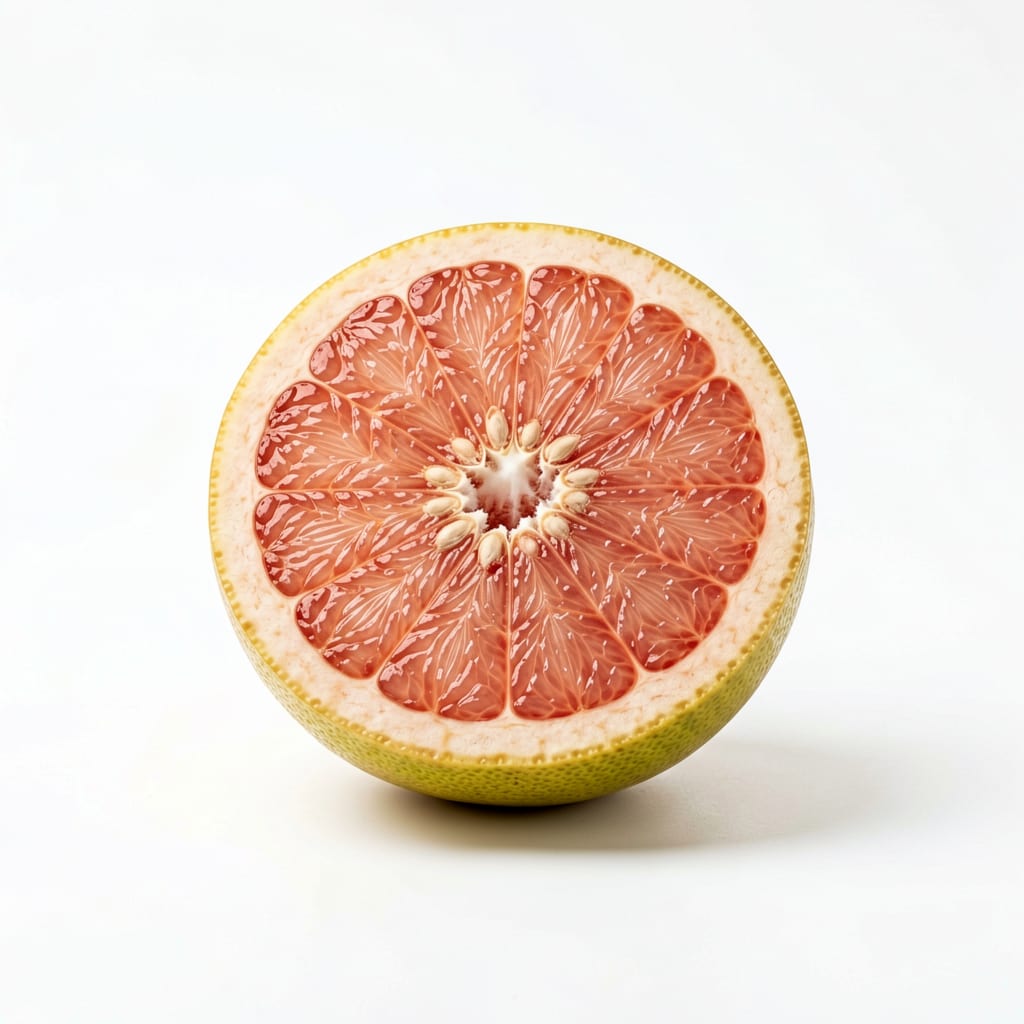
Grapefruit
A low-calorie, high-volume citrus fruit known for its tart flavor and vitamin C content.
A large subtropical citrus fruit with a tart-to-bitter flavor, known for its high vitamin C content and low calorie density.
high-volume low-calorie fruit
Typical serving · 230g
Common varieties · ruby red, white marsh, pink, oro blanco, star ruby
Overall context score across nutrition, safety, and diet fit
At a glance
Quick facts
Simple indicators based on nutrition, processing, and diet fit.
The story
What makes it unique
Grapefruit is a low-energy-density, water-rich fruit containing primarily simple carbohydrates and modest fiber. It digests moderately fast due to its high water and simple sugar content, but its low glycemic index and high fiber relative to calories provide moderate satiety. As a minimally processed whole food, it retains its full matrix of vitamins, flavonoids, and pectin.
Varieties: ruby red · white marsh · pink · oro blanco · star ruby
Per 100g
Nutrition breakdown
Macro balance and key metrics at a glance.
Energy
Density 0.32 kcal/g
Protein
Carbs
Fat
Fiber
Sugar
6.5 g
Sodium
0 mg
Potassium
135 mg
Glycemic index
25
Glycemic load
2
Water content
90.5%
Standout compounds
Nutrient highlights
Vitamin C
highSupports immune function and collagen production
Vitamin A
moderatePromotes eye health and immune function (especially in red/pink varieties)
Lycopene
moderateProvides antioxidant protection against cellular damage
Pectin
lowA soluble fiber that supports gut health and cholesterol management
Wellness map
Health scores & processing
NOVA processing scale
unprocessed · Whole food
Raw grapefruit is a whole, unprocessed food with no added ingredients.
Diet compatibility
- Weight loss
- Muscle gain
- Diabetes
- Gut health
- Low carb
- High protein
- Heart health
Relative standing
Food rankings
Qualitative ranks compared to similar whole foods.
- Satietygood
- Blood sugarexcellent
- Nutrient densitygood
- Fitness fuelmoderate
- Processing qualityexcellent
Eat with confidence
Food safety profile
Grapefruit is generally safe from microbial contamination. The primary safety concern is its interaction with certain medications due to furanocoumarins, which inhibit the CYP3A4 enzyme.
Evidence confidence 90%
- Pesticidesmoderate
- Antibioticslow
- Heavy metalslow
- Contaminationlow
Watch for
- pesticide residues on peel
Safer choices
Organic grapefruit reduces peel pesticide exposure; consulting a doctor is necessary for those on statins or immunosuppressants.
Prep tips
Wash the rind thoroughly before cutting to prevent transferring bacteria or pesticides to the flesh.
Standard agricultural pesticide limits apply; washing is recommended before cutting.
Deep dive
Health analysis
How this food may fit different goals and preparation choices.
Weight loss
Extremely low energy density and high water content promote fullness with minimal calories.
Blood sugar
Low glycemic index and load prevent rapid blood sugar spikes, making it suitable for glucose management.
Fitness & energy
Provides quick-digesting simple sugars and hydration, but lacks the protein needed for muscle recovery.
Gut health
Contains pectin fiber that supports bowel regularity and acts as a prebiotic, though total fiber volume per serving is modest.
Processing quality
A whole, unrefined food with an intact nutritional matrix and no added sugars when consumed raw.
Food safety
Safe from a microbial standpoint, but poses clinically significant risks for individuals taking CYP3A4-metabolized medications.
Common mistakes
Adding excessive sugar to mask tartness negates weight loss benefits; consuming it unaware of drug interactions.
Best preparation
Eaten raw, sectioned, or lightly broiled. Avoid juicing if retaining fiber for satiety.
Practical guide
Best use cases
When and how this food fits real eating patterns.
Pre-meal appetite suppressant
Eating half a grapefruit before a meal increases volume and promotes satiety, reducing overall calorie intake.
Low-calorie hydration
With over 90% water content, it provides flavorful hydration for weight loss diets.
Vitamin C boost
Provides a concentrated dose of vitamin C to support immune function and collagen synthesis.
Balance sheet
Pros & cons
Upsides
- Very low calorie and energy density
- Low glycemic index supports stable blood sugar
- High in immune-supporting vitamin C
- Red varieties contain beneficial lycopene
- High water content promotes hydration and fullness
Trade-offs
- Significant interactions with many common medications
- Acidic nature can aggravate acid reflux or GERD
- Low protein content limits muscle-building utility
- Tartness often leads people to add refined sugar
Fit check
Who is it for?
Great match
- calorie-restricted diets
- blood sugar management
- pre-meal satiety
- immune support
Consider alternatives
- individuals on statins or CYP3A4-affected drugs
- severe acid reflux or GERD
- high-protein diets
- strict ketogenic diets
Side by side
How it compares
Open the full head-to-head analysis for nutrition, safety, and practical tradeoffs.
This food
Grapefruit
VS90% alike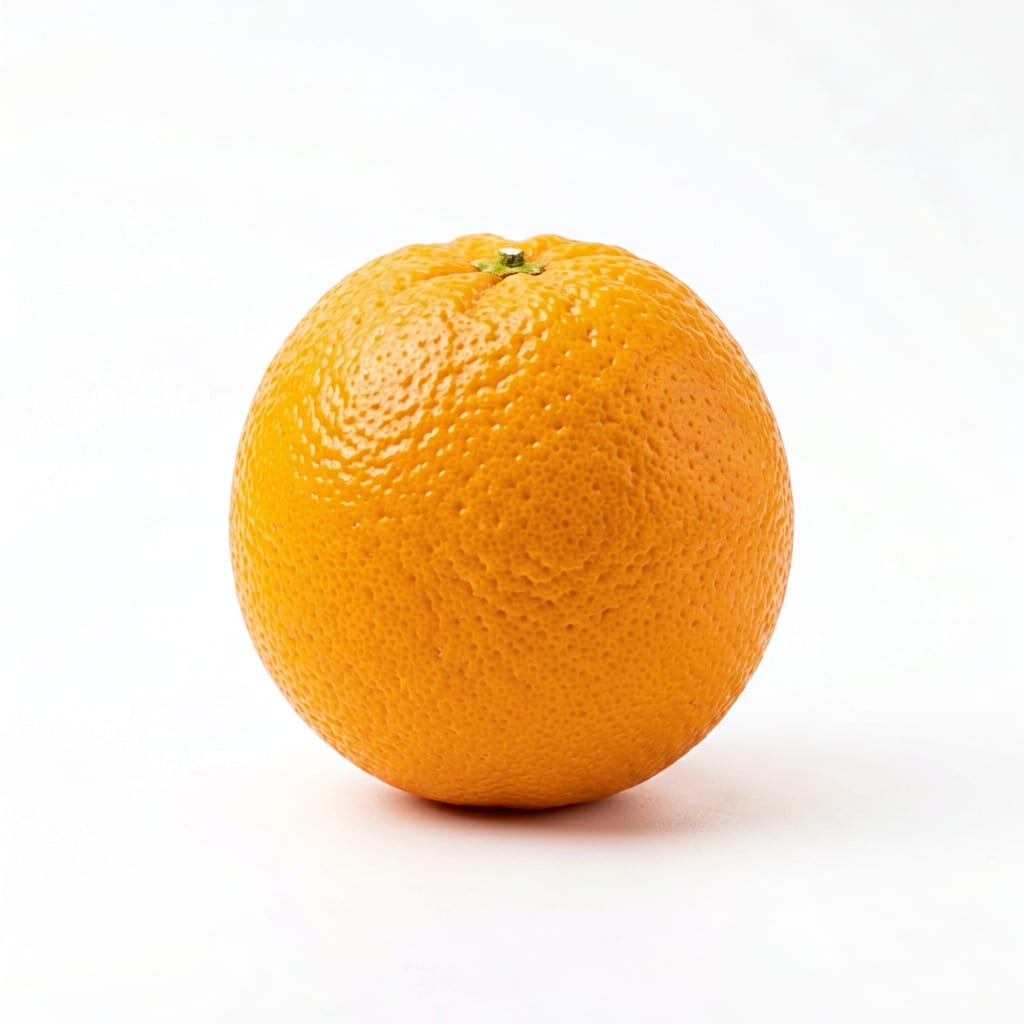
Compare with
Orange
Oranges are sweeter and higher in calories and vitamin C, while grapefruit is lower in sugar and calories.
Oranges provide more vitamin C and sweetness, while grapefruit offers fewer calories and a lower glycemic impact.
This food
Grapefruit
VS85% alike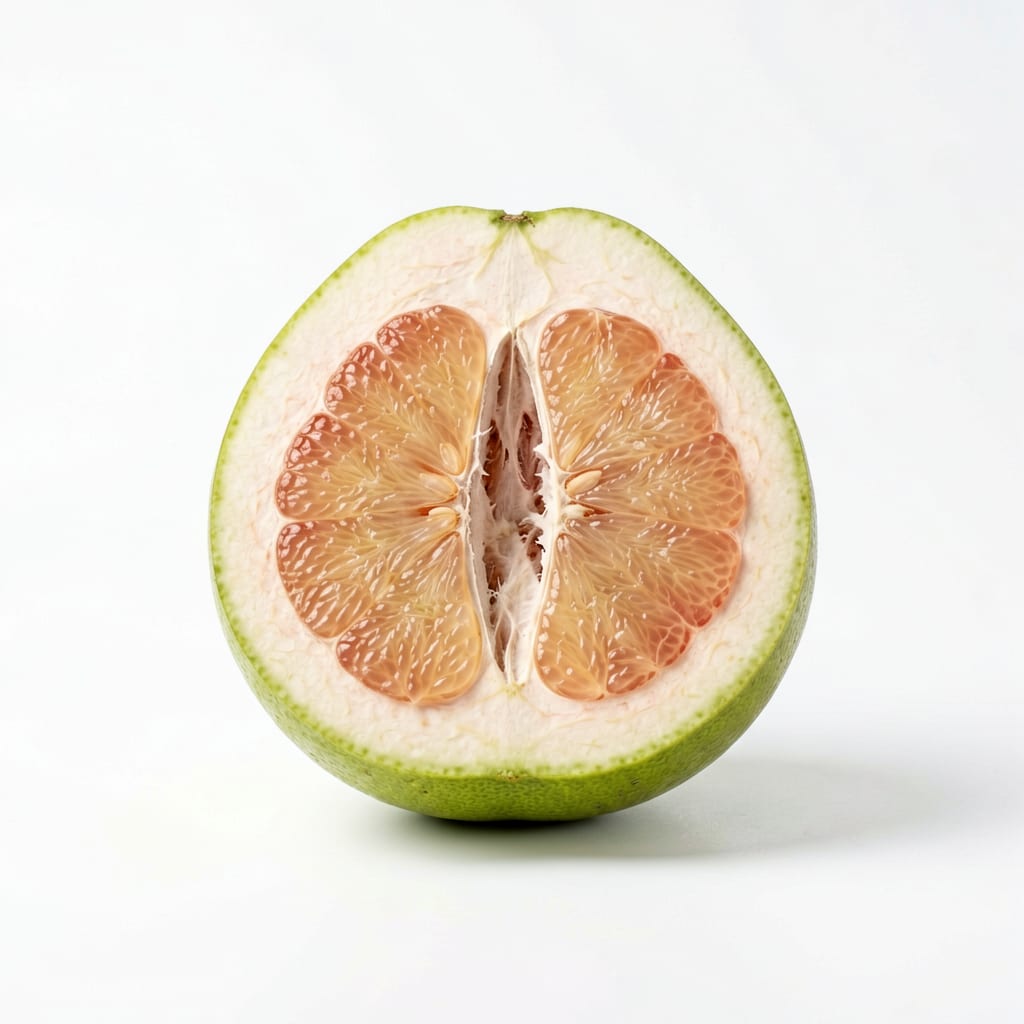
Compare with
Pomelo
Pomelo is sweeter and larger with a thicker rind, while grapefruit is more tart and lower in calories per gram.
Pomelo is sweeter and larger, but grapefruit is lower in calories and better for strict weight loss.
This food
Grapefruit
VS75% alike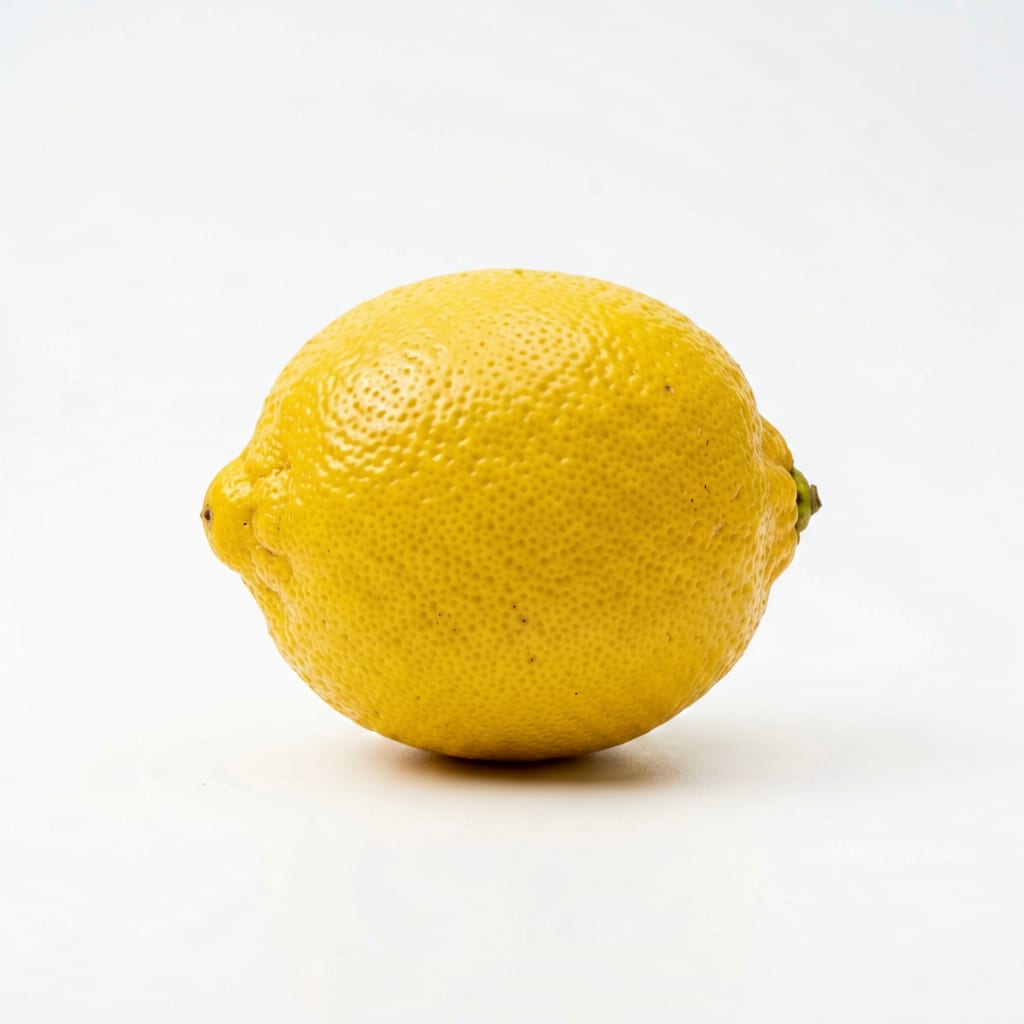
Compare with
Lemon
Lemons are extremely low in sugar and calories but are not typically eaten as a whole fruit, whereas grapefruit is a substantial snack.
Lemons are lower in sugar and calories, but grapefruit provides a more filling, eatable portion.
This food
Grapefruit
VS80% alike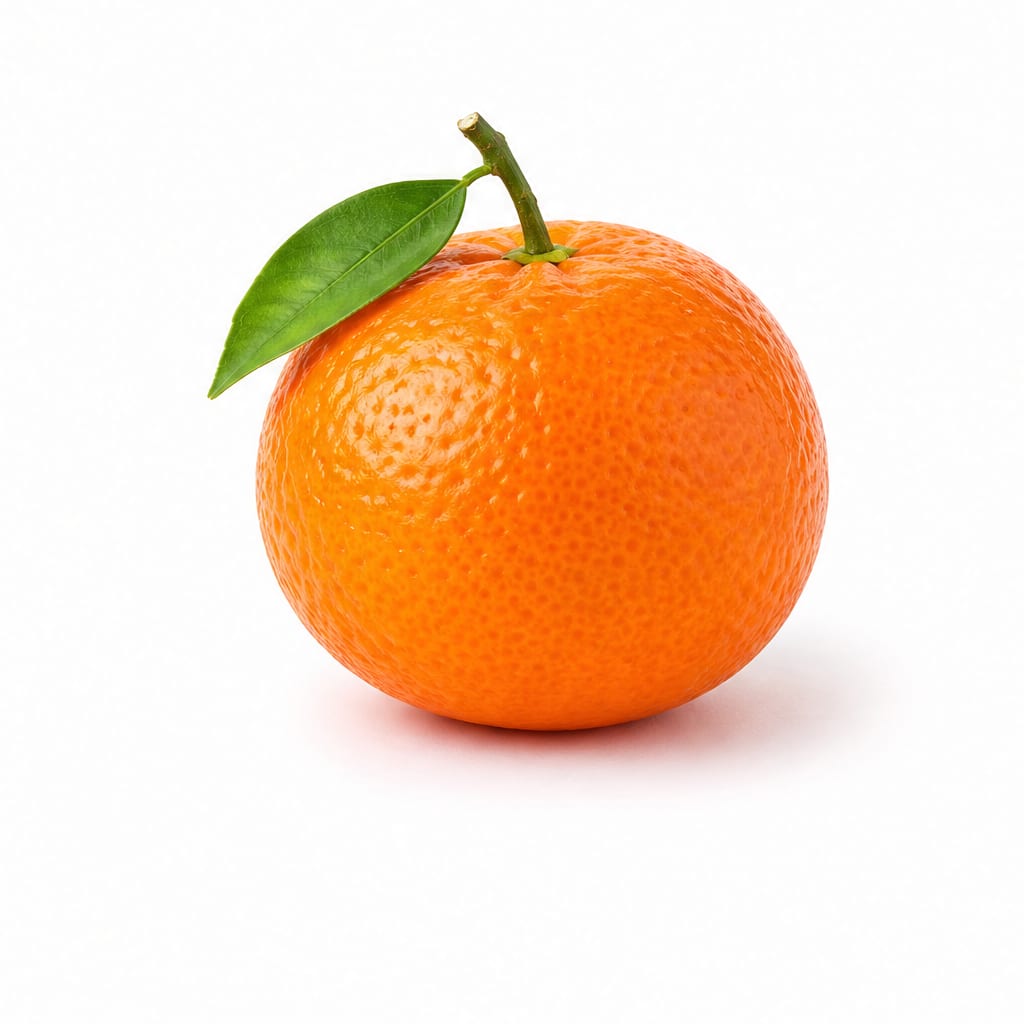
Compare with
Tangerine
Tangerines are easier to peel and sweeter, but grapefruit provides more volume and fewer calories per serving.
Tangerines are sweeter and more portable, while grapefruit is lower in sugar and better for volume eating.
This food
Grapefruit
VS70% alike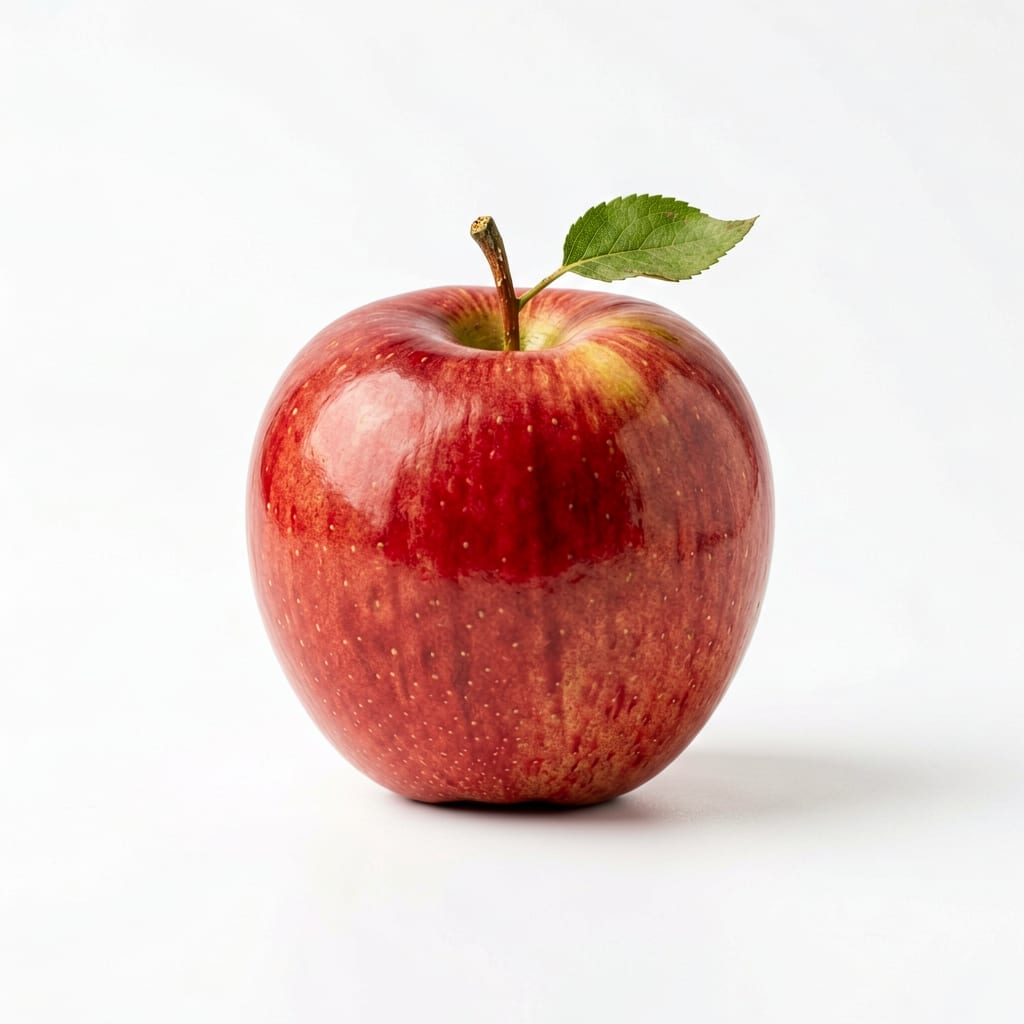
Compare with
Apple
Apples provide more fiber and sweetness, while grapefruit offers fewer calories and a lower glycemic load.
Apples are higher in fiber and more filling, but grapefruit is lower in calories and better for blood sugar control.
This food
Grapefruit
VS60% alike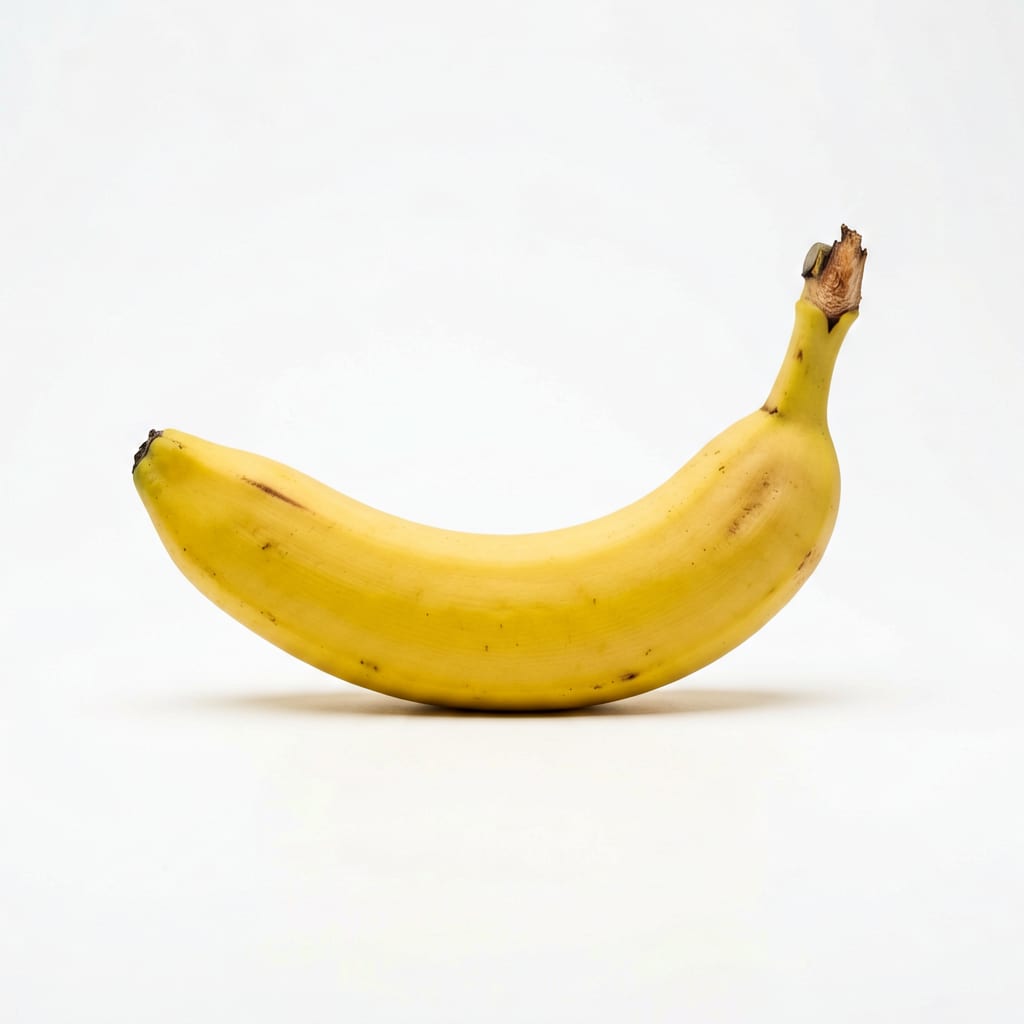
Compare with
Banana
Bananas are high in potassium and quick-digesting carbs, while grapefruit is low-calorie and low-sugar.
Bananas provide fast energy and potassium for workouts, while grapefruit is a low-calorie choice for weight loss.
This food
Grapefruit
VS65% alike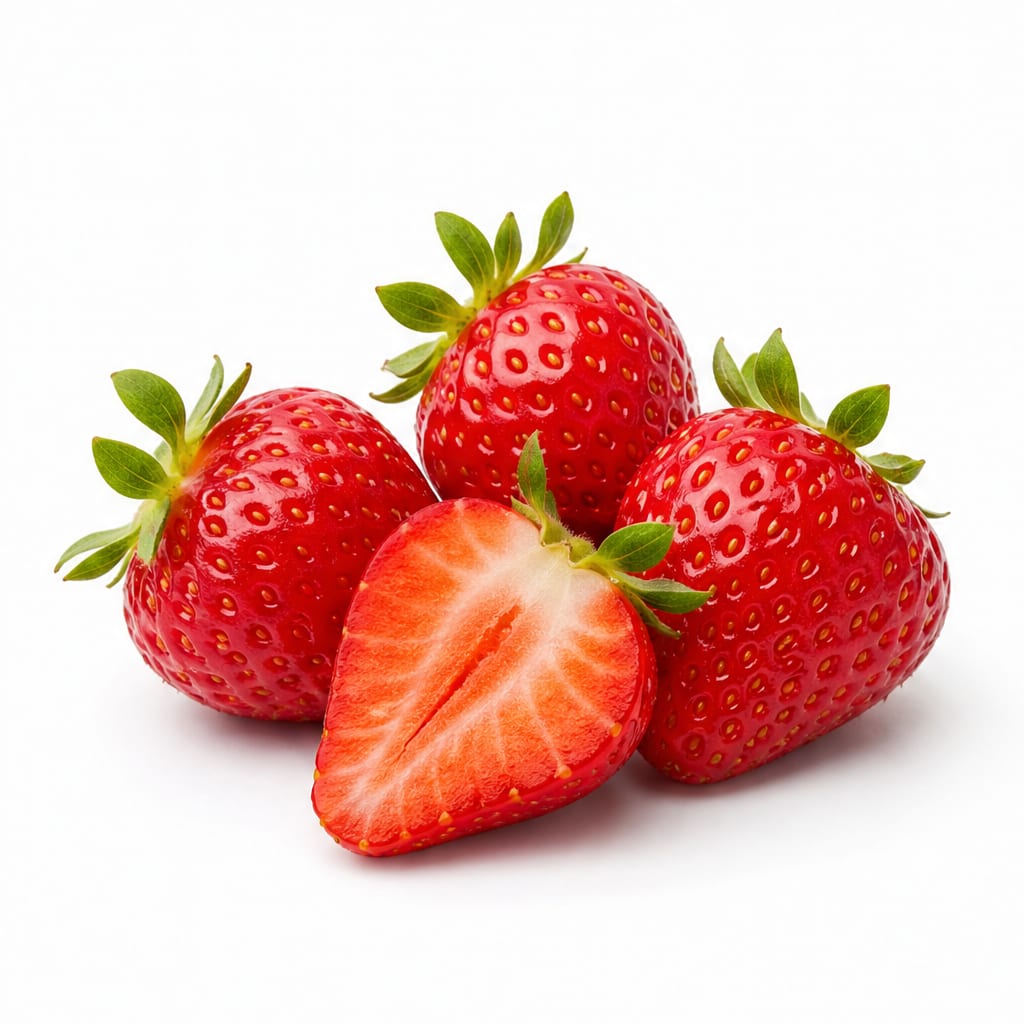
Compare with
Strawberries
Strawberries are sweeter and higher in fiber, while grapefruit provides more volume per calorie.
Strawberries offer more fiber and sweetness, while grapefruit provides a larger, more hydrating volume per serving.
This food
Grapefruit
VS70% alike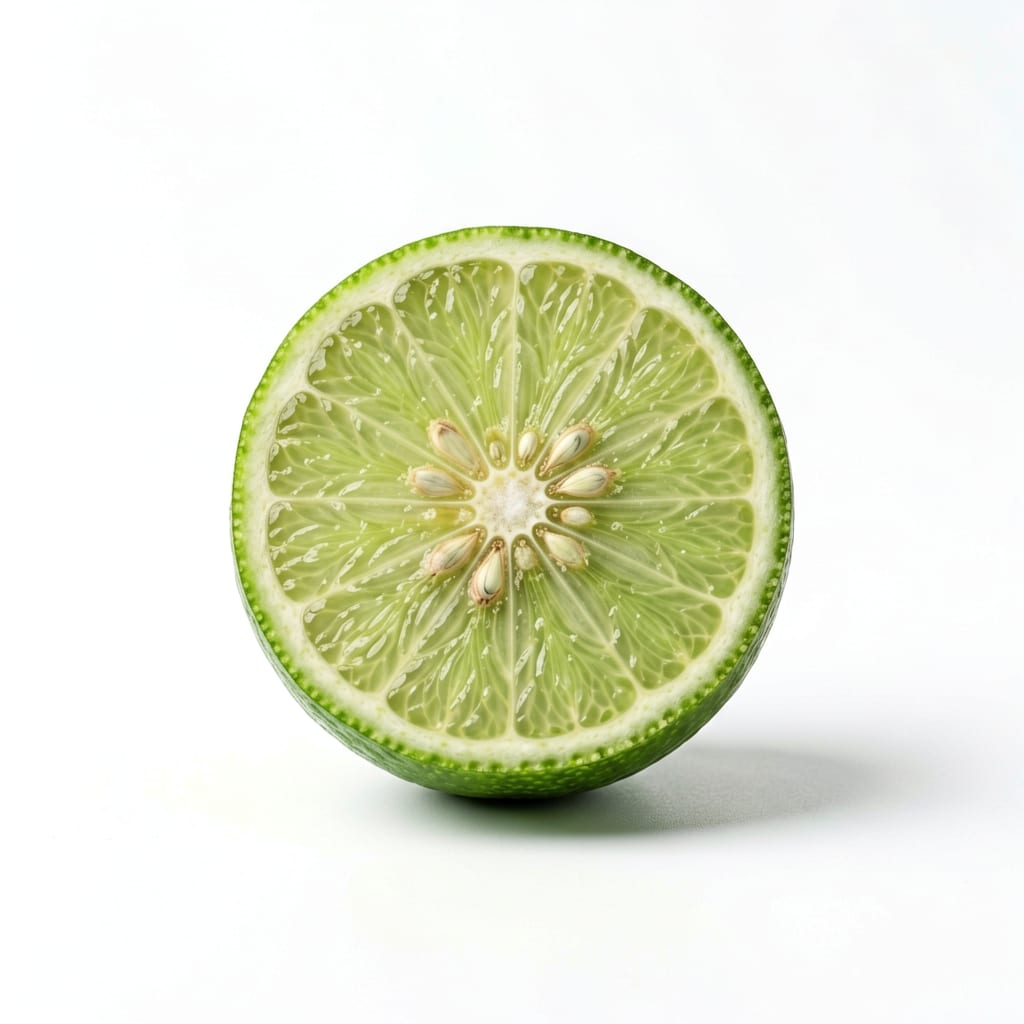
Compare with
Lime
Limes are rarely eaten whole due to intense sourness, while grapefruit is consumed as a whole fruit providing more satiety.
Limes are lower in calories and sugar, but grapefruit is actually eaten as a filling snack.
This food
Grapefruit
VS60% alike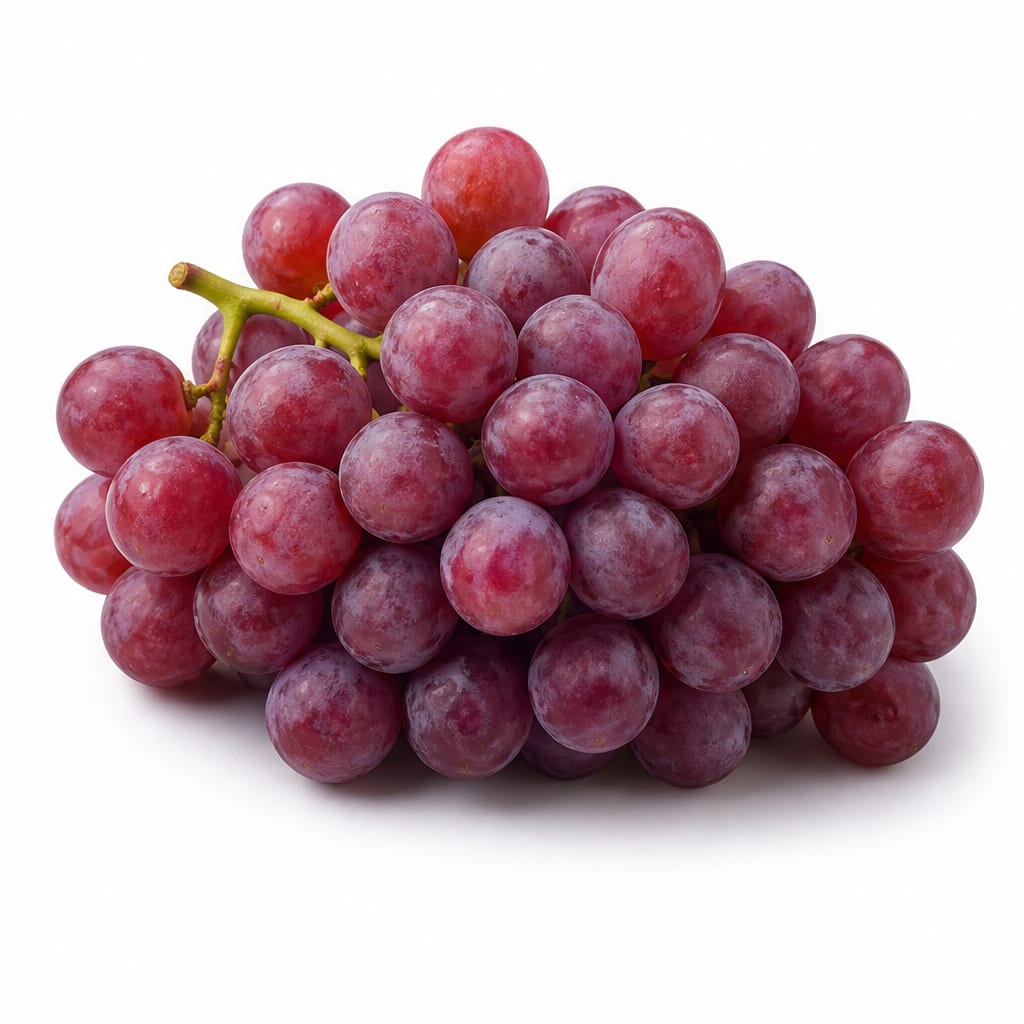
Compare with
Grapes
Grapes are high in sugar and easy to overeat, while grapefruit is low in sugar and high in volume.
Grapefruit is far lower in sugar and calories than grapes, making it much better for weight loss and blood sugar.
This food
Grapefruit
VS40% alike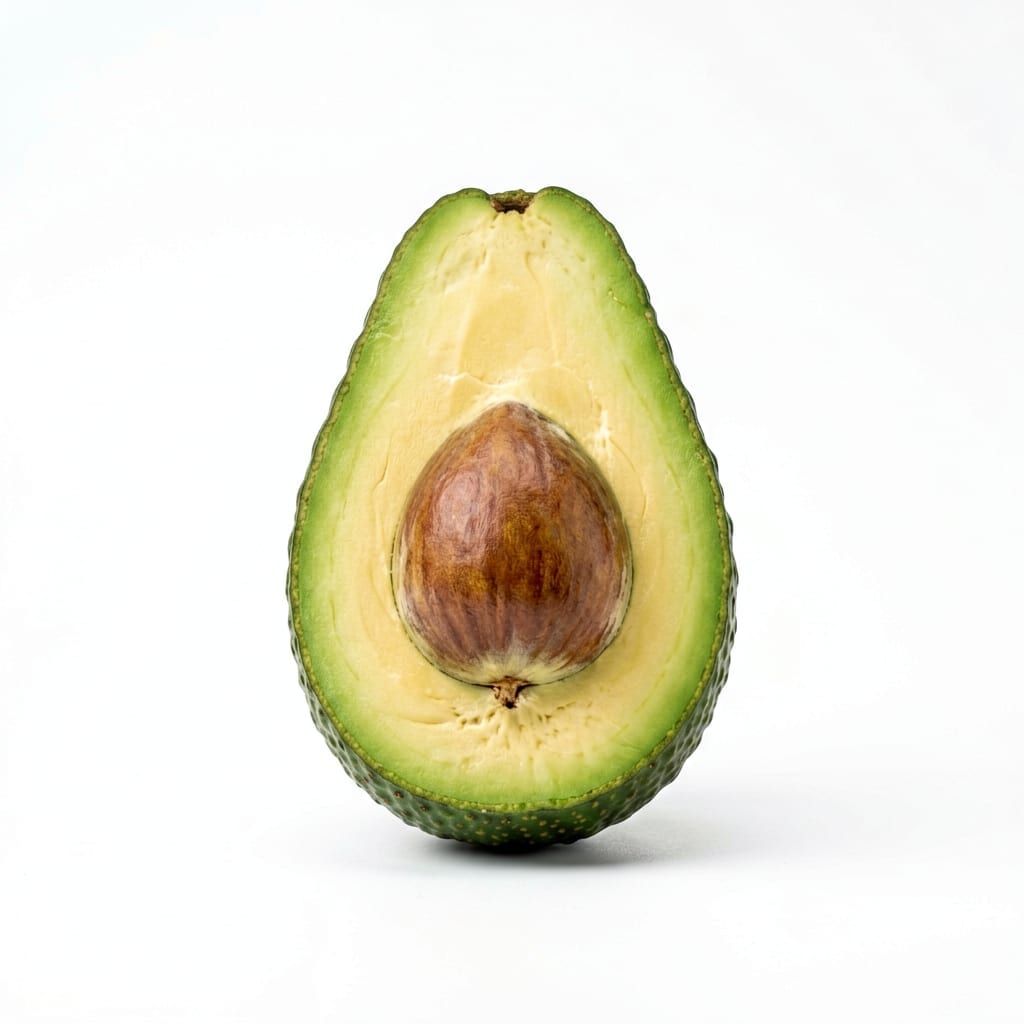
Compare with
Avocado
Avocado is high in healthy fats and calories, while grapefruit is low in calories and fat-free.
Avocado provides healthy fats and extreme satiety, while grapefruit offers low-calorie volume and vitamin C.
Common questions
FAQ
Answers aligned with how people search for this food.
Is grapefruit good for weight loss?
Yes, its low calorie count and high water content help increase satiety without excess calories, making it easier to maintain a calorie deficit.
Can diabetics eat grapefruit?
Yes, grapefruit has a low glycemic index and load, causing minimal blood sugar spikes when eaten in standard portions.
Why can't I eat grapefruit with my medication?
Grapefruit contains compounds that block an enzyme in your gut (CYP3A4), which can cause dangerous levels of certain drugs to build up in your bloodstream.
Does grapefruit actually burn fat?
No food directly burns fat, but grapefruit's low energy density can help reduce overall calorie intake by promoting fullness.
Is grapefruit high in sugar?
No, grapefruit is relatively low in sugar compared to other fruits, containing about 6.5g per 100g serving.
Which grapefruit is the sweetest?
Ruby Red and Oro Blanco varieties are generally sweeter and less bitter than white grapefruit.
Is it better to eat grapefruit before or after a meal?
Eating it before a meal may help increase satiety and reduce overall calorie consumption during the meal.
Transparency
Data confidence
Estimated confidence for nutrition data, interpretation, safety notes, and comparisons.
Nutrition data
Health analysis
Food safety
Comparisons