
Nutrition comparison
Grapefruit vs Grapes: Nutrition, Sugar, and Safety Compared
Grapefruit vs Grapes: Which is healthier? Compare sugar content, vitamin C, medication interactions, and pesticide risks to find the right fruit for your diet.
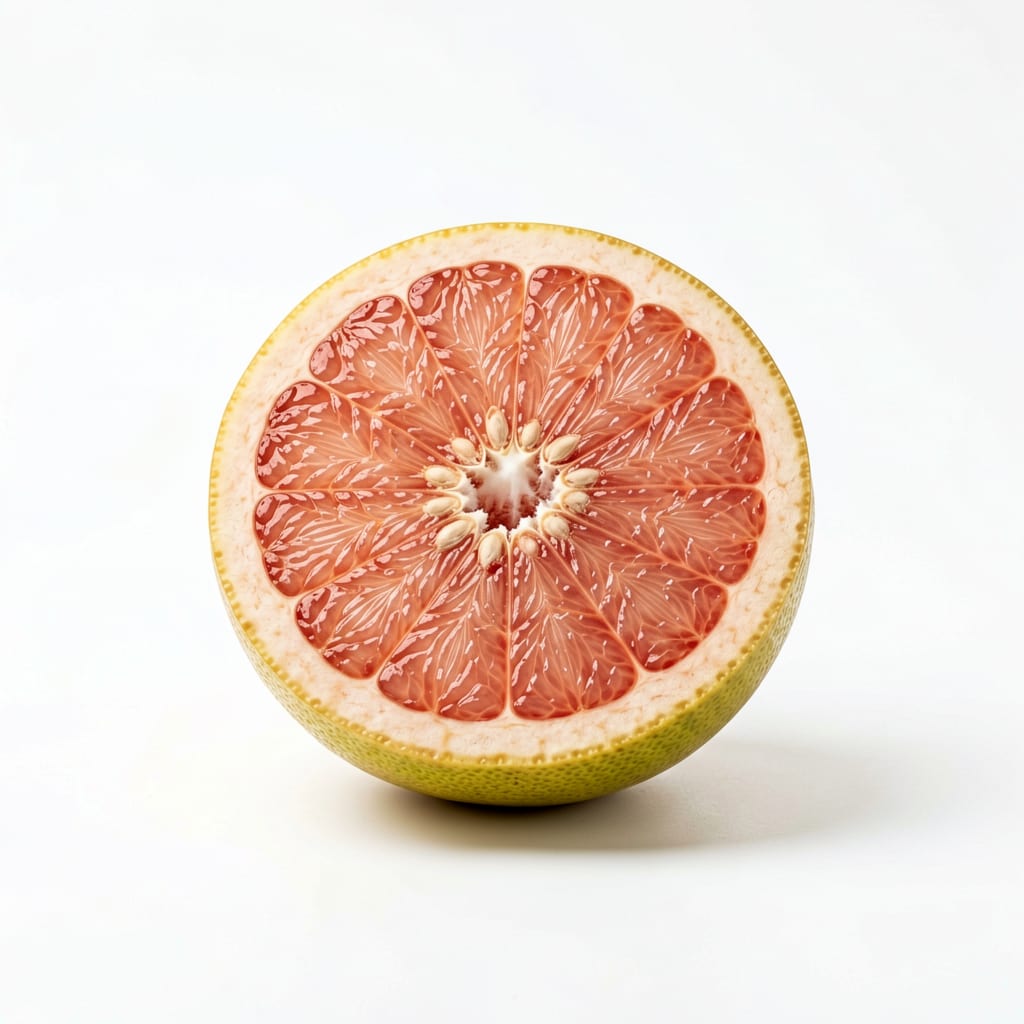
Grapefruit
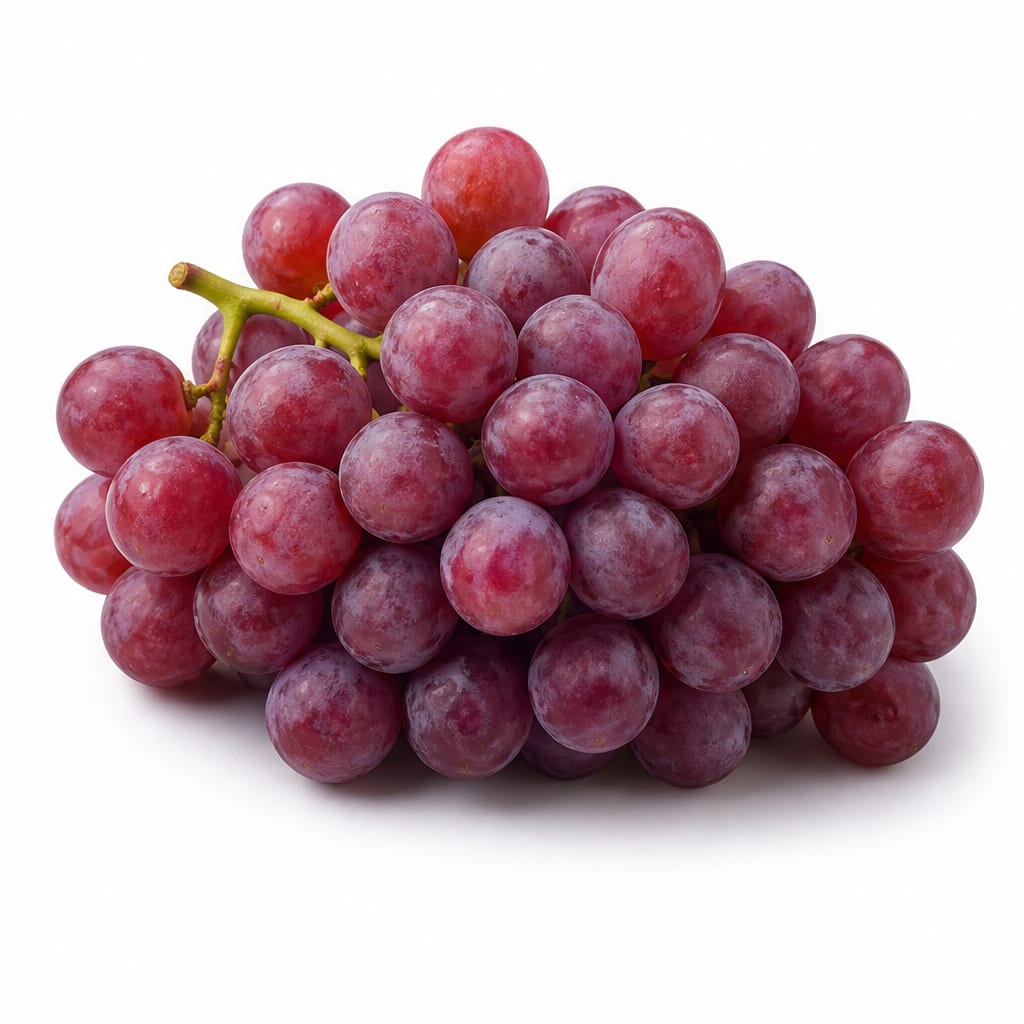
Grapes
Grapefruit is the nutritional winner for blood sugar control and vitamin C, but Grapes are the safer and more practical choice if you take common medications or need a convenient snack.
Grapefruit scores higher due to its low sugar content and high vitamin C, but its score is capped by serious medication interaction risks. Grapes score lower mainly because of their high sugar density and pesticide concerns, despite being more convenient.
You are trading Grapefruit's superior metabolic benefits and vitamin C for the medication safety, convenience, and sweeter taste of Grapes.
At a glance
Executive summary
Overall
It depends
Healthier
Grapefruit
More practical
Grapes
Daily use
It depends
Key comparison lenses
blood sugar and weight management
Grapefruit is famously low in sugar and calories compared to the high natural sugar density of Grapes, making this the most critical daily tradeoff.
medication safety and interactions
Grapefruit has severe interactions with dozens of common medications, a unique and critical safety concern that Grapes do not share.
snacking behavior and portion control
Grapes are easy to overeat due to their bite-sized nature, while Grapefruit is naturally portion-controlled by its thick peel and bitter taste.
vitamin C and immune support
Grapefruit provides a massive dose of vitamin C, whereas Grapes offer minimal amounts.
pesticide exposure
Grapes consistently rank on the Dirty Dozen list for pesticide residues, requiring careful washing or organic sourcing.
Best choice for
Grapefruit
- People aiming for low-sugar diets
- Those needing an immune system boost
- Anyone seeking a filling, low-calorie breakfast fruit
Grapes
- People on statins or blood pressure medications
- Busy individuals needing grab-and-go snacks
- Children who prefer sweet, easy-to-eat fruits
Least suitable for
Grapefruit
- Anyone taking interacting prescription drugs
- People with sensitive stomachs who find citrus irritating
- Those who struggle with bitter flavors
Grapes
- Strict low-carb or keto dieters
- People prone to mindless snacking
- Those trying to minimize pesticide exposure without buying organic
Deep comparison
Dimension by dimension
Each lens scores both foods and breaks down who each option suits.
- Dimension 1 · Priority 95Grapefruit
Blood Sugar & Calorie Control
Grapefruit · 92Grapes · 55Grapefruit is a clear winner for steady energy and weight management, while Grapes act more like nature's candy.
Tradeoff
You get a sweeter, more satisfying taste from Grapes, but at the cost of a rapid sugar intake that can spike cravings.
Why it matters
Keeping blood sugar stable prevents the afternoon energy crash and reduces fat storage signals.
Real-world impact
Eating half a Grapefruit with breakfast keeps you full without a sugar crash. A bowl of Grapes can disappear in minutes, leaving you hungry again.
Grapefruit
- Steady energy without crashes
- Low-calorie volume eating
- Diabetics managing glucose spikes
Better for
- Not ideal for quick pre-workout fuel
Worse for
Grapes
- Quick carbohydrate energy after intense exercise
- Satisfying a sweet tooth craving
Better for
- Triggering overeating due to high palatability
- Spiking blood sugar when eaten in large bowls
Worse for
- Dimension 2 · Priority 90Grapes
Medication Safety
Grapefruit · 25Grapes · 98Grapefruit dangerously interacts with many common drugs, while Grapes are generally safe to eat with medications.
Tradeoff
Grapefruit offers unique health benefits, but consuming it requires diligent checking of your medicine cabinet.
Why it matters
Grapefruit blocks an intestinal enzyme that breaks down drugs, causing dangerously high medication levels in your blood.
Real-world impact
If you take a statin for cholesterol, eating Grapefruit can lead to muscle toxicity. Grapes can be eaten safely without worrying about your prescriptions.
Grapefruit
- Risk of drug toxicity with over 50 common medications
Worse for
Grapes
- Safe to eat with statins, blood pressure meds, and anti-anxiety drugs
- Peace of mind for older adults on multiple medications
Better for
- Dimension 3 · Priority 75Grapefruit
Vitamin C & Immunity
Grapefruit · 94Grapes · 35Grapefruit is a vitamin C powerhouse, whereas Grapes provide almost negligible immune support.
Tradeoff
You sacrifice a major immune-boosting nutrient if you choose Grapes for their convenience.
Why it matters
Vitamin C is essential for fighting off seasonal bugs and keeping skin healthy and resilient.
Real-world impact
Half a Grapefruit covers over half your daily vitamin C needs, helping you fend off colds. Grapes won't move the needle on your immune system.
Grapefruit
- Boosting immune defense
- Collagen production for skin health
Better for
Grapes
- Poor choice for relying on daily vitamin C intake
Worse for
- Dimension 4 · Priority 85Grapes
Snacking Convenience & Portion Control
Grapefruit · 55Grapes · 88Grapes are the ultimate grab-and-go snack, while Grapefruit requires peeling and prep, but naturally limits overeating.
Tradeoff
Grapes are instantly ready to eat but dangerously easy to overconsume; Grapefruit is inconvenient but self-limiting.
Why it matters
The ease with which you can eat a food directly impacts how much of it you actually consume in a sitting.
Real-world impact
You can mindlessly eat an entire bag of Grapes while watching TV. Nobody accidentally eats three Grapefruits.
Grapefruit
- Built-in portion control due to prep required
- Bitter flavor naturally stops binge eating
Better for
- Requires a knife and spoon
- Sticky and messy to eat at a desk
Worse for
Grapes
- Zero-prep snacking
- Easy to pack in lunchboxes
- Great for commuting
Better for
- High risk of mindless overconsumption
Worse for
- Dimension 5 · Priority 70Grapefruit
Pesticide Residue & Toxins
Grapefruit · 78Grapes · 45Grapefruit's thick peel shields the edible flesh from pesticides, while Grapes are thin-skinned and heavily sprayed.
Tradeoff
Grapes offer an edible skin with beneficial antioxidants, but that same skin is a magnet for chemical sprays.
Why it matters
Chronic exposure to pesticide residues can disrupt hormones and gut health over time.
Real-world impact
You can eat conventionally grown Grapefruit with minimal risk. With Grapes, buying organic is strongly recommended to avoid high chemical loads.
Grapefruit
- Thick rind protects flesh from sprays
- Safer to buy conventional
Better for
Grapes
- Edible skin provides dietary fiber and resveratrol
Better for
- Consistently ranks on the Dirty Dozen list
- Requires thorough washing or organic premium pricing
Worse for
Timeline
Health impact over time
Short-term
Hours to days
Grapefruit
- Provides a refreshing, low-sugar energy lift
- The bitter taste can naturally suppress appetite
- Can cause stomach upset if eaten on an empty sensitive stomach
Grapes
- Delivers a quick burst of energy from natural sugars
- Very hydrating due to high water content
- Can lead to a sugar crash if eaten in large quantities
Long-term
Months to years
Grapefruit
- Supports cardiovascular health and immunity via vitamin C
- May aid in healthy weight maintenance due to low calorie density
- Poses severe health risks if consumed alongside interacting medications
Grapes
- Provides heart-protective antioxidants like resveratrol from the skins
- Excess daily consumption can contribute to elevated blood sugar and weight gain
- Chronic pesticide exposure risk if conventionally grown and not properly washed
Risk profile
Safety & processing
Both Grapefruit and Grapes are whole, raw fruits with no artificial additives when purchased fresh. The only processing concern is the sulfites sometimes used on dried Grapes, but fresh versions of both are perfectly clean.
Grapefruit
Medication interaction
highGrapefruit contains furanocoumarins that block CYP3A4 enzymes, dangerously amplifying the effects of statins, blood pressure drugs, and anxiety medications.
Dental erosion
mediumHigh acidity can wear down tooth enamel over time if consumed excessively or held in the mouth.
Grapes
Pesticide residue
highConventionally grown Grapes are heavily sprayed and have thin skins, making them one of the most pesticide-contaminated fruits available.
Choking hazard
mediumWhole Grapes are a leading choking hazard for children under 4 and should always be cut lengthwise.
Who wins for whom
Audience fit
Same foods, different winners depending on your goal.
children
GrapesKids love the sweet taste and pop of Grapes, but they must be sliced for toddlers. Grapefruit is usually rejected by kids due to bitterness and is harder for them to eat.
daily consumption
It dependsGrapefruit is better for daily metabolic health if you take no interacting medications; Grapes are better for daily safety and convenience if you do.
diabetes
GrapefruitGrapefruit has a much lower glycemic index and sugar load, preventing the rapid glucose spikes that Grapes can cause.
elderly
GrapesBecause older adults are highly likely to be on blood pressure or cholesterol medications, Grapes are the much safer choice to avoid dangerous drug interactions.
muscle gain
GrapesGrapes provide easily digestible carbohydrates that are useful for quick energy around workouts, though neither fruit is a primary muscle-building food.
weight loss
GrapefruitGrapefruit is significantly lower in calories and sugar, and its bitterness helps curb the appetite, making it far easier to stay in a calorie deficit.
Your move
Decision guide
Choose Grapefruit
- You want a low-sugar fruit to support weight loss
- You need a vitamin C boost during cold season
- You are not taking any prescription medications
Choose Grapes
- You take statins, blood pressure meds, or other interacting drugs
- You need a portable, zero-prep snack for busy days
- You want a sweet, hydrating post-workout fruit
Either works if
- You just want a refreshing whole fruit to stay hydrated
- You are looking for natural antioxidants to support heart health
Avoid both if
- You are on a strict ketogenic diet requiring minimal sugar
- You have a severe citrus or salicylate allergy
Final recommendation
Let your medicine cabinet decide. If you take no interacting medications, Grapefruit is the superior choice for your waistline and immune system. If you take daily prescriptions, play it safe with Grapes—just keep an eye on your portion size and buy organic when possible.
Practical
Consumer tips
- 1
Always check your prescription labels for grapefruit warnings before buying Grapefruit.
- 2
Wash Grapes in a baking soda solution for 30 seconds to reduce surface pesticide residues.
- 3
Keep Grapes in the freezer for a refreshing, slower-eating snack that prevents mindless overconsumption.
- 4
If Grapefruit is too bitter, sprinkle a tiny bit of salt or a dash of cinnamon instead of sugar to enhance sweetness without spiking blood sugar.