
Nutrition comparison
Grapefruit vs Lemon: Nutrition, Drug Interactions, and Daily Health Benefits
Compare Grapefruit vs Lemon for weight loss, diabetes, and medication safety. Learn which citrus fruit is better for daily use and why the drug interaction risk changes everything.
Overall winner · Lemon
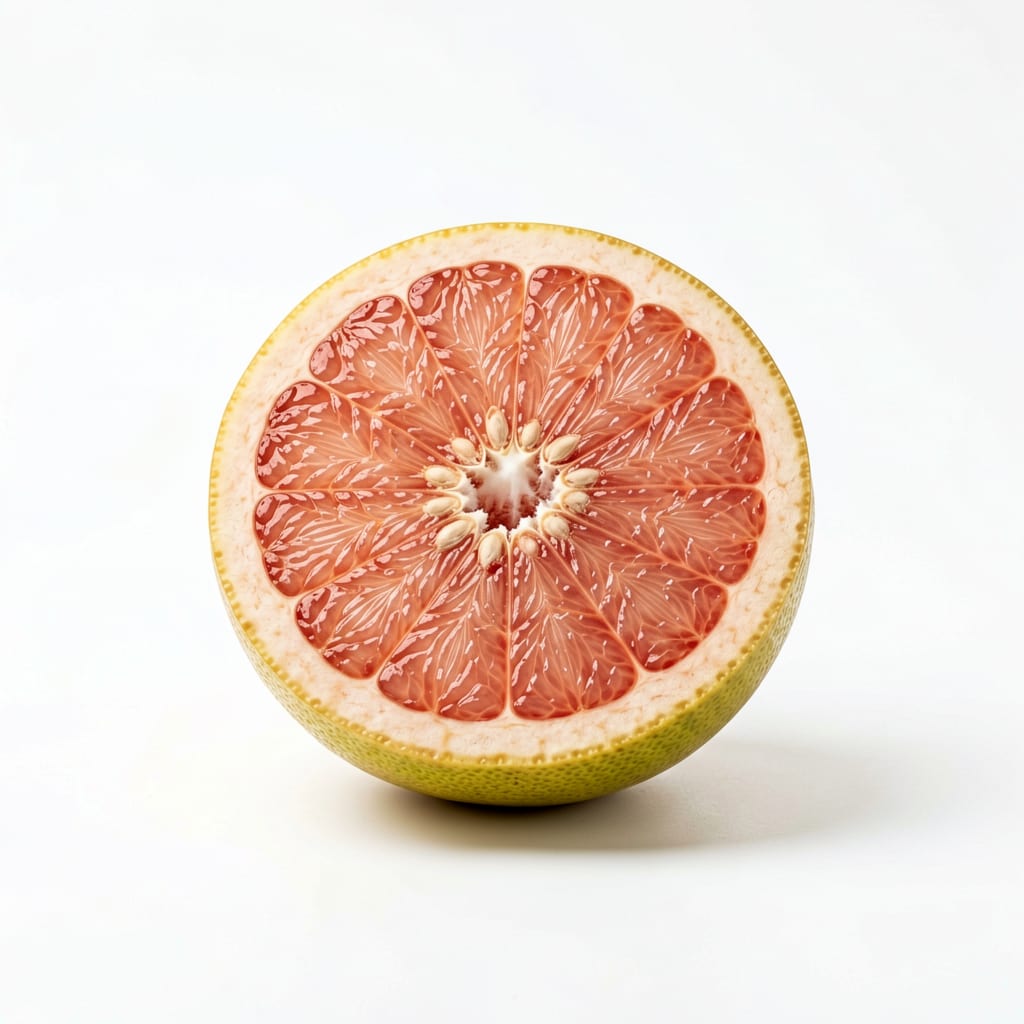
Grapefruit
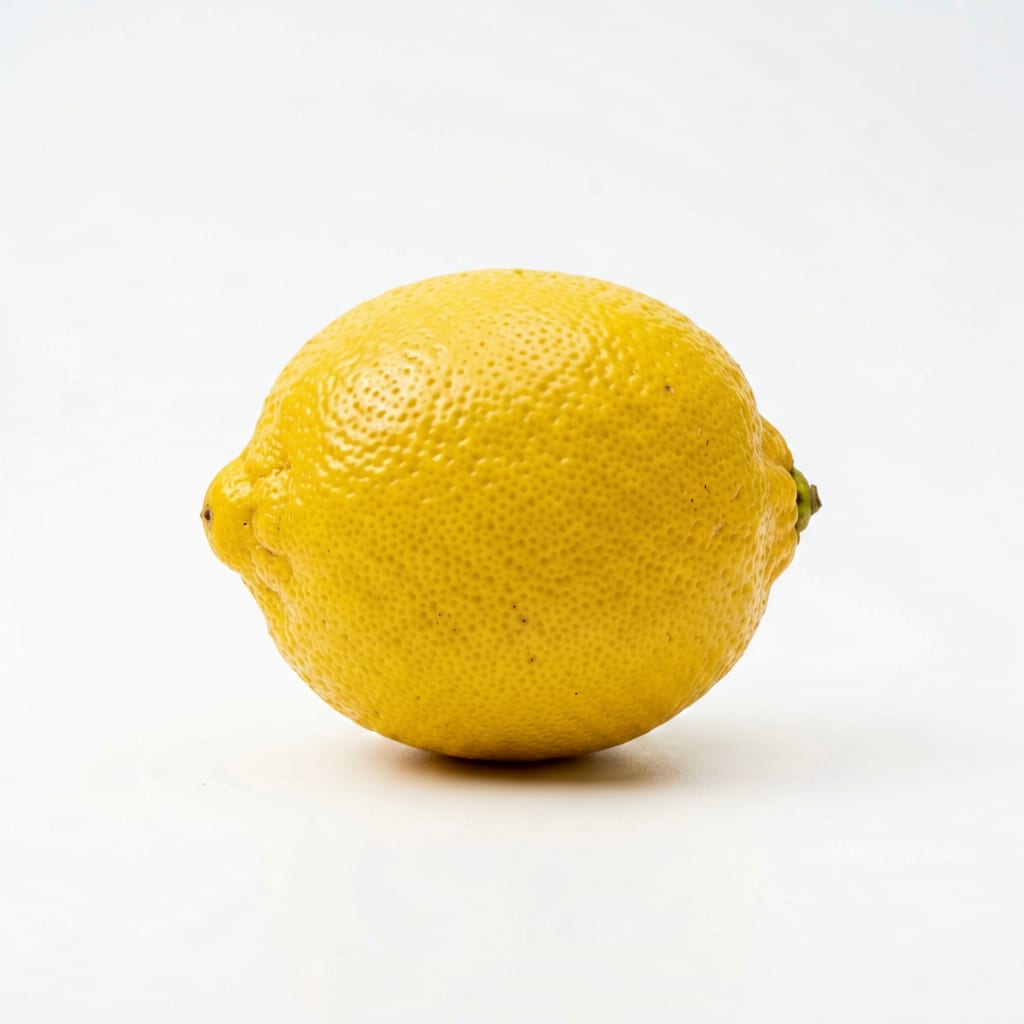
Lemon
Lemon is the safer, zero-sugar daily citrus choice, while Grapefruit offers a more filling snack with unique antioxidants but carries serious medication interaction risks.
Lemon scores higher primarily due to its unmatched versatility, zero sugar content, and absence of dangerous drug interactions, making it a safer staple for most people.
Grapefruit provides a satisfying, antioxidant-rich snack but risks dangerous drug interactions and adds sugar; Lemon delivers intense flavor and Vitamin C with zero sugar and no drug risks, but isn't typically eaten as a standalone food.
At a glance
Executive summary
Overall
Lemon
Healthier
Lemon
More practical
Lemon
Daily use
Lemon
Key comparison lenses
Understanding medication interaction risks
Grapefruit has severe, well-documented interactions with common medications, making this the most critical differentiator.
Comparing citrus fruits for daily health benefits and safety
Users often want to know which citrus fruit is better for immunity and daily routines, but safety drastically changes the answer here.
Choosing between a standalone snack fruit and a flavor enhancer
Grapefruit is eaten as a food, while Lemon is primarily used as a condiment or beverage additive, changing how they fit into a diet.
Best choice for
Grapefruit
- People not on medications wanting a filling, hydrating breakfast fruit
- Those seeking lycopene from red grapefruit varieties
Lemon
- People on statins or blood pressure medications
- Anyone wanting zero-calorie flavor enhancement for water or meals
Least suitable for
Grapefruit
- People taking prescription medications
- Those strictly limiting fruit sugar
Lemon
- People looking for a filling, standalone snack
- Those with severe acid reflux who consume it undiluted
Deep comparison
Dimension by dimension
Each lens scores both foods and breaks down who each option suits.
- Dimension 1 · Priority 90Lemon
Vitamin C & Antioxidant Density
Grapefruit · 75Lemon · 88Lemon packs more Vitamin C per gram, while Grapefruit offers different antioxidants like lycopene in red varieties.
Tradeoff
You get more immune-boosting Vitamin C from Lemon per calorie, but Grapefruit provides unique antioxidants that Lemon lacks.
Why it matters
If you want maximum micronutrient density without extra calories, Lemon is more efficient.
Real-world impact
Squeezing a Lemon into your water gives you over half your daily Vitamin C with almost no calories, whereas eating half a Grapefruit gives you about two-thirds but with 40+ calories.
Grapefruit
- Accessing lycopene for heart health
- Getting a broader range of flavonoids alongside calories
Better for
- Lower Vitamin C density compared to Lemon
Worse for
Lemon
- Maximizing Vitamin C intake per calorie
- Getting a potent antioxidant dose in a zero-calorie format
Better for
- Missing out on the specific lycopene benefits found in pink Grapefruit
Worse for
- Dimension 2 · Priority 85Lemon
Sugar & Caloric Impact
Grapefruit · 60Lemon · 95Lemon is practically sugar-free, while Grapefruit contains enough natural sugar to impact low-carb diets.
Tradeoff
Grapefruit offers satisfying sweetness and bulk, but Lemon gives you pure citrus flavor without any blood sugar spike.
Why it matters
For managing weight or blood sugar, the difference between 1g and 9g of sugar per serving is significant.
Real-world impact
Adding Lemon to your water won't spike your blood sugar at all, making it perfect for steady energy, while a Grapefruit might cause a small insulin response.
Grapefruit
- Providing actual food energy for a morning meal
- Satisfying a sweet craving with whole fruit
Better for
- Not ideal for strict low-carb or keto lifestyles
Worse for
Lemon
- Strict keto or zero-sugar diets
- Flavoring food without adding calories
Better for
- Cannot serve as a standalone energy source
Worse for
- Dimension 3 · Priority 100Lemon
Medication Safety & Interactions
Grapefruit · 15Lemon · 95Grapefruit severely interacts with dozens of common medications, while Lemon is generally safe.
Tradeoff
Grapefruit's unique compounds block an enzyme in your gut that breaks down drugs, leading to dangerously high medication levels in your blood.
Why it matters
This is a safety issue, not just a nutrition preference. Grapefruit can turn a normal dose of statins or blood pressure meds into an overdose.
Real-world impact
If you take statins for cholesterol, eating Grapefruit can cause muscle damage and liver strain. Lemon has no such effect and is safe to consume with medications.
Grapefruit
- Dangerous interaction with statins, blood pressure drugs, and anti-anxiety meds
Worse for
Lemon
- Safe consumption alongside prescription medications
- Peace of mind for older adults or those with chronic conditions
Better for
- Dimension 4 · Priority 80Lemon
Culinary Versatility & Practicality
Grapefruit · 45Lemon · 92Lemon is a universal flavor enhancer for drinks, savory meals, and desserts, while Grapefruit is mostly limited to breakfast or standalone snacking.
Tradeoff
You can use Lemon all day in cooking and hydration, whereas Grapefruit is a situational food.
Why it matters
A food you can easily integrate into multiple meals provides more daily health benefit than one you only eat occasionally.
Real-world impact
You can squeeze Lemon on salmon, in salad dressing, and in your water bottle, effortlessly boosting flavor and nutrition all day. Grapefruit is typically eaten alone at breakfast.
Grapefruit
- A quick, ready-to-eat snack requiring no preparation
Better for
- Very limited use in cooking
- Bitter flavor clashes with many dishes
Worse for
Lemon
- Replacing high-calorie dressings and sauces
- Encouraging higher water intake throughout the day
Better for
- Requires pairing with other foods or water to be palatable
Worse for
- Dimension 5 · Priority 70Grapefruit
Satiety & Snack Appeal
Grapefruit · 85Lemon · 20Grapefruit is a filling, hydrating food you can actually sit down and eat, while Lemon is just a garnish.
Tradeoff
If you want something to chew on that quiets your stomach, Grapefruit works. Lemon does not.
Why it matters
Satiety matters for weight management. A food that physically fills you up prevents overeating later.
Real-world impact
Eating half a Grapefruit in the morning can keep you full until lunch. Trying to eat a whole Lemon would be painful and impractical.
Grapefruit
- A substantial morning snack that curbs hunger
- Providing physical bulk in the stomach for fullness
Better for
Lemon
- Completely useless as a standalone snack for hunger control
Worse for
Timeline
Health impact over time
Short-term
Hours to days
Grapefruit
- Provides quick hydration and a light energy boost from natural sugars
- Can cause stomach upset if eaten on an empty stomach due to acidity
Lemon
- Instantly freshens water, encouraging better hydration
- Pure lemon juice can trigger heartburn in sensitive individuals
Long-term
Months to years
Grapefruit
- Lycopene in pink varieties supports heart health
- Risk of medication toxicity if consumed with certain drugs
Lemon
- Consistent Vitamin C intake supports immune resilience and skin health
- Citric acid helps prevent kidney stones by increasing urine volume and pH
Risk profile
Safety & processing
Both are whole, natural fruits with minimal processing. The main concern is pesticide residue on the peels, especially if you are zesting Lemon or using Grapefruit peel in cooking.
Grapefruit
Medication interaction
highInhibits CYP3A4 enzyme, causing dangerous accumulation of statins, blood pressure drugs, and immunosuppressants in the bloodstream.
Pesticide residue on peel
mediumConventional Grapefruit peels can hold pesticide residues; wash thoroughly if using the zest.
Lemon
Tooth enamel erosion
mediumFrequent consumption of straight lemon juice can wear down tooth enamel over time due to high acidity.
Pesticide residue on peel
mediumConventional Lemon peels often carry pesticides; buy organic if you plan to zest or steep the peel.
Who wins for whom
Audience fit
Same foods, different winners depending on your goal.
children
GrapefruitGrapefruit is an actual food a child can eat for a snack, while Lemon is far too sour to be eaten alone and is usually just a flavoring in their diet.
daily consumption
LemonLemon is safer, easier to integrate into daily hydration, and carries no drug interaction risks, making it a better daily staple.
diabetes
LemonLemon has essentially zero sugar and will not spike blood glucose, making it completely safe for diabetics.
elderly
LemonOlder adults are the most likely demographic to be on statins or blood pressure medications, making Grapefruit a risky choice and Lemon a safe alternative.
muscle gain
It dependsNeither is a significant protein source. Grapefruit offers slightly more carbs for post-workout glycogen, but both are irrelevant for muscle building directly.
weight loss
LemonLemon adds zero-calorie flavor to water and meals, making dieting more enjoyable without sugar, whereas Grapefruit adds calories and sugar.
Your move
Decision guide
Choose Grapefruit
- You want a hydrating, filling breakfast fruit
- You are not taking any prescription medications
- You want the specific antioxidant benefits of red grapefruit
Choose Lemon
- You take statins, blood pressure meds, or other prescription drugs
- You want zero-sugar flavor for water, tea, or cooking
- You are managing diabetes or strict low-carb diets
Either works if
- You just want a hit of Vitamin C and citrus flavor
- You are looking to add acidity to a marinade or dressing
Avoid both if
- You have severe acid reflux or GERD and are currently experiencing a flare-up
- You have active mouth ulcers or oral sensitivity
Final recommendation
Default to Lemon for daily use. It is the safest, most versatile citrus you can consistently add to your diet without worrying about sugar or medication clashes. Save Grapefruit for an occasional breakfast treat, but only if you are certain your medications allow it.
Practical
Consumer tips
- 1
Always check your medication labels for grapefruit warnings; when in doubt, ask your pharmacist.
- 2
Use lemon juice on salads and vegetables instead of high-calorie dressings to save hundreds of calories a week.
- 3
If eating Grapefruit, choose pink or red varieties over white to get the heart-healthy lycopene benefit.
- 4
Rinse your mouth with plain water after drinking lemon water to protect your tooth enamel from acid erosion without brushing.
- 5
Buy organic Lemons if you plan to zest the peel or drop slices into your water, as conventional peels carry heavy pesticide residues.