
Nutrition comparison
Grapefruit vs Tangerine: Which is Healthier for Weight Loss and Meds?
Compare Grapefruit and Tangerine to see which citrus is better for weight loss, diabetes, and daily snacking. Learn about the critical medication risks of Grapefruit.
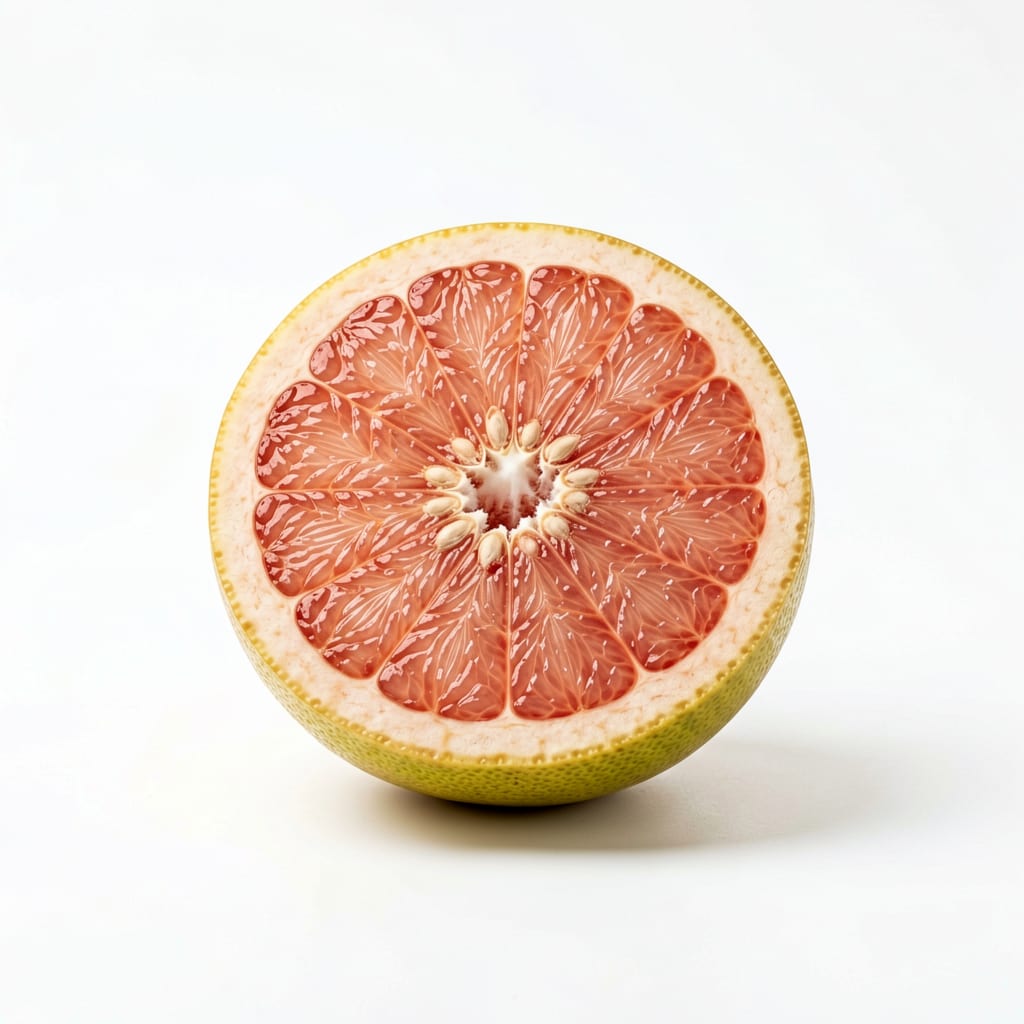
Grapefruit
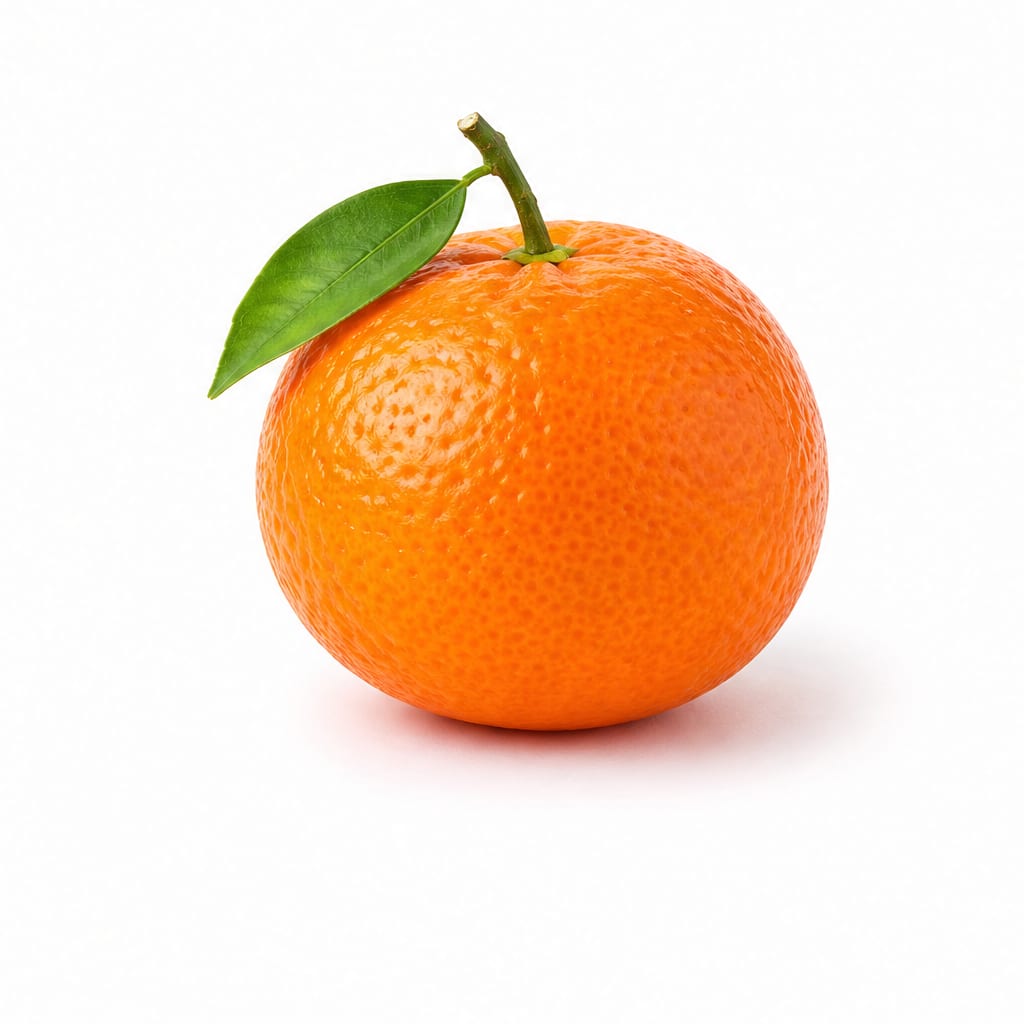
Tangerine
Grapefruit is the better choice for metabolic health and low-sugar diets, but Tangerine wins for everyday convenience and medication safety.
Tangerine scores slightly higher overall because its safety profile and convenience make it a more sustainable daily choice. Grapefruit is nutritionally superior per calorie, but its medication risks and prep hassle limit its everyday practicality.
You trade the lower sugar and weight-loss edge of Grapefruit for the grab-and-go ease and medication safety of Tangerines.
At a glance
Executive summary
Overall
It depends
Healthier
Grapefruit
More practical
Tangerine
Daily use
Tangerine
Key comparison lenses
Medication safety and drug interactions
Grapefruit has severe interactions with many common medications, which is the most critical differentiator for many adults.
Blood sugar control and weight management
Grapefruit is significantly lower in sugar and calories, making it a classic weight-loss food compared to the sweeter Tangerine.
Convenience and eating experience
Tangerines are easy to peel and eat on the go, while Grapefruit requires utensils and prep time.
Best choice for
Grapefruit
- People managing diabetes or watching their blood sugar
- Those actively trying to lose weight
- Individuals not taking prescription medications
Tangerine
- Busy people needing a quick, portable snack
- Older adults or anyone taking daily prescription drugs
- Kids who prefer sweet, easy-to-eat fruit
Least suitable for
Grapefruit
- Anyone taking statins, blood pressure meds, or anxiety drugs
- People who dislike bitter flavors
- Those needing a quick on-the-go snack
Tangerine
- People strictly limiting fruit sugar intake
- Those looking for a very low-calorie snack
Deep comparison
Dimension by dimension
Each lens scores both foods and breaks down who each option suits.
- Dimension 1 · Priority 95Tangerine
Medication Safety
Grapefruit · 25Tangerine · 98Grapefruit contains furanocoumarins that block an enzyme in your gut, causing many common medications to build up to dangerous levels in your blood. Tangerines lack this compound and are safe to eat with almost all drugs.
Tradeoff
Grapefruit offers unique liver-detoxifying enzymes, but the risk of accidentally mixing it with medication makes Tangerine the safer default for most adults.
Why it matters
If you take statins, blood pressure meds, or anti-anxiety drugs, eating Grapefruit can turn a normal dose into an overdose.
Real-world impact
You can toss a Tangerine in your work bag without checking your medicine cabinet first. Eating Grapefruit requires careful verification of your prescriptions.
Grapefruit
- People on zero prescription medications
Better for
- Statins users facing risk of muscle breakdown
- People on blood pressure medication risking dangerously low blood pressure
Worse for
Tangerine
- Anyone taking daily prescription drugs
- Older adults managing multiple health conditions
Better for
- Dimension 2 · Priority 90Grapefruit
Blood Sugar and Weight Management
Grapefruit · 88Tangerine · 68Grapefruit has roughly half the sugar of a Tangerine and a lower glycemic load, making it much steadier for blood sugar and weight loss.
Tradeoff
You get better metabolic control with Grapefruit, but Tangerine provides quicker energy and feels more satisfying if you have a sweet tooth.
Why it matters
Lower sugar fruit prevents the afternoon energy crash and keeps insulin levels stable, which is crucial for fat loss.
Real-world impact
Eating half a Grapefruit with breakfast will not spike your blood sugar, while a Tangerine gives a quicker, sweeter energy boost that might leave you hungrier sooner.
Grapefruit
- People with insulin resistance or prediabetes
- Those counting calories for weight loss
Better for
- Those who find low-sugar fruit unsatisfying and end up snacking more later
Worse for
Tangerine
- Athletes needing fast-digesting carbs before a workout
Better for
- People trying to curb sugar cravings
- Those on strict keto or low-carb diets
Worse for
- Dimension 3 · Priority 85Tangerine
Convenience and Eating Experience
Grapefruit · 45Tangerine · 95Tangerines are nature's perfect pocket snack—easy to peel, mess-free, and instantly ready. Grapefruit requires a knife, a spoon, and tolerance for bitter membranes.
Tradeoff
Grapefruit's effort can be a mindful eating perk that slows you down, but Tangerine's convenience means you will actually reach for it more often.
Why it matters
The healthiest food is the one you actually eat. If a fruit is too much work, it often gets skipped.
Real-world impact
You can peel and eat a Tangerine while driving or walking. Grapefruit is a sit-down meal that leaves sticky juice on your hands and cutting board.
Grapefruit
- People who use mealtime as a mindful eating break
Better for
- Anyone short on time in the morning
Worse for
Tangerine
- Commuters needing a quick breakfast
- Parents packing school lunches
- Office workers wanting a desk snack
Better for
- Those who want a filling, sit-down breakfast
Worse for
- Dimension 4 · Priority 75Grapefruit
Micronutrient Density
Grapefruit · 85Tangerine · 78Grapefruit packs more vitamin C and antioxidants per calorie, especially lycopene in red varieties. Tangerines offer more vitamin A and are slightly richer in certain B vitamins.
Tradeoff
Grapefruit gives you more nutrients per bite, but Tangerines still easily meet your daily vitamin C needs with a sweeter taste.
Why it matters
Lycopene supports heart health and fights inflammation, while vitamin A from Tangerines boosts immune function and vision.
Real-world impact
Eating red Grapefruit gives your heart and immune system a stronger antioxidant shield, while Tangerines are better for skin and eye health.
Grapefruit
- People focused on heart health and inflammation reduction
Better for
- People who only eat white Grapefruit, which lacks lycopene
Worse for
Tangerine
- Those looking to boost eye and skin health
Better for
- Those needing maximum antioxidant power per calorie
Worse for
Timeline
Health impact over time
Short-term
Hours to days
Grapefruit
- Provides a refreshing, low-sugar energy boost
- Can cause stomach upset if eaten on an empty stomach due to high acidity
- Bitterness might suppress appetite temporarily
Tangerine
- Offers quick, sweet energy from natural sugars
- Very gentle on the stomach and easy to digest
- Satisfies sweet cravings without reaching for candy
Long-term
Months to years
Grapefruit
- Excellent for metabolic health and weight maintenance
- Dangerous medication accumulation if taken with interacting drugs
- Consistent antioxidant intake supports cardiovascular health
Tangerine
- Safe, consistent source of daily vitamin C with almost no risk
- Easier to sustain as a daily habit due to convenience
- Natural sugar content is still low enough to be healthy for most people
Risk profile
Safety & processing
Both Grapefruit and Tangerines are whole, unprocessed fruits straight from nature. The only concern is waxes or pesticides on the peel, which matters little since you discard the skin.
Grapefruit
Medication interaction
highFuranocoumarins in Grapefruit inhibit CYP3A4 enzymes, causing dangerous buildup of statins, blood pressure meds, and anti-anxiety drugs in the bloodstream.
Pesticide residue on peel
lowNon-organic Grapefruit often has pesticide residues on the rind, but this is irrelevant unless you zest the fruit or eat the peel.
Tangerine
Pesticide residue on peel
lowSimilar to Grapefruit, pesticides remain on the rind and do not transfer to the flesh unless the peel is cut into.
Choking hazard for very young children
lowThe segments and membranes can be a choking hazard for toddlers if not properly sectioned.
Who wins for whom
Audience fit
Same foods, different winners depending on your goal.
children
TangerineTangerines are sweet, easy to peel, and small enough for little hands, making them a kid-favorite lunchbox staple.
daily consumption
TangerineTangerine's lack of drug interactions and grab-and-go convenience makes it a safer, more reliable daily habit for most people.
diabetes
GrapefruitWith roughly half the sugar and a lower glycemic load, Grapefruit is much steadier on blood glucose levels.
elderly
TangerineOlder adults are the most likely to be on medications that interact with Grapefruit, making Tangerines the safer and easier choice.
muscle gain
TangerineTangerines offer slightly more quick-digesting carbohydrates that can provide fast energy right before a workout.
weight loss
GrapefruitGrapefruit has fewer calories, less sugar, and compounds that help stabilize blood sugar, making it a proven weight-loss ally.
Your move
Decision guide
Choose Grapefruit
- You want a low-sugar breakfast side that keeps you full longer
- You are actively cutting calories or managing insulin resistance
- You take zero prescription medications that interact with Grapefruit
- You enjoy bitter, tangy flavors over sweet ones
Choose Tangerine
- You need a portable, mess-free snack for work or travel
- You take any daily prescription medications
- You prefer sweet, easy-to-eat fruit that requires no utensils
- You are packing fruit for children
Either works if
- You just want a natural vitamin C boost to fight off a cold
- You are looking for a hydrating, whole-food snack
- You are not on any medications and have no strict sugar limits
Avoid both if
- You have a citrus allergy
- You suffer from severe acid reflux and need to avoid all acidic fruits
Final recommendation
Let your medicine cabinet decide. If you take daily prescriptions, stick with Tangerines for safety and convenience. If you are medication-free and focused on weight loss or blood sugar control, Grapefruit is the stronger metabolic tool.
Practical
Consumer tips
- 1
Always check your medication labels or ask your pharmacist before adding Grapefruit to your diet.
- 2
Choose red or pink Grapefruit over white to get the heart-protecting benefits of lycopene.
- 3
Peel Tangerines over a trash can or compost bin to avoid sticky juice spray on your clothes.
- 4
If Grapefruit is too bitter, try broiling half with a tiny drizzle of honey to caramelize the natural sugars.
- 5
Wash the peels of both fruits before cutting to prevent knife contamination from pesticide residues.