
Nutrition comparison
Grapefruit vs Avocado: Nutrition, Safety, and Health Comparison
Compare Grapefruit and Avocado for weight loss, heart health, and medication safety. Discover the nutritional tradeoffs and find out which fruit is right for you.
Overall winner · Avocado
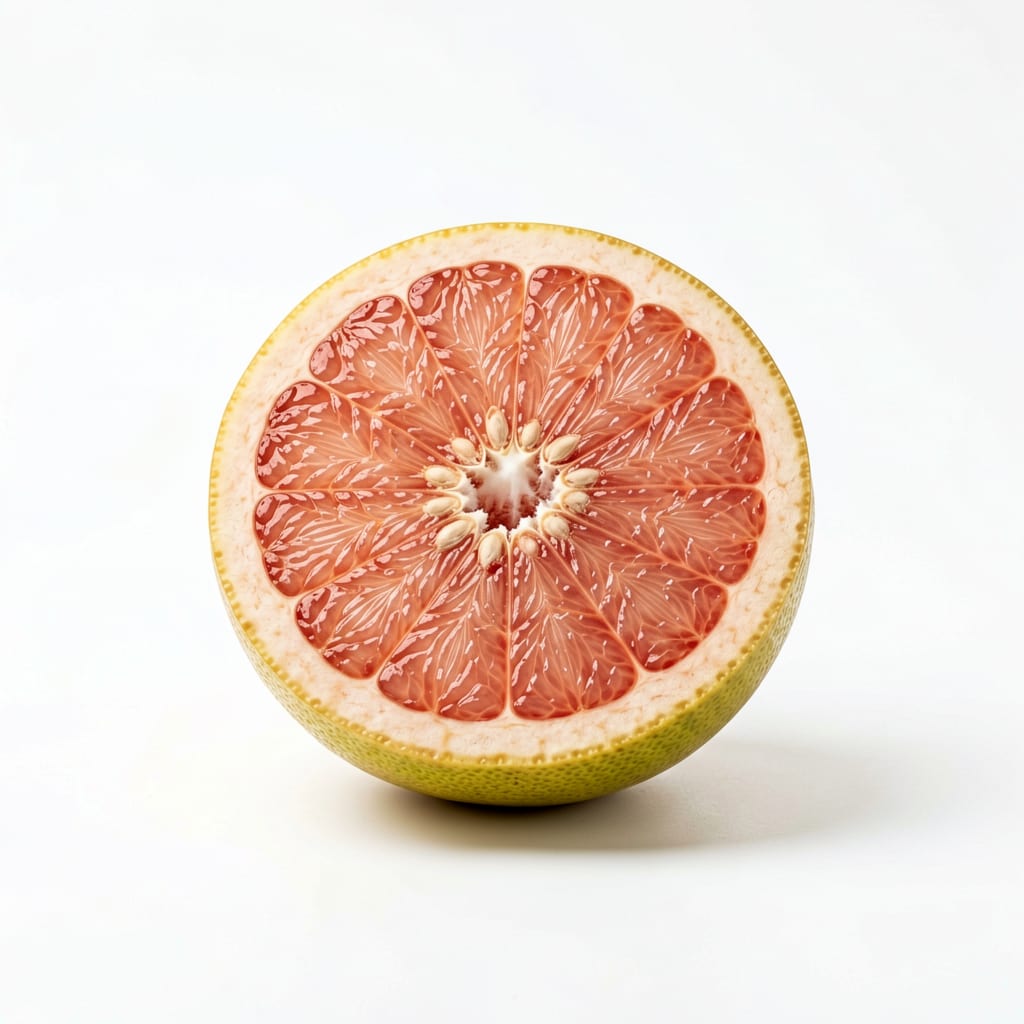
Grapefruit
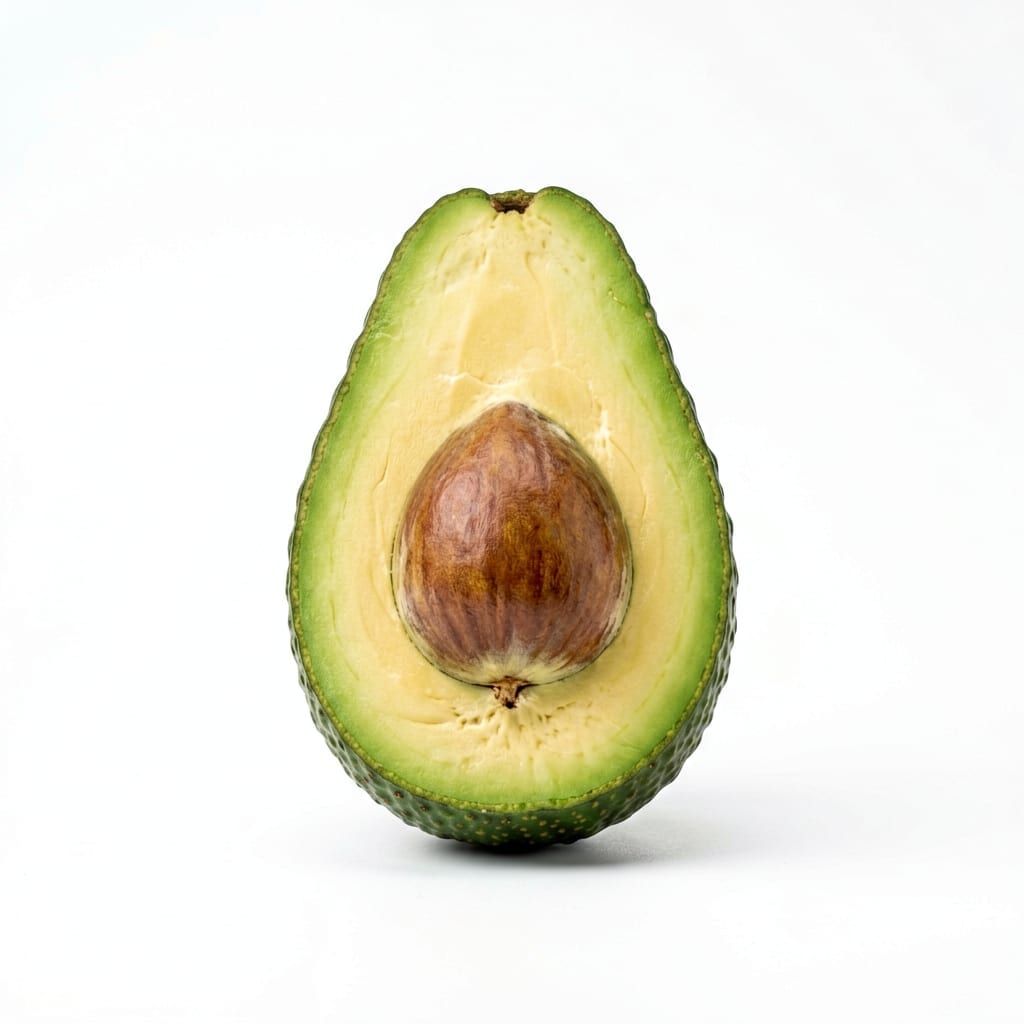
Avocado
Grapefruit is a refreshing, low-calorie vitamin C boost, but Avocado wins on sustained energy, heart-healthy fats, and medication safety.
Avocado scores higher due to superior satiety, a healthier fat profile, and zero medication interactions, though Grapefruit remains an excellent low-calorie option for the right person.
Light, hydrating, and low-calorie versus rich, filling, and nutrient-dense.
At a glance
Executive summary
Overall
Avocado
Healthier
Avocado
More practical
Avocado
Daily use
Avocado
Key comparison lenses
Medication safety and interactions
Grapefruit has severe interactions with common medications, which is the most critical safety differentiator between these two foods.
Weight management and caloric density
Grapefruit is a classic low-calorie diet food, while Avocado is calorie-dense but highly satiating, creating a fundamental weight-loss tradeoff.
Satiety and blood sugar control
Avocado provides sustained energy and fullness from fats and fiber, whereas Grapefruit offers a quick, light hydration hit.
Heart health and lipid profiles
Avocado is renowned for boosting HDL and lowering LDL, while Grapefruit offers antioxidants but lacks the healthy fat profile.
Best choice for
Grapefruit
- Low-calorie snacking and hydration
- Morning energy and digestion support
- Those strictly counting calories
Avocado
- Sustained fullness and blood sugar stability
- Heart-healthy and Mediterranean diets
- Keto or low-carb lifestyles
Least suitable for
Grapefruit
- People taking statins or blood pressure medications
- Those with severe acid reflux or GERD
- Individuals needing high caloric intake
Avocado
- Strict low-calorie or low-fat diets
- People with latex-fruit syndrome allergy
- Budget-conscious shoppers needing bulk calories
Deep comparison
Dimension by dimension
Each lens scores both foods and breaks down who each option suits.
- Dimension 1 · Priority 90Avocado
Satiety and Fullness
Grapefruit · 35Avocado · 95Avocado keeps you full for hours, while Grapefruit is a light snack that leaves you hungry soon after.
Tradeoff
You trade low calories for lasting fullness with Grapefruit, whereas Avocado costs more calories but prevents overeating later.
Why it matters
Foods that keep you full make it easier to stick to your diet without feeling deprived.
Real-world impact
Eating half an Avocado at lunch prevents the afternoon energy crash and vending machine cravings, while a Grapefruit might leave you reaching for a snack by 11 AM.
Grapefruit
- Light pre-workout hydration
- Refreshing palate cleanser
Better for
- Sustained physical activity
- Going long stretches between meals
Worse for
Avocado
- Preventing late-night snacking
- Surviving long meetings without hunger
Better for
- Eating right before intense exercise
- Light late-night snacking
Worse for
- Dimension 2 · Priority 85Grapefruit
Caloric Efficiency and Weight Management
Grapefruit · 90Avocado · 65Grapefruit allows massive volume eating for few calories, while Avocado requires strict portion control.
Tradeoff
Grapefruit lets you eat a large volume with minimal caloric impact, but Avocado's fats help regulate appetite hormones.
Why it matters
If you are strictly counting calories, volume eating can be psychologically easier, but healthy fats sustain the diet long-term.
Real-world impact
You can eat an entire Grapefruit for under 100 calories, but mindlessly eating an entire Avocado can easily add 300+ calories to your day.
Grapefruit
- Volume eating on a cut
- Satisfying sweet cravings cheaply
Better for
- Getting enough calories for muscle gain
Worse for
Avocado
- Appetite hormone regulation
- Reducing sugar cravings
Better for
- Mindless snacking while watching TV
Worse for
- Dimension 3 · Priority 95Avocado
Medication Safety and Interactions
Grapefruit · 15Avocado · 100Grapefruit dangerously interacts with dozens of common medications, while Avocado is completely safe.
Tradeoff
Grapefruit offers unique antioxidants but carries a hidden risk for millions of people on standard prescriptions.
Why it matters
Drug interactions can cause toxic buildup of medications in your blood, leading to severe health emergencies.
Real-world impact
If you take a statin for cholesterol, eating Grapefruit can cause muscle breakdown and kidney damage. Avocado has zero such risks.
Grapefruit
- Individuals on zero interacting medications
Better for
- Routine daily consumption for most adults over 40
Worse for
Avocado
- Anyone taking statins, blood pressure meds, or anti-anxiety drugs
- Older adults on multiple prescriptions
Better for
- Dimension 4 · Priority 80Avocado
Heart Health and Lipid Profile
Grapefruit · 70Avocado · 95Avocado actively improves your cholesterol numbers, while Grapefruit provides supportive antioxidants.
Tradeoff
Grapefruit offers fiber and vitamin C to protect blood vessels, but Avocado's monounsaturated fats directly lower bad cholesterol.
Why it matters
Directly improving your lipid profile has a massive impact on long-term cardiovascular disease risk.
Real-world impact
Adding Avocado to your meals regularly can visibly improve your bloodwork at your next checkup, while Grapefruit offers more general immune support.
Grapefruit
- Reducing arterial stiffness via antioxidants
Better for
- Providing the fats needed for hormone synthesis
Worse for
Avocado
- Lowering LDL cholesterol
- Increasing HDL cholesterol
Better for
- Dimension 5 · Priority 75It depends
Micronutrient Density
Grapefruit · 85Avocado · 85Grapefruit dominates in vitamin C, while Avocado delivers massive amounts of potassium, folate, and vitamin K.
Tradeoff
You choose between immune-boosting water-soluble vitamins and cell-building fat-soluble vitamins.
Why it matters
Different vitamins support entirely different systems in the body, from skin health to bone density.
Real-world impact
Grapefruit helps you fight off a cold, while Avocado helps your muscles recover from cramps and supports brain function.
Grapefruit
- Immune system support
- Collagen production for skin
Better for
- Meeting daily potassium needs
Worse for
Avocado
- Electrolyte balance and cramp prevention
- Brain health and fetal development
Better for
- Boosting vitamin C during illness
Worse for
Timeline
Health impact over time
Short-term
Hours to days
Grapefruit
- Quick hydration and a burst of refreshing energy
- May trigger heartburn or acid reflux on an empty stomach
Avocado
- Immediate feeling of fullness and stabilized blood sugar
- Can feel heavy if eaten in large quantities before physical activity
Long-term
Months to years
Grapefruit
- Supports immune health and weight maintenance
- Poses serious risks of drug toxicity if combined with interacting medications
Avocado
- Promotes cardiovascular health and improves cholesterol ratios
- Excessive intake without portion control can lead to gradual weight gain
Risk profile
Safety & processing
Both Grapefruit and Avocado are whole, natural foods typically eaten raw with zero additives, making them equally excellent choices for avoiding ultra-processed diets.
Grapefruit
Medication interactions (CYP450 inhibition)
highGrapefruit blocks an enzyme that breaks down over 50 medications, including statins and blood pressure drugs, potentially causing toxic drug levels in the blood.
Gastrointestinal discomfort
mediumThe high acidity can aggravate ulcers, GERD, and acid reflux, especially when consumed first thing in the morning.
Avocado
Latex-fruit syndrome allergy
mediumIndividuals allergic to latex may experience cross-reactive allergic responses to Avocado, ranging from mild mouth itching to anaphylaxis.
Caloric overconsumption
lowBecause it is nutrient-dense and delicious, it is easy to overeat Avocado, which can unintentionally push you into a caloric surplus.
Who wins for whom
Audience fit
Same foods, different winners depending on your goal.
children
AvocadoAvocado is a staple for kids due to its mild flavor, creamy texture, and brain-supporting healthy fats, while Grapefruit's bitterness and acidity often make it unpopular with children.
daily consumption
AvocadoAvocado can be safely eaten daily without worrying about drug interactions or acid erosion, offering consistent heart and brain benefits.
diabetes
AvocadoAvocado contains virtually zero sugar and high fiber, preventing glucose spikes entirely, whereas Grapefruit contains natural sugars that cause a mild insulin response.
elderly
AvocadoOlder adults are far more likely to be on medications that interact dangerously with Grapefruit, making Avocado a much safer daily choice.
muscle gain
AvocadoAvocado provides the dense calories and healthy fats necessary for hormone production, including testosterone, which supports muscle growth.
weight loss
GrapefruitGrapefruit is extremely low in calories and high in water, making it easier to fit into a strict calorie deficit, though Avocado provides better satiety.
Your move
Decision guide
Choose Grapefruit
- You want a light, low-calorie snack to satisfy sweet cravings
- You need a morning hydration boost and vitamin C
- You are on zero interacting medications and want a refreshing treat
Choose Avocado
- You need lasting fullness to avoid overeating later in the day
- You want to actively improve your cholesterol and heart health
- You are taking statins, blood pressure meds, or other prescription drugs
Either works if
- You are looking to add whole, unprocessed fruits to your diet
- You need more potassium to prevent muscle cramps
Avoid both if
- You have severe gastrointestinal sensitivities to both high-acid and high-fat foods simultaneously
Final recommendation
Avocado is the safer, more versatile daily staple due to its healthy fats and lack of medication interactions. Choose Grapefruit as an occasional low-calorie treat if you are medication-free and want a refreshing, light snack.
Practical
Consumer tips
- 1
Always verify your medication labels for Grapefruit warnings before adding it to your breakfast routine.
- 2
Half an Avocado is usually the perfect portion to get the health benefits without overdoing calories.
- 3
Pair Grapefruit with a protein source like Greek yogurt to blunt the blood sugar impact and keep you full longer.
- 4
If Avocado is too expensive, look for it on sale and buy firm ones to ripen at home over a few days.