
Nutrition comparison
Grapefruit vs Apple: Which Fruit is Healthier for You?
Compare Grapefruit and Apple for weight loss, vitamins, and medication safety. Discover the crucial drug interactions of Grapefruit and why Apple might be the safer daily choice.
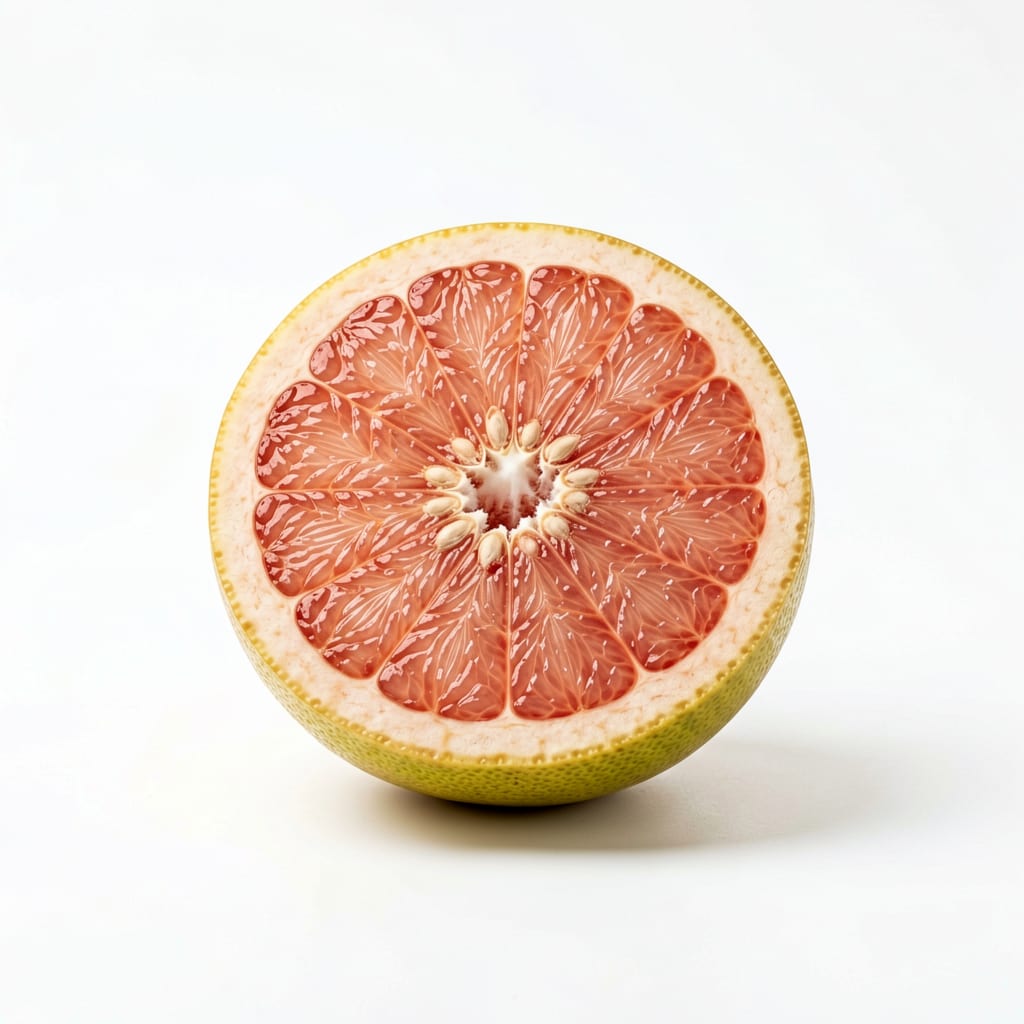
Grapefruit
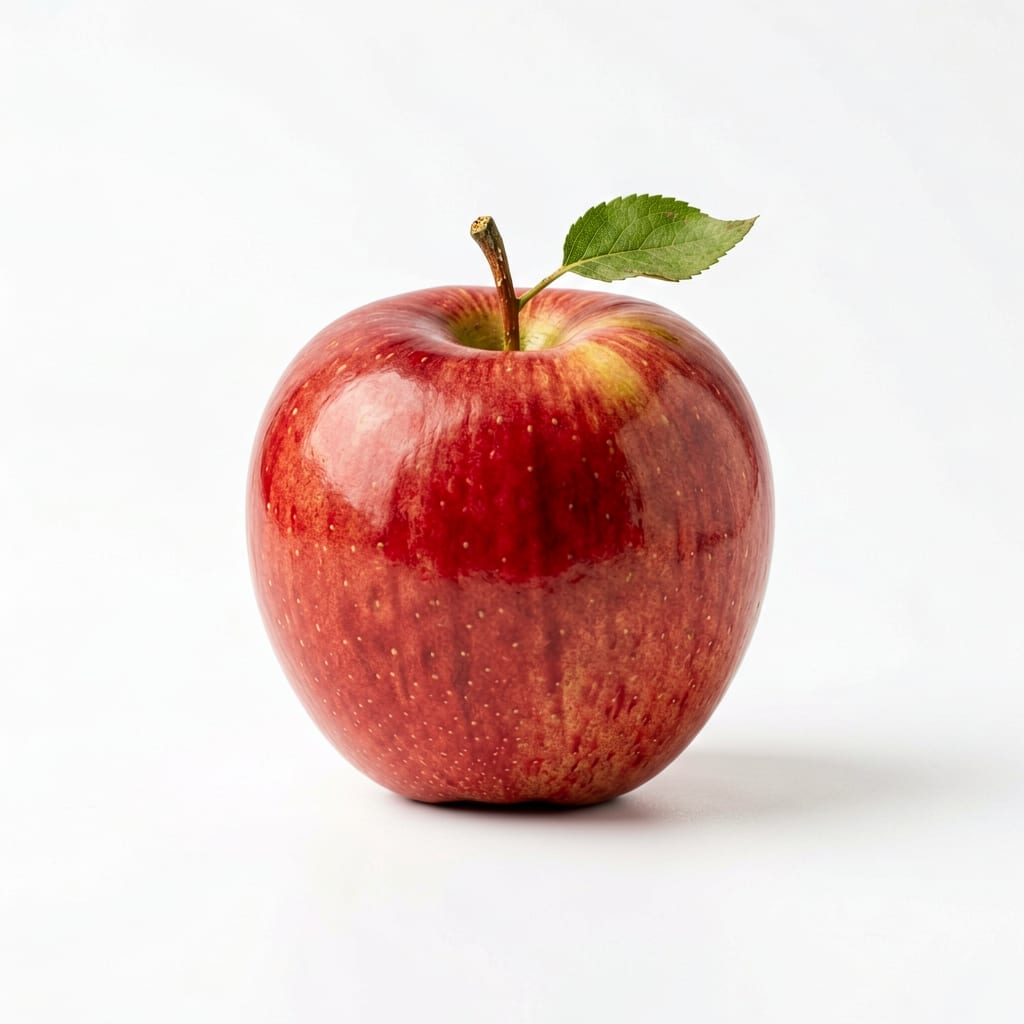
Apple
Grapefruit delivers a massive vitamin C boost and fewer calories, but Apple is safer, more filling, and easier to eat daily.
Apple scores higher overall due to its superior satiety, broader digestive tolerance, and lack of dangerous drug interactions. Grapefruit wins on specific nutrients like vitamin C but carries significant safety caveats.
High vitamin C and low calories versus medication safety and steady satiety.
At a glance
Executive summary
Overall
It depends
Healthier
It depends
More practical
Apple
Daily use
Apple
Key comparison lenses
Medication safety and drug interactions
Grapefruit has well-documented, severe interactions with many common medications, which is the most critical differentiator here.
Vitamin C and immune support
Grapefruit is a powerhouse for vitamin C, significantly outpacing apples, making it a go-to for immune boosting.
Satiety and blood sugar management
Apples provide more fiber and a steadier energy release, making them better for managing hunger and blood sugar spikes.
Digestive tolerance and acid reflux
Grapefruit's high acidity can trigger heartburn, whereas apples are generally gentler on the stomach.
Best choice for
Grapefruit
- Boosting immunity during cold season
- Low-calorie volume eating
- Morning energizing routines
Apple
- Sustained energy between meals
- On-the-go snacking without prep
- Safe eating while on prescription medications
Least suitable for
Grapefruit
- People taking statins or blood pressure meds
- Individuals with severe acid reflux or GERD
- Those sensitive to bitter flavors
Apple
- People strictly limiting daily carbohydrate intake
- Those wanting a very low-calorie volume snack
Deep comparison
Dimension by dimension
Each lens scores both foods and breaks down who each option suits.
- Dimension 1 · Priority 90Grapefruit
Vitamin C and Immunity
Grapefruit · 95Apple · 55Grapefruit provides nearly double the vitamin C of an apple, making it a stronger immune supporter.
Tradeoff
You get a major antioxidant boost with Grapefruit, but you must navigate its medication interaction risks.
Why it matters
Vitamin C is crucial for immune function and skin health, and Grapefruit delivers it efficiently.
Real-world impact
Eating half a Grapefruit in the morning covers most of your daily vitamin C needs, helping you fight off seasonal bugs.
Grapefruit
- Fighting off early cold symptoms
- Supporting collagen production for skin
Better for
- Those on immunosuppressants that interact with grapefruit
Worse for
Apple
- Maintaining baseline immunity without drug interaction worries
Better for
- Preventing scurvy or severe deficiency quickly
Worse for
- Dimension 2 · Priority 85Apple
Satiety and Fiber
Grapefruit · 60Apple · 90Apples are significantly more filling thanks to higher fiber content, especially pectin, which slows digestion.
Tradeoff
Apple keeps you full longer and stabilizes blood sugar, while Grapefruit provides fewer calories but less lasting satisfaction.
Why it matters
Better satiety means less snacking later, making it easier to manage weight without feeling deprived.
Real-world impact
An apple at 3 PM will likely hold you over until dinner; a Grapefruit might leave you hunting for another snack an hour later.
Grapefruit
- Light snacking before a heavy meal
Better for
- Curbing intense hunger
Worse for
Apple
- Bridging long gaps between meals
- Preventing afternoon energy crashes
Better for
- Eating right before a workout without feeling heavy
Worse for
- Dimension 3 · Priority 95Apple
Medication Safety
Grapefruit · 20Apple · 100Grapefruit severely interacts with dozens of common medications, while Apples are generally safe for everyone.
Tradeoff
Grapefruit's unique phytochemicals offer health benefits but inhibit a crucial digestive enzyme that processes many drugs.
Why it matters
Eating Grapefruit with certain medications can cause dangerously high drug levels in your blood.
Real-world impact
If you take a statin for cholesterol, eating Grapefruit can increase side effects like muscle pain or liver damage.
Grapefruit
- People on zero prescription medications
Better for
- Older adults who typically manage multiple health conditions with meds
Worse for
Apple
- Anyone taking statins, blood pressure meds, or anti-anxiety drugs
Better for
- Dimension 4 · Priority 70Apple
Digestive Tolerance
Grapefruit · 50Apple · 85Apples are gentle on the stomach for most people, whereas Grapefruit's high acidity often triggers heartburn.
Tradeoff
Grapefruit's tartness is refreshing but can irritate a sensitive gut, while Apples offer a milder, soothing alternative.
Why it matters
Acid reflux and GERD are common, and trigger foods can cause painful discomfort and disrupt sleep.
Real-world impact
Eating Grapefruit late in the day might cause nighttime heartburn, while an apple is less likely to cause issues.
Grapefruit
- Stimulating digestion first thing in the morning on a strong stomach
Better for
- Those with sensitive stomachs or ulcers
Worse for
Apple
- Evening snacking
- People prone to heartburn or GERD
Better for
Timeline
Health impact over time
Short-term
Hours to days
Grapefruit
- Quick hydration and refreshing energy
- Possible stomach irritation or heartburn
- Immediate vitamin C absorption
Apple
- Steady, sustained energy without a crash
- Noticeable feeling of fullness
- Gentle digestion
Long-term
Months to years
Grapefruit
- Enhanced immune resilience if eaten regularly
- Risk of medication toxicity if interactions are ignored
- Potential worsening of acid reflux over time
Apple
- Improved gut health and regularity from fiber
- Better weight management due to consistent satiety
- Stable blood sugar levels reducing metabolic risk
Risk profile
Safety & processing
Both are whole, raw fruits with minimal processing. The main concern is pesticide residue on conventional apple skins, which can be mitigated by buying organic or washing thoroughly.
Grapefruit
Medication interactions
highInhibits CYP3A4 enzyme, causing dangerous accumulation of statins, blood pressure drugs, and anxiety medications in the bloodstream.
Dental erosion
mediumHigh citric acid content can wear down tooth enamel over time if consumed excessively.
Apple
Pesticide residue
mediumApples consistently rank high on the Dirty Dozen list for pesticide residue; peeling or choosing organic reduces this risk.
Choking hazard
lowWhole apples are a choking risk for toddlers and elderly with swallowing difficulties; slicing is recommended.
Who wins for whom
Audience fit
Same foods, different winners depending on your goal.
children
AppleApples are sweeter, easier to digest, safer regarding medications, and more practical for lunchboxes, though they must be sliced to prevent choking.
daily consumption
AppleApples are a safer, more filling, and stomach-friendly option you can eat every day without checking a medication list.
diabetes
AppleApples have more fiber to slow sugar absorption, leading to a steadier blood sugar response compared to Grapefruit's faster sugar release.
elderly
AppleCrucial win for Apples due to the high likelihood of older adults taking medications that interact dangerously with Grapefruit.
muscle gain
AppleApples provide slightly more carbohydrates for workout energy and recovery, though neither is a primary muscle-building food.
weight loss
It dependsGrapefruit is lower in calories and has a high water content, but Apple's superior fiber content keeps you full longer, reducing overall calorie intake throughout the day.
Your move
Decision guide
Choose Grapefruit
- You want a major vitamin C boost
- You take zero prescription medications
- You prefer a light, low-calorie, refreshing snack
Choose Apple
- You need a filling snack to bridge long gaps between meals
- You take prescription medications, especially statins or blood pressure drugs
- You have acid reflux or a sensitive stomach
Either works if
- You just want a hydrating, whole-food snack and have no medical restrictions
- You are mixing fruits into a breakfast salad or yogurt bowl
Avoid both if
- You are on a strict very-low-carb or ketogenic diet
- You have a severe fructose intolerance
Final recommendation
Choose Apple for a safe, satisfying, everyday snack that fits seamlessly into any lifestyle. Opt for Grapefruit only if you are medication-free and specifically want a low-calorie vitamin C boost, but always verify your prescriptions first.
Practical
Consumer tips
- 1
Always check your medication labels for grapefruit interactions before adding it to your diet.
- 2
Eat apples with the skin on to get the maximum fiber and antioxidant benefit.
- 3
Pair either fruit with a handful of nuts or a spoonful of nut butter to blunt blood sugar spikes and increase satiety.
- 4
If Grapefruit is too tart, try sprinkling a tiny pinch of salt or cinnamon instead of sugar to enhance the natural flavor.
- 5
Wash apples thoroughly under running water to remove surface pesticide residues, or opt for organic.