
Nutrition comparison
Grapefruit vs Strawberries: Which Fruit Is Healthier for You?
Compare grapefruit and strawberries on sugar, medication safety, antioxidants, and weight loss. Learn which fruit fits your health goals and daily routine better.
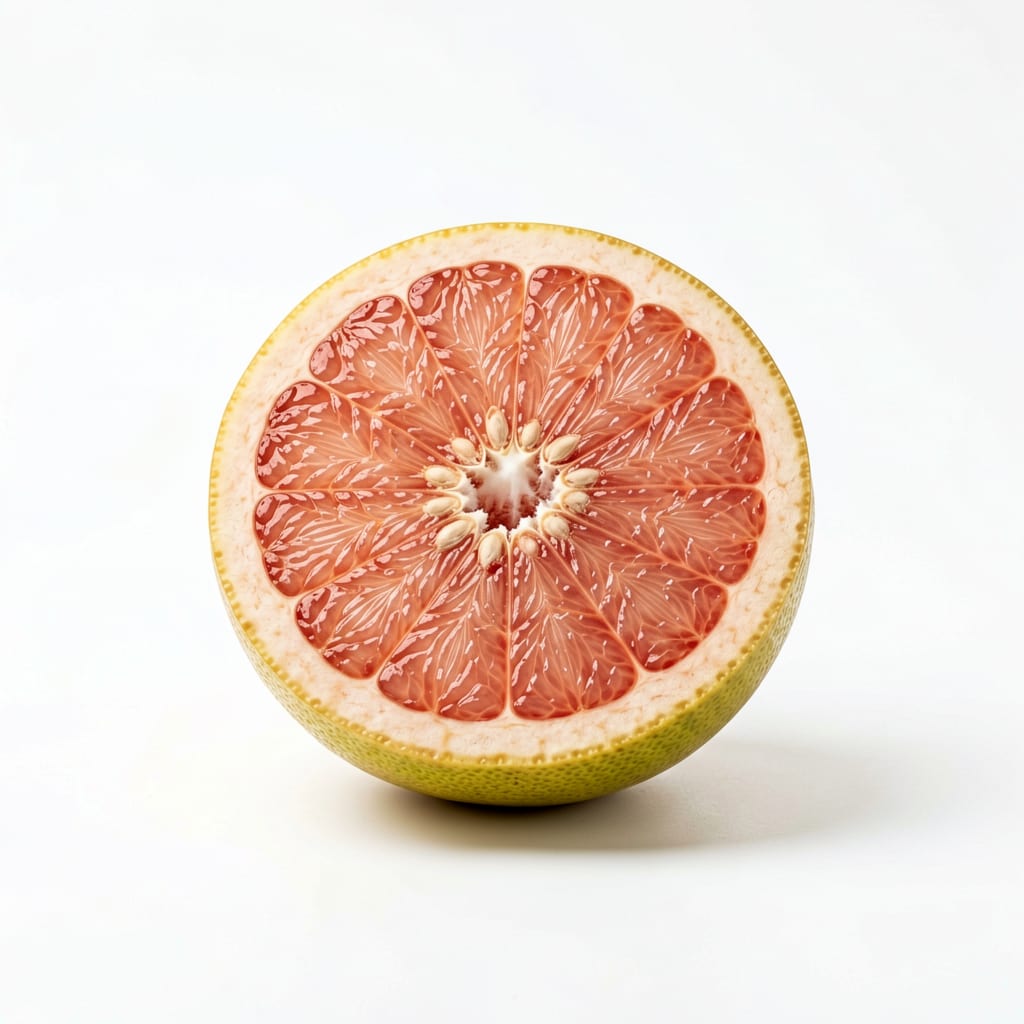
Grapefruit
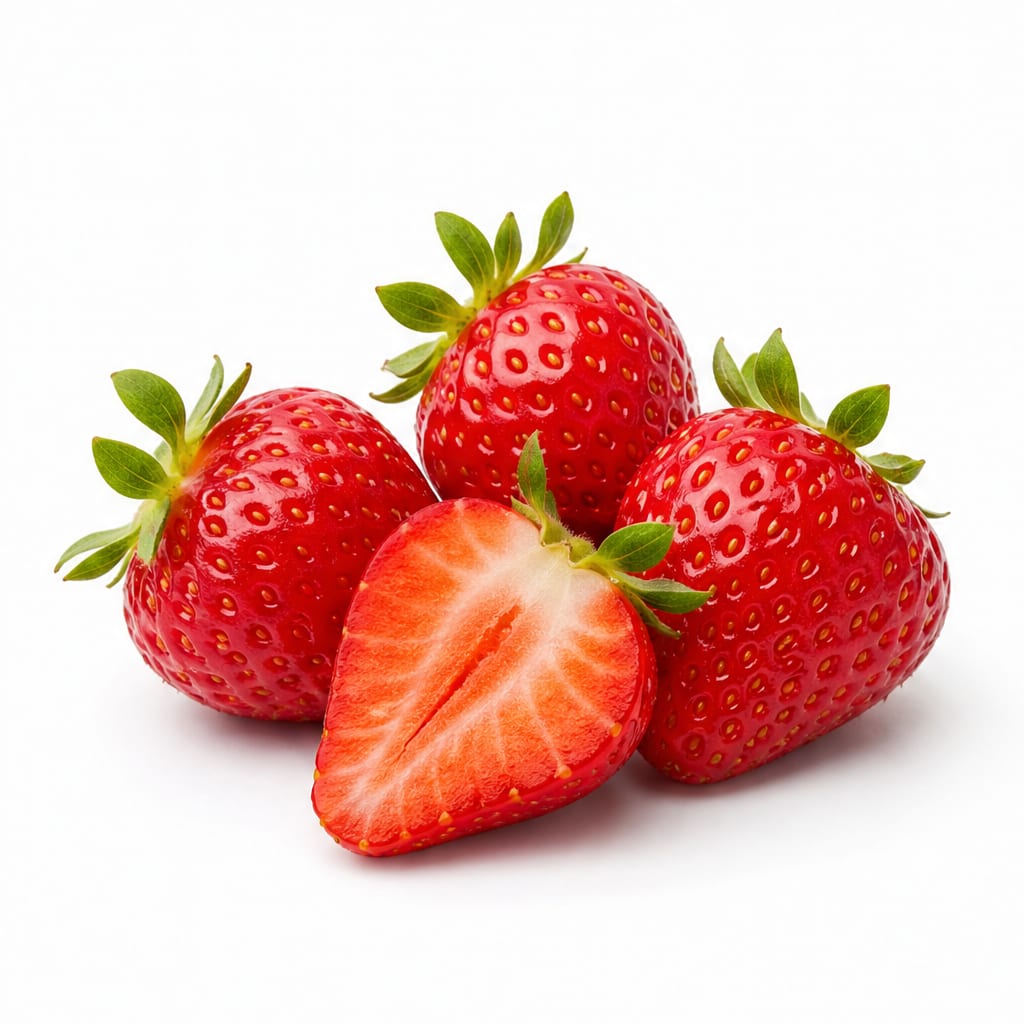
Strawberries
Strawberries win on safety and enjoyment, but grapefruit edges ahead for blood sugar control and weight loss if you take no interacting medications.
Strawberries score higher overall due to broader safety, superior versatility, and wider appeal. Grapefruit loses ground on medication risk and convenience but remains excellent for specific metabolic goals.
Grapefruit offers steadier blood sugar and fewer calories, but carries serious medication interaction risks that strawberries completely avoid.
At a glance
Executive summary
Overall
It depends
Healthier
It depends
More practical
Strawberries
Daily use
Strawberries
Key comparison lenses
medication safety awareness
Grapefruit has well-documented drug interactions that many users are unaware of, making this a critical safety differentiator
weight loss fruit selection
Both are popular low-calorie fruits for dieting, but their sugar and satiety profiles differ meaningfully
pesticide exposure concern
Strawberries consistently rank on the Dirty Dozen list while grapefruit's thick peel offers natural protection
antioxidant and immune support
Both are vitamin C powerhouses but through different flavonoid pathways, appealing to health-conscious consumers
everywhere snack convenience
Strawberries are grab-and-go; grapefruit requires cutting and peeling, affecting daily adherence
Best choice for
Grapefruit
- People on no interacting medications seeking lower sugar intake
- Those monitoring blood sugar closely
- Anyone wanting a bitter appetite suppressant before meals
- Dieters who enjoy tart flavors and find them satisfying
Strawberries
- Families with children who need appealing fruit options
- Anyone taking medications that interact with grapefruit
- People who want a versatile fruit for smoothies, desserts, and snacks
- Those prioritizing antioxidant variety and folate intake
Least suitable for
Grapefruit
- Anyone on statins, blood pressure meds, or anxiety medications
- Children who reject bitter flavors
- People seeking convenient on-the-go snacking
- Those with acid reflux or sensitive stomachs
Strawberries
- People strictly limiting fructose who want the lowest sugar option
- Those concerned about pesticide exposure who cannot afford organic
- Anyone seeking a pre-meal appetite suppressant effect
Deep comparison
Dimension by dimension
Each lens scores both foods and breaks down who each option suits.
- Dimension 1 · Priority 90Grapefruit
Blood Sugar Stability
Grapefruit · 88Strawberries · 72Grapefruit has significantly less sugar per serving and a lower glycemic impact, making it the steadier choice for energy.
Tradeoff
You get better blood sugar control with grapefruit but sacrifice the sweeter taste that makes strawberries more enjoyable to eat regularly.
Why it matters
Fewer sugar spikes mean less afternoon energy crashes and fewer cravings an hour later.
Real-world impact
Eating grapefruit with breakfast keeps hunger at bay longer; strawberries may leave you reaching for a snack sooner.
Grapefruit
- Prediabetics seeking lower sugar fruit
- Intermittent fasters breaking a fast gently
- Anyone who gets energy crashes from sweeter fruits
Better for
- Those who find tart fruit unsatisfying and overeat later
Worse for
Strawberries
- Post-workout when some quick sugar is actually beneficial
- Children who need palatable fruit to develop healthy habits
Better for
- Strict low-carb dieters counting every gram of sugar
Worse for
- Dimension 2 · Priority 95Strawberries
Medication Safety
Grapefruit · 35Strawberries · 98Grapefruit inhibits CYP3A4 enzymes, dangerously amplifying many common medications. Strawberries have no known drug interactions.
Tradeoff
Grapefruit's health benefits are real but irrelevant if you cannot safely consume it alongside your prescriptions.
Why it matters
Statins, blood pressure drugs, anti-anxiety meds, and immunosuppressants can all reach toxic levels when paired with grapefruit.
Real-world impact
A person on Lipitor eating grapefruit daily could experience muscle breakdown or liver damage without understanding why.
Grapefruit
- People on zero medications who have no interaction risk
Better for
- The estimated 20+ percent of adults taking interacting medications
Worse for
Strawberries
- Anyone on statins, beta-blockers, or SSRIs
- Older adults typically managing multiple prescriptions
- Anyone unsure about their medication interactions
Better for
- Dimension 3 · Priority 75It depends
Antioxidant Profile
Grapefruit · 80Strawberries · 82Grapefruit delivers naringenin and lycopene; strawberries provide anthocyanins and ellagic acid. Both are excellent but through different pathways.
Tradeoff
Neither fruit covers all antioxidant bases alone. Variety between them outperforms either one consumed exclusively.
Why it matters
Different antioxidants protect different systems: lycopene supports prostate health while anthocyanins support brain aging.
Real-world impact
Eating both across the week gives broader cellular protection than loading up on just one.
Grapefruit
- Men concerned about prostate health
- People wanting liver-protective naringenin
Better for
- Anyone missing out on anthocyanin benefits by skipping berries
Worse for
Strawberries
- Those focused on brain health and cognitive aging
- People wanting skin-protective ellagic acid
Better for
- Anyone missing lycopene benefits by skipping red grapefruit
Worse for
- Dimension 4 · Priority 80Grapefruit
Pesticide Exposure
Grapefruit · 90Strawberries · 45Grapefruit's thick rind blocks pesticide absorption into edible flesh. Strawberries are consistently on the EWG Dirty Dozen list with high residue levels.
Tradeoff
Grapefruit is safer regarding pesticides even when conventionally grown, while strawberries practically demand organic purchasing to avoid exposure.
Why it matters
Strawberries' soft skin and direct ground contact make them among the most contaminated fruits available.
Real-world impact
Budget-conscious shoppers can buy conventional grapefruit safely but should prioritize organic strawberries or risk significant pesticide intake.
Grapefruit
- Budget-limited shoppers who cannot afford organic
- Parents wanting lower pesticide exposure for children without premium prices
Better for
Strawberries
- Those with reliable access to organic strawberries
Better for
- Anyone eating conventional strawberries daily
Worse for
- Dimension 5 · Priority 82Strawberries
Taste and Daily Enjoyment
Grapefruit · 58Strawberries · 90Strawberries are sweet, universally liked, and easy to eat. Grapefruit is polarizing: loved by some, tolerated by many, avoided by most children.
Tradeoff
The best fruit for your health is the one you will actually eat consistently. Enjoyment drives adherence.
Why it matters
A fruit you dislike sits in the fridge and rots. A fruit you love gets eaten daily and actually delivers its benefits.
Real-world impact
Most people look forward to strawberries; grapefruit often feels like a chore or an acquired taste.
Grapefruit
- Those who genuinely enjoy bitter and tart flavors
- People who find sweetness triggers more sugar cravings
Better for
- Anyone forcing themselves to eat it for health while hating every bite
Worse for
Strawberries
- Children and picky eaters
- Anyone using fruit to replace dessert cravings
- People who want fruit to feel like a treat not a task
Better for
- Those who find sweet fruit triggers binge eating
Worse for
- Dimension 6 · Priority 70Strawberries
Convenience and Versatility
Grapefruit · 50Strawberries · 88Strawberries are ready to eat, blend smoothly, and work in both sweet and savory dishes. Grapefruit requires peeling, sectioning, and leaves messy waste.
Tradeoff
Grapefruit takes effort to prepare and has limited recipe uses. Strawberries fit into nearly any meal format effortlessly.
Why it matters
Inconvenient foods get skipped on busy days. Easy foods become daily habits.
Real-world impact
Throwing strawberries into yogurt takes five seconds; cutting a grapefruit takes minutes and sticky hands.
Grapefruit
- Those with leisurely mornings who enjoy ritual food preparation
Better for
- Commuters and anyone eating breakfast on the go
Worse for
Strawberries
- Busy professionals needing quick breakfast options
- Smoothie drinkers
- Anyone meal-prepping fruit portions for the week
Better for
Timeline
Health impact over time
Short-term
Hours to days
Grapefruit
- Can suppress appetite before meals due to bitter compounds and low sugar
- May cause stomach discomfort in sensitive individuals due to high acidity
- Provides quick hydration from high water content
Strawberries
- Delivers rapid gentle energy from natural sugars without a sharp crash
- Satisfies sweet cravings without turning to processed snacks
- Easy on digestion for most people
Long-term
Months to years
Grapefruit
- Naringenin may support liver function and healthy cholesterol over time
- Lycopene in red varieties offers cumulative cardiovascular protection
- Ongoing medication interactions could cause serious organ damage if undetected
Strawberries
- Anthocyanins accumulate to support cognitive health and memory with age
- Consistent vitamin C intake strengthens immune resilience over years
- Ellagic acid may reduce certain cancer risks through regular consumption
Risk profile
Safety & processing
Both are whole fruits with minimal processing when purchased fresh. The main concern is pesticide residues on conventional strawberries, not additives.
Grapefruit
Medication interaction
highInhibits CYP3A4 enzymes, causing dangerous accumulation of statins, blood pressure medications, immunosuppressants, and anti-anxiety drugs in the bloodstream
Acid erosion
mediumHigh citric acid content can erode tooth enamel over time, especially when consumed daily before brushing
Gastrointestinal discomfort
lowAcidity may aggravate acid reflux or sensitive stomachs, particularly when eaten on an empty stomach
Strawberries
Pesticide residue
highConsistently ranks in the top three of the EWG Dirty Dozen list with multiple pesticide residues detected on conventional samples
Mold and spoilage
mediumHighly perishable and prone to mold growth within days, which can produce mycotoxins if consumed
Allergic reaction
lowSome individuals experience oral allergy syndrome with strawberries, causing mouth itching or swelling
Who wins for whom
Audience fit
Same foods, different winners depending on your goal.
children
StrawberriesSweet taste and fun shape make strawberries an easy sell to kids; grapefruit's bitterness usually leads to rejection
daily consumption
StrawberriesStrawberries are easier to eat daily without safety concerns, taste fatigue, or preparation hassle
diabetes
GrapefruitLower sugar content and gentler glycemic impact make grapefruit safer for blood sugar management, provided no interacting medications are involved
elderly
StrawberriesNo medication interactions and softer texture make strawberries safer and more accessible for older adults managing multiple prescriptions
muscle gain
StrawberriesStrawberries provide slightly more post-workout carbohydrate for glycogen replenishment and pair better with protein-rich meals
weight loss
GrapefruitFewer calories per serving, less sugar, and bitter compounds that naturally suppress appetite make grapefruit a stronger weight loss tool
Your move
Decision guide
Choose Grapefruit
- You take no interacting medications and want maximum blood sugar control
- You enjoy tart flavors and find them satisfying rather than punishing
- You want a pre-meal appetite suppressant to reduce overall intake
- You are concerned about pesticide exposure and prefer a safer conventional option
Choose Strawberries
- You take any medications that could interact with grapefruit
- You want a fruit the whole family will actually eat and enjoy
- You blend smoothies or need versatile recipe ingredients
- You can access organic strawberries and want broad antioxidant benefits
Either works if
- You simply want more whole fruit in your diet and enjoy both
- You are rotating fruits weekly for nutrient diversity
- You have no medication concerns and no budget constraints on organic produce
Avoid both if
- You have a citrus allergy that includes grapefruit
- You are on a strict very-low-carb or ketogenic diet limiting all fruit sugar
- You have fructose intolerance that triggers symptoms from either fruit
Final recommendation
Eat strawberries most days for safety, enjoyment, and consistency. Add grapefruit occasionally when you want a lower-sugar option and have confirmed zero medication conflicts. The best long-term strategy is rotating both for broader antioxidant coverage, but strawberries should be your daily default.
Practical
Consumer tips
- 1
Always check your medication list against grapefruit interactions before eating it regularly, especially statins and blood pressure drugs
- 2
Buy organic strawberries when possible to avoid high pesticide exposure, or wash conventional ones thoroughly with a baking soda soak
- 3
Choose red or pink grapefruit over white varieties for the added lycopene benefit
- 4
Freeze strawberries at peak ripeness for smoothies and avoid the spoilage waste problem
- 5
Eat grapefruit before a meal rather than after to maximize its appetite-suppressing effect
- 6
Rotate both fruits across the week rather than picking just one to get the widest range of antioxidants