
Nutrition comparison
Grapefruit vs Banana: Which Fruit Is Better for Your Health Goals?
Compare Grapefruit and Banana on blood sugar impact, weight loss, convenience, drug interactions, and more. Find out which fruit fits your lifestyle and health needs.
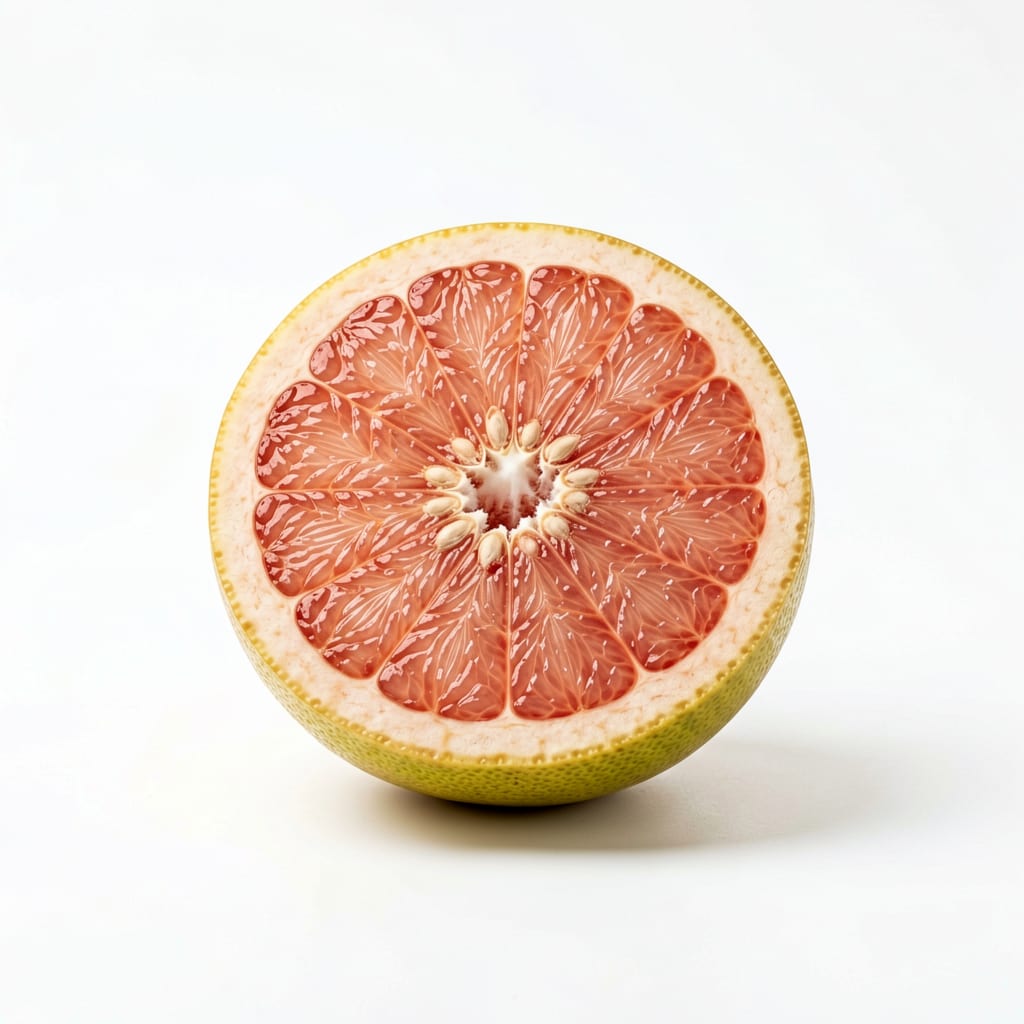
Grapefruit
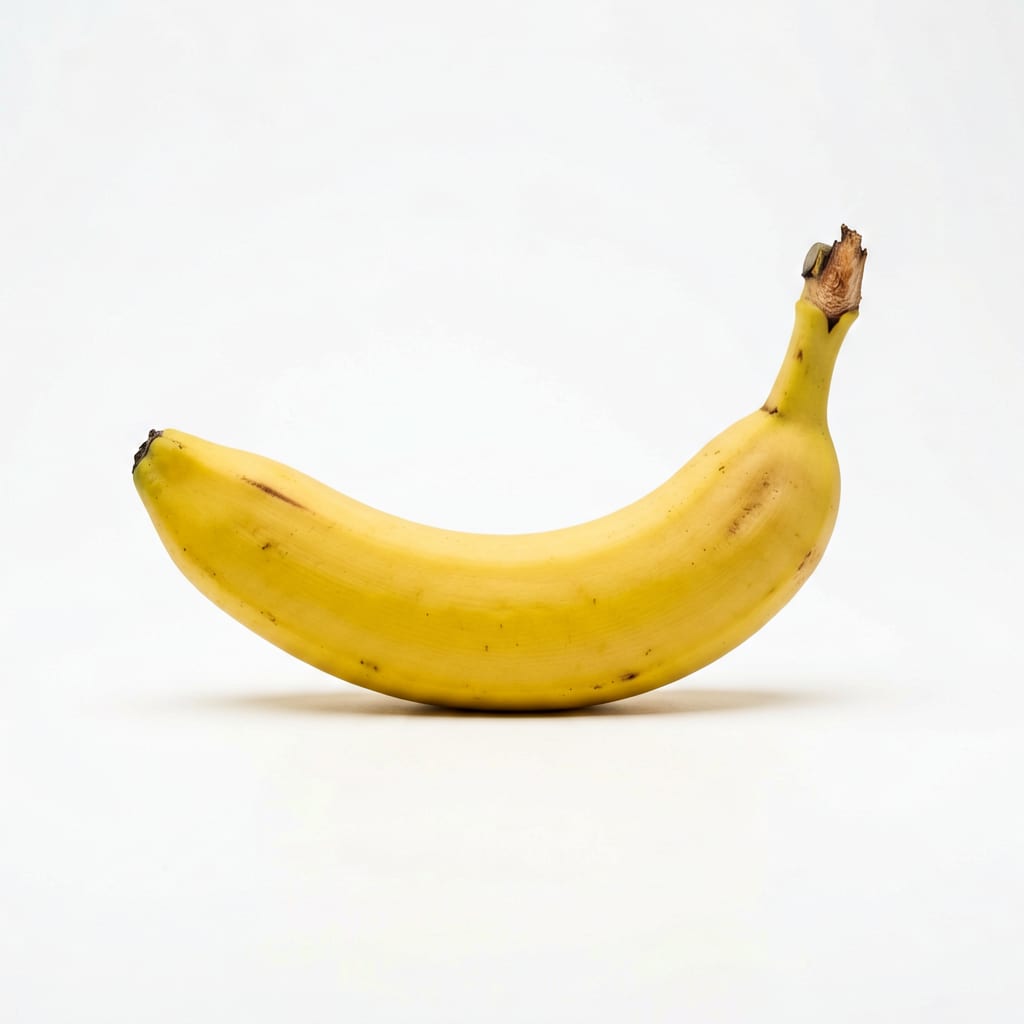
Banana
Grapefruit is the lighter, lower-sugar choice ideal for blood sugar control and weight loss. Banana is the convenient, filling, energy-rich option better for active lifestyles and busy schedules.
Banana edges ahead slightly due to superior convenience, satiety, and broader everyday usability. Grapefruit wins on blood sugar and calorie control but loses ground on drug interactions and practical limitations. Neither is universally better — the right pick depends entirely on your health context and lifestyle.
Grapefruit gives you fewer calories and steadier blood sugar but requires prep work and has serious drug interactions. Banana gives you quick energy and unmatched convenience but packs more sugar and spikes blood sugar faster.
At a glance
Executive summary
Overall
It depends
Healthier
It depends
More practical
Banana
Daily use
Banana
Key comparison lenses
blood sugar and glycemic impact
Grapefruit and Banana sit at opposite ends of the sugar and glycemic spectrum, making this the most consequential difference for most users
weight management and calorie density
Grapefruit is famously low-calorie while Banana is more calorie-dense and easier to overeat
convenience and portability
Banana is one of the most grab-and-go fruits available; Grapefruit requires cutting, peeling, and often creates a mess
drug interaction safety
Grapefruit has well-documented interactions with dozens of medications that many users may not be aware of
pre-workout or energy fuel
Banana is a classic quick-energy food; Grapefruit provides almost no rapid fuel
Best choice for
Grapefruit
- People watching their blood sugar closely
- Anyone counting calories or cutting sugar
- Those who want a light, refreshing snack that won't cause energy crashes
- People seeking high vitamin C intake
Banana
- Athletes or active people needing quick fuel
- Busy people who need a no-prep portable snack
- Anyone struggling to get enough potassium
- People with sensitive stomachs who need gentle, easy-to-digest food
Least suitable for
Grapefruit
- Anyone taking statins, blood pressure meds, or anxiety medications without checking interactions
- People who need quick pre-workout energy
- Anyone wanting a filling, satisfying snack on its own
Banana
- People managing diabetes or insulin resistance who need low-glycemic foods
- Anyone on a strict low-carb or keto diet
- People who tend to overeat sweet foods and want portion control
Deep comparison
Dimension by dimension
Each lens scores both foods and breaks down who each option suits.
- Dimension 1 · Priority 95Grapefruit
blood sugar stability
Grapefruit · 88Banana · 42Grapefruit has roughly half the sugar and a significantly lower glycemic load than Banana, making it far gentler on blood sugar.
Tradeoff
Grapefruit keeps blood sugar steady but won't give you the quick energy boost that Banana provides when you actually need fast fuel.
Why it matters
If you're managing diabetes, insulin resistance, or afternoon energy crashes, this difference is one of the most important factors in choosing between these two fruits.
Real-world impact
Eating a Banana on an empty stomach can cause a noticeable blood sugar spike followed by a dip within an hour. Grapefruit avoids this rollercoaster but won't rescue you from mid-run fatigue.
Grapefruit
- Steady energy without crashes
- Diabetes-friendly snacking
- Low-glycemic diet adherence
Better for
- Situations requiring rapid fuel
Worse for
Banana
- Quick carbohydrate replenishment after exercise
- Fast morning energy when you haven't eaten
Better for
- Blood sugar management
- Avoiding sugar cravings triggered by spikes
Worse for
- Dimension 2 · Priority 88Grapefruit
calorie density and weight management
Grapefruit · 90Banana · 58Half a Grapefruit has about 52 calories while a medium Banana has around 105. Grapefruit lets you eat a satisfying portion for half the caloric cost.
Tradeoff
Grapefruit is lighter on calories but also less filling on its own. Banana's higher calorie count comes with more satiety, which can prevent overeating later.
Why it matters
For weight loss, calorie density matters. But so does feeling satisfied enough to not reach for more food 30 minutes later.
Real-world impact
A Grapefruit half feels like a light appetizer. A Banana feels like an actual snack that holds you over. If you're counting calories strictly, Grapefruit wins. If you need something that actually tides you over, Banana may serve you better.
Grapefruit
- Strict calorie counting
- Large-volume low-calorie snacking
- Reducing overall sugar intake
Better for
- Situations where you need one snack to actually hold you over
Worse for
Banana
- Staying full between meals
- Replacing higher-calorie processed snacks
Better for
- Calorie-restricted diets where every calorie counts
Worse for
- Dimension 3 · Priority 85Banana
convenience and portability
Grapefruit · 30Banana · 95Banana comes in its own protective packaging, requires zero prep, and can be eaten one-handed anywhere. Grapefruit needs cutting, sectioning, and creates sticky juice everywhere.
Tradeoff
Banana's convenience means you'll actually eat it more often, which matters for building consistent fruit habits. Grapefruit's hassle means it often gets skipped when you're busy.
Why it matters
The healthiest food only works if you actually eat it. Convenience is one of the strongest predictors of consistent healthy eating in real life.
Real-world impact
You can toss a Banana in your bag and eat it at your desk, in the car, or on a walk. Grapefruit requires a plate, a knife, and probably a napkin — it's a sit-down fruit.
Grapefruit
- Leisurely breakfasts at home where you can take your time
Better for
- Any situation where you need to eat quickly or without utensils
Worse for
Banana
- Commuting and on-the-go eating
- Office snacks with no prep required
- Travel and hiking
- Quick breakfast before a busy morning
Better for
- Nothing significant — Banana is among the most convenient fruits available
Worse for
- Dimension 4 · Priority 82Banana
drug interaction safety
Grapefruit · 25Banana · 95Grapefruit interacts with over 85 medications including statins, blood pressure drugs, and anti-anxiety medications by blocking the CYP3A4 enzyme. Banana has no significant drug interactions.
Tradeoff
Grapefruit's health benefits are real, but they can be completely negated or even become dangerous if you take certain common medications.
Why it matters
This is a safety issue, not just a preference. Many people are unaware that Grapefruit can cause dangerously high blood levels of their medications.
Real-world impact
If you take Lipitor, a common statin, eating Grapefruit can increase the drug concentration in your blood by up to 260%. Banana has zero such risk and is safe with virtually all medications.
Grapefruit
- People not taking any interacting medications
Better for
- Anyone on interacting medications — this can be genuinely dangerous
- Hospitals, care facilities, or shared food environments where medication status is uncertain
Worse for
Banana
- Anyone on statins, blood pressure medications, anti-anxiety drugs, immunosuppressants, or many other common prescriptions
- Situations where you don't know someone's full medication list
Better for
- No significant drug interaction concerns
Worse for
- Dimension 5 · Priority 75It depends
nutrient profile and micronutrients
Grapefruit · 78Banana · 76Grapefruit delivers far more vitamin C and vitamin A. Banana dominates in potassium, vitamin B6, and magnesium. They serve different nutritional purposes.
Tradeoff
Neither fruit is a complete nutrient source. Grapefruit is better for immune support and antioxidants. Banana is better for electrolyte replenishment and nerve function.
Why it matters
Your nutrient priorities should match your life stage and activity level. A runner needs Banana's potassium more than Grapefruit's vitamin C.
Real-world impact
If you're fighting off a cold, Grapefruit's vitamin C is more useful. If you're cramping after a workout or dealing with muscle twitches, Banana's potassium is what you actually need.
Grapefruit
- Immune system support
- Antioxidant intake
- Skin health via vitamin C and A
Better for
- Electrolyte replenishment after sweating
Worse for
Banana
- Post-exercise electrolyte recovery
- Muscle cramp prevention
- Nervous system support via B6
Better for
- High antioxidant needs
Worse for
- Dimension 6 · Priority 70Banana
digestive tolerance and gentleness
Grapefruit · 55Banana · 85Banana is soft, bland, and easy on the digestive tract. Grapefruit is acidic and can irritate sensitive stomachs, especially when eaten on an empty stomach.
Tradeoff
Grapefruit's acidity can trigger reflux or stomach discomfort in sensitive people. Banana is one of the safest foods for upset stomachs and is even recommended during illness.
Why it matters
If you have GERD, acid reflux, or a sensitive stomach, Grapefruit can make you miserable. Banana is often one of the few foods people tolerate when nauseous.
Real-world impact
Eating Grapefruit first thing in the morning on an empty stomach can cause burning or discomfort for reflux sufferers. Banana is gentle enough to be a BRAT diet staple for people recovering from stomach bugs.
Grapefruit
- People without acid sensitivity who enjoy the refreshing tartness
Better for
- Acid reflux and heartburn
- Empty-stomach eating for sensitive people
Worse for
Banana
- Acid reflux and GERD sufferers
- People recovering from stomach illness
- Anyone with a sensitive digestive system
- Gentle first-thing-in-the-morning eating
Better for
- No significant digestive downsides for most people
Worse for
Timeline
Health impact over time
Short-term
Hours to days
Grapefruit
- Provides a refreshing, hydrating sensation with minimal calorie load
- May cause stomach discomfort or heartburn in acid-sensitive individuals
- Will not provide noticeable energy due to low carbohydrate content
- Can cause bitter taste interactions with foods or medications consumed shortly after
Banana
- Delivers a quick energy lift within 15-30 minutes from easily digested carbohydrates
- Provides noticeable fullness that can last 1-2 hours
- May cause a blood sugar spike followed by a mild dip in sensitive individuals
- Soothes the stomach and is well-tolerated even when unwell
Long-term
Months to years
Grapefruit
- Consistent intake supports cardiovascular health through potassium and fiber
- May help maintain healthy blood pressure and cholesterol when replacing higher-calorie snacks
- Ongoing vitamin C intake supports immune function and collagen production
- Risk of medication interactions remains a persistent concern that requires monitoring
Banana
- Regular potassium intake supports heart rhythm and blood pressure regulation
- Consistent fiber intake promotes healthy digestion and regular bowel movements
- Higher sugar load may contribute to insulin resistance if consumed in excess without balancing activity
- Convenience makes it easier to sustain daily fruit intake long-term
Risk profile
Safety & processing
Both Grapefruit and Banana are whole, unprocessed fruits with no artificial additives. This is one area where neither has an advantage — both are as natural as food gets.
Grapefruit
Medication interactions via CYP3A4 enzyme inhibition
highGrapefruit blocks an intestinal enzyme that metabolizes over 85 common drugs, potentially causing dangerously high medication blood levels. This affects statins, blood pressure drugs, immunosuppressants, anti-anxiety medications, and others. Always check with a pharmacist if you take any regular medications.
Acid erosion of tooth enamel
mediumGrapefruit's high acidity can gradually erode tooth enamel, especially when consumed daily. Rinsing with water afterward helps reduce this risk.
Pesticide residue on non-organic peel
lowGrapefruit peel can carry pesticide residues, though the thick rind protects the flesh. Washing before cutting prevents transfer from peel to fruit.
Banana
Pesticide residue exposure
mediumConventional Bananas are grown with significant pesticide use. While the thick peel reduces flesh exposure, workers and the environment bear the burden. Choosing organic mitigates this.
Sugar overconsumption leading to blood sugar issues
lowWhile natural fruit sugar is not inherently dangerous, eating multiple Bananas daily can contribute excessive sugar, especially for sedentary individuals or those with metabolic concerns.
Who wins for whom
Audience fit
Same foods, different winners depending on your goal.
children
BananaMost children prefer Banana's sweet, mild taste and soft texture. Grapefruit's bitterness and acidity make it a hard sell for most kids.
daily consumption
BananaBanana's convenience, gentleness on the stomach, and lack of drug interactions make it safer and easier to eat every day. Grapefruit's medication risks and acidity make daily use more complicated.
diabetes
GrapefruitGrapefruit's low glycemic load and minimal sugar impact make it significantly safer for blood sugar management. Banana can spike blood sugar, especially ripe ones.
elderly
BananaBanana is easier to chew, gentler on the stomach, and has no dangerous medication interactions — a critical factor since older adults often take multiple prescriptions.
muscle gain
BananaBanana provides quick-digesting carbohydrates that fuel workouts and aid recovery. Grapefruit simply doesn't offer enough energy to support training demands.
weight loss
GrapefruitGrapefruit's low calorie density and minimal sugar make it easier to fit into a calorie deficit. Banana's higher calories and sugar require more portion awareness.
Your move
Decision guide
Choose Grapefruit
- You're focused on weight loss or cutting sugar
- You want steady blood sugar without spikes and crashes
- You take no interacting medications and have no acid sensitivity
- You enjoy tart, refreshing flavors and have time to prepare it properly
Choose Banana
- You need quick energy before or after exercise
- You want a convenient, portable snack for busy days
- You take medications that interact with Grapefruit
- You have acid reflux, GERD, or a sensitive stomach
- You're feeding children who prefer sweeter, softer fruit
Either works if
- You simply want more whole fruit in your diet and enjoy both
- You're eating a varied diet where neither fruit is a daily staple
- You're mixing fruits into a smoothie or fruit salad
Avoid both if
- You have a citrus allergy (Grapefruit) or latex-fruit allergy (Banana)
- You're on a strict ketogenic diet requiring under 20g carbs daily
Final recommendation
Let your daily context decide. If you're sitting down for a relaxed breakfast and watching your sugar intake, Grapefruit is the smarter pick. If you're heading out the door or need fuel for activity, Banana is the practical choice. The most important safety consideration: if you take any regular medications, verify Grapefruit is safe for you before making it a habit. When in doubt, Banana is the safer default.
Practical
Consumer tips
- 1
If you take any prescription medications, ask your pharmacist about Grapefruit interactions before eating it regularly — this is the single most important safety step
- 2
Choose slightly green Bananas if you want lower sugar and slower digestion; fully ripe Bananas have more sugar but are easier to digest
- 3
Rinse your mouth with water after eating Grapefruit to protect tooth enamel from acid erosion
- 4
Cut Grapefruit in half and use a spoon to eat it straight from the rind for the easiest preparation method
- 5
Freeze sliced Banana for a creamy, ice cream-like treat that feels indulgent but is still whole food
- 6
If Grapefruit is too tart, try sprinkling a tiny amount of salt instead of sugar — it enhances sweetness without adding calories
- 7
Store Bananas away from other fruits if you want them to ripen slower — they release ethylene gas that speeds ripening of nearby produce