
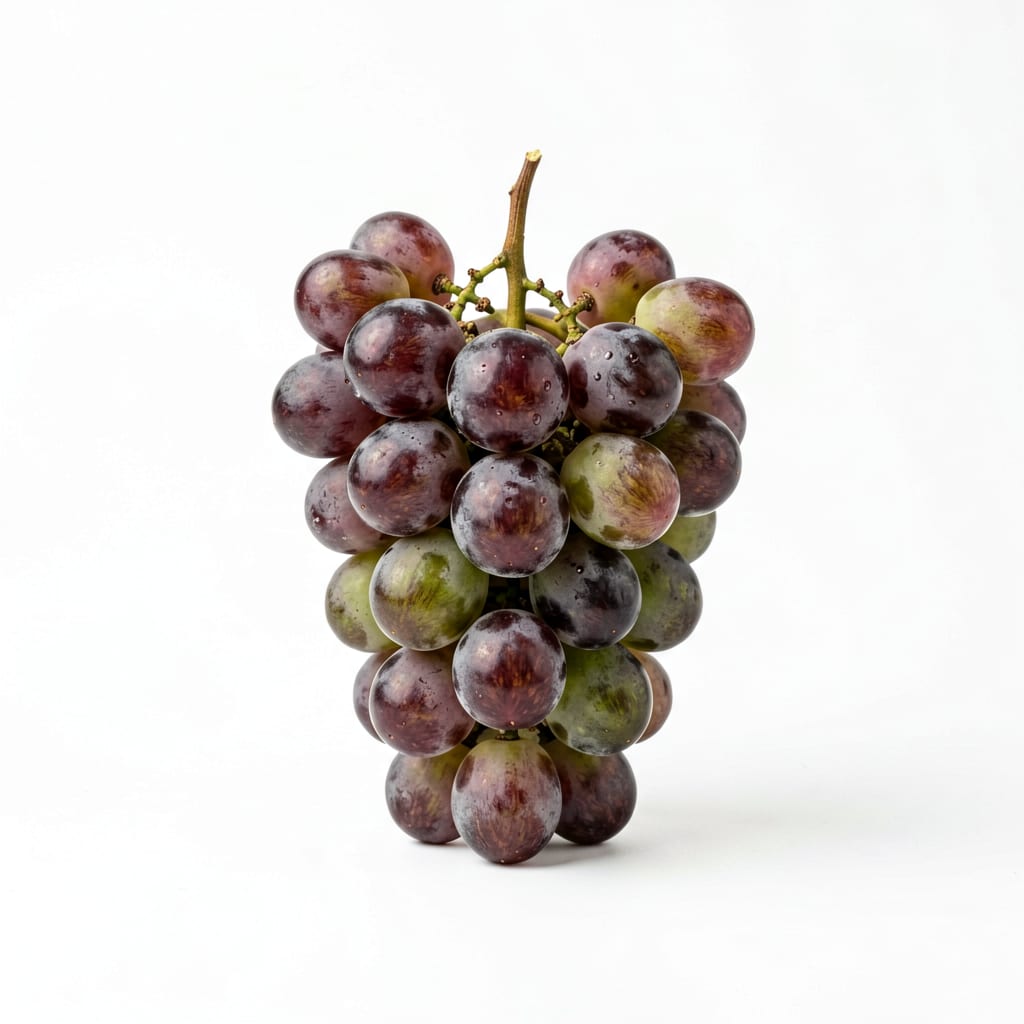
Fruit
Grape
A sweet, bite-sized fruit known for high antioxidant content and quick-digesting carbohydrates.
Small, sweet, juicy berries that grow in clusters on vines, widely consumed fresh, dried as raisins, or pressed for juice and wine.
fast-digesting high-sugar fruit
Typical serving · 150g
Common varieties · red globe, concord, thompson seedless, cotton candy, moon drops
Overall context score across nutrition, safety, and diet fit
At a glance
Quick facts
Simple indicators based on nutrition, processing, and diet fit.
The story
What makes it unique
Grapes are primarily composed of water and simple carbohydrates like glucose and fructose, leading to rapid digestion. They provide moderate satiety due to a low fiber content relative to their sugar concentration. Rich in polyphenols, particularly resveratrol in darker varieties, they offer significant antioxidant properties. As a minimally processed whole food, they retain their natural phytochemical profile.
Varieties: red globe · concord · thompson seedless · cotton candy · moon drops
Per 100g
Nutrition breakdown
Macro balance and key metrics at a glance.
Energy
Density 0.69 kcal/g
Protein
Carbs
Fat
Fiber
Sugar
15.5 g
Sodium
2 mg
Potassium
191 mg
Glycemic index
46
Glycemic load
8
Water content
81%
Standout compounds
Nutrient highlights
Resveratrol
highsupports heart health and reduces inflammation
Vitamin K
moderateessential for bone metabolism and blood clotting
Copper
moderateassists in iron absorption and energy production
Potassium
moderatehelps regulate blood pressure and fluid balance
Wellness map
Health scores & processing
NOVA processing scale
minimally processed · Whole food
Fresh grapes are unprocessed raw agricultural products requiring no alteration from their natural state.
Diet compatibility
- Weight loss
- Muscle gain
- Diabetes
- Gut health
- Low carb
- High protein
- Heart health
Relative standing
Food rankings
Qualitative ranks compared to similar whole foods.
- Satietymoderate
- Blood sugarmoderate
- Nutrient densitymoderate
- Fitness fuelgood
- Processing qualityexcellent
Eat with confidence
Food safety profile
Grapes have thin skins that retain pesticide sprays, making thorough washing important. Mold can develop in damaged clusters.
Evidence confidence 85%
- Pesticidesmoderate
- Antibioticslow
- Heavy metalslow
- Contaminationlow
Watch for
- pesticide residues
- mold
Safer choices
Organic grapes significantly reduce pesticide exposure risk.
Prep tips
Rinse thoroughly under running water and pat dry before eating; discard any moldy or shriveled grapes.
Conventional grapes frequently appear on the EWG's Dirty Dozen list due to pesticide residue detection.
Deep dive
Health analysis
How this food may fit different goals and preparation choices.
Weight loss
Low energy density is offset by high palatability and low fiber, making portion control difficult for weight loss.
Blood sugar
Despite a low glycemic index, the high sugar content and low fiber can cause rapid blood sugar spikes if eaten in large quantities.
Fitness & energy
Provides fast-digesting glucose and fructose ideal for quick pre-workout energy or mid-run fueling.
Gut health
Polyphenols in grape skins promote beneficial gut bacteria, though the low fiber content provides minimal bulking effect.
Processing quality
A whole, unprocessed food with intact cellular structure and phytonutrients.
Food safety
Thin skins make grapes susceptible to pesticide retention; washing or choosing organic is advised.
Common mistakes
Eating mindlessly straight from the bag leads to excessive sugar intake; assuming green grapes have the same antioxidant benefits as red.
Best preparation
Washed fresh, frozen for a slow-eating sweet treat, or sliced into salads.
Practical guide
Best use cases
When and how this food fits real eating patterns.
pre-workout energy
Provides rapid carbohydrates for immediate fuel during exercise.
sweet craving alternative
A whole-food substitute for processed sweets and candy.
frozen summer snack
Freezing grapes creates a popsicle-like texture for refreshing, slow consumption.
Balance sheet
Pros & cons
Upsides
- Rich in heart-protective antioxidants like resveratrol
- Convenient, portable, and requires no preparation
- Provides quick, easily digestible energy
- High water content supports hydration
Trade-offs
- High in sugar relative to fiber
- Very easy to overconsume due to small size and sweetness
- Conventional varieties carry moderate pesticide risk
- Low protein and fat content means poor standalone satiety
Fit check
Who is it for?
Great match
- pre-workout fueling
- endurance athletes
- replacing processed sweets
- hot weather hydration
Consider alternatives
- strict low-carb diets
- diabetic meal plans requiring strict sugar control
- mindless snacking
- high-volume weight loss diets
Side by side
How it compares
Open the full head-to-head analysis for nutrition, safety, and practical tradeoffs.
This food
Grape
VS90% alike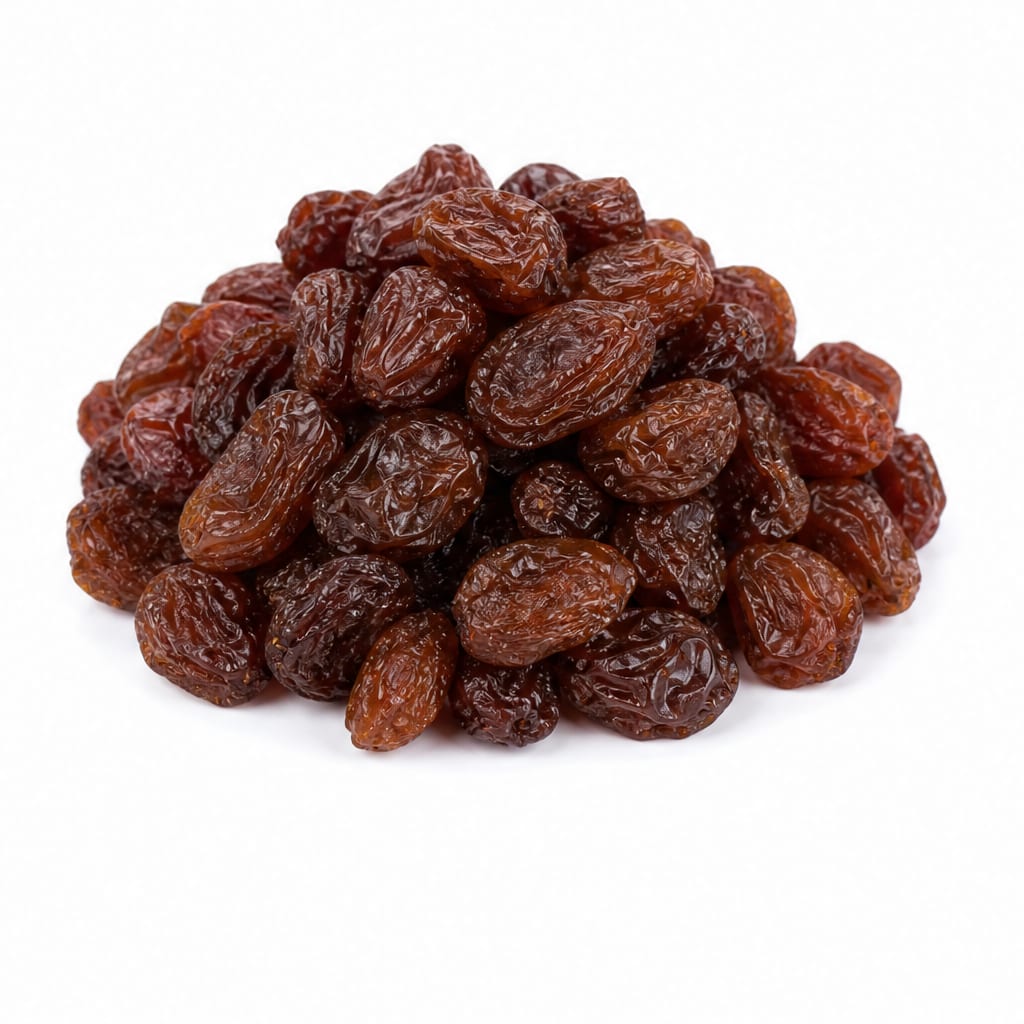
Compare with
Raisins
Raisins are dehydrated grapes, concentrating the sugar and calories while losing the hydrating water volume.
Grapes provide more volume and hydration for fewer calories, while raisins offer concentrated portable carbs for endurance.
This food
Grape
VS85% alike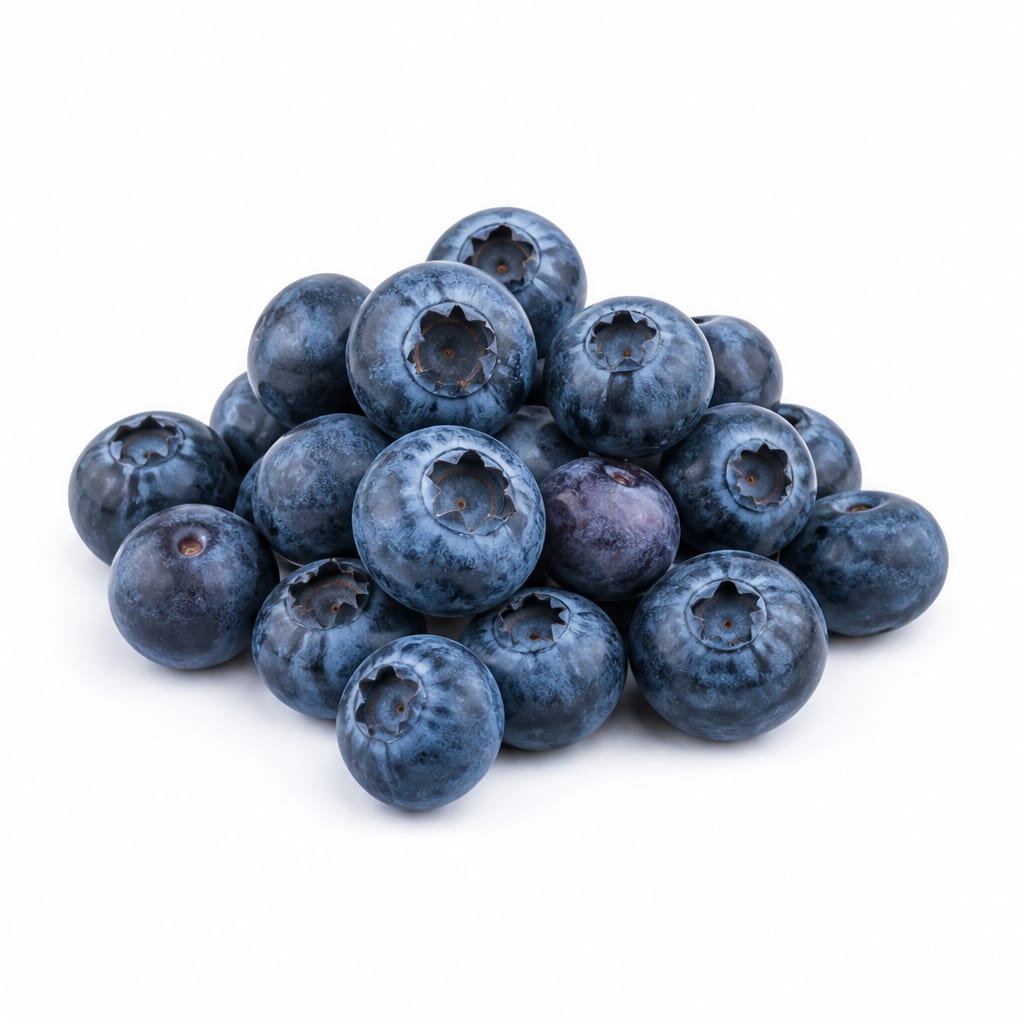
Compare with
Blueberries
Blueberries offer slightly more fiber and less sugar per serving compared to grapes.
Blueberries are lower in sugar and higher in fiber, while grapes provide faster energy and higher hydration.
This food
Grape
VS80% alike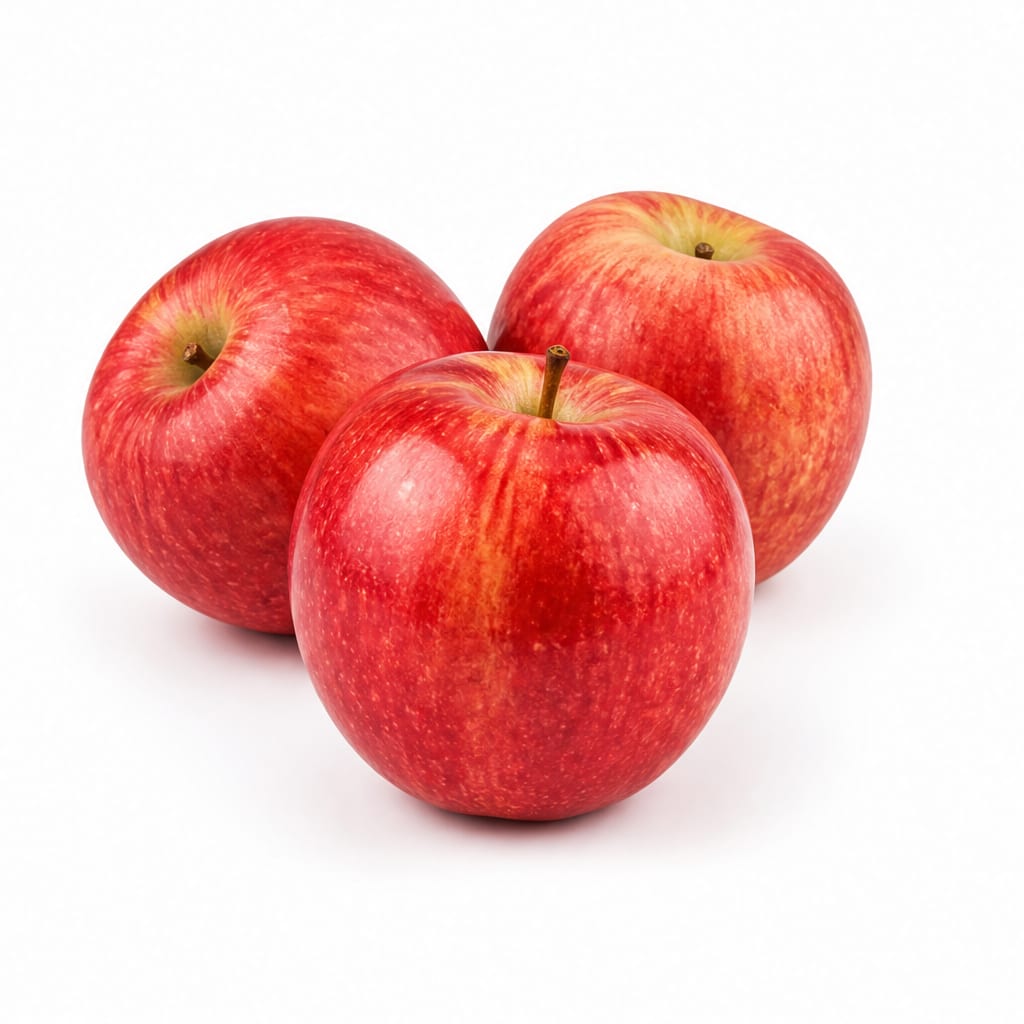
Compare with
Apples
Apples contain significantly more fiber, particularly pectin, which slows sugar absorption better than grapes.
Apples provide better satiety and blood sugar control due to fiber, while grapes offer quicker digesting carbs for workouts.
This food
Grape
VS75% alike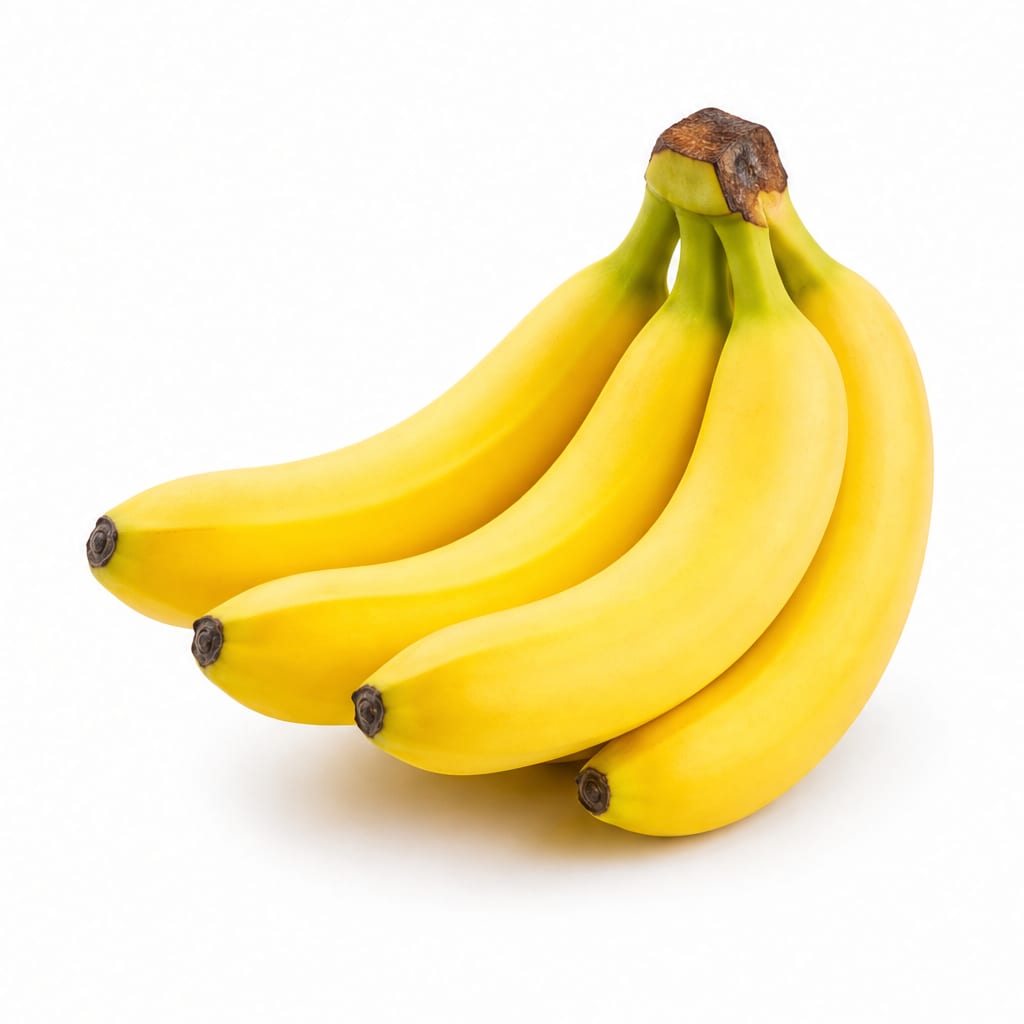
Compare with
Bananas
Bananas offer more potassium and starch, while grapes provide more antioxidants and water.
Bananas provide more potassium and filling starch, while grapes are lower in calories and higher in hydrating antioxidants.
This food
Grape
VS70% alike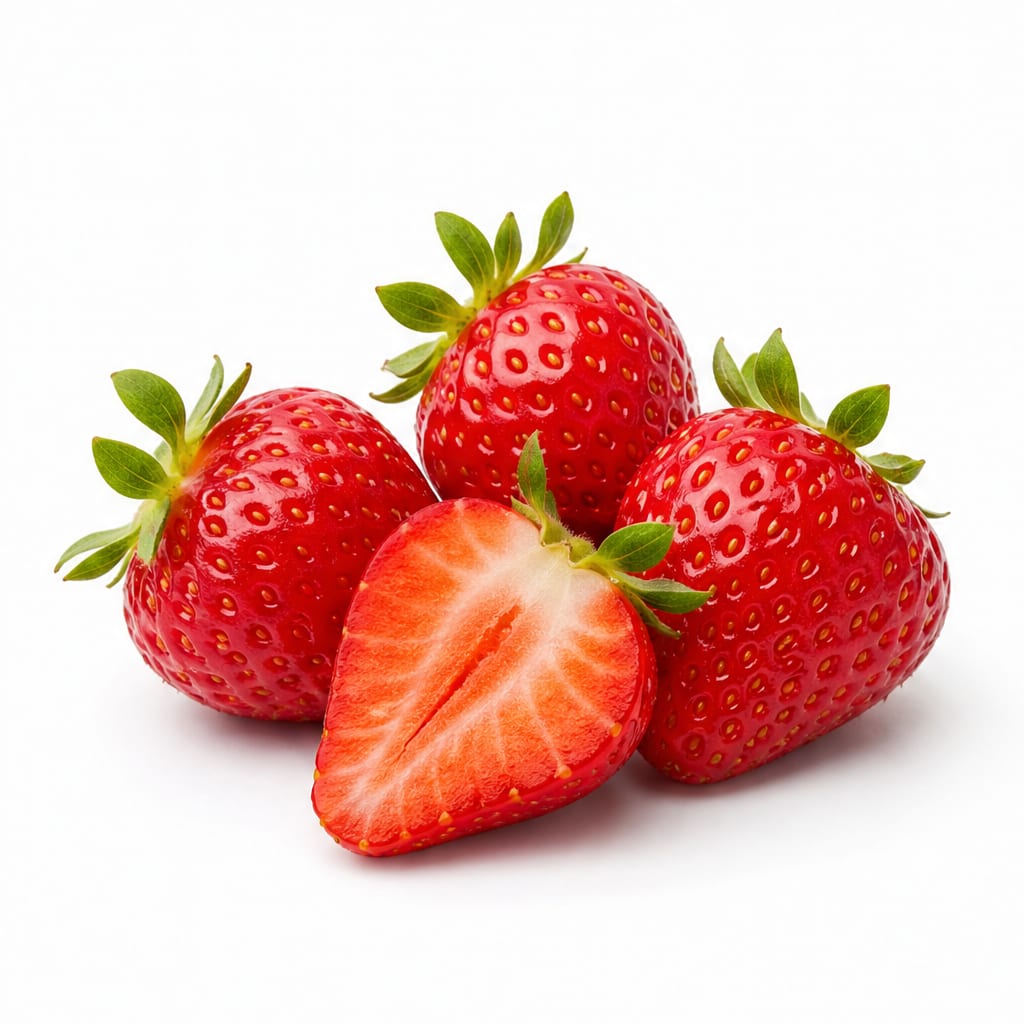
Compare with
Strawberries
Strawberries are significantly lower in sugar and calories while providing more vitamin C.
Strawberries are much lower in sugar and better for weight loss, while grapes offer faster carbohydrates for exercise fuel.
This food
Grape
VS75% alike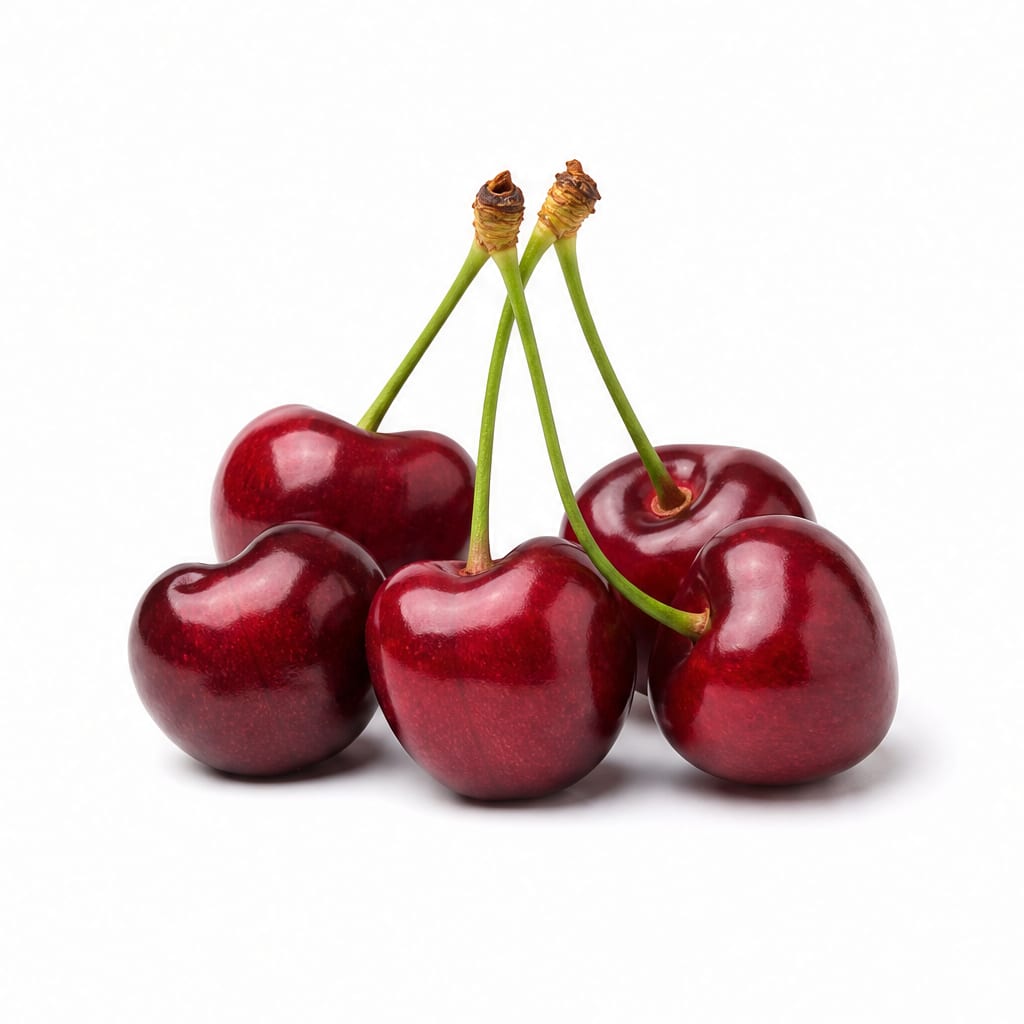
Compare with
Cherries
Cherries contain slightly less sugar and more fiber, alongside potent anti-inflammatory compounds.
Cherries are lower in sugar and higher in anti-inflammatory benefits, while grapes are slightly higher in quick carbs.
This food
Grape
VS65% alike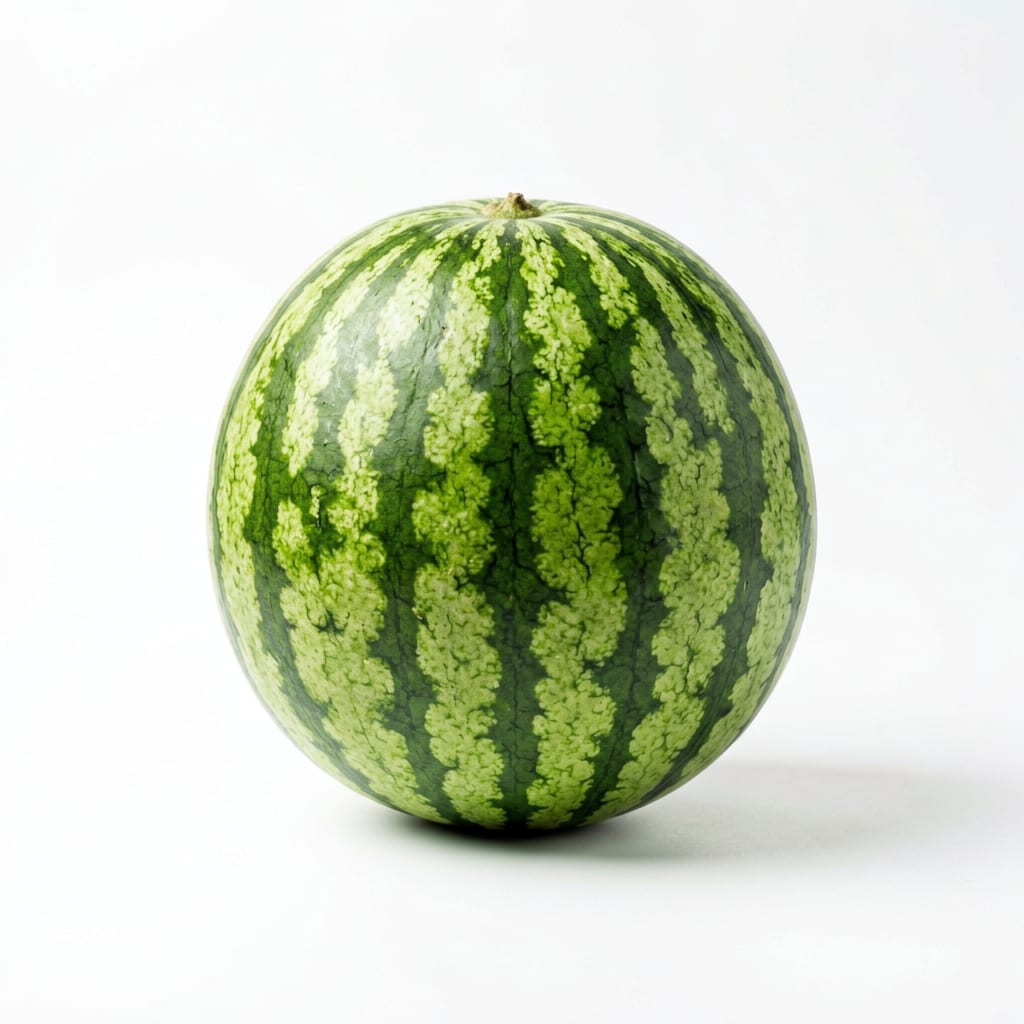
Compare with
Watermelon
Watermelon has a higher glycemic index but lower glycemic load per serving due to its extreme water content.
Watermelon is lower in calories per cup, while grapes have a lower glycemic index and more concentrated antioxidants.
This food
Grape
VS60% alike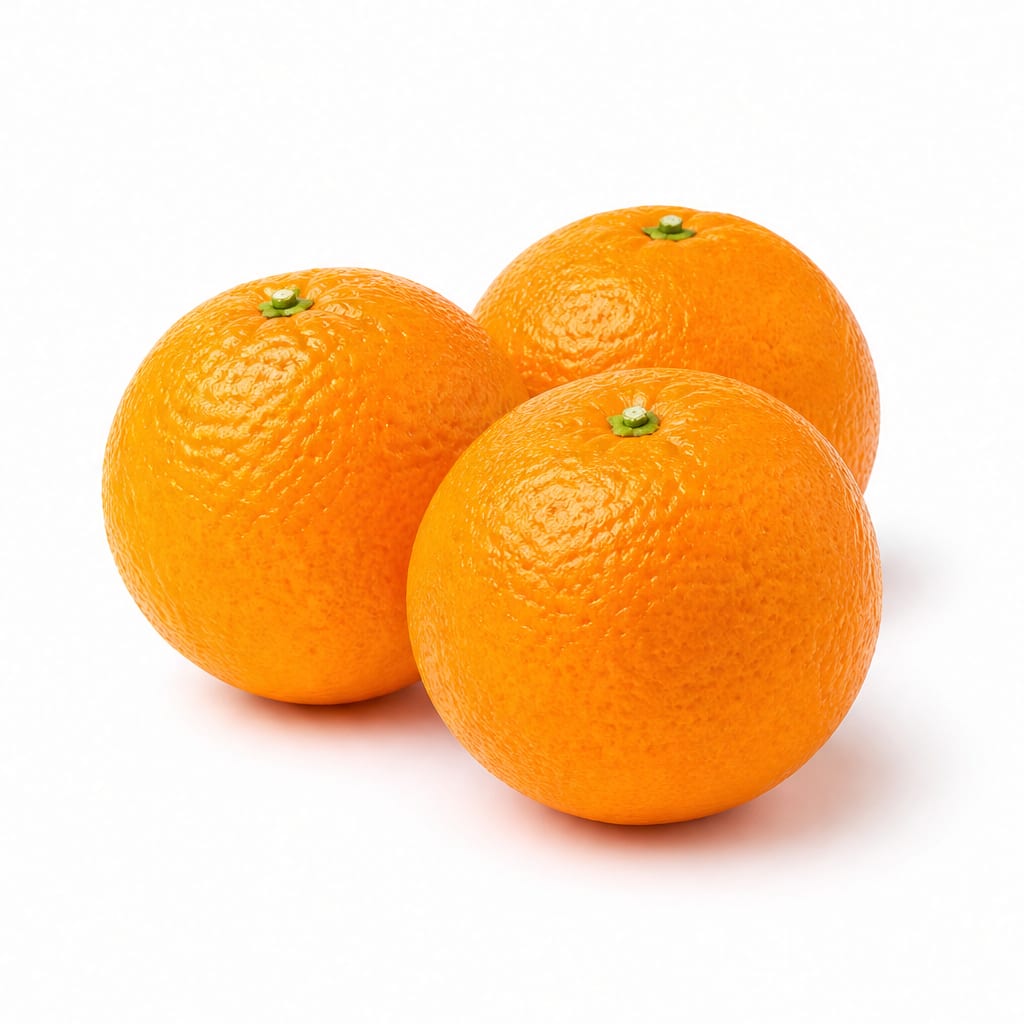
Compare with
Oranges
Oranges provide significantly more vitamin C and fiber compared to grapes.
Oranges offer more vitamin C and fiber for better fullness, while grapes provide faster, easier-to-consume energy.
This food
Grape
VS55% alike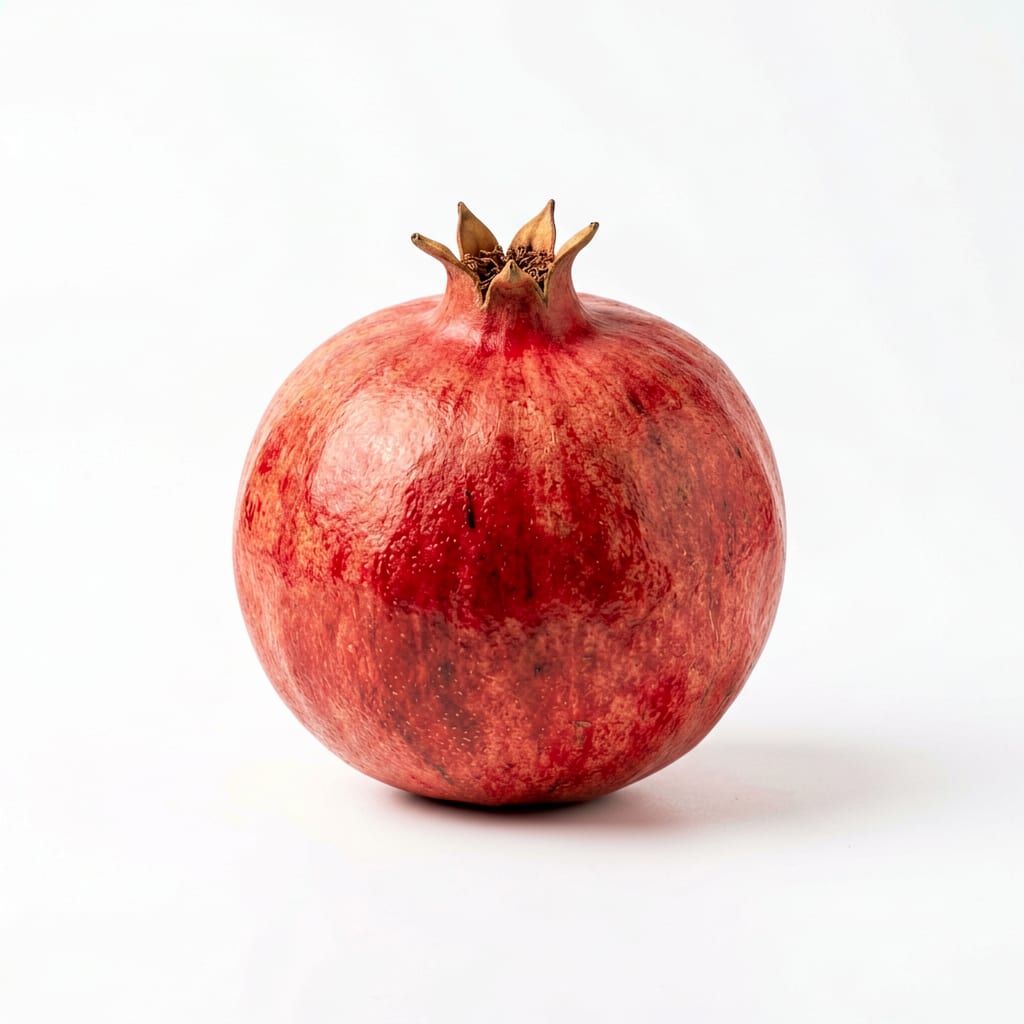
Compare with
Pomegranate
Pomegranate arils contain far more fiber and less sugar per calorie than grapes.
Pomegranate is higher in fiber and antioxidants, while grapes are lower in calories and provide faster energy.
This food
Grape
VS50% alike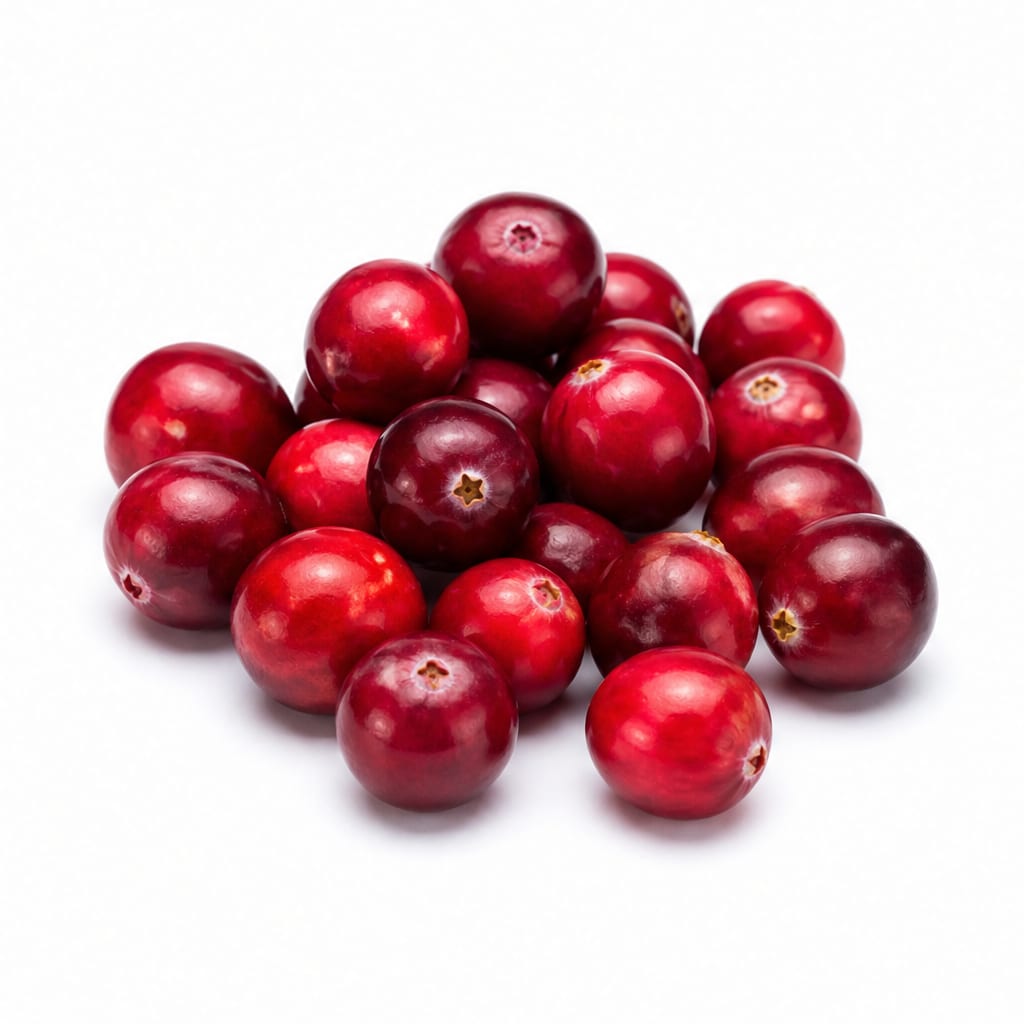
Compare with
Cranberries
Fresh cranberries are extremely low in sugar and high in fiber compared to grapes, but are very tart.
Fresh cranberries are vastly lower in sugar than grapes, but grapes are naturally sweet and require no added sugar to enjoy.
Common questions
FAQ
Answers aligned with how people search for this food.
Are grapes good for weight loss?
Grapes can be challenging for weight loss due to their high sugar content and low fiber, which makes them easy to overeat. Portion control is essential.
Can diabetics eat grapes?
People with diabetes can eat grapes in moderation. They have a low glycemic index but contain significant natural sugars that can spike blood sugar if consumed in large amounts.
Which color grape is the healthiest?
Red and black grapes are generally considered healthier than green grapes because their darker skins contain higher concentrations of antioxidants like resveratrol.
Do grapes have a lot of sugar?
Yes, grapes are relatively high in sugar compared to other fruits, containing about 15 grams of sugar per 100 grams.
Are grapes a good pre-workout snack?
Yes, grapes provide fast-digesting carbohydrates that offer quick energy, making them an excellent pre-workout or mid-workout snack.
Why are grapes on the Dirty Dozen list?
Conventional grapes frequently test positive for multiple pesticide residues due to their thin skins and growing conditions, prompting recommendations to buy organic.
What happens if you eat grapes everyday?
Eating a moderate amount of grapes daily provides beneficial antioxidants and vitamins, but excessive intake can contribute to excess calorie and sugar consumption.
Are frozen grapes healthy?
Frozen grapes are just as healthy as fresh grapes and make a refreshing, slow-eating snack that can help satisfy sweet cravings.
Transparency
Data confidence
Estimated confidence for nutrition data, interpretation, safety notes, and comparisons.
Nutrition data
Health analysis
Food safety
Comparisons