
Nutrition comparison
Grapes vs Pomegranates: Antioxidants, Sugar, and Which is Healthier
Comparing grapes and pomegranates for health, sugar content, and convenience. Discover which fruit is better for weight loss, blood sugar, and daily snacking.
Overall winner · Pomegranate
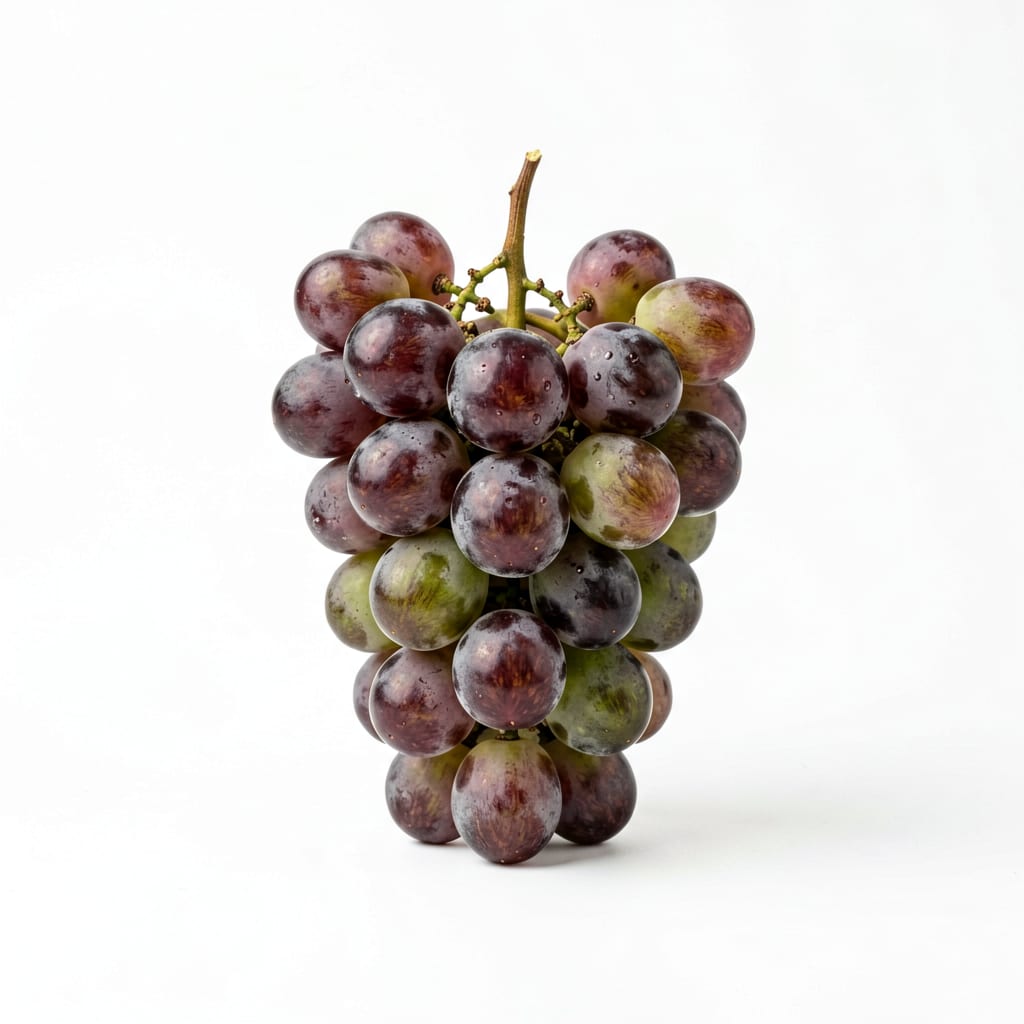
Grape
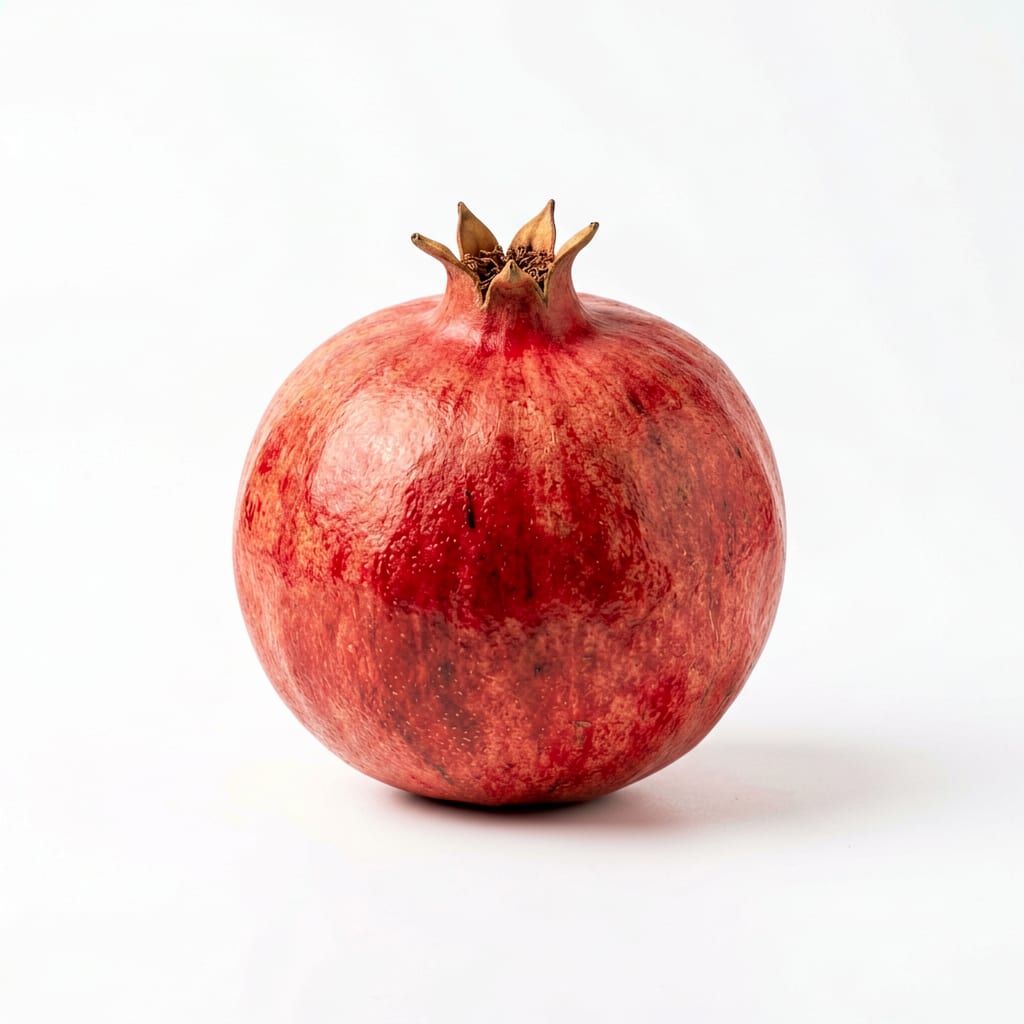
Pomegranate
Pomegranates deliver far more antioxidants and fiber per calorie, while grapes offer unmatched convenience but carry a higher overeating risk due to their sugar content and easy snacking nature.
Pomegranates score significantly higher due to their superior fiber, lower glycemic impact, and unmatched antioxidant profile, though grapes earn points for sheer convenience and hydration.
Pomegranates require effort to eat but reward you with superior nutrition and steadier energy; grapes are effortless to snack on but can spike blood sugar if you aren't careful with portions.
At a glance
Executive summary
Overall
Pomegranate
Healthier
Pomegranate
More practical
Grape
Daily use
It depends
Key comparison lenses
Antioxidant density and anti-inflammatory benefits
Both are prized for antioxidants, but pomegranates are famously potent, making this the core health differentiator.
Sugar content and blood sugar impact
Grapes are notoriously easy to overeat due to high sugar and low fiber, while pomegranates offer a slower sugar release.
Convenience and preparation effort
Grapes are instant grab-and-go snacks; pomegranates require messy, time-consuming prep.
Overeating potential and portion control
The structure of grapes makes mindless snacking easy, whereas pomegranates naturally slow you down.
Heart health and circulation
Both support cardiovascular health, but pomegranates have stronger clinical backing for arterial protection.
Best choice for
Grape
- Busy individuals needing quick hydration
- Kids who reject complex fruit textures
- Casual desk snacking
Pomegranate
- People fighting chronic inflammation
- Those managing blood sugar spikes
- Anyone focused on heart health optimization
Least suitable for
Grape
- Strict low-carb dieters
- People prone to sugar cravings
- Diabetics watching glycemic load closely
Pomegranate
- Impatient snackers wanting instant gratification
- People with dental sensitivity to seeds
- Those wanting a quick grab-and-go option
Deep comparison
Dimension by dimension
Each lens scores both foods and breaks down who each option suits.
- Dimension 1 · Priority 95Pomegranate
Antioxidant Density & Inflammation
Grape · 60Pomegranate · 98Pomegranates are an antioxidant powerhouse, far outpacing grapes in compounds that fight inflammation.
Tradeoff
You have to work for the pomegranate seeds, but the anti-inflammatory payoff is dramatically higher.
Why it matters
Chronic inflammation drives aging and disease; choosing higher-antioxidant fruits helps protect long-term health.
Real-world impact
Regular pomegranate consumption can visibly help with joint pain and skin health over time compared to grapes.
Grape
- Quick resveratrol boost from red grape skins
Better for
- Reliance on a less potent antioxidant profile
Worse for
Pomegranate
- Reducing systemic inflammation
- Post-workout recovery
- Protecting against cellular aging
Better for
- None significant, aside from preparation time
Worse for
- Dimension 2 · Priority 90Pomegranate
Blood Sugar & Satiety
Grape · 45Pomegranate · 82Pomegranates provide more fiber and a slower sugar release, keeping you fuller longer.
Tradeoff
Grapes are a rapid energy source but offer little to stop hunger, while pomegranates act as a steady fuel.
Why it matters
Rapid blood sugar spikes from grapes can lead to afternoon crashes and increased cravings.
Real-world impact
Eating a bowl of grapes often leaves you hungry an hour later; pomegranate seeds are much more satisfying.
Grape
- Quick pre-workout energy
Better for
- Triggering sugar cravings
- Spiking blood glucose
Worse for
Pomegranate
- Steady afternoon energy
- Avoiding the sugar crash
- Bridging the gap between meals
Better for
- Not ideal for instant energy needs
Worse for
- Dimension 3 · Priority 85Grape
Convenience & Snackability
Grape · 95Pomegranate · 40Grapes are the ultimate grab-and-go fruit; pomegranates require scoring, seeding, and messy prep.
Tradeoff
You trade nutritional density for zero-prep convenience with grapes.
Why it matters
If a fruit is hard to prepare, you are less likely to eat it daily, regardless of its health benefits.
Real-world impact
Grapes can be eaten one-handed while driving or working; pomegranates demand a dedicated prep session.
Grape
- Commuting snack
- Desk snacking
- Packing in kids' lunches
Better for
- Easy to mindlessly overeat
Worse for
Pomegranate
- Weekend breakfast toppings
- Mindful eating moments
Better for
- Messy and time-consuming to prep
- Stains clothing easily
Worse for
- Dimension 4 · Priority 80Pomegranate
Overeating Potential & Portion Control
Grape · 30Pomegranate · 90Grapes are notoriously easy to overeat; pomegranates naturally limit consumption due to their structure and tartness.
Tradeoff
The effort it takes to eat a pomegranate acts as a built-in portion control mechanism.
Why it matters
Unintentional overeating of high-sugar fruits can stealthily derail weight management goals.
Real-world impact
It is shockingly easy to eat 400 calories of grapes in one sitting; the same is nearly impossible with pomegranates.
Grape
- Those needing to gain weight or increase calorie intake easily
Better for
- Mindless snacking
- Stealth calorie surplus
Worse for
Pomegranate
- Natural portion control
- Mindful eating practice
- Weight management
Better for
- Frustration for those wanting a large, quick snack
Worse for
- Dimension 5 · Priority 75Pomegranate
Heart Health & Circulation
Grape · 65Pomegranate · 92Both fruits support heart health, but pomegranates have stronger clinical evidence for improving blood flow and reducing blood pressure.
Tradeoff
Grapes offer resveratrol, but pomegranates offer a broader, more potent cardiovascular shield.
Why it matters
Dietary choices that directly improve arterial health are crucial for long-term longevity.
Real-world impact
Pomegranate juice and seeds have been shown to improve exercise performance by increasing blood flow, more so than grapes.
Grape
- Mild blood pressure support via resveratrol
Better for
- Higher sugar can negatively impact metabolic heart health if overconsumed
Worse for
Pomegranate
- Improving arterial flexibility
- Lowering blood pressure
- Enhancing physical endurance
Better for
- None significant
Worse for
Timeline
Health impact over time
Short-term
Hours to days
Grape
- Quick hydration
- Rapid blood sugar spike
- Instant but short-lived energy
Pomegranate
- Sustained energy
- Tart flavor can feel refreshing
- High satiety
Long-term
Months to years
Grape
- Potential weight gain if portions aren't managed
- Moderate antioxidant benefits
- Good hydration habits
Pomegranate
- Significant reduction in inflammation markers
- Better blood pressure regulation
- Improved gut health from fiber
Risk profile
Safety & processing
Both grapes and pomegranates are whole, natural fruits. However, grapes are famously high on the EWG's Dirty Dozen list for pesticide residues, making organic selection more important for them.
Grape
Pesticide residue
highConventionally grown grapes often have high pesticide residues that are difficult to wash off thoroughly.
Choking hazard
mediumWhole grapes are a leading choking hazard for toddlers and must be cut lengthwise.
Pomegranate
Choking hazard
lowThe hard inner seed can pose a minor choking risk or dental issue for vulnerable individuals.
Who wins for whom
Audience fit
Same foods, different winners depending on your goal.
children
GrapeKids love the sweet taste and easy-to-eat nature of grapes (when sliced), whereas pomegranate seeds can be tedious or texturally off-putting for picky eaters.
daily consumption
It dependsGrapes are easier to eat daily due to convenience, but pomegranates provide better daily nutritional armor if you have the prep time.
diabetes
PomegranatePomegranates have a lower glycemic index and more fiber, preventing the sharp blood sugar spikes that grapes can cause.
elderly
PomegranateThe high fiber helps with common digestive slowdowns, and the cardiovascular benefits are highly protective for aging arteries.
muscle gain
It dependsNeither is a primary muscle-building food, but grapes offer faster pre-workout carbs while pomegranates offer better recovery antioxidants.
weight loss
PomegranatePomegranates offer more fiber and built-in portion control, making it far harder to accidentally overconsume calories.
Your move
Decision guide
Choose Grape
- You need a quick, hydrating post-workout snack
- You want an effortless fruit for busy weekdays
- You are buying for kids who prefer sweet, easy textures
Choose Pomegranate
- You want maximum antioxidant protection
- You struggle with sugar cravings and need a fruit that keeps you full
- You are focused on heart health and reducing inflammation
Either works if
- You just want a refreshing whole-food snack instead of processed sweets
- You are trying to increase your daily fruit intake
Avoid both if
- You are on a strict very-low-carb or ketogenic diet
- You have a severe fructose intolerance
Final recommendation
Choose pomegranates if your priority is deep nutrition and satiety, but keep grapes on hand for convenience—just pre-portion them to avoid mindless overeating.
Practical
Consumer tips
- 1
Pre-portion grapes into small bags right when you get home from the store to prevent eating the entire bag mindlessly.
- 2
Buy organic grapes whenever possible due to their high pesticide load.
- 3
Score pomegranates under water to easily release the arils and avoid staining your clothes.
- 4
Sprinkle pomegranate arils over salads or oatmeal to make the prep effort stretch across multiple meals.
- 5
Freeze grapes for a refreshing, longer-lasting summer treat that forces slower eating.