
Nutrition comparison
Grapes vs Oranges: Which Is Healthier? Sugar, Vitamins, and Snack Comparison
Grapes vs oranges nutrition comparison covering sugar content, vitamin C, resveratrol, portion control, and pesticide risk. Find out which fruit is better for weight loss, blood sugar, and daily snacking.
Overall winner · Oranges
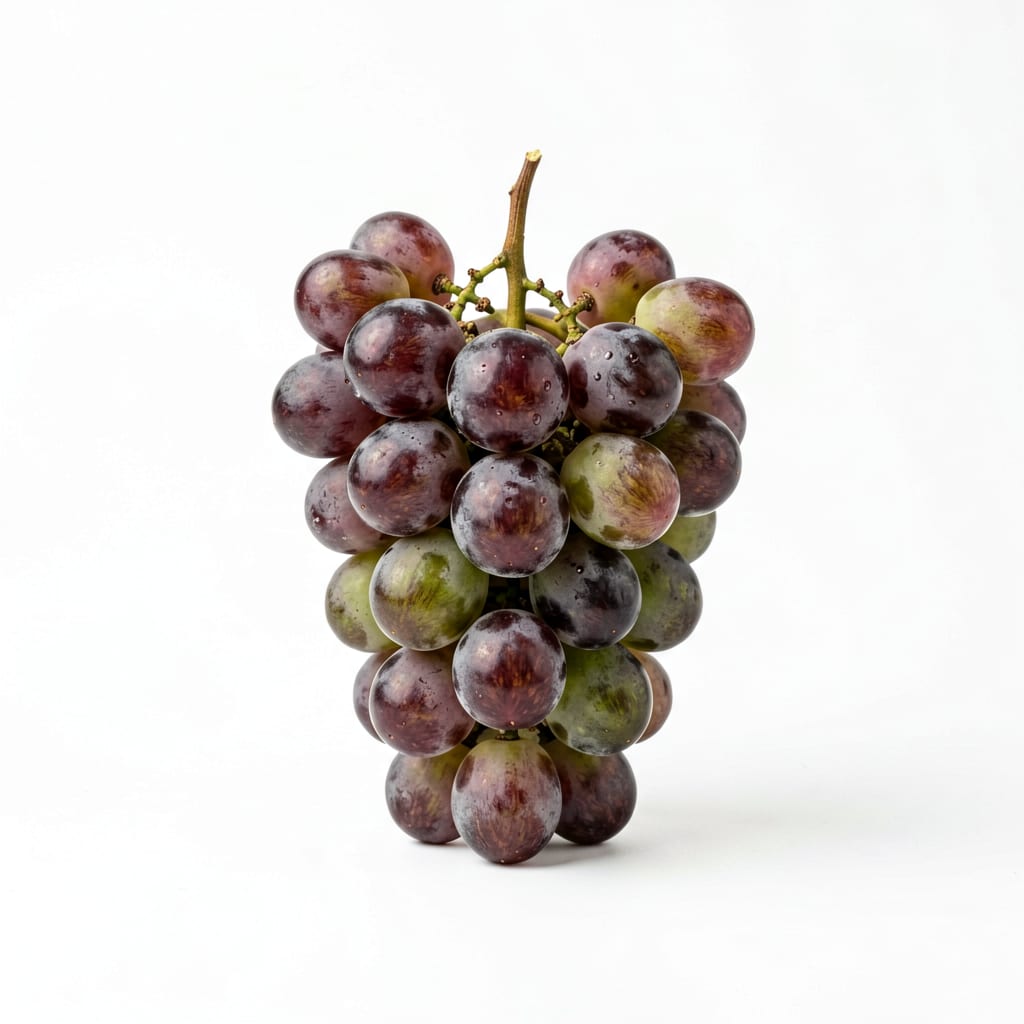
Grape
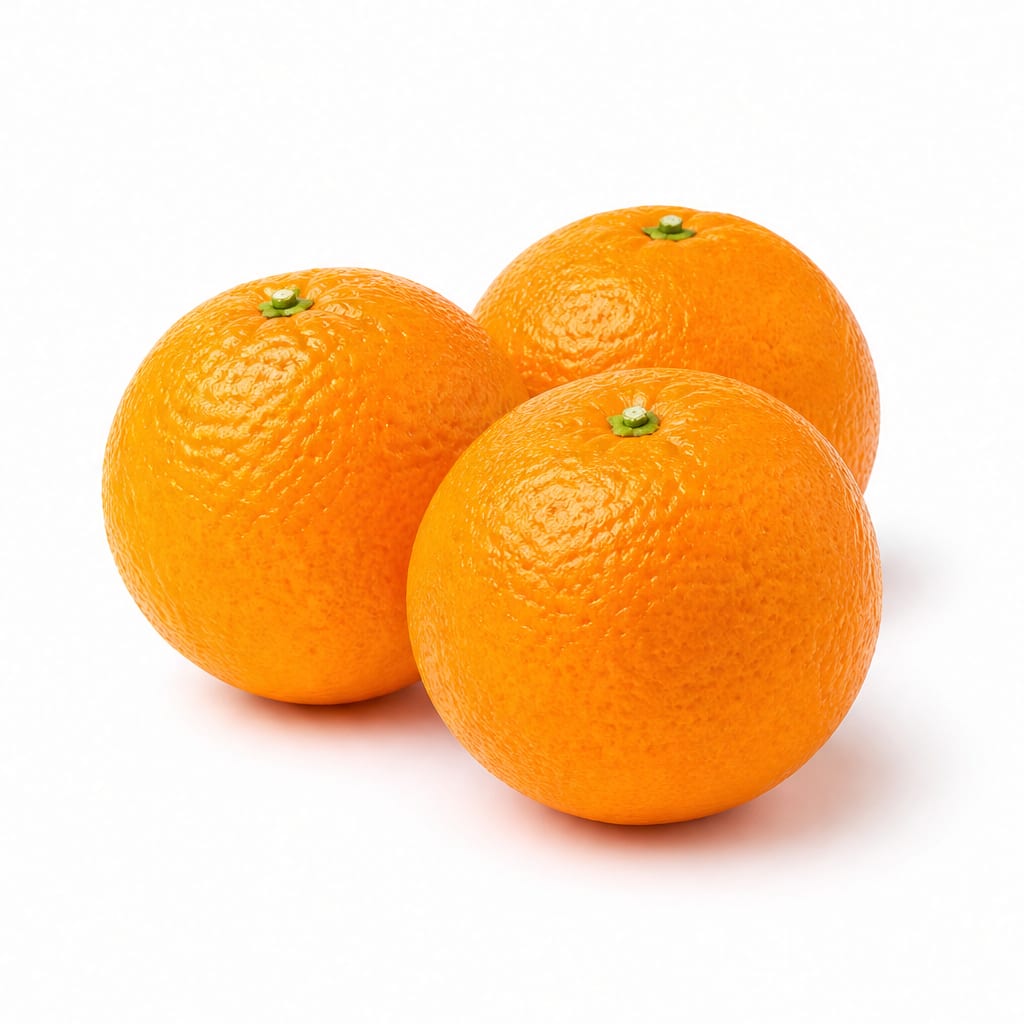
Oranges
Oranges deliver more nutrition per calorie with better blood sugar control, while grapes offer unique antioxidants but come with a higher sugar load and overeating risk.
Oranges score notably higher due to superior vitamin C, lower sugar, more fiber, and built-in portion control. Grapes remain a healthy whole food but their high sugar and overeating potential narrow the gap less than you might expect.
Grapes give you resveratrol and effortless snacking but cost you more sugar and less fullness. Oranges require peeling but reward you with vitamin C, fiber, and steadier energy.
At a glance
Executive summary
Overall
Oranges
Healthier
Oranges
More practical
Grape
Daily use
Oranges
Key comparison lenses
sugar content and blood sugar
Grapes are notably higher in sugar and easier to overeat, making blood sugar impact the most critical differentiator
vitamin C and immunity
Oranges are iconic for vitamin C while grapes provide minimal, creating a stark nutritional gap
snack portion control
Grapes are easy to mindlessly eat by the handful while oranges have built-in portion boundaries
antioxidant profile
Grapes offer resveratrol while oranges deliver hesperidin — different but valuable compounds
pesticide exposure
Grapes frequently appear on the Dirty Dozen list while oranges have protective thick peels
Best choice for
Grape
- People seeking resveratrol and heart-protective polyphenols
- Busy snackers who want grab-and-go fruit with no prep
- Children who resist peeling fruit but will eat handheld snacks
- Recovery from intense exercise when quick sugar is actually beneficial
Oranges
- People managing blood sugar or watching their weight
- Anyone prioritizing immune support and vitamin C intake
- Those who struggle with portion control and mindless snacking
- Morning routines where a satisfying, filling fruit prevents overeating later
Least suitable for
Grape
- People with diabetes or insulin resistance due to high sugar density
- Anyone prone to mindless snacking — grapes disappear fast
- Those strictly limiting carbohydrate or sugar intake
Oranges
- People with citrus allergies or acid sensitivity
- Anyone needing a no-mess snack for commuting or meetings
- Those with GERD or acid reflux triggered by citrus
Deep comparison
Dimension by dimension
Each lens scores both foods and breaks down who each option suits.
- Dimension 1 · Priority 92Oranges
sugar_and_blood_sugar_impact
Grape · 45Oranges · 78Grapes pack roughly 70% more sugar per serving than oranges with less fiber to slow absorption.
Tradeoff
Grapes give you quick energy but risk blood sugar spikes. Oranges deliver steadier, longer-lasting fuel.
Why it matters
A cup of grapes has about 23g of sugar versus 12g in a medium orange. That difference adds up fast when grapes are so easy to keep eating.
Real-world impact
That afternoon grape snack might leave you hungry again in 30 minutes. An orange is more likely to hold you over until dinner.
Grape
- Post-workout recovery when quick carbs help
- Active people who burn through sugar easily
Better for
- Blood sugar spikes followed by energy dips
- Easy to consume 40g+ of sugar without realizing it
Worse for
Oranges
- Steady energy without the crash
- Managing prediabetes or insulin sensitivity
- Weight loss where calorie-to-satiety ratio matters
Better for
- Not ideal when you need fast-acting carbs for athletic performance
Worse for
- Dimension 2 · Priority 85Oranges
vitamin_c_and_immune_nutrition
Grape · 15Oranges · 95Oranges are a vitamin C powerhouse delivering over 15 times more than grapes per serving.
Tradeoff
If immune support is your priority, oranges dominate completely. Grapes cannot replace this role.
Why it matters
One medium orange provides about 70mg of vitamin C — nearly your full daily need. A cup of grapes gives only about 4mg.
Real-world impact
During cold season, an orange a day genuinely helps. Grapes would not move the needle on immune defense.
Grape
- Mild antioxidant support from other polyphenols
Better for
- Essentially negligible vitamin C contribution
Worse for
Oranges
- Immune system reinforcement
- Collagen production and skin health
- Iron absorption when eaten with iron-rich meals
Better for
- Acidic nature may bother sensitive stomachs
Worse for
- Dimension 3 · Priority 80Oranges
satiety_and_portion_control
Grape · 35Oranges · 75Oranges are more filling per calorie and have natural portion boundaries that grapes lack.
Tradeoff
Grapes are convenient but dangerously easy to overeat. Oranges require effort but that effort protects you from excess.
Why it matters
It takes seconds to eat a cup of grapes. Peeling an orange slows you down and signals completion. That difference changes real consumption patterns.
Real-world impact
Most people naturally stop at one orange. Few people stop at a small handful of grapes — the bag disappears.
Grape
- No prep needed — instant snacking
- Easy to pack in lunchboxes or bags
Better for
- Virtually no satiety brake — easy to eat hundreds of calories
- Small size means you never feel done
Worse for
Oranges
- Higher fiber creates lasting fullness
- Natural portion control from peeling and segmenting
- Lower calorie density means more food volume per calorie
Better for
- Peeling required — not always convenient
- Juice can be messy at a desk or car
Worse for
- Dimension 4 · Priority 70It depends
antioxidant_diversity
Grape · 75Oranges · 70Grapes offer resveratrol and anthocyanins while oranges deliver hesperidin and vitamin C — different but complementary strengths.
Tradeoff
Neither fruit replaces the other's antioxidant profile. Variety wins here, not either-or.
Why it matters
Resveratrol from red and purple grapes supports heart health and cellular defense. Hesperidin from oranges improves blood vessel function and reduces inflammation.
Real-world impact
Eating both across the week gives you broader protection than doubling down on either one alone.
Grape
- Resveratrol for cardiovascular and anti-aging benefits
- Anthocyanins in red grapes for brain health
- Polyphenol diversity especially in darker grape varieties
Better for
- Resveratrol amounts are modest — you would need large quantities for therapeutic doses
Worse for
Oranges
- Hesperidin for vascular health and circulation
- Vitamin C as a direct antioxidant
- Naringenin for metabolic support
Better for
- Less polyphenol variety compared to dark grapes
Worse for
- Dimension 5 · Priority 65Oranges
pesticide_and_contamination_risk
Grape · 40Oranges · 85Grapes consistently rank on the Dirty Dozen list while oranges have thick protective peels that shield edible portions.
Tradeoff
Grapes demand organic purchasing to avoid pesticide exposure. Oranges are safer even when conventionally grown.
Why it matters
Grapes are thin-skinned and heavily treated. You eat the entire surface. Oranges have a thick rind you discard, dramatically reducing what you ingest.
Real-world impact
If budget forces a choice, spend organic dollars on grapes and save on conventional oranges.
Grape
- Organic grapes eliminate most concern
Better for
- High pesticide residue on thin skins
- Difficult to wash off thoroughly
- Often require organic premium pricing for safety
Worse for
Oranges
- Thick peel blocks most pesticide residue from reaching flesh
- Rarely appear on high-pesticide lists
- Safe to buy conventional with minimal risk
Better for
- Minimal concern — thick peel is effective protection
Worse for
- Dimension 6 · Priority 55Grape
digestive_tolerance
Grape · 80Oranges · 55Grapes are gentler on sensitive stomachs while oranges can trigger acid-related discomfort.
Tradeoff
If you have GERD or acid sensitivity, grapes are the safer snack. Oranges may cause heartburn or irritation.
Why it matters
Citrus acidity is a common trigger for reflux and stomach upset. Grapes are low-acid and well tolerated by most digestive systems.
Real-world impact
That evening orange might keep you up with heartburn. Grapes are unlikely to cause the same problem.
Grape
- Low acid — gentle on sensitive stomachs
- Unlikely to trigger reflux or heartburn
- Better tolerated before bed
Better for
- Sorbitol in grapes can cause gas in sensitive individuals if eaten in large amounts
Worse for
Oranges
- Fiber supports healthy digestion when tolerated well
- Acidity helps some people with sluggish digestion
Better for
- Citric acid triggers heartburn in prone individuals
- Can irritate stomach lining when eaten on an empty stomach
- Problematic for GERD and ulcer sufferers
Worse for
Timeline
Health impact over time
Short-term
Hours to days
Grape
- Quick energy boost from natural sugars but possible crash within an hour
- Easy to overconsume, leading to unintended calorie surplus
- Gentle on the stomach with minimal acid irritation
Oranges
- Steadier energy release thanks to fiber slowing sugar absorption
- Immediate vitamin C availability for immune and antioxidant function
- Possible heartburn or acid discomfort in sensitive individuals
Long-term
Months to years
Grape
- Resveratrol from red and purple grapes supports cardiovascular health over time
- Consistent overconsumption may contribute to elevated blood sugar patterns
- Polyphenol intake supports cellular aging defenses when consumed regularly
Oranges
- Sustained vitamin C intake strengthens immune resilience and collagen integrity
- Fiber contributes to gut health and reduced chronic disease risk
- Consistent consumption associated with lower inflammation markers
Risk profile
Safety & processing
Both grapes and oranges are whole, unprocessed fruits as typically consumed. Neither carries meaningful additive concerns in their natural form.
Grape
Pesticide residue
highGrapes are consistently on the EWG Dirty Dozen list. Thin skins and heavy spraying mean you eat whatever was applied. Washing helps but does not eliminate all residue. Organic is strongly recommended.
Mold and spoilage
mediumGrapes spoil quickly and mold can spread through an entire bunch invisibly. Inspect carefully and discard any soft or wrinkled grapes immediately.
Oranges
Pesticide residue
lowThick peel protects the edible portion effectively. Conventional oranges are considered low risk. Peeling removes most surface contamination.
Citrus contamination on peel
lowIf using orange zest, choose organic since the peel concentrates any treatment chemicals. For eating the flesh alone, this is not a practical concern.
Who wins for whom
Audience fit
Same foods, different winners depending on your goal.
children
It dependsGrapes are easier for kids to eat but pose a choking hazard for toddlers and are higher in sugar. Oranges require peeling but offer more nutrition per bite. Cut grapes lengthwise for young children.
daily consumption
OrangesOranges deliver more essential nutrition per serving with less sugar risk. Daily grape consumption is fine but requires more mindful portioning.
diabetes
OrangesLower sugar, more fiber, and slower glucose absorption make oranges the clearly safer choice for blood sugar management.
elderly
OrangesOranges provide vitamin C, hydration, and fiber that older adults often lack. The acidity is usually manageable and the nutritional density matters more at this stage.
muscle gain
GrapeGrapes offer faster-digesting carbs that can support glycogen replenishment post-workout. Neither fruit is a significant protein source.
weight loss
OrangesOranges provide more fullness per calorie and have built-in portion control. Grapes are easy to overeat, silently adding calories.
Your move
Decision guide
Choose Grape
- You want quick post-workout carbs to replenish energy
- You have no blood sugar concerns and want effortless snacking
- You specifically want resveratrol from red or purple varieties
- You need a gentle-on-the-stomach fruit that will not trigger acid issues
Choose Oranges
- You want maximum nutrition per calorie especially vitamin C
- You are watching your weight or blood sugar
- You tend to snack mindlessly and need natural portion boundaries
- You want immune support during cold and flu season
Either works if
- You simply want whole fruit as part of a balanced diet
- You rotate fruits weekly for antioxidant diversity
- You are healthy and active with no specific metabolic concerns
Avoid both if
- You are on a strict very-low-carb or ketogenic diet
- You have fructose intolerance or malabsorption issues
- You need high-protein snacks and fruit does not fit your macro targets
Final recommendation
Oranges win for most people most of the time — more vitamin C, less sugar, better fullness, and natural portion control. But grapes have a real place for active people who want quick energy, heart-protective resveratrol, or a low-acid snack. The smartest move is eating both across the week, choosing organic grapes when possible, and being honest about how easily grapes disappear from the bag.
Practical
Consumer tips
- 1
If buying grapes, choose organic — they are one of the most pesticide-heavy fruits and you eat the entire skin
- 2
Red and purple grapes contain significantly more resveratrol than green grapes — choose darker when possible
- 3
Freeze grapes for a satisfying slow-eating snack that naturally limits portion size
- 4
A medium orange has about 12g of sugar versus 23g in a cup of grapes — keep this in mind if tracking intake
- 5
Wash grapes thoroughly right before eating, not before storing — pre-washing speeds up spoilage
- 6
If oranges bother your stomach, try eating them with a handful of nuts to buffer the acidity
- 7
Don't substitute orange juice for whole oranges — juice strips out fiber and concentrates sugar dramatically