
Nutrition comparison
Grapes vs Raisins: Nutrition, Sugar, and Health Comparison
Discover the key nutritional differences between grapes and raisins. Learn which is better for weight loss, blood sugar, and snacking in this complete comparison.
Overall winner · Grape
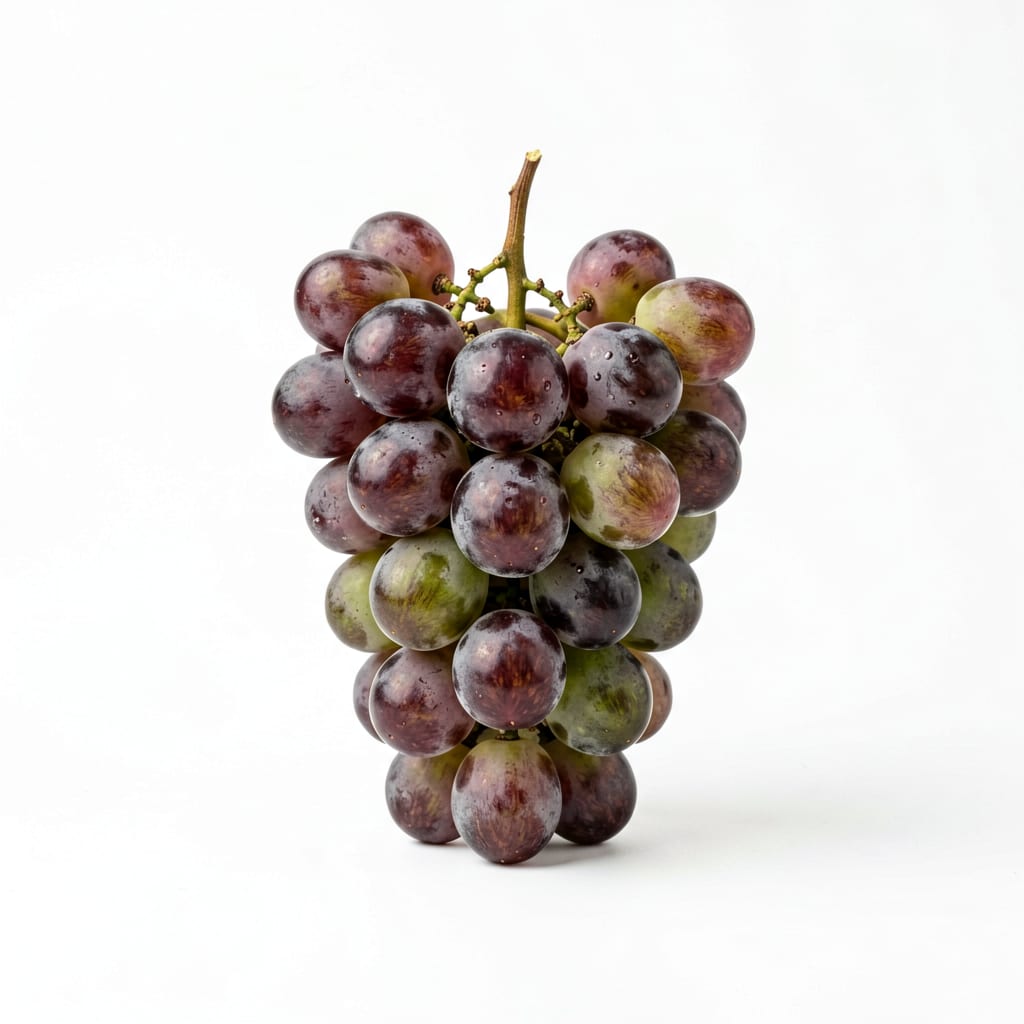
Grape
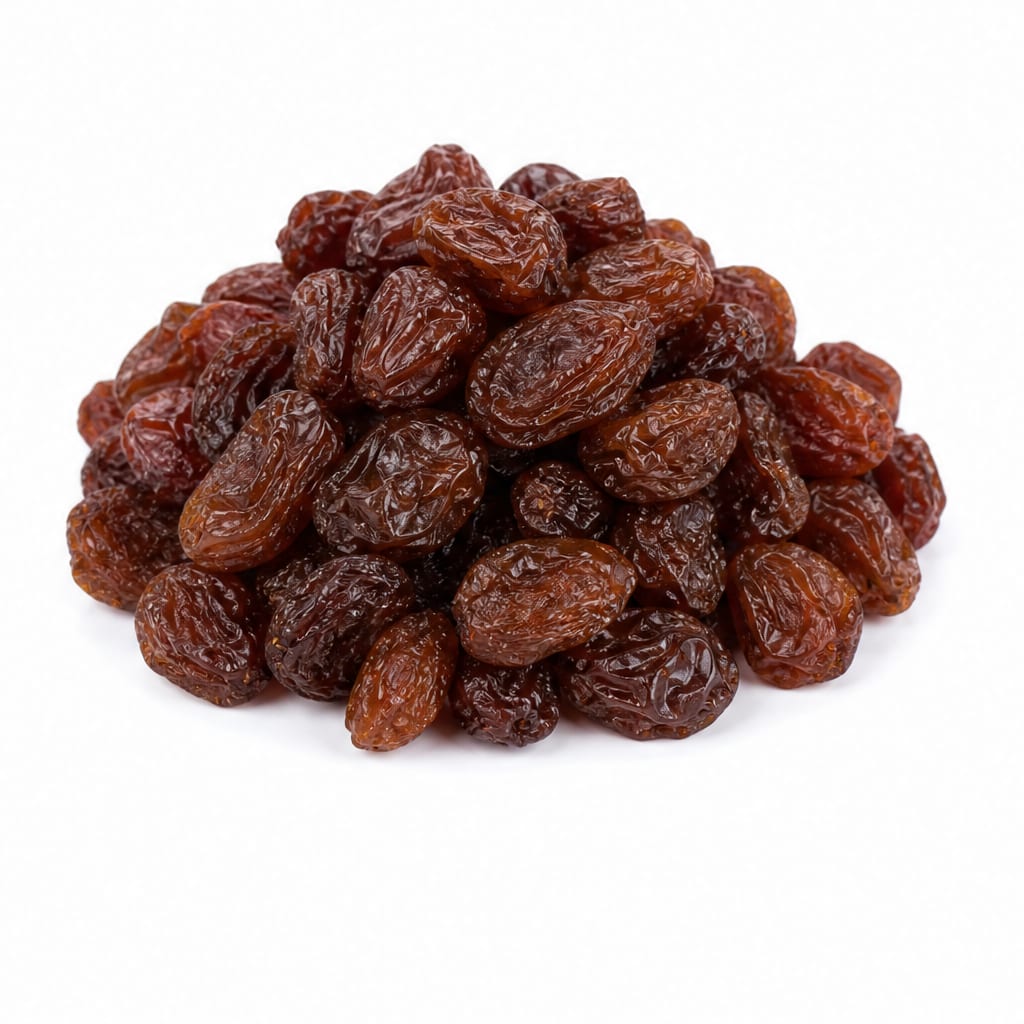
Raisins
Grapes are the better everyday snack due to high water content and lower sugar concentration, while raisins serve as a dense, portable energy source.
Grapes score higher because their high water content naturally limits overconsumption and provides steadier energy. Raisins lose points for calorie density and blood sugar spike risk, though they gain points for convenience and nutrient concentration.
Hydration and satiety versus convenience and concentrated energy.
At a glance
Executive summary
Overall
Grape
Healthier
Grape
More practical
Raisins
Daily use
Grape
Key comparison lenses
Sugar concentration and blood sugar impact
Drying grapes concentrates their natural sugars, drastically changing their glycemic impact and overeating potential.
Calorie density and satiety
Water loss makes raisins much more calorie-dense, meaning you get less fullness per bite compared to fresh grapes.
Convenience and shelf life
Raisins are shelf-stable and highly portable, while grapes require refrigeration and are easily crushed.
Best choice for
Grape
- Weight management
- Blood sugar control
- Hydrating summer snacks
Raisins
- Hiking and outdoor activities
- Quick pre-workout energy
- Emergency pantry snacks
Least suitable for
Grape
- Backpacking trips where weight and spoilage matter
- Those needing dense calories for weight gain
Raisins
- People managing diabetes or insulin resistance
- Mindless snacking while watching TV
Deep comparison
Dimension by dimension
Each lens scores both foods and breaks down who each option suits.
- Dimension 1 · Priority 95Grape
Calorie Density & Satiety
Grape · 90Raisins · 45Grapes are mostly water, making them highly filling for very few calories. Raisins are calorie-dense and easy to overeat.
Tradeoff
You get more volume and fullness from grapes, but raisins provide more energy in a smaller package.
Why it matters
Satiety drives long-term weight management. Foods that fill you up on fewer calories make healthy eating effortless.
Real-world impact
Eating a cup of grapes feels like a substantial snack for about 100 calories. A cup of raisins is nearly 500 calories and barely takes the edge off hunger.
Grape
- Curbing afternoon hunger
- Managing overall daily calorie intake
Better for
- Situations requiring lightweight, compact food
Worse for
Raisins
- Fueling long hikes
- Getting calories in during a bulking phase
Better for
- Late-night snacking when portion control is low
Worse for
- Dimension 2 · Priority 92Grape
Blood Sugar Impact
Grape · 85Raisins · 50Grapes have a lower glycemic load per serving because their water content dilutes the sugar. Raisins deliver a rapid, concentrated sugar hit.
Tradeoff
Grapes provide a steadier release of energy, while raisins offer a quick spike that can lead to a crash.
Why it matters
Frequent blood sugar spikes drive cravings, fatigue, and long-term metabolic issues.
Real-world impact
A handful of raisins can spike blood sugar fast, giving quick energy but potentially leaving you tired an hour later. Grapes offer a gentler, more sustained energy curve.
Grape
- Sustained energy through the afternoon
- People with prediabetes or insulin resistance
Better for
- Treating hypoglycemia
Worse for
Raisins
- Rapid recovery after intense endurance exercise
Better for
- Mid-morning energy crashes
- Paired with high-carb meals
Worse for
- Dimension 3 · Priority 85Raisins
Convenience & Portability
Grape · 55Raisins · 95Raisins are shelf-stable, lightweight, and indestructible in a bag. Grapes are fragile, need refrigeration, and spoil quickly.
Tradeoff
You trade freshness and hydration for a snack that survives anywhere.
Why it matters
The best snack is the one you actually have on hand when hunger strikes.
Real-world impact
Throwing a box of raisins in a gym bag or backpack is effortless. Grapes get mushy, leak juice, and need a cooler.
Grape
- Enjoying at home with a cheese plate
Better for
- Hot car rides
- Backpacking
Worse for
Raisins
- Travel snacks
- Desk drawer emergency food
- School lunchboxes
Better for
- Refreshing summer treats
Worse for
- Dimension 4 · Priority 70It depends
Nutrient Concentration
Grape · 75Raisins · 80Per gram, raisins have more iron, potassium, and antioxidants than grapes. Per calorie, grapes are the clear winner.
Tradeoff
Raisins pack more micronutrients into a tiny serving, but you have to consume more calories to get them.
Why it matters
Nutrient density matters, but calorie context determines if a food is truly beneficial for your goals.
Real-world impact
Getting your iron from raisins means eating a lot of sugar. Grapes offer fewer micronutrients per gram but deliver them with far less sugar.
Grape
- Maximizing vitamins per calorie
- Staying hydrated
Better for
- Treating iron deficiency
Worse for
Raisins
- Boosting iron intake for vegetarians
- Getting quick electrolytes post-sweat
Better for
- Avoiding excess sugar
Worse for
Timeline
Health impact over time
Short-term
Hours to days
Grape
- Quick hydration from high water content
- Light, refreshing satiety without sluggishness
Raisins
- Rapid blood sugar elevation
- Quick burst of physical energy
Long-term
Months to years
Grape
- Easier weight maintenance due to low calorie density
- Better blood sugar regulation
Raisins
- Risk of unintended weight gain if portions aren't measured
- Improved iron status and bone health from concentrated minerals
Risk profile
Safety & processing
Grapes are a whole, fresh fruit. Raisins are simply dried grapes, but the drying process concentrates sugars and some commercial brands add sulfur dioxide or oils.
Grape
Pesticide residue
highGrapes consistently rank on the EWG's Dirty Dozen list for high pesticide residue. Washing thoroughly or buying organic is highly recommended.
Raisins
Sulfite sensitivity
mediumMany commercial raisins are treated with sulfur dioxide to preserve color. This can trigger asthma or allergic reactions in sensitive individuals.
Concentrated pesticide residue
mediumSince raisins are dried grapes, any pesticides on the fresh fruit become concentrated. Organic raisins significantly reduce this risk.
Who wins for whom
Audience fit
Same foods, different winners depending on your goal.
children
GrapeGrapes are hydrating and less likely to cause a sugar rush and crash. Note: Grapes must be sliced for young children to prevent choking.
daily consumption
GrapeGrapes are gentler on blood sugar and harder to overeat, making them a safer daily staple.
diabetes
GrapeGrapes have a lower glycemic load per typical serving, causing a slower, more manageable blood sugar rise compared to the concentrated sugars in raisins.
elderly
It dependsRaisins are easier to chew and provide concentrated iron and potassium, but grapes offer better blood sugar control which is often a concern for older adults.
muscle gain
RaisinsRaisins provide dense, fast-digesting carbohydrates that are ideal for pre-workout energy or post-workout glycogen replenishment without feeling heavy.
weight loss
GrapeThe high water content in grapes provides volume and satiety for minimal calories, making it much easier to stay in a calorie deficit.
Your move
Decision guide
Choose Grape
- You want a refreshing, low-calorie snack to munch on
- You are watching your blood sugar or weight
- You tend to snack mindlessly and need a food that self-limits
Choose Raisins
- You need compact, durable fuel for hiking or travel
- You need fast carbs before or after a workout
- You struggle to get enough calories or iron in your diet
Either works if
- You want a natural, whole-food fruit snack without artificial ingredients
- You are adding fruit to a balanced mix of nuts and seeds
Avoid both if
- You are on a strict very-low-carb or ketogenic diet
Final recommendation
Keep grapes in the fridge for everyday snacking—they are far more forgiving on your waistline and blood sugar. Save raisins for when you need concentrated energy on the go, but portion them into small bags to prevent accidental overeating.
Practical
Consumer tips
- 1
Buy organic grapes whenever possible, as they are heavily sprayed with pesticides.
- 2
Look for unsulfured raisins to avoid potential asthma triggers and unnecessary additives.
- 3
Pre-portion raisins into small 1.5 oz containers to keep the concentrated calories in check.
- 4
Freeze grapes for a refreshing, popsicle-like treat that takes longer to eat.