
Nutrition comparison
Grapes vs Watermelon: Nutrition, Sugar, and Health Comparison
Compare grapes vs watermelon for weight loss, sugar content, and health benefits. Find out which fruit is better for hydration, snacking, and your diet.
Overall winner · Watermelon
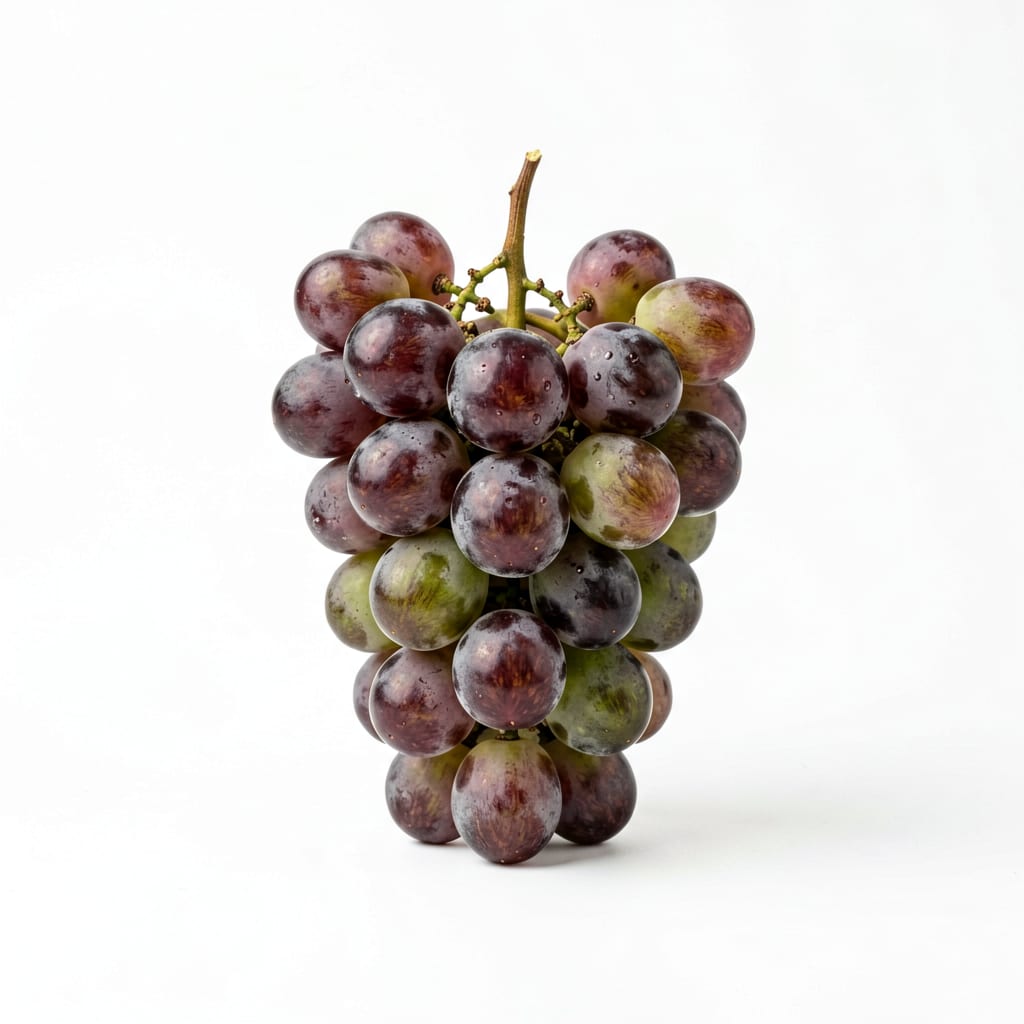
Grape
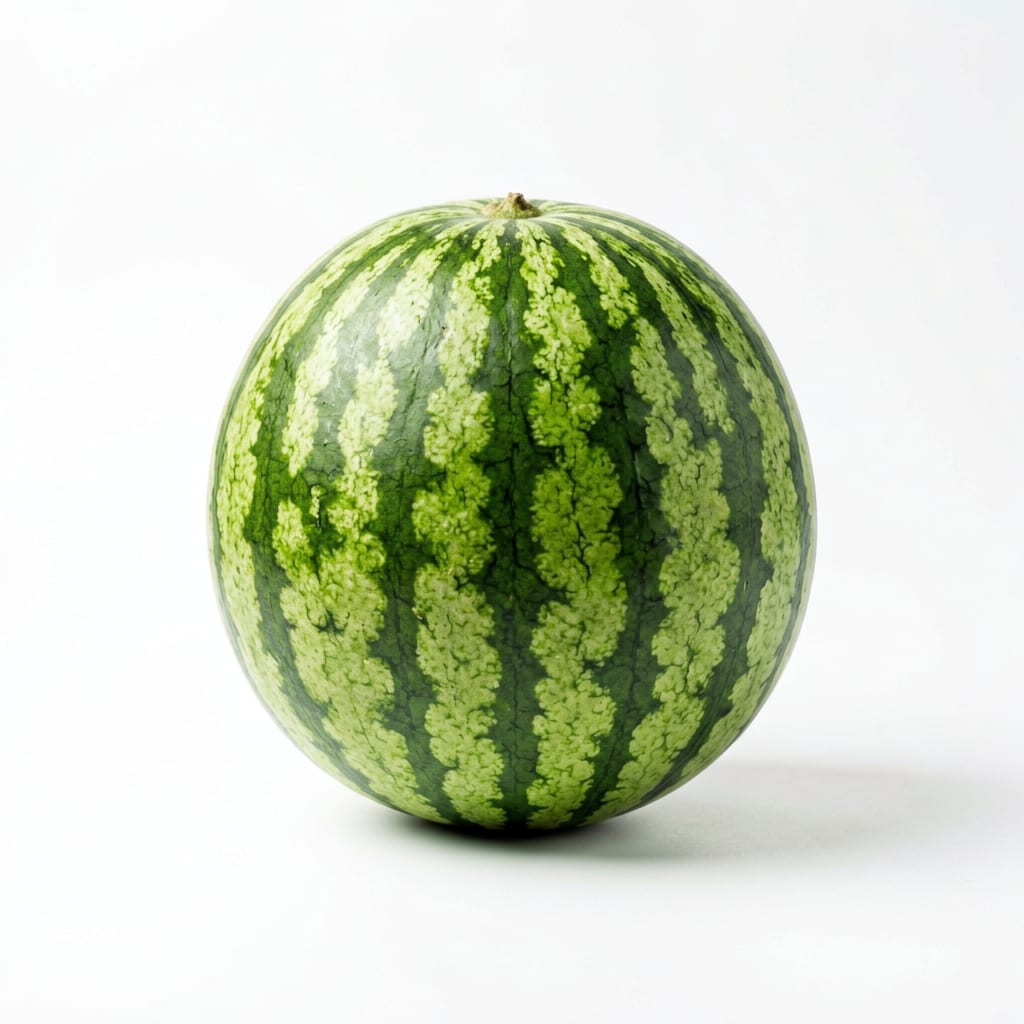
Watermelon
Watermelon wins for hydration and easier portion control, while grapes offer a more portable, antioxidant-dense snack.
Watermelon scores higher due to its exceptional hydration and low calorie density, making it easier to eat in satisfying amounts without overconsuming sugar. Grapes score well for antioxidants and portability but lose points for high sugar density and overeating risk.
You trade the grab-and-go convenience and heart-healthy resveratrol of grapes for the filling, low-calorie hydration of watermelon.
At a glance
Executive summary
Overall
Watermelon
Healthier
Watermelon
More practical
Grape
Daily use
Watermelon
Key comparison lenses
sugar content and portion control
Grapes are small and easy to overeat, leading to high sugar intake, while watermelon's water volume naturally limits portion sizes
hydration and satiety
Watermelon is over 90% water, making it vastly superior for hydration and feeling full on fewer calories
antioxidant profile
Grapes offer resveratrol for heart health, while watermelon provides lycopene for cellular protection
snacking convenience
Grapes are a neat, portable finger food; watermelon requires chilling and is messier to eat on the go
Best choice for
Grape
- Athletes needing quick, portable carbs
- Busy people wanting a mess-free desk snack
- Those focusing on heart-healthy antioxidants
Watermelon
- People trying to lose weight or control calories
- Anyone needing hydration in hot weather
- Those who struggle with overeating sweet foods
Least suitable for
Grape
- People strictly monitoring blood sugar
- Anyone prone to mindless snacking
- Toddlers due to choking hazard
Watermelon
- People needing a portable, non-messy snack
- Those wanting dense calories for weight gain
- Anyone without reliable refrigeration
Deep comparison
Dimension by dimension
Each lens scores both foods and breaks down who each option suits.
- Dimension 1 · Priority 95Watermelon
Hydration and Fullness
Grape · 55Watermelon · 98Watermelon is basically flavored water with vitamins, keeping you full and hydrated. Grapes are denser and less filling per calorie.
Tradeoff
You get a more filling, hydrating experience with watermelon, but it won't curb intense hunger the way denser foods might.
Why it matters
High-volume, low-calorie foods help you feel satisfied without overeating, which is crucial for weight management.
Real-world impact
Eating a large bowl of watermelon feels like a massive treat but costs under 100 calories. A large bowl of grapes can easily exceed 300 calories before you feel full.
Grape
- Post-workout quick carb refueling
Better for
- Staying hydrated during exercise
Worse for
Watermelon
- Hot summer days
- Curbing late-night sweet cravings
- Bridging gaps between meals
Better for
- Satisfying genuine physical hunger
Worse for
- Dimension 2 · Priority 90Watermelon
Sugar and Calorie Density
Grape · 50Watermelon · 85Grapes pack a lot of sugar into a tiny package. Watermelon has sugar, but its water bulk makes it naturally self-limiting.
Tradeoff
Grapes give you concentrated energy in a small bite, but that makes them very easy to overeat. Watermelon forces you to slow down.
Why it matters
Calorie density dictates how much you naturally eat. Dense foods bypass fullness signals, leading to accidental overconsumption.
Real-world impact
It takes just a few minutes to eat 200 calories of grapes without feeling full. Eating 200 calories of watermelon requires consuming nearly half a melon.
Grape
- Quick energy during endurance sports
Better for
- Blood sugar management
- Controlling snacking habits
Worse for
Watermelon
- Managing calorie intake
- Reducing sugar crashes
Better for
- Getting enough calories for weight gain
Worse for
- Dimension 3 · Priority 85It depends
Antioxidant Power
Grape · 88Watermelon · 85Grapes bring resveratrol for heart health, while watermelon delivers lycopene for cellular defense. Both are great, just in different ways.
Tradeoff
You choose between cardiovascular support from grapes and skin/immune protection from watermelon.
Why it matters
Different antioxidants protect different systems, so variety matters more than heavy dosing of one.
Real-world impact
Eating grapes regularly supports blood vessel health, while watermelon helps protect your skin from sun damage from the inside out.
Grape
- Heart and cardiovascular focus
- Anti-aging routines
Better for
- Targeted cellular defense against oxidative stress
Worse for
Watermelon
- Prostate health
- Sun exposure recovery
Better for
- Cardiovascular-specific benefits
Worse for
- Dimension 4 · Priority 75Grape
Snacking Convenience
Grape · 92Watermelon · 55Grapes are the ultimate tidy, portable snack. Watermelon is messy, requires chilling, and is best eaten at home.
Tradeoff
You trade the nutritional edge of watermelon for the grab-and-go practicality of grapes.
Why it matters
If a food is inconvenient, you simply won't eat it. Convenience often dictates what you reach for when busy.
Real-world impact
Tossing a bag of grapes in your lunchbox is effortless. Packing watermelon means dealing with sticky hands and leaky containers.
Grape
- Commuting
- Office desk snacks
- Road trips
Better for
- Large family gatherings where slicing fruit is easier
Worse for
Watermelon
- Backyard barbecues
- Poolside refreshment
Better for
- On-the-go lifestyles
Worse for
Timeline
Health impact over time
Short-term
Hours to days
Grape
- Quick energy boost from natural sugars
- Easy to accidentally spike blood sugar if eating mindlessly
Watermelon
- Immediate hydration relief
- Quick feeling of stomach fullness without heaviness
Long-term
Months to years
Grape
- Resveratrol supports healthy blood pressure and heart function
- Consistent overconsumption may contribute to weight gain due to calorie density
Watermelon
- Lycopene supports long-term cellular health
- Excellent for maintaining healthy weight and hydration habits
Risk profile
Safety & processing
Both grapes and watermelon are whole, raw fruits with no added ingredients. The only concern is pesticide residue on conventional grape skins, which are eaten, versus watermelon's thick protective rind.
Grape
Pesticide residue
highConventional grapes consistently rank high on the Dirty Dozen list because their thin, edible skin retains pesticides. Washing helps, but buying organic is safer.
Choking hazard
mediumWhole grapes are a leading choking hazard for children under 4. Always cut them lengthwise before serving to kids.
Watermelon
Foodborne illness from pre-cut melon
mediumListeria and salmonella can grow on the moist surface of pre-cut watermelon if left unrefrigerated. Always keep cut melon chilled.
Pesticide residue
lowThe thick rind you discard protects the edible flesh from most pesticide exposure, making conventional watermelon relatively safe.
Who wins for whom
Audience fit
Same foods, different winners depending on your goal.
children
WatermelonWatermelon is fun to eat, hydrating, and poses less choking risk than whole grapes. Just ensure it's cut into manageable pieces.
daily consumption
WatermelonIt is much harder to accidentally overeat watermelon due to its volume, making it a safer daily staple for most people.
diabetes
WatermelonDespite watermelon's higher glycemic index, its glycemic load per typical serving is very low. Grapes' concentrated sugar makes blood sugar management trickier.
elderly
WatermelonDehydration is a major risk for older adults. Watermelon provides crucial fluids and is easy to chew, while also delivering blood-pressure-friendly nutrients.
muscle gain
GrapeGrapes offer slightly more carbohydrates and calories per bite, providing a quick, easily digestible energy source around workouts.
weight loss
WatermelonWatermelon's high water content lets you eat a massive volume for very few calories, making it far easier to stay in a calorie deficit.
Your move
Decision guide
Choose Grape
- You need a portable, mess-free snack for work or travel
- You want to boost heart-healthy antioxidants like resveratrol
- You are an athlete needing quick, dense carbohydrate energy
Choose Watermelon
- You want a refreshing, low-calorie treat to fill you up
- You are trying to lose weight or curb sugar cravings
- You need to stay hydrated during hot weather
Either works if
- You just want a natural, whole-food sweet treat instead of candy
- You are looking to increase your daily fruit intake
Avoid both if
- You are on a strict very-low-carb or ketogenic diet
- You have a severe fructose intolerance
Final recommendation
Let your environment decide. Keep grapes in the fridge for busy weekdays when you need a quick, portable snack. Choose watermelon when you are at home, hot, or want a massive portion of something sweet without the calorie guilt. Just remember to buy organic grapes if you eat them frequently, and always cut them for little kids.
Practical
Consumer tips
- 1
If you eat grapes daily, opt for organic to avoid high pesticide exposure on the skins.
- 2
Freeze grapes for a refreshing, popsicle-like treat that takes longer to eat, helping with portion control.
- 3
Store cut watermelon in an airtight container in the fridge and consume within 4 days to avoid bacterial growth.
- 4
Sprinkle a tiny pinch of sea salt on watermelon to enhance its sweetness without adding sugar.