
Nutrition comparison
Grapes vs Cranberries: Sugar, Antioxidants, and Which Fruit Is Better for You
Grapes are sweet and convenient but high in sugar. Cranberries are tart and low-sugar with unique UTI-fighting compounds. Compare nutrition, health benefits, and real-world practicality to find your best choice.
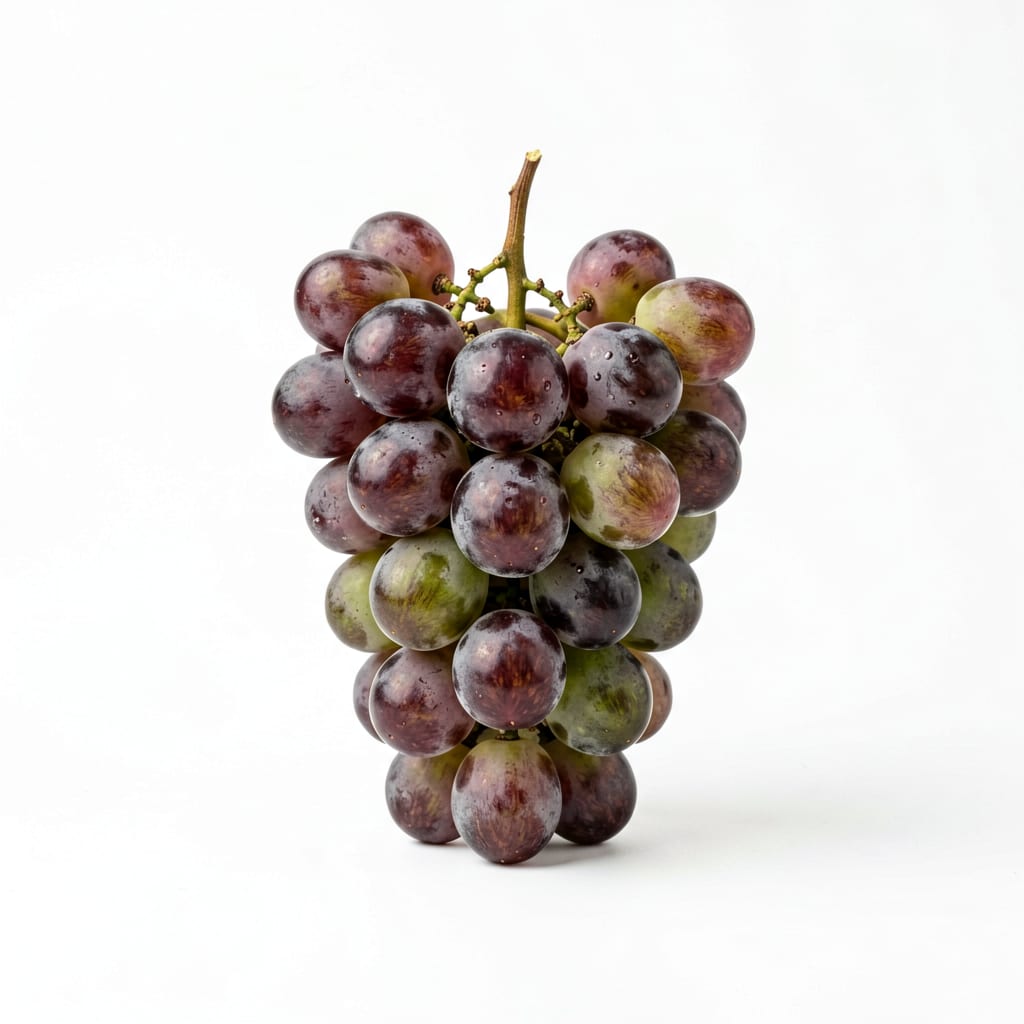
Grape
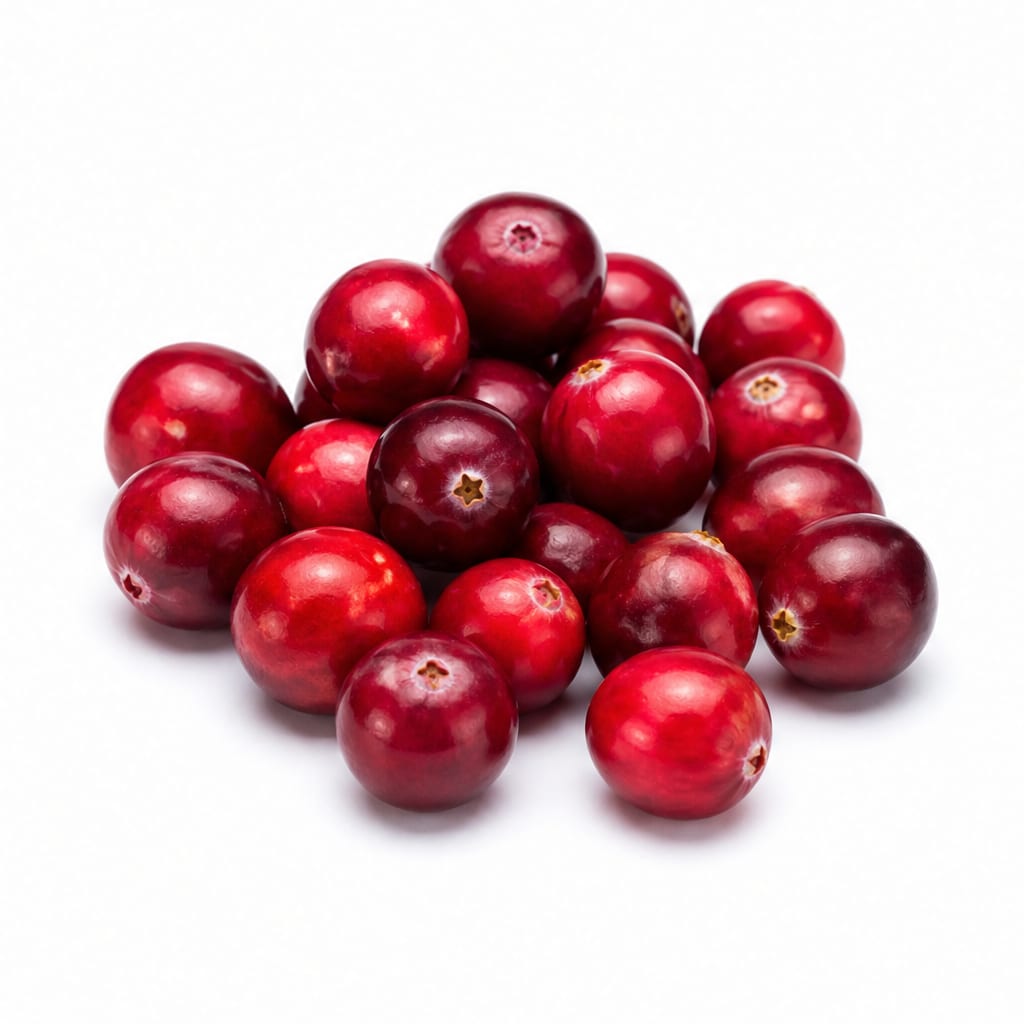
Cranberries
Grapes win on enjoyment and convenience; cranberries win on sugar control and specialized health benefits. Your choice depends on whether you prioritize easy snacking or metabolic discipline.
Cranberries edge ahead due to dramatically lower sugar, higher fiber, and unique infection-fighting compounds. Grapes score well for enjoyment and convenience but lose ground on metabolic impact and overeating potential.
Sweet, easy-to-eat grapes with higher sugar versus tart, preparation-required cranberries with powerful unique health compounds and minimal sugar
At a glance
Executive summary
Overall
It depends
Healthier
Cranberries
More practical
Grape
Daily use
Grape
Key comparison lenses
sugar content and blood sugar impact
Grapes are notably high in sugar for a fruit while cranberries are among the lowest-sugar fruits available, making this the most consequential difference for most users
antioxidant specialization
Each fruit offers a uniquely valuable antioxidant compound — resveratrol in grapes versus proanthocyanidins in cranberries — with different health targets
practical eating experience
Grapes are an effortless fresh snack while fresh cranberries are nearly inedible without preparation, creating a major real-world usability gap
urinary and infection defense
Cranberries are uniquely renowned for UTI prevention, a benefit grapes cannot replicate
weight management friendliness
The large calorie and sugar gap between these fruits directly affects satiety and overeating risk
Best choice for
Grape
- Active kids needing quick energy
- Athletes seeking natural post-workout carbs
- Anyone wanting an effortless healthy snack
- People who find tart flavors unpleasant
- Busy professionals who need grab-and-go fruit
Cranberries
- People managing blood sugar or diabetes
- Women prone to urinary tract infections
- Anyone cutting sugar while keeping fruit in their diet
- Those focused on anti-inflammatory eating
- People who enjoy cooking and recipe integration
Least suitable for
Grape
- People on strict low-carb or keto diets
- Those monitoring blood sugar closely
- Anyone prone to overeating sweet foods
- People seeking low-calorie volume eating
Cranberries
- Children who reject sour flavors
- Anyone wanting a no-prep fresh snack
- People who only like sweet fruit
- Those sensitive to oxalates
Deep comparison
Dimension by dimension
Each lens scores both foods and breaks down who each option suits.
- Dimension 1 · Priority 95Cranberries
sugar_and_blood_sugar_impact
Grape · 38Cranberries · 88Grapes contain roughly 16g of sugar per cup while cranberries contain only 4g — a fourfold difference that significantly affects blood sugar stability.
Tradeoff
Grapes deliver instant sweet satisfaction but can spike blood sugar; cranberries keep glucose steady but offer no sweet reward
Why it matters
If you are watching your weight, managing diabetes, or trying to avoid afternoon energy crashes, this sugar gap is the single most important difference between these two fruits
Real-world impact
A bowl of grapes can trigger a blood sugar roller coaster that leaves you hungry again in 45 minutes, while cranberries provide steady energy without the crash
Grape
- Quick pre-workout energy boost
- Recovering from intense exercise when you need fast carbs
Better for
- Late-night snacking that disrupts sleep quality
- Anyone counting carbs carefully
Worse for
Cranberries
- Stable energy throughout the afternoon
- Diabetes-friendly fruit choice
- Avoiding sugar-triggered cravings
Better for
- Moments when you need quick accessible energy
- Satisfying a sweet tooth naturally
Worse for
- Dimension 2 · Priority 88It depends
antioxidant_and_disease_fighting_power
Grape · 78Cranberries · 82Grapes offer resveratrol for heart and brain health; cranberries deliver proanthocyanidins that prevent bacteria from sticking to cell walls, especially in the urinary tract.
Tradeoff
Resveratrol supports cardiovascular longevity while cranberry compounds actively prevent infections — different health targets with equal scientific backing
Why it matters
Your priority determines the winner: heart and aging support favors grapes, while infection prevention and anti-inflammatory defense favors cranberries
Real-world impact
Regular grape consumption supports long-term heart health the way moderate red wine does, while cranberries act more like a daily shield against UTIs and certain bacterial threats
Grape
- Long-term cardiovascular protection
- Anti-aging and cellular defense strategies
- Brain health maintenance over decades
Better for
- Active UTI prevention is not a grape strength
Worse for
Cranberries
- Preventing recurrent urinary tract infections
- Reducing bacteria adhesion in the gut and mouth
- Fighting chronic inflammation
Better for
- Resveratrol-specific heart and longevity benefits are minimal
Worse for
- Dimension 3 · Priority 85Grape
practical_eating_experience
Grape · 92Cranberries · 35Grapes are one of the easiest fruits to eat fresh — wash and go. Fresh cranberries are intensely tart and almost always require cooking or sweetening before eating.
Tradeoff
Grapes are ready to enjoy immediately; cranberries demand recipe effort and often added sugar to become palatable, which undermines their natural low-sugar advantage
Why it matters
The best healthy food is the one you actually eat. If cranberries sit in your fridge unused because they are too sour, their nutritional superiority becomes theoretical
Real-world impact
Grapes disappear from the fruit bowl because they are effortless to snack on. Fresh cranberries often expire in the fridge because nobody wants to cook them into something
Grape
- No-prep snacking any time of day
- Packing in lunchboxes and bags
- Office desk fruit that requires zero effort
Better for
- Easy to overeat because they are so pleasant to consume
Worse for
Cranberries
- Recipe-focused cooks who enjoy preparation
- Holiday baking and sauce-making traditions
Better for
- Fresh cranberries are nearly inedible without transformation
- Dried cranberries often contain more added sugar than grapes have naturally
Worse for
- Dimension 4 · Priority 72Cranberries
fiber_and_digestive_value
Grape · 52Cranberries · 78Cranberries provide about 4g of fiber per cup compared to roughly 1g in grapes, making cranberries significantly more filling and gut-friendly per serving.
Tradeoff
More fiber means better digestion and satiety with cranberries, but grapes go down easier and feel lighter in the stomach
Why it matters
Fiber slows sugar absorption, feeds gut bacteria, and keeps you full longer — all areas where cranberries clearly outperform grapes
Real-world impact
A cup of cranberries will keep you satisfied for over an hour. A cup of grapes digests quickly and may leave you reaching for more food sooner
Grape
- Light eating before exercise when you want minimal digestive load
- People with sensitive digestion who need low-fiber options
Better for
- Poor satiety relative to calorie content
- Minimal contribution to daily fiber goals
Worse for
Cranberries
- Sustained fullness between meals
- Gut microbiome support
- Slowing down sugar absorption from the rest of your meal
Better for
- Higher fiber can cause bloating if you are not used to it
Worse for
- Dimension 5 · Priority 78Cranberries
calorie_density_and_weight_management
Grape · 45Cranberries · 82A cup of grapes delivers about 104 calories while a cup of whole cranberries delivers only 46 calories — less than half the caloric load.
Tradeoff
Cranberries let you eat more volume for fewer calories, but grapes feel more rewarding per bite because of their sweetness
Why it matters
For volume eaters who like large portions, cranberries offer far more food per calorie. Grapes make it easy to accidentally consume 200+ calories in a single snacking session
Real-world impact
You can eat two full cups of cranberries for fewer calories than one cup of grapes, which matters a lot when you are trying to lose weight without feeling deprived
Grape
- Athletes who actually need the calories
- Underweight individuals seeking energy-dense fruit
Better for
- Mindless snacking can easily exceed 200 calories
- Grapes do not trigger fullness signals proportionate to their calories
Worse for
Cranberries
- Calorie-counting and portion control
- Volume eating strategies for weight loss
- Large snacks that do not break the calorie bank
Better for
- Fresh cranberries are rarely eaten in large volumes due to tartness
Worse for
Timeline
Health impact over time
Short-term
Hours to days
Grape
- Quick energy boost from natural sugars
- Rapid blood sugar elevation that may cause a subsequent energy dip
- Easy digestion with minimal bloating or discomfort
- Satisfies sweet cravings immediately
Cranberries
- Minimal blood sugar disruption
- Noticeable tartness that may reduce overall consumption
- Mild diuretic effect that can support fluid balance
- Possible stomach discomfort if eaten in large quantities due to acidity
Long-term
Months to years
Grape
- Resveratrol intake supports cardiovascular and cognitive health over decades
- Consistent high sugar intake from frequent grape consumption may contribute to insulin resistance if not portion-controlled
- Antioxidant protection against cellular aging
- Risk of gradual weight gain if grapes are a daily uncontrolled snack
Cranberries
- Reduced frequency of urinary tract infections due to anti-adhesion compounds
- Lower cumulative sugar exposure benefits metabolic health long-term
- Anti-inflammatory properties may reduce chronic disease risk
- Oxalate content could contribute to kidney stone formation in susceptible individuals
Risk profile
Safety & processing
Both fruits are whole and minimally processed when fresh. However, cranberries present a hidden trap: most commercially available cranberry products — dried cranberries, cranberry juice, cranberry sauce — contain substantial added sugar that negates their natural low-sugar advantage. Fresh grapes are almost always consumed as-is, while fresh cranberries rarely are.
Grape
pesticide_residue
mediumGrapes consistently rank on the Environmental Working Group's Dirty Dozen list with high pesticide residue levels. Washing helps but does not eliminate all residues. Organic grapes significantly reduce this exposure.
mold_and_fermentation
lowGrapes spoil quickly and can develop mold within days. Damaged grapes may begin fermenting, producing off-flavors and potential stomach upset.
Cranberries
oxalate_accumulation
mediumCranberries contain moderate oxalates that can contribute to calcium oxalate kidney stone formation in predisposed individuals. People with a history of kidney stones should moderate intake.
added_sugar_in_processed_forms
highDried cranberries and most cranberry juices contain enormous amounts of added sugar — sometimes more than soda. This is not a safety issue with the fruit itself but with how it is most commonly sold and consumed.
medication_interaction
lowCranberry may interact with blood-thinning medications like warfarin. While evidence is mixed, patients on anticoagulants should consult their doctor before consuming large amounts daily.
Who wins for whom
Audience fit
Same foods, different winners depending on your goal.
children
GrapeKids overwhelmingly prefer the sweet taste and easy texture of grapes. Fresh cranberries are too tart for most children, and dried cranberries introduce unnecessary added sugar.
daily consumption
GrapeGrapes are sustainable as a daily fruit because they are enjoyable and effortless. Cranberries require more effort and their tartness limits spontaneous daily consumption of fresh forms.
diabetes
CranberriesWith only 4g of sugar per cup and a lower glycemic impact, cranberries are dramatically gentler on blood sugar. Grapes can cause noticeable glucose spikes in sensitive individuals.
elderly
CranberriesCranberries offer UTI prevention, anti-inflammatory benefits, and lower sugar — all particularly valuable for older adults. The tartness can be managed in cooked dishes and sauces.
muscle gain
GrapeGrapes offer more readily available carbohydrates that support glycogen replenishment after training, plus they are far easier to eat in the quantities active people need
weight loss
CranberriesCranberries provide half the calories and a quarter of the sugar per cup, making them far easier to fit into a calorie deficit — as long as you choose fresh or unsweetened forms
Your move
Decision guide
Choose Grape
- You want a healthy snack that requires zero effort or preparation
- You are active and need natural carbohydrate fuel for workouts
- You find tart foods unpleasant and want fruit that feels like a treat
- You are feeding children who need appealing fruit options
- You want heart-protective resveratrol in a delicious daily package
Choose Cranberries
- You are managing blood sugar, diabetes, or insulin resistance
- You want the lowest-sugar fruit option available
- You are prone to urinary tract infections and want natural prevention
- You enjoy cooking and want a versatile ingredient for sauces, baking, and recipes
- You are focused on anti-inflammatory eating and calorie control
Either works if
- You simply want more fruit variety in your diet
- You are generally healthy and not monitoring sugar closely
- You want antioxidant diversity from different fruit sources
- You are meal-prepping and can use both in different contexts
Avoid both if
- You are on a strict ketogenic diet keeping carbs under 20g daily
- You have a fructose intolerance or malabsorption issue
- You are sensitive to oxalates and have a history of kidney stones — especially with cranberries
Final recommendation
Keep both in rotation but be strategic: choose grapes when you need an easy, satisfying snack and choose cranberries when sugar control and infection prevention matter most. The biggest pitfall is assuming all cranberry products share the benefits of fresh cranberries — dried cranberries and cranberry juice cocktails often contain more sugar than grapes. If you pick cranberries for their low-sugar advantage, buy them fresh or unsweetened.
Practical
Consumer tips
- 1
Buy organic grapes when possible — they are consistently among the most pesticide-contaminated fruits
- 2
Freeze grapes for a refreshing summer treat that also slows down mindless eating
- 3
If buying dried cranberries, look for unsweetened or low-sugar versions — conventional dried cranberries can contain up to 29g of added sugar per serving
- 4
Fresh cranberries freeze beautifully for months, so stock up during fall harvest season when they are widely available
- 5
Add a handful of chopped fresh cranberries to oatmeal or yogurt — the tartness balances sweet breakfast foods perfectly
- 6
Avoid cranberry juice cocktails labeled as 'drink' or 'cocktail' — these are sugar-sweetened beverages with minimal actual cranberry content
- 7
Mix grapes and cranberries together in a fruit salad for a sweet-tart balance that limits overconsumption of either one