
Nutrition comparison
Grapes vs Cherries: Which Fruit Is Healthier for You?
Compare grapes and cherries on sugar, fiber, antioxidants, and weight loss impact. Find out which fruit is better for blood sugar, inflammation, and everyday snacking.
Overall winner · Cherries
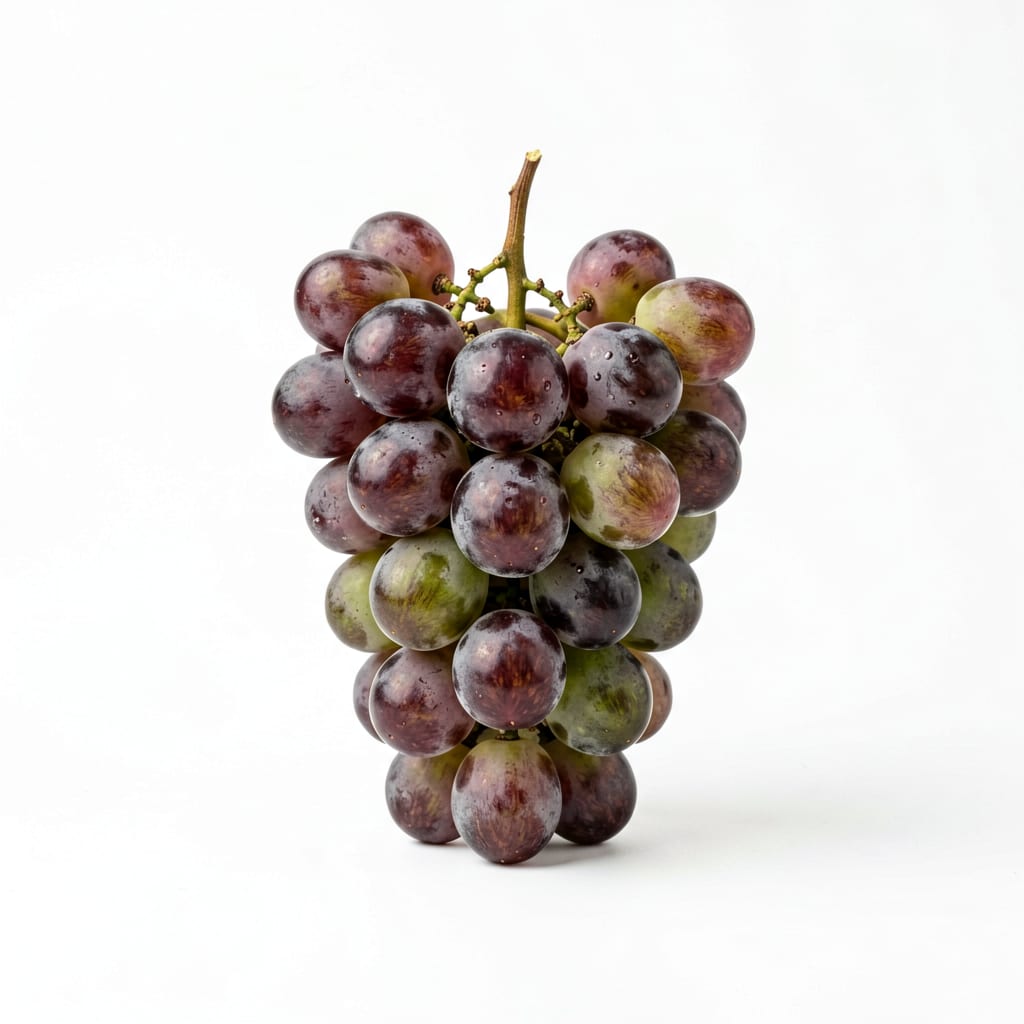
Grape
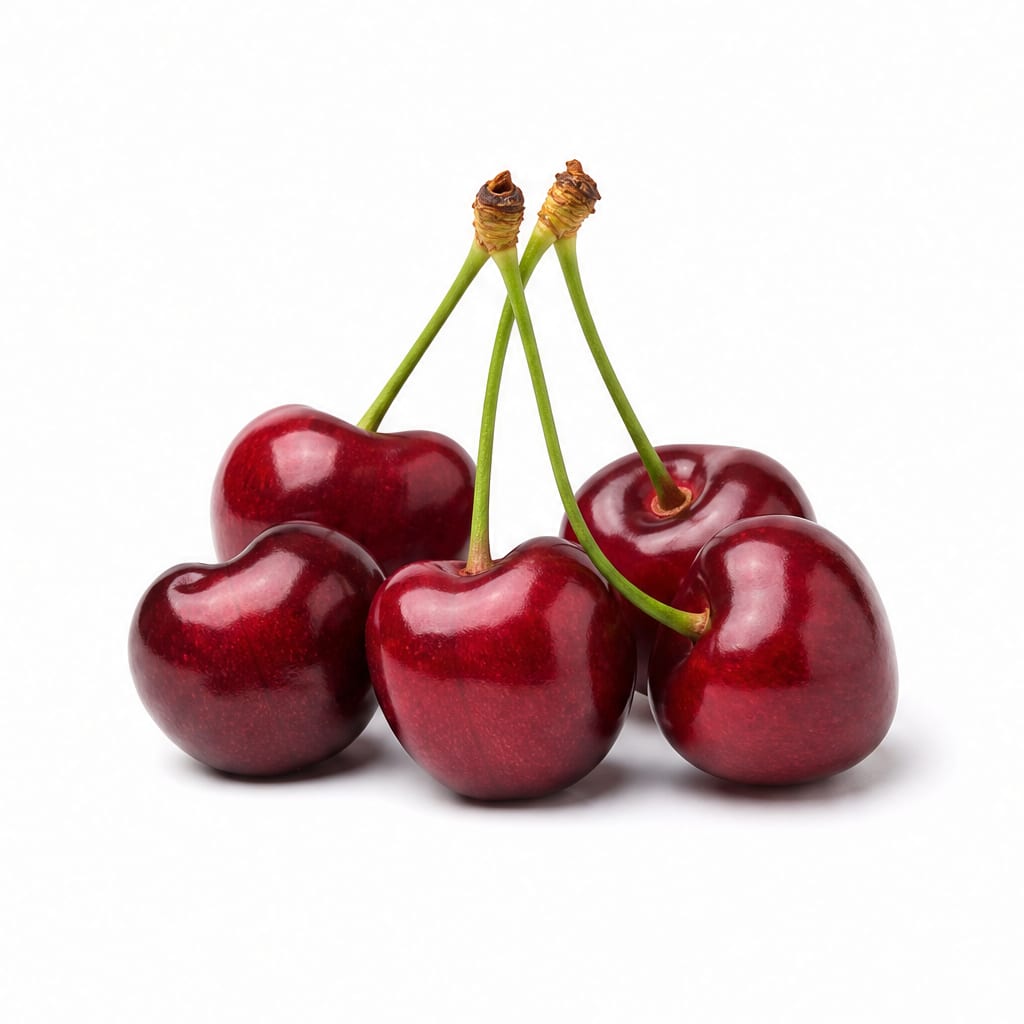
Cherries
Cherries edge out grapes thanks to lower sugar, more fiber, stronger anti-inflammatory benefits, and better satiety — though grapes win on convenience and year-round availability.
Cherries score notably higher due to lower sugar, more fiber, stronger anti-inflammatory properties, and better satiety. Grapes remain solid but their high sugar and easy overconsumption pull them down.
Grapes are easier to grab and eat anytime, but their high sugar and low satiety make them easy to overeat. Cherries take more effort but reward you with steadier energy and deeper nutritional benefits.
At a glance
Executive summary
Overall
Cherries
Healthier
Cherries
More practical
Grape
Daily use
It depends
Key comparison lenses
sugar and blood sugar management
Grapes are notably higher in sugar and easier to overconsume, making blood sugar impact the most critical differentiator
snackability and portion control
Both are pop-in-your-mouth fruits but grapes are far easier to overeat mindlessly, which matters for weight management
antioxidant and anti-inflammatory value
Cherries offer superior anti-inflammatory compounds and tart cherries have unique recovery and sleep benefits
convenience and everyday practicality
Grapes require no pit removal and are available year-round, while cherries have pits and a short season
satiety and fullness per calorie
Cherries provide more fiber and are more filling, which affects how much you actually eat in a sitting
Best choice for
Grape
- People who need a quick, no-prep fruit snack on the go
- Anyone bothered by pits or messy prep
- Year-round fruit lovers who want consistent availability
- Kids who may choke on pits
Cherries
- Athletes seeking natural recovery and anti-inflammatory support
- People managing blood sugar or watching their sugar intake
- Anyone trying to lose weight or control portions
- People with joint pain or inflammation concerns
Least suitable for
Grape
- People strictly limiting sugar intake
- Anyone prone to mindless snacking
- Diabetics needing low-glycemic fruit options
Cherries
- Young children who cannot safely manage pits
- People wanting affordable fruit out of season
- Anyone seeking a zero-prep grab-and-go option
Deep comparison
Dimension by dimension
Each lens scores both foods and breaks down who each option suits.
- Dimension 1 · Priority 92Cherries
sugar and blood sugar impact
Grape · 45Cherries · 78Grapes contain roughly 16g of sugar per 100g compared to about 8-13g in cherries, making cherries significantly gentler on blood sugar.
Tradeoff
Grapes deliver quick energy but can spike blood sugar faster, while cherries provide a steadier, more sustained energy release.
Why it matters
If you're watching your sugar intake or trying to avoid afternoon energy crashes, this difference is substantial and noticeable in daily life.
Real-world impact
A bowl of grapes can leave you hungry again in 30 minutes, while the same amount of cherries keeps you satisfied longer with less of a sugar roller coaster.
Grape
- Quick pre-workout energy boost
- Endurance athletes needing fast carbs
Better for
- Late-night snacking (sugar close to bed)
- Blood sugar management
Worse for
Cherries
- Steady afternoon snacking without crashes
- Diabetics or prediabetics managing glucose
- Anyone cutting sugar without cutting fruit
Better for
- Moments when you need immediate energy
Worse for
- Dimension 2 · Priority 88Cherries
satiety and portion control
Grape · 38Cherries · 72Cherries are more filling per calorie thanks to higher fiber and the natural pace of eating around pits, while grapes are notoriously easy to overeat.
Tradeoff
Grapes are effortless to eat by the handful, which sounds nice until you've finished a whole bag without noticing. Cherries force a slower eating pace.
Why it matters
Mindless overeating is one of the biggest hidden traps with fruit. The food that slows you down often ends up being the better choice for weight management.
Real-world impact
It's easy to consume 300+ calories of grapes while watching TV. The same behavior with cherries is much harder because pits create natural pauses.
Grape
- Situations where you want effortless eating
- Parties or social grazing
Better for
- Anyone who struggles with portion control
- Emotional or mindless eating patterns
Worse for
Cherries
- Weight loss or calorie awareness
- Mindful eating practices
- Controlling late-night portions
Better for
- When you need to eat quickly without focus
Worse for
- Dimension 3 · Priority 85Cherries
antioxidant and anti-inflammatory power
Grape · 60Cherries · 88Cherries — especially tart varieties — are among the most anti-inflammatory fruits available, with anthocyanins and melatonin that grapes cannot match.
Tradeoff
Grapes offer resveratrol in their skins, which is valuable, but cherries deliver a broader and more potent anti-inflammatory package overall.
Why it matters
Chronic inflammation drives joint pain, heart disease, and aging. Small daily choices that reduce inflammation compound significantly over years.
Real-world impact
Tart cherry juice is studied specifically for reducing muscle soreness and improving sleep. Grapes simply do not have this level of targeted research behind them.
Grape
- Red wine lovers who want resveratrol without alcohol
- General antioxidant support
Better for
- Targeted anti-inflammatory needs
Worse for
Cherries
- Runners and athletes recovering from hard training
- People with arthritis or joint stiffness
- Anyone seeking better sleep quality
Better for
- Nothing significant — cherries dominate this category
Worse for
- Dimension 4 · Priority 78Grape
convenience and practicality
Grape · 90Cherries · 55Grapes require zero prep, no pit removal, and are available in every grocery store year-round. Cherries have pits, a short season, and higher cost.
Tradeoff
Grapes are the ultimate grab-and-go fruit. Cherries demand more effort and planning, but many people find the eating experience more rewarding.
Why it matters
The best fruit nutritionally is the one you actually eat. If cherries are only available three months a year, grapes may be your daily default for good reason.
Real-world impact
You can toss grapes in a lunch bag in five seconds. Cherries require pitting or careful eating, and fresh ones can cost two to three times more per pound.
Grape
- Busy mornings and packed lunches
- Road trips and commuting snacks
- Budget-conscious weekly meal prep
Better for
- Situations where nutritional density matters more than convenience
Worse for
Cherries
- Leisurely weekend breakfasts
- Dessert replacements where experience matters
Better for
- Quick on-the-go snacking
- Feeding large families on a budget
Worse for
- Dimension 5 · Priority 72Cherries
fiber and digestive health
Grape · 48Cherries · 74Cherries provide roughly twice the fiber per serving compared to grapes, supporting better digestion and more stable blood sugar.
Tradeoff
Grapes are gentler on sensitive stomachs due to lower fiber, but they offer less digestive benefit overall.
Why it matters
Most people fall short on daily fiber. Choosing higher-fiber fruit is an easy, painless way to close that gap without supplements.
Real-world impact
A cup of cherries contributes meaningfully toward your daily fiber goal. A cup of grapes barely moves the needle.
Grape
- People with sensitive digestion who need lower-fiber options
- Recovery from gastrointestinal flare-ups
Better for
- Anyone needing more fiber in their diet
Worse for
Cherries
- Improving daily fiber intake effortlessly
- Supporting gut health and regularity
Better for
- Acute digestive sensitivity episodes
Worse for
Timeline
Health impact over time
Short-term
Hours to days
Grape
- Quick energy boost from natural sugars
- Easy to overeat, potentially leading to a sugar crash
- Very gentle on the stomach due to low fiber
Cherries
- Steadier energy with less spike and crash
- More filling, reducing the urge to keep snacking
- Tart cherries may promote drowsiness before bed
Long-term
Months to years
Grape
- Resveratrol from red and purple grapes supports heart health over time
- Habitual overconsumption could contribute to excess sugar intake
- Consistent vitamin K intake supports bone health
Cherries
- Strong anti-inflammatory protection for joints and cardiovascular system
- Better blood sugar habits reduce long-term metabolic risk
- Anthocyanins may support cognitive health as you age
Risk profile
Safety & processing
Both grapes and cherries are whole, minimally processed fruits when purchased fresh. The main concern is pesticide residue on conventionally grown versions of both, especially since neither is typically peeled before eating.
Grape
pesticide residue
mediumGrapes consistently rank on the Environmental Working Group's Dirty Dozen list due to high pesticide residue on conventional varieties. Washing helps but does not eliminate all residues.
Cherries
pesticide residue
mediumCherries also appear on the Dirty Dozen list. Conventional cherries carry significant pesticide residue, making organic a worthwhile investment if budget allows.
choking hazard from pits
lowCherry pits pose a choking risk for young children and can crack teeth if bitten accidentally. Not a concern for most adults but worth noting for families.
Who wins for whom
Audience fit
Same foods, different winners depending on your goal.
children
GrapeGrapes are easier for kids to manage without pit-related choking risks, though they should still be cut lengthwise for children under four.
daily consumption
It dependsGrapes are more practical for daily use due to availability and convenience, but cherries offer better nutrition. The best daily choice depends on whether you prioritize ease or health optimization.
diabetes
CherriesLower sugar content and higher fiber make cherries significantly more blood-sugar-friendly, though both should be consumed in mindful portions.
elderly
CherriesAnti-inflammatory benefits and better blood sugar control are especially valuable for older adults, and cherry fiber supports digestive regularity.
muscle gain
CherriesTart cherries are specifically studied for reducing exercise-induced muscle damage and speeding recovery, giving them a unique edge for athletes.
weight loss
CherriesCherries have less sugar, more fiber, and are harder to overeat — three advantages that matter enormously for weight management.
Your move
Decision guide
Choose Grape
- You want a no-prep fruit that is always available and affordable
- You are packing snacks for kids and need something safe and easy
- You need quick carbohydrate energy before or during exercise
- You struggle to eat any fruit at all and need the most accessible option
Choose Cherries
- You want maximum anti-inflammatory and recovery benefits from fruit
- You are watching your sugar intake or managing blood sugar
- You tend to overeat snack foods and need something that slows you down
- You struggle with joint pain, poor sleep, or post-workout soreness
Either works if
- You simply want a whole-food fruit snack and both are available
- You are rotating fruits for dietary variety and antioxidant diversity
- You are eating moderate portions and neither sugar nor convenience is a major concern
Avoid both if
- You have a severe fructose intolerance or malabsorption issue
- You are on a very strict ketogenic diet and cannot afford the carbs
- You have a known allergy to either fruit (rare but possible)
Final recommendation
Choose cherries when they are in season and you want the stronger nutritional payoff. Choose grapes when convenience, cost, or availability matter more. If you eat both regularly, prioritize organic for either since both carry significant pesticide residue when conventionally grown.
Practical
Consumer tips
- 1
Buy organic for both grapes and cherries whenever possible — both are heavy pesticide carriers
- 2
Wash grapes thoroughly even if organic, as tight clusters trap residue in hard-to-reach spots
- 3
Freeze cherries during summer season to enjoy their benefits year-round at a lower cost
- 4
If grapes are your daily fruit, portion them into a small bowl instead of eating from the bag to avoid mindless overconsumption
- 5
Tart cherry juice or dried tart cherries can deliver similar anti-inflammatory benefits when fresh cherries are out of season
- 6
Red and purple grapes contain more resveratrol than green grapes — choose darker skins for the antioxidant advantage