
Nutrition comparison
Grapes vs Blueberries: Which Is Healthier for Daily Snacking?
Compare grapes and blueberries on sugar, antioxidants, brain health, and weight control. Find out which fruit is better for your goals and when to choose each.
Overall winner · Blueberries
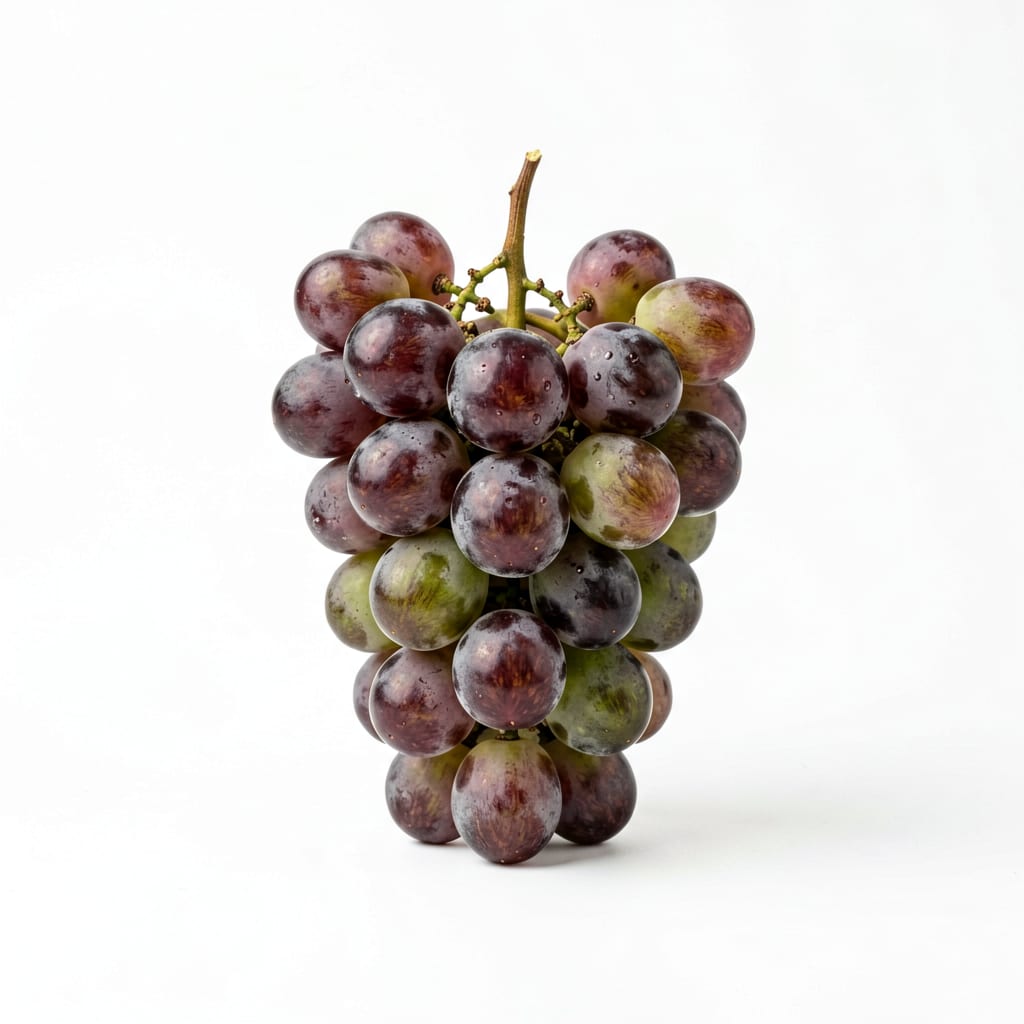
Grape
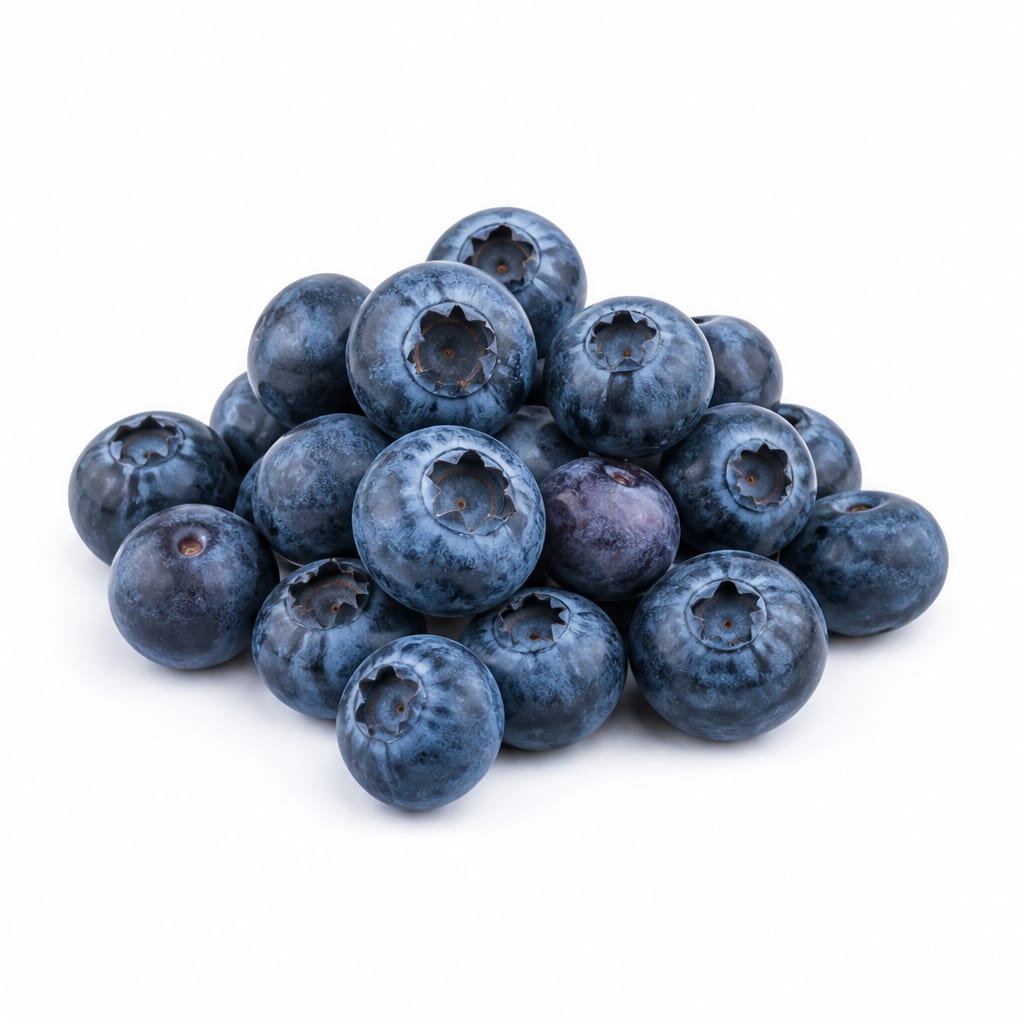
Blueberries
Blueberries win on nutrient density, sugar control, and brain health, while grapes offer unique heart benefits via resveratrol and a more satisfying crunch.
Blueberries score notably higher due to superior antioxidant density, lower sugar, and stronger evidence for cognitive benefits. Grapes remain a solid choice but their higher sugar and easier overconsumption pull the score down.
Grapes give you more volume and resveratrol for heart health; blueberries give you more antioxidants per bite with less sugar impact.
At a glance
Executive summary
Overall
Blueberries
Healthier
Blueberries
More practical
Grape
Daily use
Blueberries
Key comparison lenses
antioxidant density and longevity benefits
Both are prized for antioxidants but blueberries deliver significantly more per calorie, making this the defining tradeoff
sugar impact and portion control
Grapes are notably higher in sugar and easier to overeat, which matters for daily snacking decisions
brain health and cognitive protection
Blueberries have strong clinical evidence for cognitive benefits that grapes cannot match
heart health comparison
Resveratrol in grapes versus anthocyanins in blueberries creates a meaningful cardiovascular tradeoff
pesticide exposure and organic importance
Both appear on the Dirty Dozen list, making sourcing a real concern for regular consumers
Best choice for
Grape
- Athletes needing quick natural sugar after workouts
- People wanting affordable bulk fruit for families
- Those prioritizing heart-specific polyphenols like resveratrol
- Anyone seeking a hydrating, refreshing snack in hot weather
Blueberries
- People managing blood sugar or watching their weight
- Older adults focused on cognitive protection
- Anyone wanting maximum antioxidant bang per calorie
- Those who struggle with portion control and tend to overeat fruit
Least suitable for
Grape
- People with diabetes or insulin resistance due to higher sugar
- Anyone prone to mindless snacking — grapes disappear fast
- Those on strict low-carb or keto diets
Blueberries
- Budget-conscious shoppers feeding a large family regularly
- Those who find tart flavors unappealing and prefer sweeter fruit
Deep comparison
Dimension by dimension
Each lens scores both foods and breaks down who each option suits.
- Dimension 1 · Priority 95Blueberries
antioxidant_power_and_nutrient_density
Grape · 60Blueberries · 92Blueberries deliver far more antioxidants per calorie, especially anthocyanins linked to brain and cellular health.
Tradeoff
Grapes offer resveratrol, a unique antioxidant blueberries lack, but the total antioxidant volume favors blueberries heavily.
Why it matters
Higher antioxidant density means more protection against aging and disease from fewer calories consumed.
Real-world impact
A cup of blueberries gives you roughly double the antioxidant punch of a cup of grapes without the sugar spike.
Grape
- Resveratrol-specific benefits for heart and longevity
- Vitamin K needs
Better for
- Lower overall antioxidant concentration
- More calories needed to get equivalent polyphenol intake
Worse for
Blueberries
- Total antioxidant capacity per serving
- Anthocyanin-driven brain and eye health
- Cellular protection against oxidative stress
Better for
- No resveratrol content
- Slightly less vitamin K per serving
Worse for
- Dimension 2 · Priority 90Blueberries
sugar_content_and_blood_sugar_impact
Grape · 45Blueberries · 72Grapes contain roughly 60% more sugar per serving than blueberries, with less fiber to slow absorption.
Tradeoff
Grapes provide quick energy but risk blood sugar spikes; blueberries offer steadier energy with gentler glycemic impact.
Why it matters
Sugar differences compound over time, especially for daily snackers or those with metabolic concerns.
Real-world impact
That bowl of grapes you mindlessly eat during a movie can easily deliver 30+ grams of sugar before you notice.
Grape
- Quick pre-workout fuel
- Immediate energy replenishment after endurance activity
Better for
- Higher glycemic load per serving
- Easy to exceed sugar targets without realizing
- Less fiber to buffer glucose absorption
Worse for
Blueberries
- Stable blood sugar between meals
- Satiety that lasts longer without the crash
- Safer choice for prediabetes or insulin resistance
Better for
- May feel less immediately energizing
- Smaller serving sizes feel less substantial
Worse for
- Dimension 3 · Priority 85Blueberries
satiety_and_portion_control
Grape · 40Blueberries · 70Blueberries are more self-limiting due to tartness and fiber, while grapes are notoriously easy to overeat.
Tradeoff
Grapes feel more satisfying bite-by-bite but rarely trigger fullness signals before you have eaten too many.
Why it matters
Foods that fail to signal fullness silently drive overconsumption, undermining health goals.
Real-world impact
Most people stop eating blueberries naturally. Few people stop eating grapes naturally.
Grape
- More volume per dollar, which feels satisfying
- Juicier mouthfeel that feels hydrating and filling in the moment
Better for
- Low fiber-to-sugar ratio means hunger returns quickly
- Grazing behavior is almost inevitable without pre-portioning
Worse for
Blueberries
- Built-in portion control from flavor and texture
- More fiber per calorie keeps you fuller longer
- Less likely to trigger a sugar-fueled overeating cycle
Better for
- Smaller berries feel like less food psychologically
- May not satisfy cravings for something juicy and sweet
Worse for
- Dimension 4 · Priority 85Blueberries
brain_health_and_cognitive_protection
Grape · 50Blueberries · 90Blueberries have the strongest clinical evidence of any common fruit for improving memory and slowing cognitive decline.
Tradeoff
Grapes support brain health through blood flow improvement via resveratrol, but blueberries directly protect neurons through anthocyanins.
Why it matters
Cognitive decline prevention is one of the most impactful long-term health outcomes food can influence.
Real-world impact
Regular blueberry consumption has been linked to measurable memory improvements in as little as 12 weeks in older adults.
Grape
- Resveratrol supports cerebral blood flow
- May help protect against stroke-related damage
Better for
- Less direct evidence for cognitive preservation
- Higher sugar may counteract some neuroprotective benefits
Worse for
Blueberries
- Direct neuroprotective effects from anthocyanins
- Proven memory and executive function benefits in clinical trials
- Accumulation of brain-protective compounds with regular intake
Better for
- Benefits require consistent intake over weeks and months
Worse for
- Dimension 5 · Priority 75It depends
heart_health_benefits
Grape · 75Blueberries · 78This is surprisingly close. Grapes excel with resveratrol for blood vessel health; blueberries win on inflammation and cholesterol.
Tradeoff
Grapes target vascular function directly while blueberries reduce the inflammatory drivers of heart disease more broadly.
Why it matters
Heart disease prevention benefits from multiple pathways, and these fruits address different ones.
Real-world impact
Red grapes may be the better choice if cardiovascular runs in your family; blueberries are better if inflammation is your primary concern.
Grape
- Resveratrol improves endothelial function and blood flow
- Potassium supports healthy blood pressure
- May reduce LDL oxidation specifically
Better for
- Higher sugar can contribute to triglyceride elevation
- Less fiber for cholesterol binding
Worse for
Blueberries
- Anthocyanins lower systemic inflammation markers
- Better fiber content supports cholesterol management
- Pterostilbene in blueberries acts similarly to resveratrol
Better for
- Less resveratrol than red grapes specifically
- Smaller serving sizes mean less total potassium
Worse for
- Dimension 6 · Priority 65Grape
convenience_and_affordability
Grape · 82Blueberries · 55Grapes are cheaper per pound, easier to find year-round, and simpler to prep — just rinse and eat.
Tradeoff
Blueberries cost significantly more and spoil faster, but frozen blueberries solve both problems cheaply.
Why it matters
The best fruit nutritionally is the one you actually buy and eat consistently.
Real-world impact
A pound of grapes often costs half what a pint of blueberries costs at the same store.
Grape
- Lower cost per serving at most grocery stores
- More widely available in consistent quality
- Easier to wash and serve for groups and kids
- Longer fridge life when fresh
Better for
- Larger size makes them less versatile as a recipe ingredient
Worse for
Blueberries
- Frozen blueberries are affordable and retain nutrients
- Smaller size makes them easy to add to yogurt, oatmeal, and smoothies
Better for
- Fresh blueberries are expensive and spoil quickly
- Limited availability of quality fresh berries in some regions
Worse for
Timeline
Health impact over time
Short-term
Hours to days
Grape
- Quick energy boost from natural sugars, ideal before physical activity
- Hydrating due to high water content, refreshing in summer heat
- Risk of sugar crash if eaten in large quantities on an empty stomach
Blueberries
- Steadier, more sustained energy without the spike-and-crash pattern
- Mild anti-inflammatory effect noticeable with regular intake over days
- Tartness can be off-putting initially but grows on most people
Long-term
Months to years
Grape
- Resveratrol intake from red grapes may support cardiovascular longevity
- Consistent high sugar intake from overconsumption could contribute to metabolic issues
- Potassium contribution supports blood pressure management over time
Blueberries
- Strong evidence for slowed cognitive decline with years of regular consumption
- Anthocyanin accumulation supports eye health and reduced inflammation
- Better blood sugar management reduces long-term metabolic disease risk
Risk profile
Safety & processing
Both are whole, unprocessed fruits you eat as nature intended. Neither contains additives unless dried, juiced, or packaged with sweeteners.
Grape
pesticide_residue
highGrapes consistently rank on the EWG Dirty Dozen list with multiple pesticide residues detected on conventional samples. Washing helps but does not remove all residues.
mold_and_fungal_toxins
mediumGrapes are prone to mold growth in transit and storage. Inspect clusters carefully and discard any soft or wrinkled grapes immediately.
Blueberries
pesticide_residue
highBlueberries also appear on the Dirty Dozen list. Conventional berries frequently test positive for multiple pesticide residues, making organic a worthwhile investment.
spoilage_and_fermentation
mediumBlueberries spoil quickly at room temperature and can begin fermenting within days. Refrigerate immediately and consume within a week.
Who wins for whom
Audience fit
Same foods, different winners depending on your goal.
children
GrapeKids generally prefer the sweeter taste and fun texture of grapes, and the potassium supports growing bodies. Just pre-portion to limit sugar intake.
daily consumption
BlueberriesBetter nutrient density per calorie and lower cumulative sugar intake make blueberries the smarter daily habit.
diabetes
BlueberriesLower glycemic load and more fiber make blueberries significantly safer for blood sugar management.
elderly
BlueberriesThe cognitive protection benefits are most relevant for older adults, and the lower sugar impact matters more with age.
muscle gain
GrapeGrapes provide faster-digesting carbs useful around workouts, and the extra calories support a surplus more easily.
weight loss
BlueberriesLower sugar, more fiber, and built-in portion control make blueberries easier to fit into a calorie deficit without overeating.
Your move
Decision guide
Choose Grape
- You need affordable, crowd-pleasing fruit for a family or group
- You want quick natural sugar before or after exercise
- Heart health is your top priority and you eat red grapes for resveratrol
- You find blueberries too tart and would end up not eating fruit at all
Choose Blueberries
- You want maximum health benefits per calorie consumed
- Blood sugar management or weight control matters to you
- Brain health and cognitive longevity are priorities
- You tend to snack mindlessly and need a fruit that self-limits
Either works if
- You just want a whole fruit snack instead of processed junk
- You are rotating fruits for dietary variety, which is ideal anyway
- Both are available and affordable where you shop
Avoid both if
- You are on a strict ketogenic diet keeping carbs under 20g daily
- You have a severe allergy to either fruit, which is rare but possible
- You can only access poor-quality or moldy versions of either fruit
Final recommendation
Make blueberries your daily default for the antioxidant density and blood sugar advantage, but keep grapes in rotation for variety, affordability, and their unique resveratrol benefits. If budget forces a choice, frozen blueberries deliver nearly identical nutrition at a fraction of the fresh price.
Practical
Consumer tips
- 1
Buy organic for both fruits — they are consistently on the Dirty Dozen list and you eat the skin
- 2
Frozen blueberries are nutritionally comparable to fresh and cost roughly half the price per serving
- 3
Pre-portion grapes into small bags or containers immediately after buying to prevent mindless overeating
- 4
Wash both fruits right before eating, not before storing, to prevent faster spoilage
- 5
Red and purple grapes contain more resveratrol than green grapes — choose darker skins for heart benefits
- 6
Add blueberries to oatmeal, yogurt, or smoothies to stretch a small amount across multiple meals
- 7
Avoid grape juice — it concentrates the sugar while removing the fiber that makes whole grapes worthwhile