
Nutrition comparison
Grapes vs Bananas: Which Fruit Is Better for Your Health Goals?
Compare grapes and bananas on blood sugar, weight loss, potassium, antioxidants, and more. Find out which fruit fits your diet, workout routine, and lifestyle best.
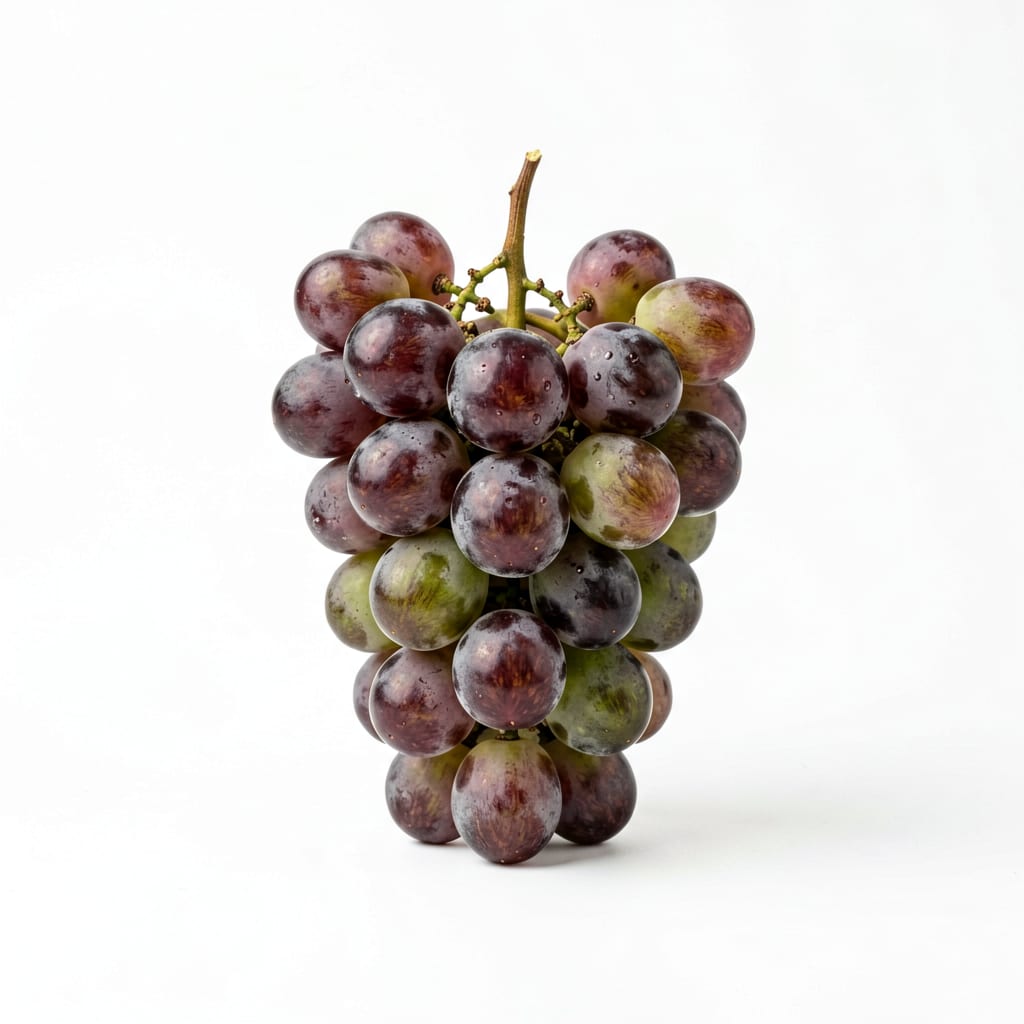
Grape
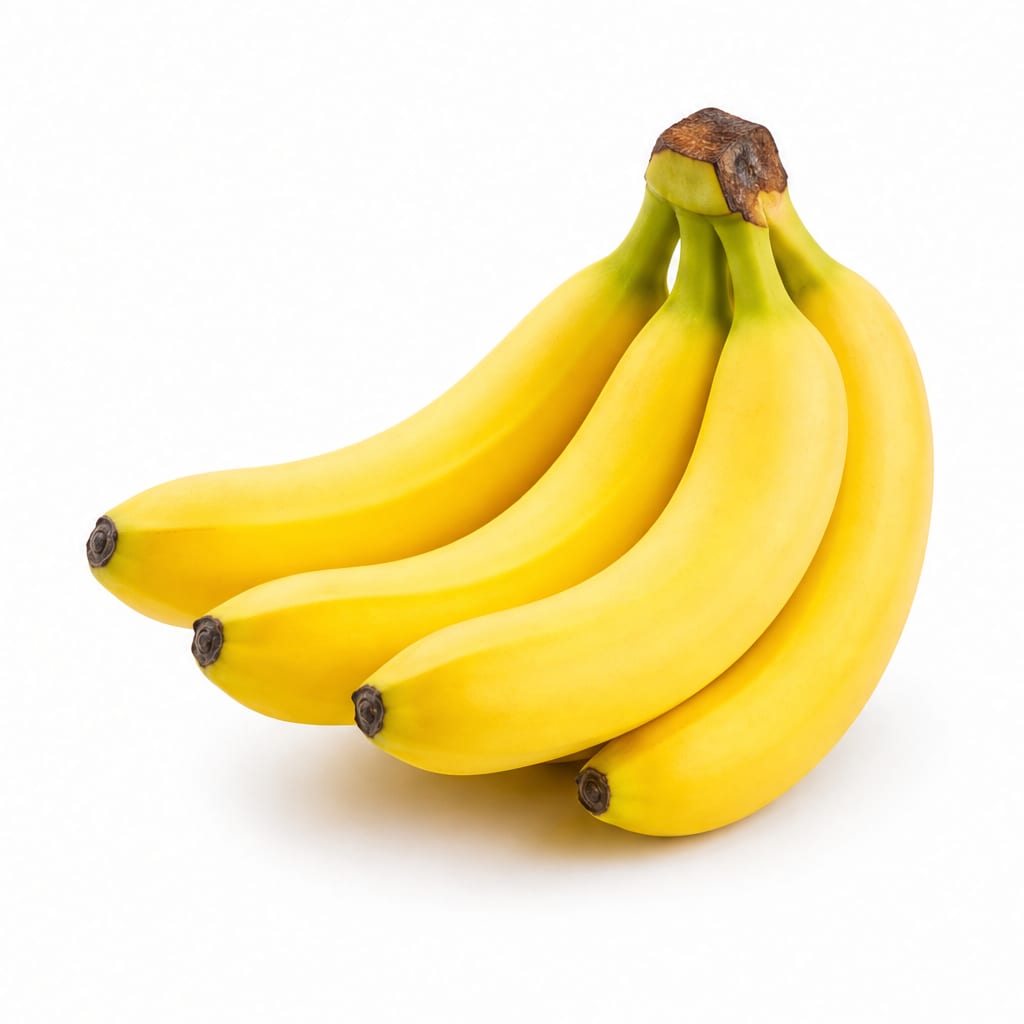
Bananas
Bananas win on satiety and potassium; grapes win on antioxidants and portion control. Your goals decide the winner.
Bananas edge ahead slightly due to superior satiety, potassium content, and affordability for daily use. Grapes remain excellent for antioxidants and lower calorie density but are easier to overeat and more expensive per serving.
Bananas fill you up longer and fuel muscles better, but grapes offer more protective antioxidants with fewer calories per bite.
At a glance
Executive summary
Overall
It depends
Healthier
It depends
More practical
Bananas
Daily use
Bananas
Key comparison lenses
blood sugar management
Both are sweet fruits with notable sugar content, making glycemic impact a primary concern for many users
weight loss snacking
Both are popular snack fruits, but differ significantly in calorie density and ease of overconsumption
pre-workout energy
Bananas are a classic exercise fuel; grapes offer a lighter alternative with different energy dynamics
everyday fruit choice
Consumers often choose between these two as staple fruits and need clarity on tradeoffs
pesticide and safety concerns
Grapes frequently appear on the Dirty Dozen list while bananas have thick protective peels
Best choice for
Grape
- Antioxidant support and anti-aging benefits
- Lower-calorie snacking when you want volume
- Blood sugar management when eaten in measured portions
- Adding variety to a fruit rotation
Bananas
- Sustained energy before or after workouts
- Muscle cramp prevention and electrolyte replenishment
- Filling on-the-go breakfast or snack
- Budget-friendly daily fruit staple
Least suitable for
Grape
- People who struggle with portion control on sweet foods
- Those strictly limiting sugar intake
- Budget-conscious shoppers buying out of season
Bananas
- People managing diabetes with tight glucose control
- Those on low-carb or ketogenic diets
- Anyone watching calorie density closely
Deep comparison
Dimension by dimension
Each lens scores both foods and breaks down who each option suits.
- Dimension 1 · Priority 92Grape
Blood Sugar Stability
Grape · 65Bananas · 55Grapes have a lower glycemic index and less carbohydrate per serving, making them gentler on blood sugar when portions are controlled.
Tradeoff
A single banana packs more carbs than a cup of grapes, but bananas provide resistant starch when less ripe that grapes cannot match.
Why it matters
If you are managing diabetes, insulin resistance, or afternoon energy crashes, the fruit you choose shapes your entire metabolic response.
Real-world impact
A ripe banana can spike blood sugar noticeably within 30 minutes, while a handful of grapes gives a slower, gentler rise.
Grape
- Steadier glucose response in small portions
- Less carbohydrate load per serving
Better for
- Easy to eat large quantities quickly, negating the glycemic advantage
Worse for
Bananas
- Resistant starch in green bananas feeds gut bacteria and slows absorption
Better for
- Ripe bananas have a glycemic index approaching 60, which can cause noticeable spikes
Worse for
- Dimension 2 · Priority 88Bananas
Satiety and Fullness
Grape · 50Bananas · 78Bananas are significantly more filling per calorie due to higher fiber and denser texture that slows eating pace.
Tradeoff
You feel full longer after a banana, but grapes let you eat more volume for fewer calories if you just want something to nibble on.
Why it matters
Choosing a snack that actually satisfies prevents overeating later in the day.
Real-world impact
A banana at 10am often holds you until lunch. A bowl of grapes might leave you hungry again within an hour.
Grape
- More volume per calorie for mindless snacking enjoyment
Better for
- Low fiber and high water content mean hunger returns quickly
Worse for
Bananas
- Higher fiber content slows digestion
- Denser texture promotes chewing satisfaction
- More effective at curbing hunger between meals
Better for
- Higher calorie density can add up if you eat multiple bananas
Worse for
- Dimension 3 · Priority 82Grape
Antioxidant and Protective Compounds
Grape · 85Bananas · 45Grapes, especially red and purple varieties, deliver resveratrol and flavonoids that bananas simply cannot match.
Tradeoff
You get more cellular protection from grapes but miss out on the electrolyte and starch benefits bananas provide.
Why it matters
Long-term health is shaped by cumulative antioxidant intake, not just vitamins and minerals.
Real-world impact
Regular consumption of red grapes supports heart and brain health in ways bananas do not replicate.
Grape
- Resveratrol supports cardiovascular and cognitive health
- Polyphenols reduce oxidative stress
- Darker grape varieties concentrate protective compounds in the skin
Better for
- Green grapes have far fewer antioxidants than red or purple varieties
Worse for
Bananas
- Dopamine and catechins provide modest antioxidant activity
Better for
- Overall antioxidant capacity is modest compared to most berries and dark grapes
Worse for
- Dimension 4 · Priority 78Bananas
Potassium and Electrolyte Support
Grape · 40Bananas · 90Bananas are one of the best fruit sources of potassium, delivering roughly 9% of daily needs per banana versus about 3% per cup of grapes.
Tradeoff
For muscle function, cramp prevention, and blood pressure regulation, bananas are clearly superior. Grapes contribute minimally.
Why it matters
Most people under-consume potassium, and adequate intake directly supports heart rhythm and muscle performance.
Real-world impact
A banana after a sweaty workout helps replenish what you lost. Grapes would require multiple cups to approach the same benefit.
Grape
- Some potassium contribution, though modest
Better for
- Relatively poor potassium source compared to most fruits
Worse for
Bananas
- Excellent potassium source for heart and muscle health
- Also provides magnesium that works alongside potassium
- Widely recommended for leg cramp prevention
Better for
- Not a concern for this dimension
Worse for
- Dimension 5 · Priority 85Grape
Weight Management
Grape · 72Bananas · 58Grapes offer more food volume per calorie, making them better for portion-aware snacking despite their sugar content.
Tradeoff
Grapes are lower calorie per cup but dangerously easy to overeat. Bananas are higher calorie but naturally self-limiting since you typically eat just one.
Why it matters
Both foods can support or undermine weight goals depending on how you eat them.
Real-world impact
Mindlessly snacking on grapes from the bag can easily add 200+ calories. A single banana is portion-controlled by nature.
Grape
- Lower calorie density allows more volume per serving
- Can satisfy sweet cravings with fewer calories if portioned
Better for
- Grazing on grapes from a bag makes calorie tracking very difficult
Worse for
Bananas
- Built-in portion control since you usually eat one at a time
- More filling so less likely to trigger additional snacking
Better for
- A large banana can exceed 120 calories, which adds up quickly
Worse for
- Dimension 6 · Priority 75Bananas
Convenience and Practicality
Grape · 60Bananas · 85Bananas come in their own biodegradable packaging, need no washing, and are among the cheapest fruits available year-round.
Tradeoff
Grapes require washing, can spoil quickly, and cost significantly more per serving.
Why it matters
The best fruit for you is the one you actually eat consistently, and convenience drives consistency.
Real-world impact
Toss a banana in your bag on the way out the door. Grapes need a container, a rinse, and careful handling.
Grape
- No peeling required, ready to pop in your mouth
Better for
- Must be washed before eating
- Delicate and prone to spoilage
- More expensive per serving especially out of season
Worse for
Bananas
- No washing needed, just peel and eat
- Thick peel protects during transport
- Consistently affordable year-round
- Longer shelf life before spoilage
Better for
- Bruise easily in bags
- Peel can attract fruit flies
Worse for
- Dimension 7 · Priority 70Bananas
Pesticide and Contamination Risk
Grape · 45Bananas · 85Grapes consistently rank on the Environmental Working Group Dirty Dozen list due to high pesticide residues on their thin skins. Bananas are shielded by their thick peel.
Tradeoff
Choosing organic grapes significantly reduces exposure but increases cost. Bananas remain low-risk even when conventionally grown.
Why it matters
Chronic low-level pesticide exposure may affect hormonal and neurological health over time.
Real-world impact
You can eat conventional bananas with minimal concern. Conventional grapes should ideally be organic or thoroughly washed.
Grape
- No meaningful advantage in this dimension
Better for
- Thin skin absorbs and retains pesticide residues
- Frequently test positive for multiple pesticide types
Worse for
Bananas
- Thick peel blocks most pesticide residue from reaching edible flesh
- Consistently rank as a low-pesticide fruit
Better for
- No significant concern
Worse for
Timeline
Health impact over time
Short-term
Hours to days
Grape
- Quick energy from natural sugars with a moderate glycemic response
- Hydrating due to high water content
- May trigger cravings for more sweet foods if eaten in large quantities
Bananas
- Noticeable energy boost, especially before physical activity
- Promotes satiety and reduces hunger within 20-30 minutes
- Ripe bananas can cause a blood sugar rise followed by a mild dip
Long-term
Months to years
Grape
- Resveratrol and polyphenols from red grapes support cardiovascular and cognitive health over decades
- Consistent antioxidant intake may reduce inflammation markers
- Risk of excess sugar intake if portions are not managed
Bananas
- Sustained potassium intake supports healthy blood pressure and stroke prevention
- Resistant starch from less-ripe bananas promotes beneficial gut bacteria
- Regular consumption supports muscle and nerve function long-term
Risk profile
Safety & processing
Both grapes and bananas are whole, unprocessed foods as typically consumed. Neither contains added ingredients. The only concern is agricultural chemical residues on grapes, which is a farming practice issue rather than a processing issue.
Grape
Pesticide residue
mediumGrapes frequently carry multiple pesticide residues due to their thin skin and intensive farming. Washing helps but does not eliminate all residues. Organic grapes significantly reduce this risk.
Mold and spoilage
lowGrapes spoil quickly and can develop mold within days. Damaged grapes should be discarded as mold can spread rapidly through a bunch.
Bananas
Pesticide residue
lowThe thick banana peel effectively shields the edible portion from pesticide exposure. Conventional bananas are considered low-risk.
Allergic reaction in latex-sensitive individuals
lowBananas contain proteins similar to latex that can trigger reactions in people with latex-fruit syndrome. This affects a small percentage of the population.
Who wins for whom
Audience fit
Same foods, different winners depending on your goal.
children
BananasBananas are gentler on young digestive systems, provide essential potassium for growth, and are one of the first solid foods recommended for infants. Grapes are a choking hazard for children under 4 unless cut.
daily consumption
BananasBananas are more affordable, more filling, and provide consistent nutritional benefits that complement most diets without requiring special handling or organic sourcing.
diabetes
GrapeGrapes have a lower glycemic load per serving and less total carbohydrate, making blood sugar easier to manage. Green bananas with resistant starch are also a reasonable option.
elderly
BananasBananas are soft, easy to chew, and provide potassium that supports blood pressure and heart health in aging populations. Their fiber also helps with common constipation issues.
muscle gain
BananasBananas deliver more potassium for muscle function and faster-digesting carbs for glycogen replenishment, making them a staple for athletes and strength trainers.
weight loss
GrapeGrapes provide more snacking volume per calorie, which helps with the psychological aspect of dieting. However, strict portion control is essential since they are easy to overeat.
Your move
Decision guide
Choose Grape
- You want antioxidant protection and anti-aging benefits from resveratrol
- You prefer lighter, lower-calorie snacking with more volume
- You are managing blood sugar and can control your portions
- You eat organic produce and want to maximize phytonutrient intake
Choose Bananas
- You need sustained energy before or after exercise
- You want a filling snack that prevents overeating later
- You are on a budget and need affordable daily nutrition
- You need potassium for muscle cramps or blood pressure support
- You want a no-prep, portable fruit for busy mornings
Either works if
- You simply want to add more whole fruit to your diet
- You are rotating fruits for nutritional variety
- You have no specific health condition driving the choice
Avoid both if
- You are on a strict ketogenic diet keeping carbs under 30g daily
- You have fructose intolerance or malabsorption issues
- You are trying to eliminate all sugar including fruit sugar
Final recommendation
Keep both in your rotation. Bananas are the better daily staple for satiety, potassium, and value. Grapes are the smarter choice when you want antioxidant benefits and lighter snacking. Buy organic grapes when possible, and choose bananas that match your ripeness preference: greener for blood sugar control, riper for quick energy.
Practical
Consumer tips
- 1
Pre-portion grapes into small bags or containers immediately after buying to prevent mindless overeating
- 2
Choose red or purple grapes over green for significantly more antioxidants
- 3
Buy organic grapes whenever budget allows, as they are consistently high in pesticide residues
- 4
Freeze grapes for a refreshing summer snack that also slows down eating pace
- 5
Pick bananas with some green on the peel if you want slower-digesting carbs and more resistant starch
- 6
Freeze overripe bananas for smoothies or banana bread to reduce waste
- 7
Avoid storing bananas near other fruits since they release ethylene gas that accelerates ripening
- 8
Wash grapes right before eating, not before storing, to prevent faster spoilage