
Nutrition comparison
Grapes vs Apples: Which Fruit Is Healthier for Daily Snacking?
Compare grapes and apples on sugar, fiber, satiety, and antioxidants. Learn which fruit is better for weight loss, blood sugar, and everyday snacking.
Overall winner · Apples
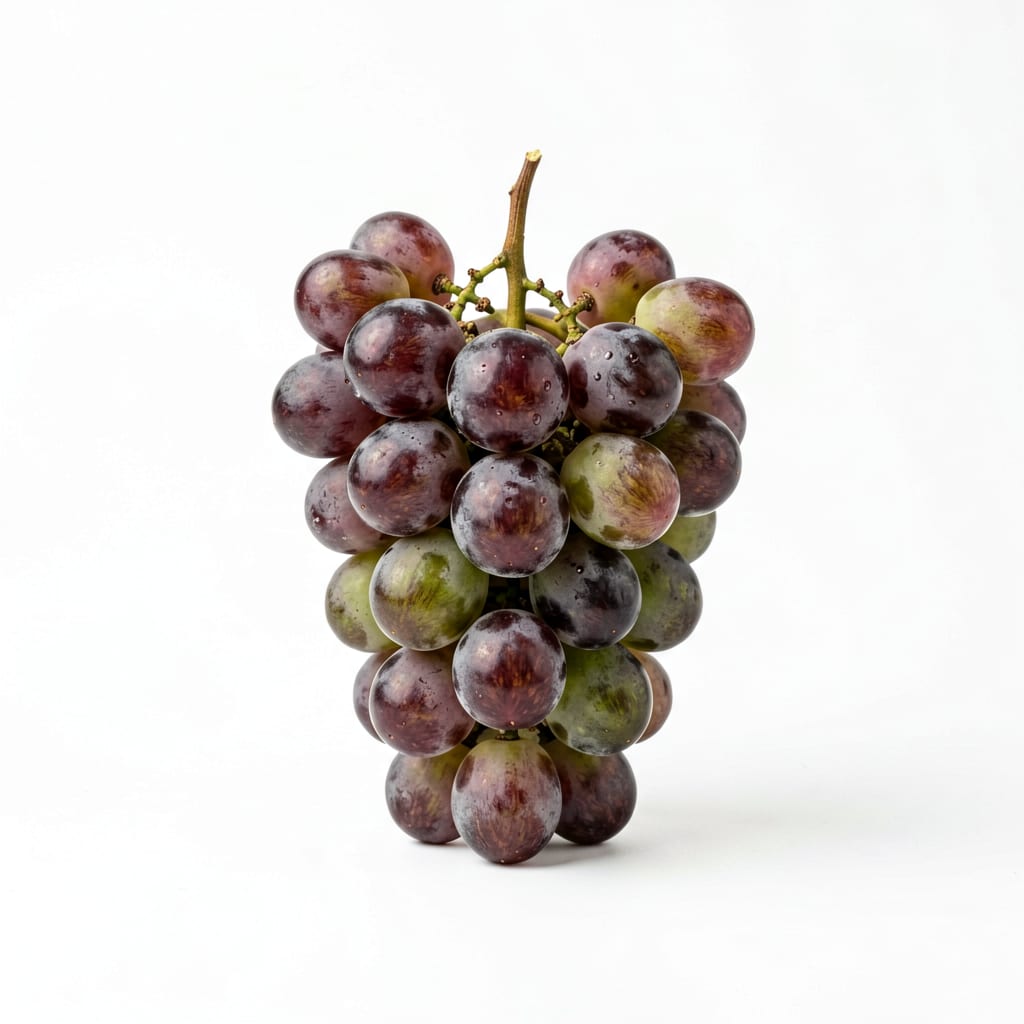
Grape
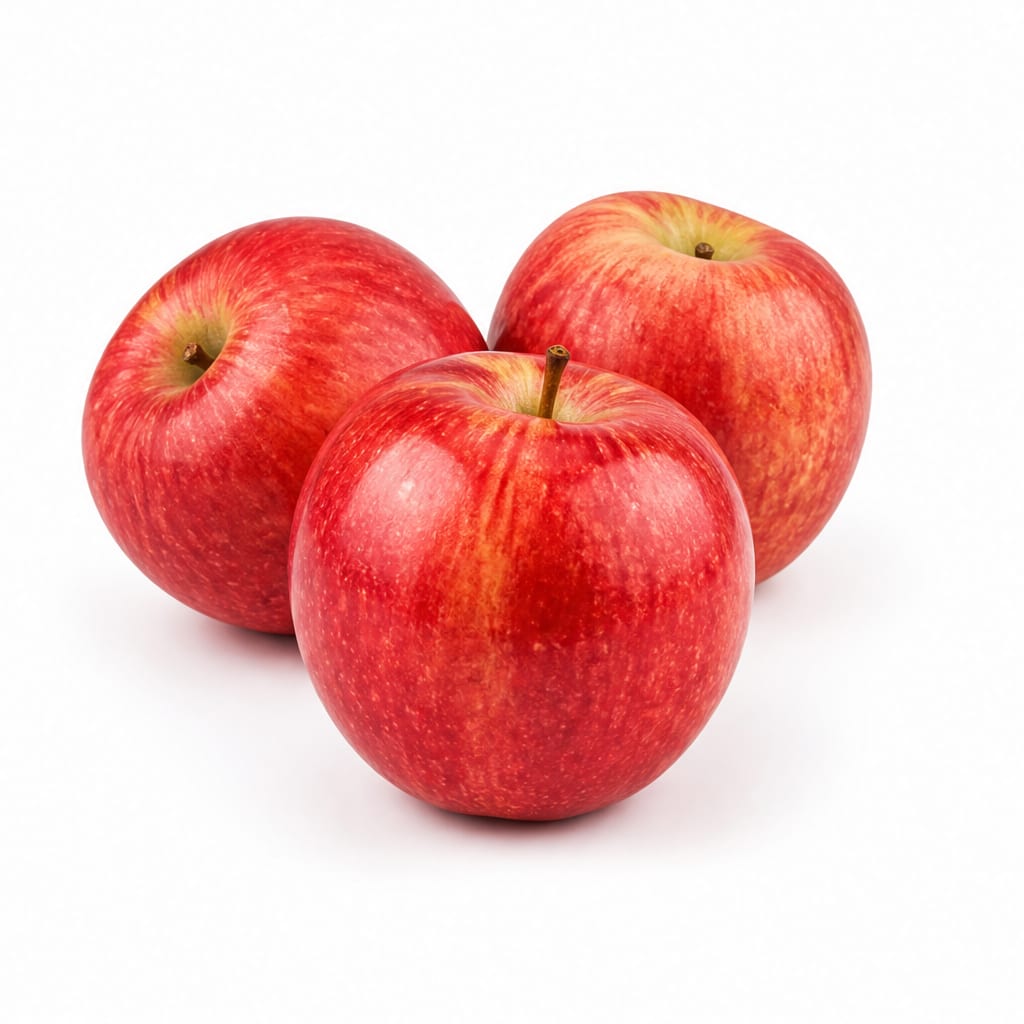
Apples
Apples deliver more fiber, steadier energy, and better portion control. Grapes offer unique antioxidants but make overeating easy.
Apples score notably higher due to superior fiber, satiety, and blood sugar stability. Grapes remain a healthy whole food but their high sugar-to-fiber ratio and overeating risk pull the score down for everyday use.
Grapes give you resveratrol and convenience at the cost of higher sugar and almost no satiety brake. Apples sacrifice some antioxidant variety for far better fullness and blood sugar stability.
At a glance
Executive summary
Overall
Apples
Healthier
Apples
More practical
It depends
Daily use
Apples
Key comparison lenses
blood sugar management
Grapes are significantly higher in sugar and lower in fiber, making glycemic impact the most critical differentiator
weight management and satiety
The ease of overeating grapes versus the filling nature of apples is a major real-world concern
antioxidant and phytonutrient comparison
Both offer distinct polyphenol profiles—resveratrol in grapes versus quercetin in apples—worth comparing
everyday snacking practicality
Both are common snack fruits but differ sharply in portion control and eating behavior
Best choice for
Grape
- Quick energy before or after exercise
- Resveratrol and polyphenol supplementation through food
- Convenient no-prep snacking for kids
- Anyone struggling to eat enough calories
Apples
- Sustained energy without blood sugar spikes
- Weight loss or calorie-controlled diets
- Gut health and digestive regularity
- Managing cravings and afternoon hunger
Least suitable for
Grape
- People monitoring blood sugar closely
- Anyone prone to mindless snacking
- Low-carb or keto-style eaters
- Those trying to reduce sugar intake
Apples
- People with difficulty chewing or jaw issues
- Anyone needing rapid calorie intake
- Those with severe fructose malabsorption
Deep comparison
Dimension by dimension
Each lens scores both foods and breaks down who each option suits.
- Dimension 1 · Priority 92Apples
Blood Sugar Stability
Grape · 45Apples · 78Apples provide far steadier blood sugar thanks to more fiber and less sugar per serving.
Tradeoff
Grapes deliver quick energy but can cause sharper glucose spikes, especially eaten in large handfuls.
Why it matters
Stable blood sugar means fewer energy crashes and less cravings an hour later.
Real-world impact
A bowl of grapes at your desk can leave you hungry again in 30 minutes. An apple keeps you satisfied until your next meal.
Grape
- Quick pre-workout fuel
- Recovering from a hypoglycemic episode
- Active children burning calories rapidly
Better for
- Late-night snacking
- Sedentary desk workers
- Insulin-resistant individuals
Worse for
Apples
- Managing diabetes or prediabetes
- Avoiding afternoon energy crashes
- Reducing sugar cravings long-term
Better for
- Endurance athletes needing fast carbs
- Underweight individuals needing calories
Worse for
- Dimension 2 · Priority 88Apples
Satiety and Portion Control
Grape · 35Apples · 82Apples are significantly more filling per calorie and naturally limit portions. Grapes are dangerously easy to overeat.
Tradeoff
Grapes are light and refreshing but offer almost no satiety feedback. An apple forces you to slow down and feel full.
Why it matters
Overeating fruit sugar is still overeating sugar, even from a whole food source.
Real-world impact
It takes conscious effort to stop at one cup of grapes. Most people stop at one apple without trying.
Grape
- Light snacking without feeling heavy
- Hot weather when heavy food feels unappealing
Better for
- Mindless TV snacking
- Anyone tracking calories carefully
Worse for
Apples
- Weight management diets
- Bridging meals without overeating
- Emotional eaters needing a satiety brake
Better for
- Small children who get full too quickly
- People needing calorie density
Worse for
- Dimension 3 · Priority 75It depends
Antioxidant and Phytonutrient Profile
Grape · 80Apples · 72Grapes edge ahead with resveratrol and anthocyanins, especially red and purple varieties. Apples offer quercetin and catechins, particularly in the skin.
Tradeoff
Grapes give you heart-protective resveratrol you cannot get from apples. Apples give you anti-inflammatory quercetin and more fiber-bound polyphenols.
Why it matters
Different antioxidants support different body systems—variety matters more than one superfood.
Real-world impact
Eating both across the week gives you broader protection than loading up on just one.
Grape
- Cardiovascular disease prevention
- Anti-aging and longevity focus
- Red wine alternative without alcohol
Better for
- Green grapes have far fewer antioxidants than red
- People expecting fiber-bound polyphenol benefits
Worse for
Apples
- Allergy and inflammation reduction
- Lung and respiratory health
- Overall dietary pattern diversity
Better for
- Peeling apples removes most quercetin
- Those specifically seeking resveratrol
Worse for
- Dimension 4 · Priority 72Apples
Digestive Health
Grape · 40Apples · 85Apples are a top-tier fiber source with pectin that feeds gut bacteria. Grapes provide minimal fiber per serving.
Tradeoff
You would need to eat over four cups of grapes to match the fiber in one medium apple—while consuming far more sugar.
Why it matters
Fiber is the single most underconsumed nutrient and drives gut health, cholesterol, and satiety.
Real-world impact
An apple a day genuinely moves the needle on digestion. Grapes are mostly water and sugar by comparison.
Grape
- Mild hydration from high water content
- Gentle on sensitive stomachs when peeled
Better for
- Anyone needing more daily fiber
- Irregular digestion
Worse for
Apples
- Constipation relief
- Gut microbiome support
- Cholesterol management through soluble fiber
Better for
- IBS flare-ups with raw fruit
- Fructose-sensitive individuals
Worse for
- Dimension 5 · Priority 65It depends
Convenience and Eating Experience
Grape · 78Apples · 70Grapes win on grab-and-go ease. Apples win on built-in portion control and shelf stability.
Tradeoff
Grapes require no biting or chewing effort but spoil faster and need washing. Apples last weeks in the fridge and come in their own single-serve wrapper.
Why it matters
The fruit you actually reach for beats the one that sits in the crisper.
Real-world impact
Grapes disappear fast because they are so easy to eat. Apples last longer because each one is a deliberate snack choice.
Grape
- Kids lunchboxes and finger food
- Parties and shared snack bowls
- No-mess car snacking
Better for
- Storing more than a few days
- Transporting without bruising
Worse for
Apples
- Meal prep and weekly grocery runs
- Backpacking and outdoor activities
- Budget-conscious shoppers
Better for
- Eating while typing or working
- Sharing as a quick group snack
Worse for
Timeline
Health impact over time
Short-term
Hours to days
Grape
- Quick blood sugar rise within 30 minutes of eating
- Refreshing hydration from high water content
- Easy to consume large amounts without feeling full
Apples
- Steady energy release over 1-2 hours
- Noticeable fullness that reduces subsequent snacking
- Mild blood sugar stabilization from pectin fiber
Long-term
Months to years
Grape
- Resveratrol intake supports cardiovascular health if red or purple varieties are chosen regularly
- Habitual overconsumption may contribute to excess sugar intake
- Minimal contribution to daily fiber goals
Apples
- Consistent fiber intake improves gut health and cholesterol over months
- Quercetin intake supports reduced inflammation and allergy symptoms
- Better weight management outcomes due to natural appetite regulation
Risk profile
Safety & processing
Both are whole, unprocessed fruits. The main concern is pesticide residue—both grapes and apples consistently appear on the EWG Dirty Dozen list. Organic matters more for these two than for many other fruits.
Grape
Pesticide residue
highGrapes rank among the top pesticide-contaminated fruits. Non-organic grapes often carry multiple residues. Washing helps but does not remove all traces.
Mold and spoilage
mediumGrapes spoil quickly and mold can spread through an entire bunch within a day once it starts.
Apples
Pesticide residue
highApples are consistently one of the most pesticide-contaminated fruits. Most residues concentrate on the skin, which is also where the nutrients are.
Wax coating
lowConventional apples are often coated with shellac or carnauba wax to improve appearance and shelf life. Harmless but unappetizing to some.
Who wins for whom
Audience fit
Same foods, different winners depending on your goal.
children
It dependsGrapes are easier for small children to eat but pose a choking hazard for toddlers. Apples require more chewing but are safer when cut. Both are good options with age-appropriate preparation.
daily consumption
ApplesAn apple a day is sustainable, filling, and supports multiple health goals. Daily grapes are fine in moderation but the sugar adds up fast without the fiber payoff.
diabetes
ApplesHigher fiber and lower sugar make apples significantly gentler on blood glucose. Grapes can spike blood sugar quickly, especially in typical serving sizes.
elderly
ApplesApples provide critical fiber for digestive regularity, a common concern in older adults. Grapes are easier to chew but contribute less nutritionally.
muscle gain
It dependsNeither is a protein source. Grapes offer faster carbs for post-workout glycogen replenishment. Apples provide more sustained energy for longer training sessions.
weight loss
ApplesOne apple provides lasting fullness for about 95 calories. Grapes offer minimal satiety per calorie, making portion control much harder.
Your move
Decision guide
Choose Grape
- You need quick energy before or after a workout
- You want resveratrol without drinking wine
- You struggle to eat enough and need calorie-dense fruit
- It is a hot day and you want something light and hydrating
Choose Apples
- You want to feel full and avoid snacking again within the hour
- You are watching your blood sugar or managing diabetes
- You need more daily fiber and gut health support
- You want a fruit that naturally limits itself to one serving
Either works if
- You want whole-food antioxidants instead of supplements
- You are building a varied fruit rotation across the week
- You need a portable snack that requires no refrigeration
Avoid both if
- You are on a strict very-low-carb diet
- You have severe fructose intolerance or malabsorption
- You cannot access organic options and are concerned about pesticide exposure
Final recommendation
Make apples your daily default fruit for satiety, fiber, and blood sugar stability. Enjoy grapes as a secondary fruit a few times per week for their unique antioxidants and refreshing taste. If you eat grapes, pre-portion a single cup instead of eating from the bag—your blood sugar and waistline will thank you.
Practical
Consumer tips
- 1
Buy organic for both grapes and apples—they are consistently among the most pesticide-contaminated fruits
- 2
Choose red or purple grapes over green for significantly more resveratrol and antioxidants
- 3
Keep apple skins on—peeling removes half the fiber and most of the quercetin
- 4
Pre-portion grapes into small containers immediately after buying to prevent mindless overeating
- 5
Store apples in the fridge crisper—they last 4-6 weeks. Grapes last only 5-7 days
- 6
Freeze grapes for a naturally sweet summer treat that takes longer to eat, slowing consumption