
Eggs & Dairy
Goose Egg
A large, rich-flavored egg with a higher yolk ratio and significantly more calories and nutrients than a standard chicken egg.
A large, nutrient-dense egg laid by geese, characterized by a much higher yolk-to-white ratio and richer flavor compared to standard chicken eggs.
high-fat high-protein animal product
Typical serving · 144g
Common varieties · domestic goose egg, wild goose egg, organic goose egg, free-range goose egg
Overall context score across nutrition, safety, and diet fit
At a glance
Quick facts
Simple indicators based on nutrition, processing, and diet fit.
The story
What makes it unique
Goose eggs digest moderately due to their dense protein and fat matrix, providing prolonged satiety. The macronutrient profile is heavily skewed toward fat and high-quality protein with near-zero carbohydrates. As a minimally processed whole food, it retains complete bioavailability of its micronutrients.
Varieties: domestic goose egg · wild goose egg · organic goose egg · free-range goose egg
Per 100g
Nutrition breakdown
Macro balance and key metrics at a glance.
Energy
Density 1.85 kcal/g
Protein
Carbs
Fat
Fiber
Sugar
0.5 g
Sodium
138 mg
Potassium
210 mg
Glycemic index
0
Glycemic load
0
Water content
70%
Standout compounds
Nutrient highlights
Choline
highSupports brain health, memory, and cell membrane integrity
Vitamin B12
highEssential for nerve function and red blood cell formation
Selenium
highActs as a powerful antioxidant and supports thyroid function
Vitamin D
moderateAids calcium absorption and supports immune function
Iron
moderateCrucial for oxygen transport in the blood
Wellness map
Health scores & processing
NOVA processing scale
unprocessed · Whole food
Whole, unprocessed animal product harvested directly from the source with no added ingredients.
Diet compatibility
- Weight loss
- Muscle gain
- Diabetes
- Gut health
- Low carb
- High protein
- Heart health
Relative standing
Food rankings
Qualitative ranks compared to similar whole foods.
- Satietyexcellent
- Blood sugarexcellent
- Nutrient densityexcellent
- Fitness fuelgood
- Processing qualityexcellent
Eat with confidence
Food safety profile
Primary risk is bacterial contamination like Salmonella from raw or undercooked eggs. Cooking thoroughly eliminates this risk.
Evidence confidence 90%
- Pesticideslow
- Antibioticsmoderate
- Heavy metalslow
- Contaminationmoderate
Watch for
- salmonella
- campylobacter
Safer choices
Pasteurized goose eggs if available, or eggs from verified free-range organic farms.
Prep tips
Wash hands and surfaces after handling. Cook until both yolk and white are firm.
Less regulated than commercial chicken egg production; sourcing from reputable farms is advised.
Deep dive
Health analysis
How this food may fit different goals and preparation choices.
Weight loss
High calorie and fat content makes portion control important; best suited for low-carb or keto weight loss approaches rather than low-fat diets.
Blood sugar
Virtually zero carbohydrates result in no glycemic spike, making it highly stable for blood sugar management.
Fitness & energy
Provides sustained energy from fats and muscle-building protein, ideal for keto-adapted athletes or heavy lifting days.
Gut health
Easily digestible protein and fat with no fiber; does not feed gut bacteria directly but supports gut lining via choline.
Processing quality
A completely whole, unprocessed food with maximum nutrient retention.
Food safety
Must be cooked thoroughly to mitigate Salmonella risk; handle with the same caution as raw poultry.
Common mistakes
Eating a whole goose egg like a standard chicken egg without accounting for its massive size and triple the calories.
Best preparation
Hard-boiled, scrambled, or used in baking where its rich yolk adds superior texture and moisture.
Practical guide
Best use cases
When and how this food fits real eating patterns.
Keto breakfast
High fat and protein with zero carbs fuels a ketogenic morning without spiking blood sugar.
Rich baking
The large, fatty yolks create superior moisture, richness, and texture in cakes and pastries.
Muscle building
Provides a dense, complete source of protein and essential amino acids for muscle repair and growth.
Balance sheet
Pros & cons
Upsides
- Extremely nutrient-dense with high levels of B12 and choline
- Zero carbohydrates make it ideal for blood sugar control
- Rich, creamy texture enhances culinary dishes and baking
- High satiety factor keeps you full for hours
Trade-offs
- Very high in calories compared to other eggs
- Contains a large amount of dietary cholesterol
- Can be difficult to find and expensive in regular grocery stores
- High fat content may not suit low-fat dietary approaches
Fit check
Who is it for?
Great match
- ketogenic diets
- low-carb baking
- muscle gain
- high-calorie needs
Consider alternatives
- low-fat diets
- strict calorie restriction
- vegan lifestyles
Side by side
How it compares
Open the full head-to-head analysis for nutrition, safety, and practical tradeoffs.
This food
Goose Egg
VS90% alike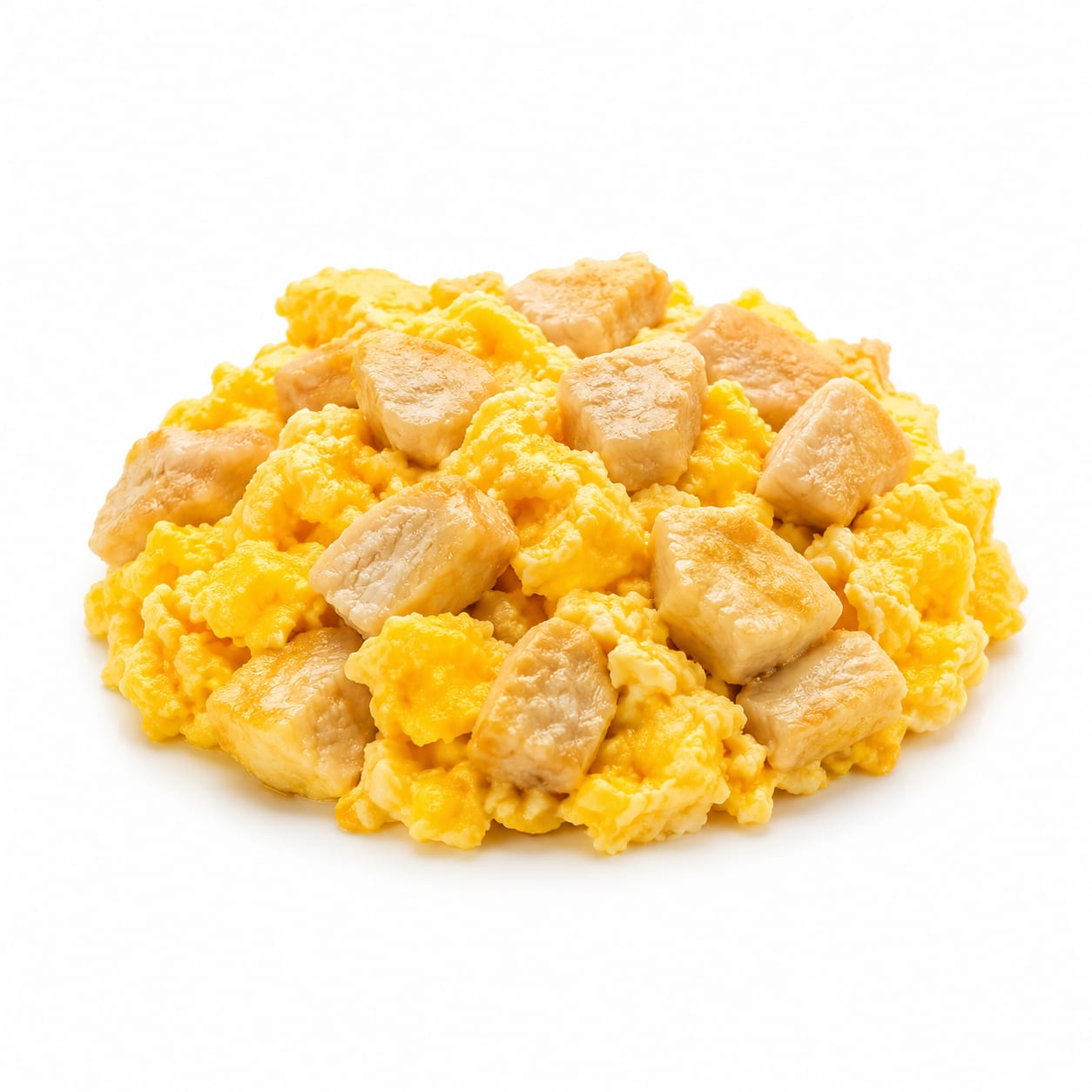
Compare with
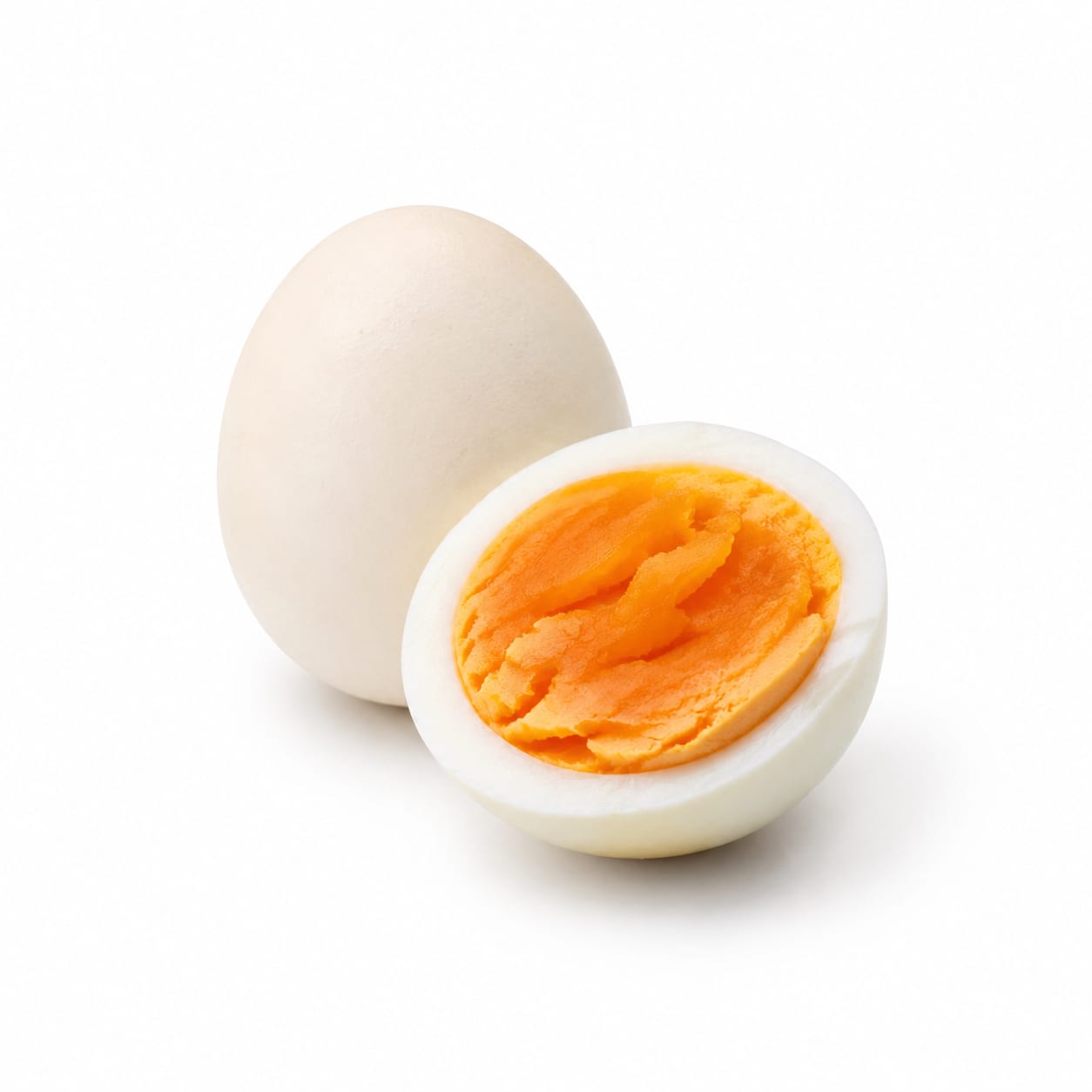
Chicken Egg
Goose eggs are much larger and richer in nutrients and calories than chicken eggs.
Goose eggs provide triple the calories and nutrients of chicken eggs, offering more satiety and fat for keto, while chicken eggs are better for calorie control.
This food
Goose Egg
VS95% alike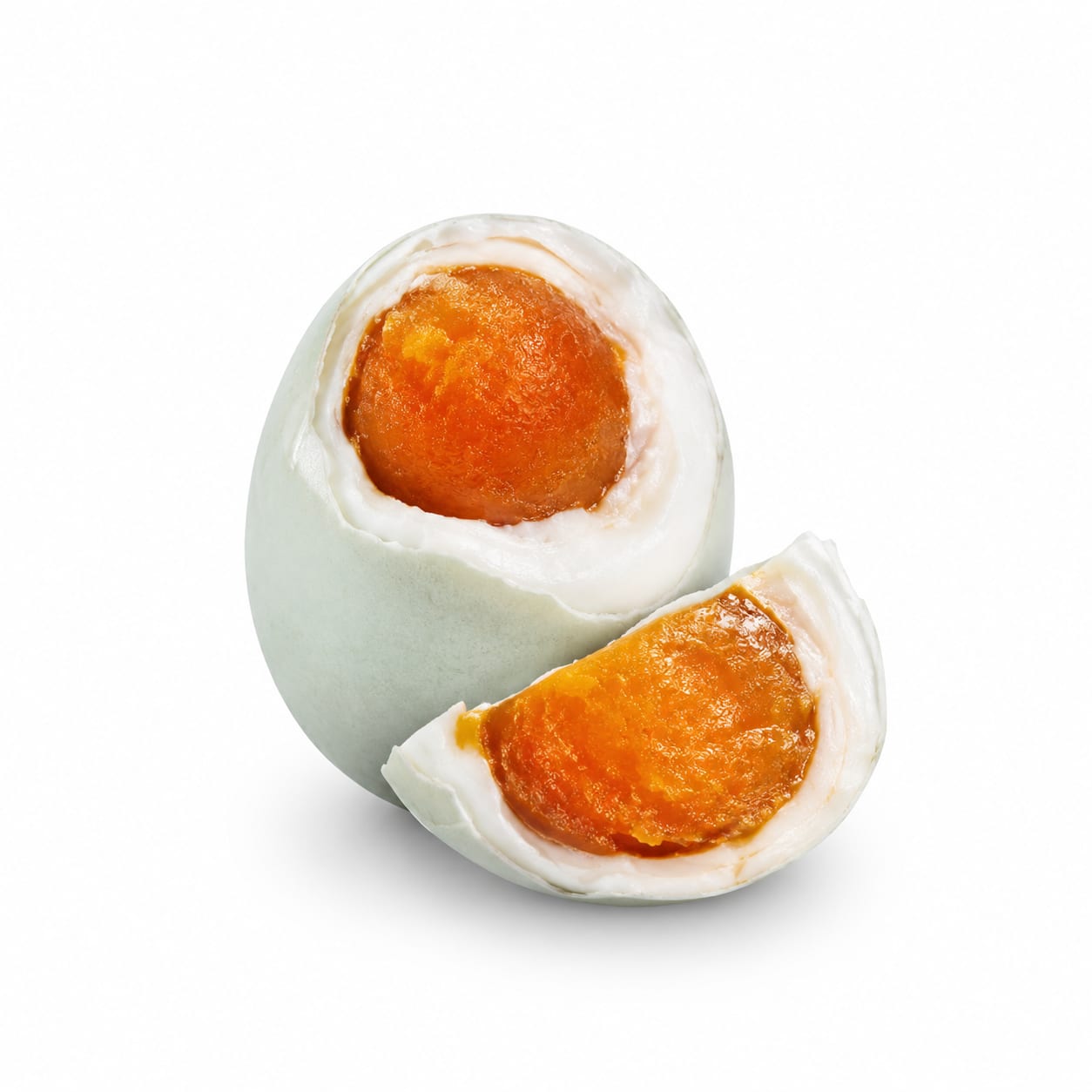
Compare with
Duck Egg
Duck eggs are closer in size and richness to goose eggs but slightly smaller and lower in fat.
Goose eggs are larger and higher in calories and fat than duck eggs, making them better for extreme keto, while duck eggs are slightly easier to portion control.
This food
Goose Egg
VS80% alike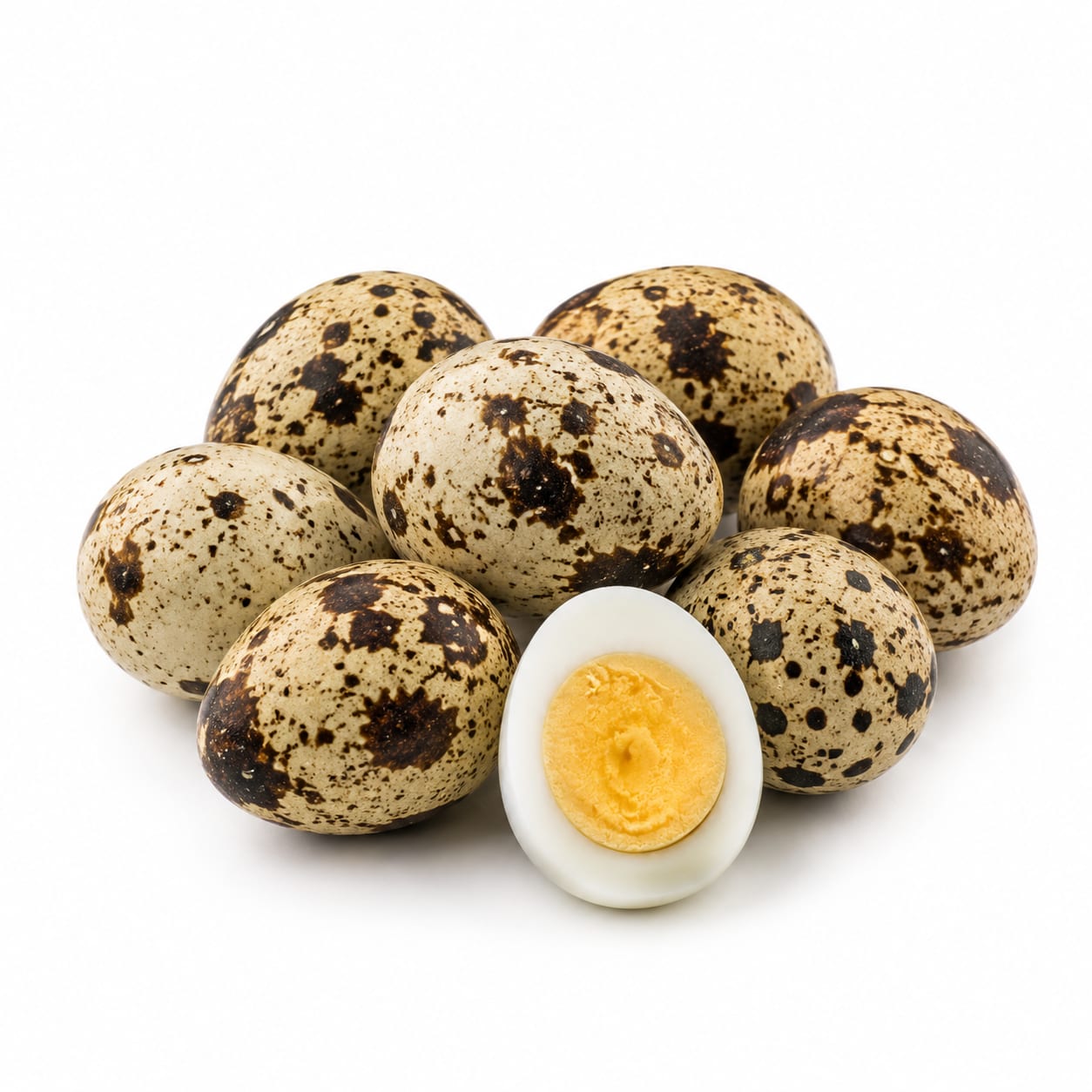
Compare with
Quail Egg
Quail eggs are tiny and delicate, while goose eggs are massive and dense.
Quail eggs are bite-sized and low in calories, ideal for light eating, whereas goose eggs are massive, calorie-dense powerhouses for heavy fuel.
This food
Goose Egg
VS88% alike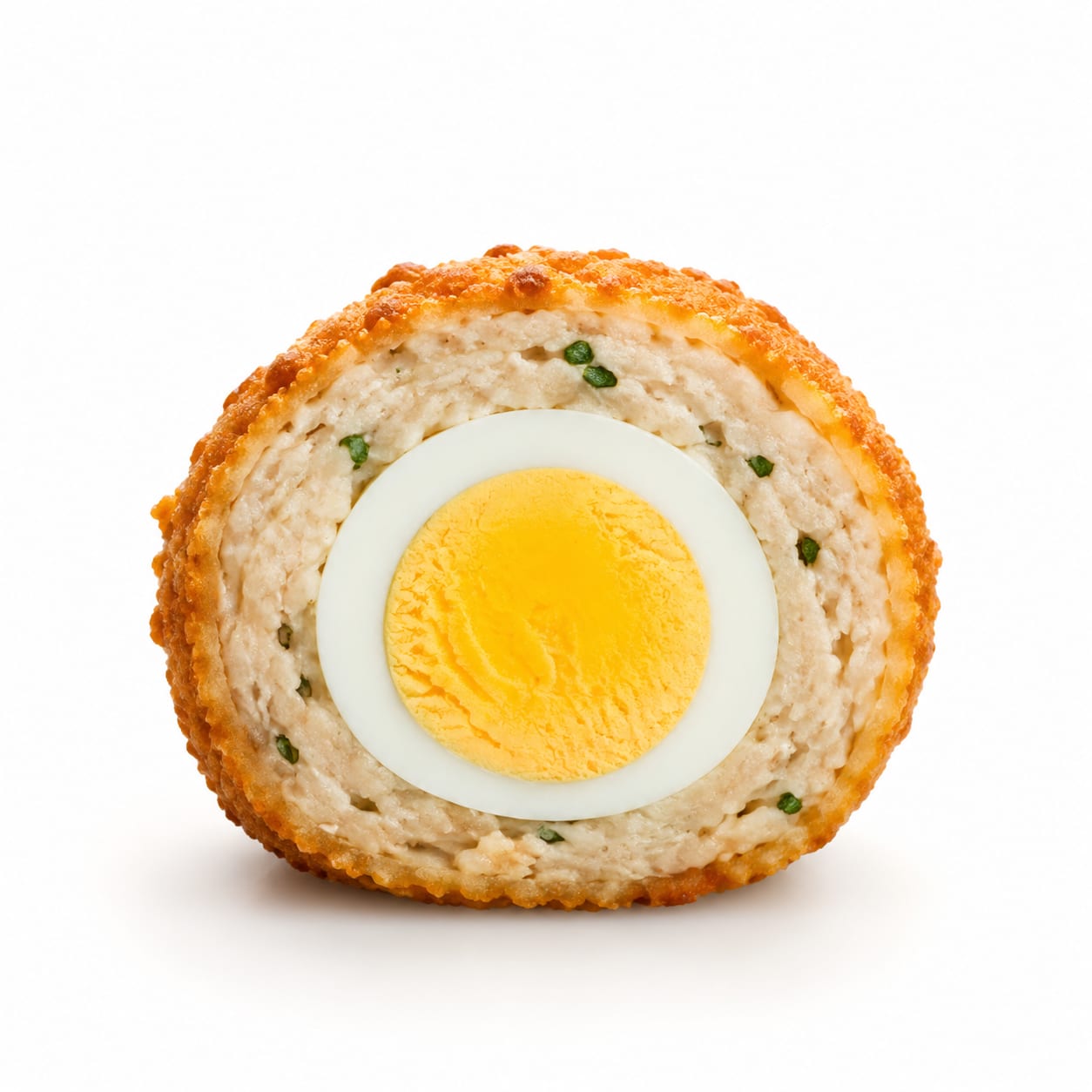
Compare with
Turkey Egg
Turkey eggs are similar in richness but smaller than goose eggs.
Turkey eggs offer a middle ground in size and calories, while goose eggs deliver the highest fat and calorie payload per egg.
This food
Goose Egg
VS75% alike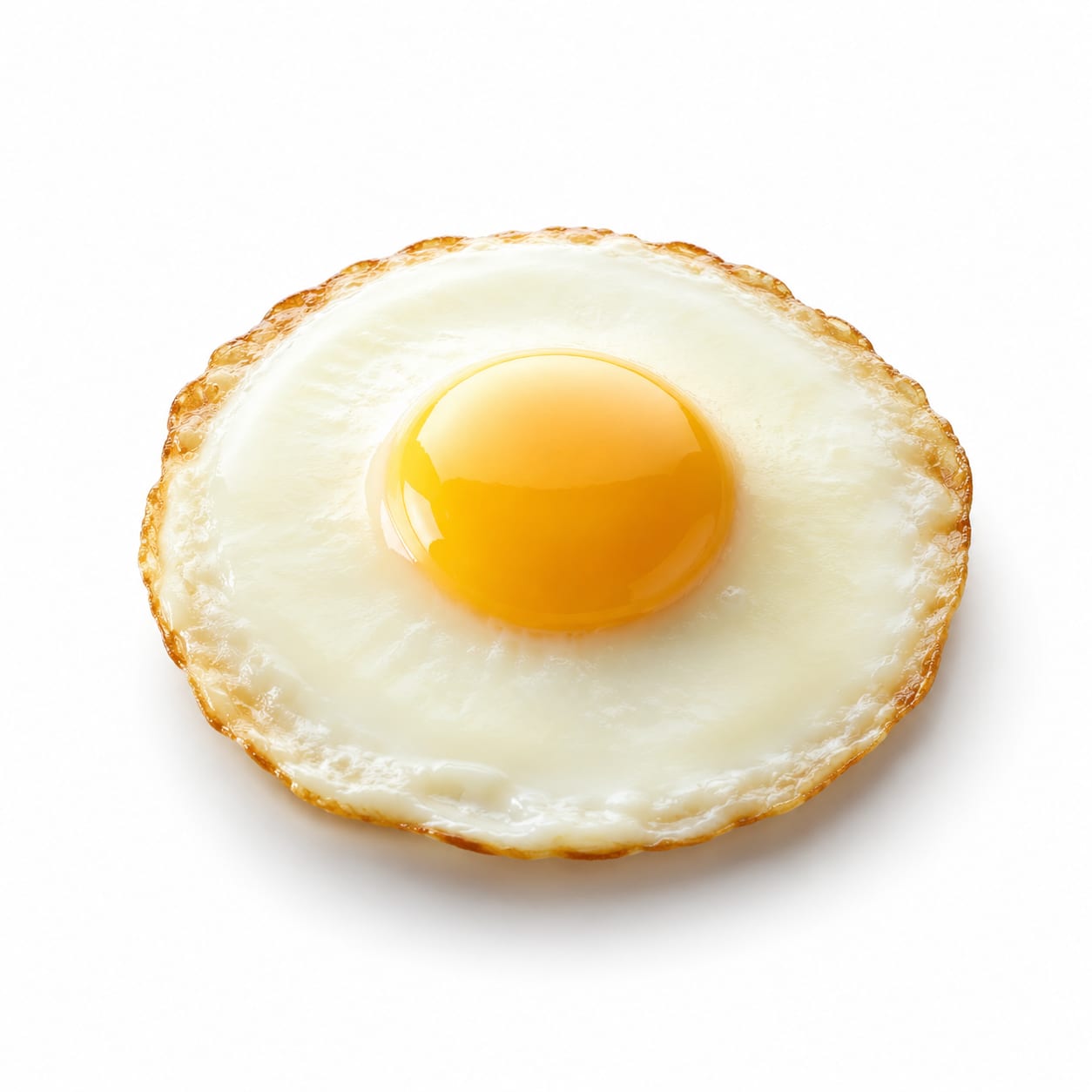
Compare with
Ostrich Egg
Ostrich eggs are the largest, equivalent to about 24 chicken eggs, while goose eggs equal about 3.
Ostrich eggs are massive novelty items with extreme portions, whereas goose eggs are more practical for individual high-calorie meals.
This food
Goose Egg
VS60% alike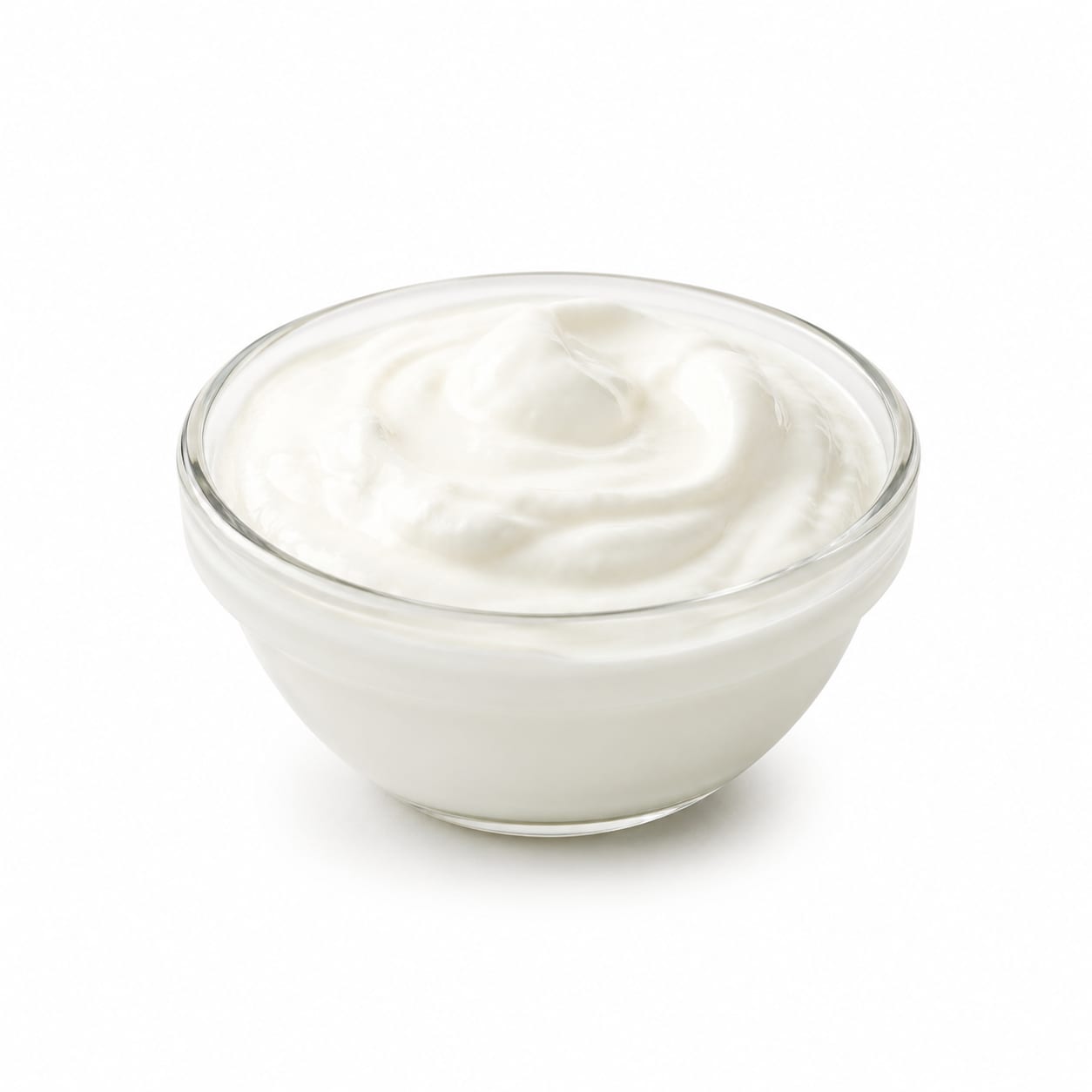
Compare with
Greek Yogurt
Greek yogurt is high protein and low fat, while goose eggs are high protein and high fat.
Greek yogurt is a low-fat, high-protein option for weight loss, while goose eggs provide a high-fat, zero-carb fuel source for keto diets.
This food
Goose Egg
VS65% alike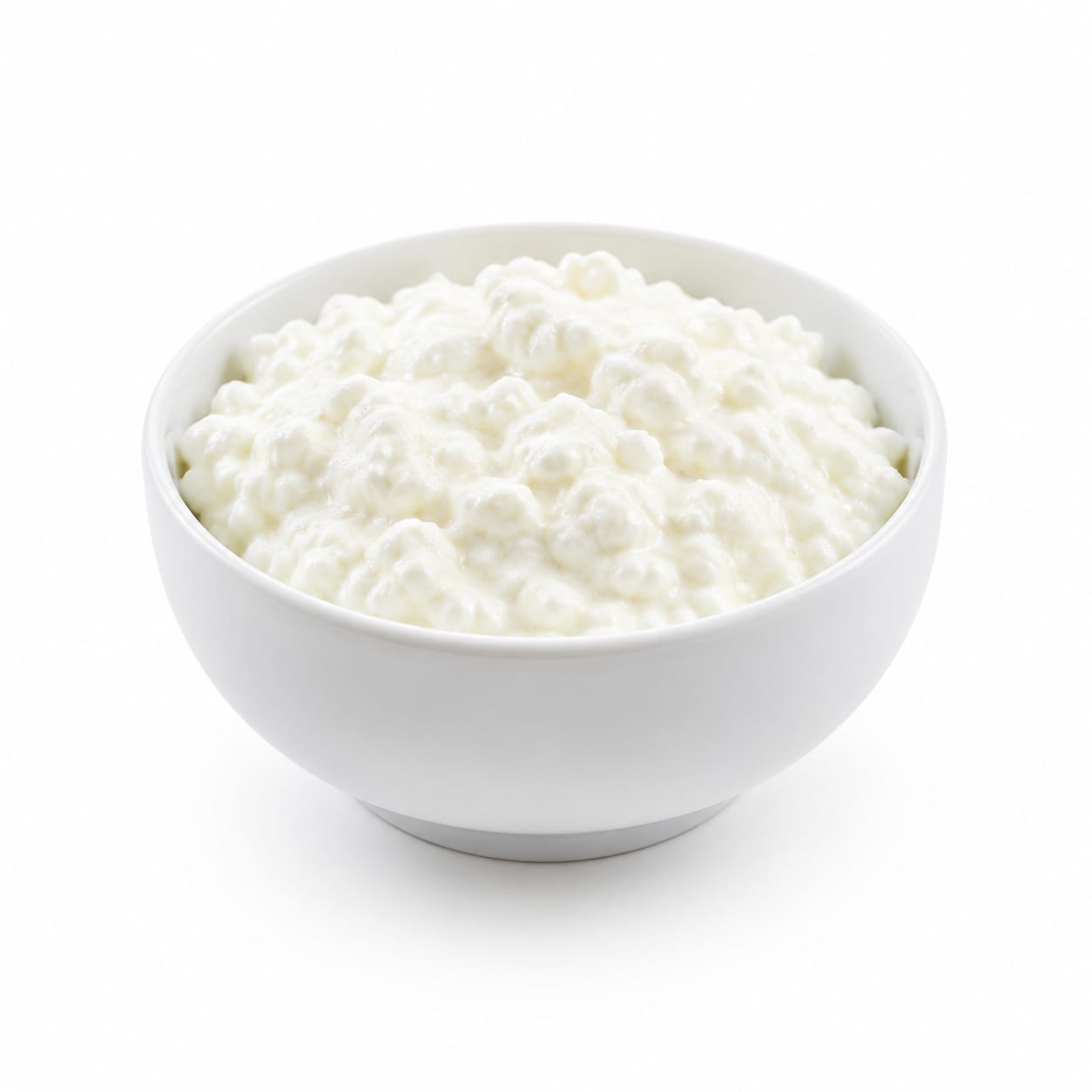
Compare with
Cottage Cheese
Cottage cheese offers slow-digesting casein protein with low calories, while goose eggs offer dense fat and protein.
Cottage cheese is lower in calories and fat for dieting, whereas goose eggs provide a denser, higher-fat energy source for low-carb needs.
This food
Goose Egg
VS40% alike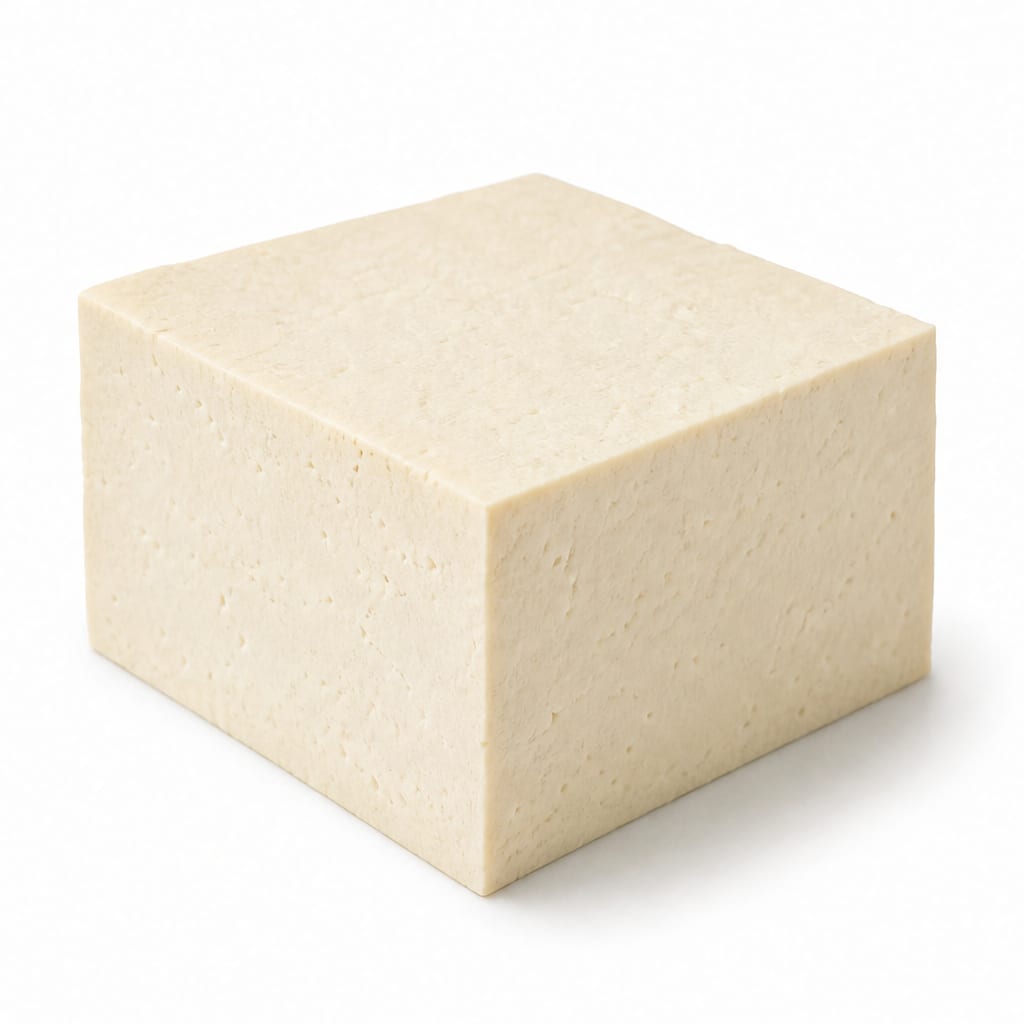
Compare with
Tofu
Tofu is a low-calorie plant protein, while goose eggs are a high-calorie animal protein.
Tofu offers low-calorie plant-based protein suitable for weight loss, while goose eggs deliver dense animal fats and proteins for keto and muscle gain.
This food
Goose Egg
VS55% alike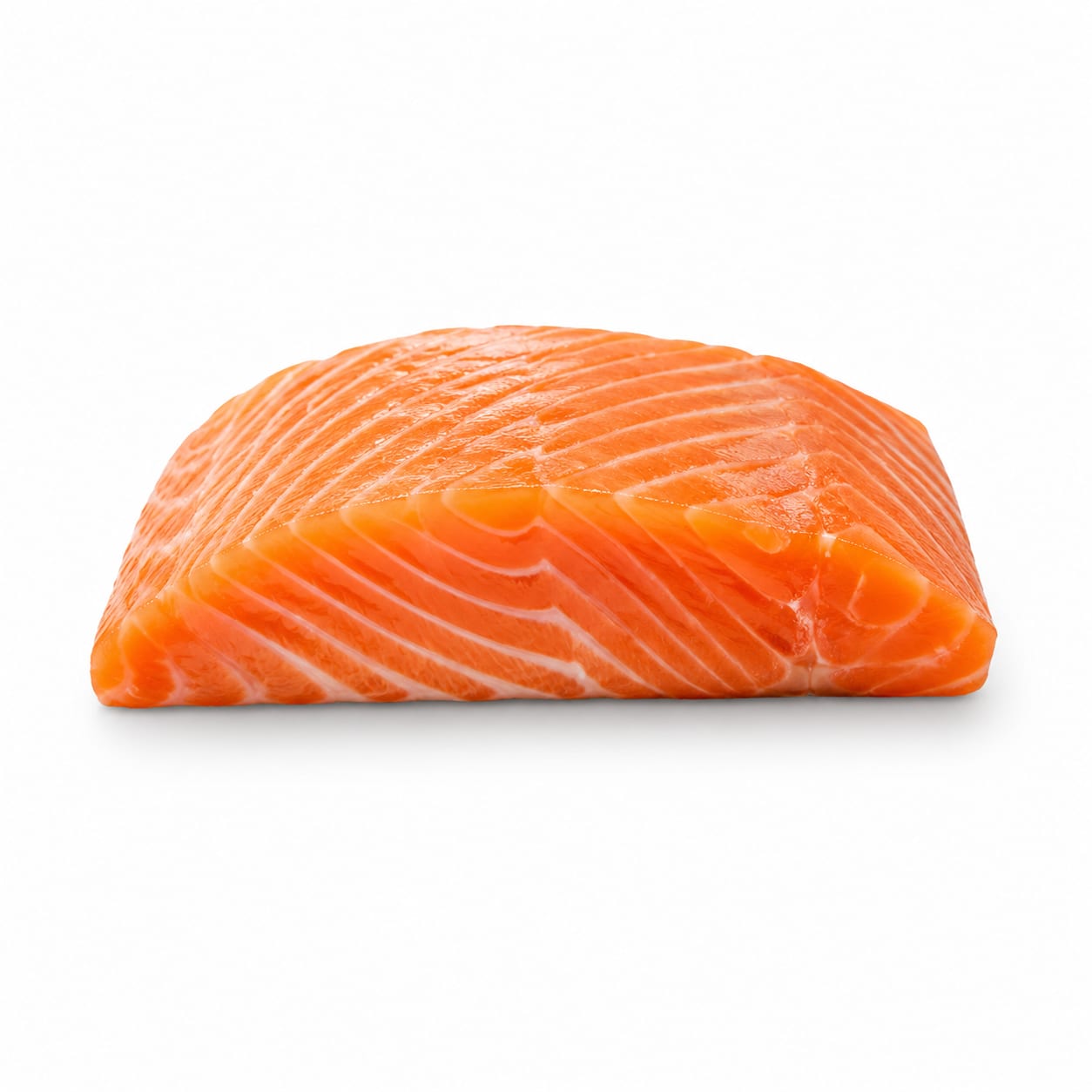
Compare with
Salmon
Salmon provides omega-3 rich fats and protein, while goose eggs offer saturated fats and cholesterol.
Salmon provides healthier fats and fewer calories per serving, while goose eggs offer a heavier, cholesterol-rich fuel for zero-carb diets.
This food
Goose Egg
VS50% alike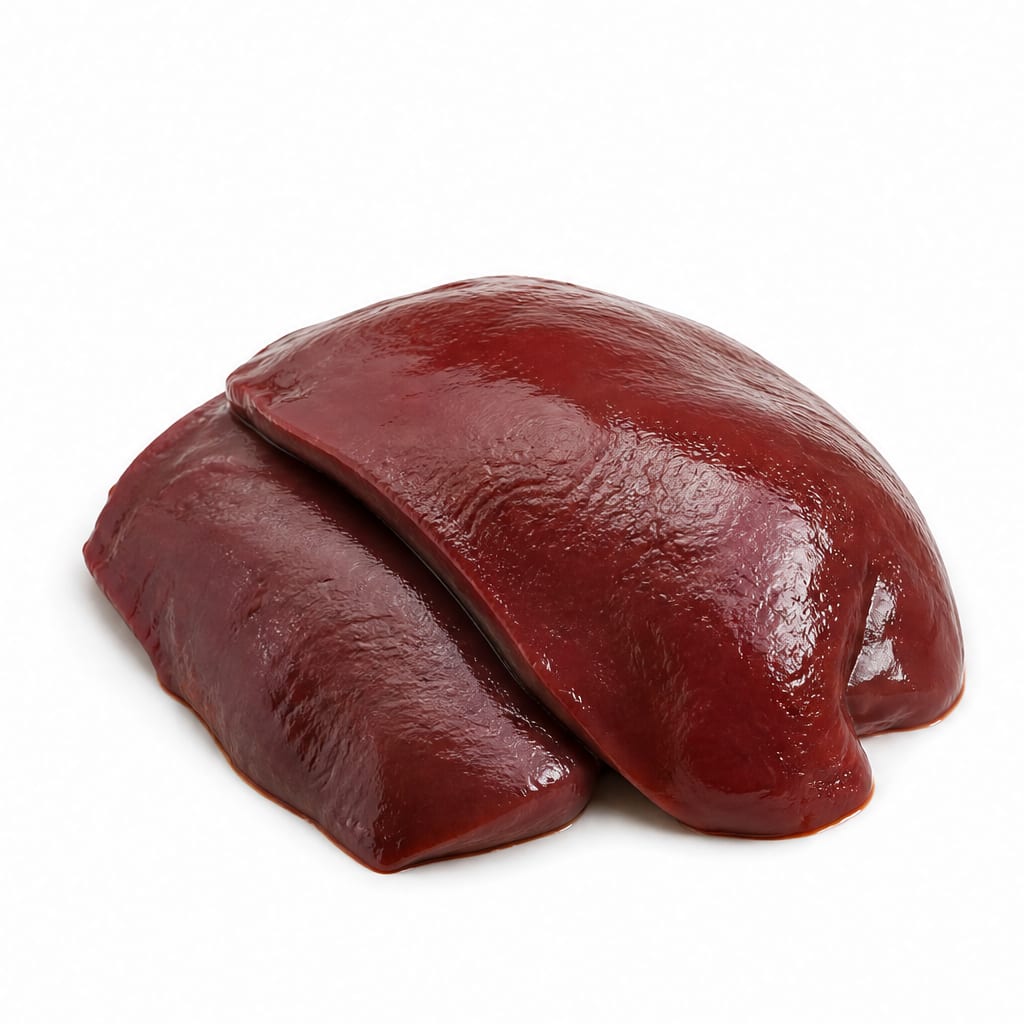
Compare with
Beef Liver
Both are extremely nutrient-dense, but liver is lower in fat and higher in certain vitamins.
Beef liver is a low-calorie micronutrient powerhouse, while goose eggs are a high-calorie, high-fat macronutrient bomb.
Common questions
FAQ
Answers aligned with how people search for this food.
Are goose eggs healthier than chicken eggs?
Goose eggs are more nutrient-dense per egg, offering more protein, fat, and micronutrients like choline and B12, but they are also much higher in calories and cholesterol.
Can you eat goose eggs on a keto diet?
Yes, goose eggs are excellent for keto due to their high fat and protein content with virtually zero carbohydrates.
How many calories are in a single goose egg?
One typical goose egg contains around 266 calories, which is nearly three times the calories of a large chicken egg.
Do goose eggs taste different than chicken eggs?
Yes, they have a richer, more robust flavor and creamier texture due to the much larger yolk-to-white ratio.
Are goose eggs safe to eat raw?
Like chicken eggs, goose eggs carry a risk of Salmonella and should be cooked thoroughly before consumption to ensure safety.
Why are goose eggs so expensive?
Geese lay far fewer eggs than chickens, produce seasonally rather than year-round, and require more space and feed, driving up the cost.
Transparency
Data confidence
Estimated confidence for nutrition data, interpretation, safety notes, and comparisons.
Nutrition data
Health analysis
Food safety
Comparisons