
Nutrition comparison
Goose Egg vs Tofu: Which Protein Is Healthier for Daily Eating?
Compare goose eggs and tofu on protein, cholesterol, calories, and heart health. Find out which is better for weight loss, muscle gain, and everyday nutrition.
Overall winner · Tofu
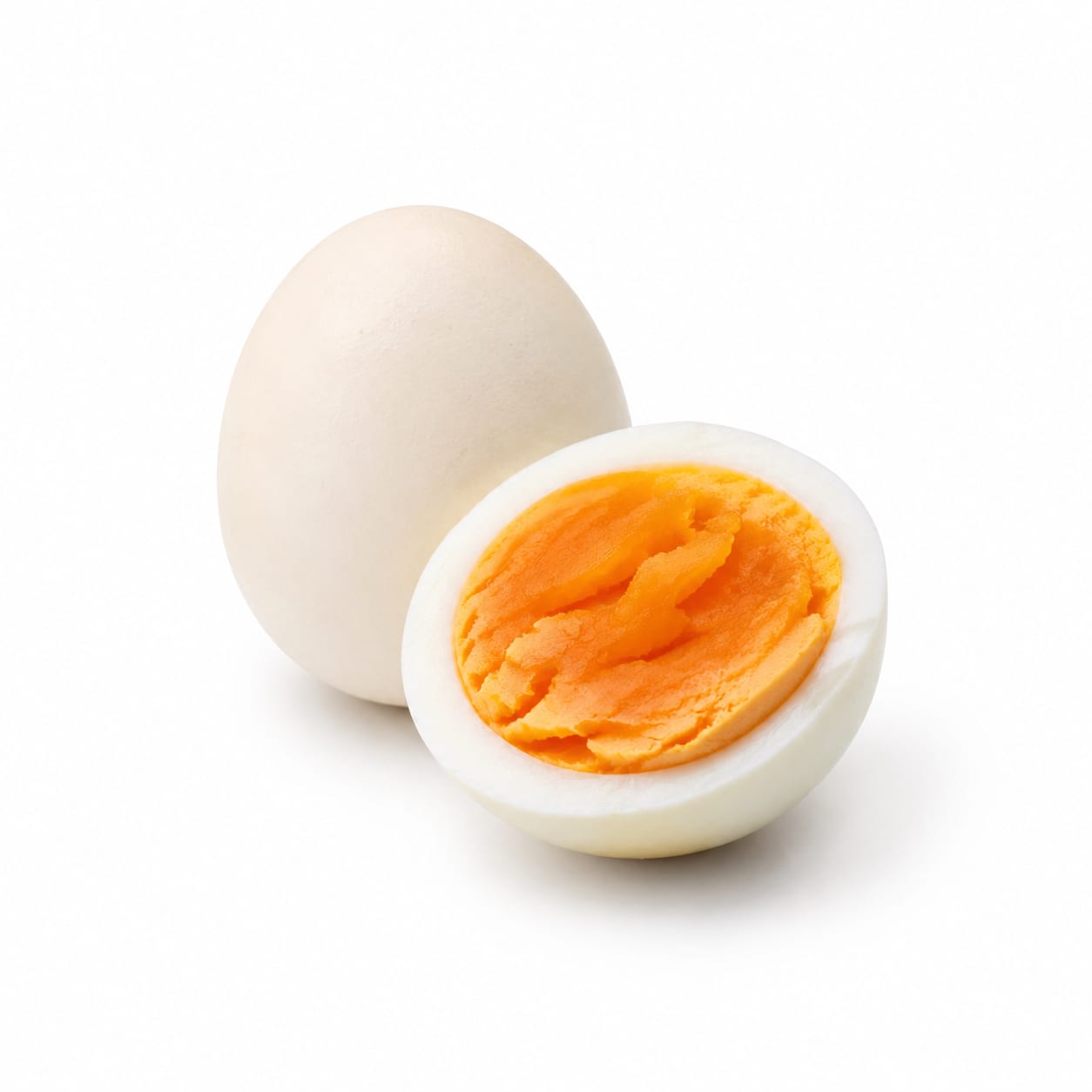
Goose Egg
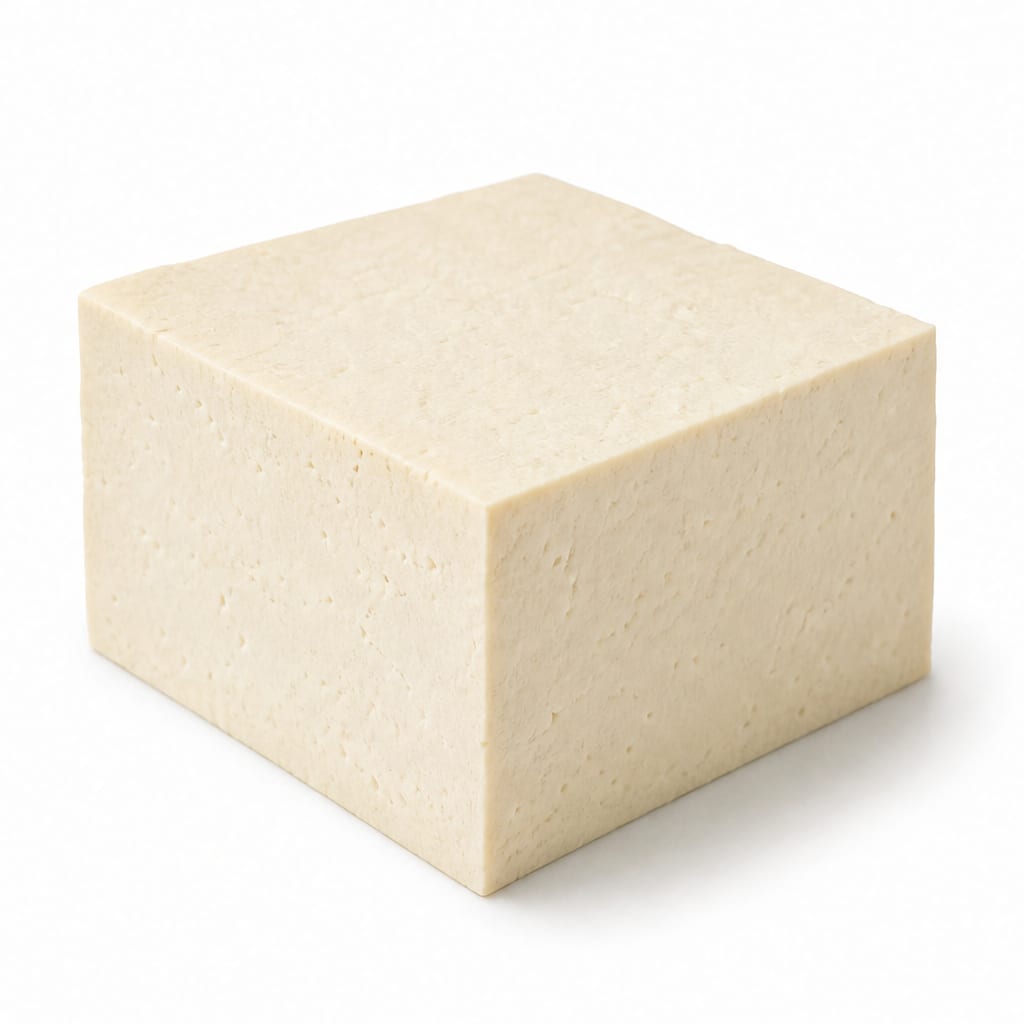
Tofu
Tofu wins for everyday eating thanks to its heart-friendly profile, lower calories, and versatility. Goose eggs are an occasional nutrient-dense treat but their massive cholesterol load and calorie density make them risky as a daily staple.
Tofu scores substantially higher due to its daily-use safety profile, cardiovascular friendliness, and versatility. Goose eggs are nutritionally impressive per serving but their extreme cholesterol content and limited practicality drag down their everyday viability.
Goose eggs deliver richer, more complete nutrition per egg but at a steep cholesterol and calorie cost. Tofu offers lighter, plant-based protein you can eat daily without cardiovascular concern.
At a glance
Executive summary
Overall
Tofu
Healthier
Tofu
More practical
Tofu
Daily use
Tofu
Key comparison lenses
animal vs plant protein
The core tension: complete animal protein with cholesterol versus plant protein with isoflavones and zero cholesterol
heart health and cholesterol
Goose eggs pack over 1200mg cholesterol per egg, making cardiovascular impact the dominant concern
weight management and calorie density
A single goose egg delivers 266 calories versus roughly 80-150 for a tofu serving, creating a major daily budget tradeoff
sustainability and ethics
Tofu has a significantly lower environmental footprint than goose eggs, relevant for eco-conscious eaters
versatility and accessibility
Tofu is cheap, widely available, and adapts to countless dishes; goose eggs are specialty items with limited culinary roles
Best choice for
Goose Egg
- People needing dense caloric and protein intake in a single serving
- Those on low-carb or keto diets who tolerate dietary cholesterol well
- Anyone seeking a rich, satisfying breakfast with complete amino acids
- Individuals with no cholesterol concerns wanting occasional nutrient density
Tofu
- Anyone monitoring heart health or cholesterol levels
- Plant-based eaters seeking versatile, affordable protein
- People managing calorie intake for weight loss
- Those who want a protein source they can eat multiple times daily safely
Least suitable for
Goose Egg
- People with high cholesterol or cardiovascular risk
- Anyone watching their calorie intake closely
- Those who need a quick, everyday protein source
- Vegetarians and vegans
Tofu
- People with soy allergies or sensitivities
- Those avoiding phytoestrogens for medical reasons
- Anyone seeking the richest, most indulgent eating experience
- Individuals who dislike the texture or flavor of soy products
Deep comparison
Dimension by dimension
Each lens scores both foods and breaks down who each option suits.
- Dimension 1 · Priority 95Goose Egg
Protein Quality and Quantity
Goose Egg · 88Tofu · 72A single goose egg delivers about 20g of complete protein with all essential amino acids in optimal ratios. Tofu provides roughly 8-17g per serving depending on firmness, with a slightly less optimal but still strong amino acid profile.
Tradeoff
Goose eggs win on completeness and density, but you'd need to eat a lot of tofu to match the protein — which is actually easier because tofu's lower calorie cost per gram of protein makes hitting targets more sustainable.
Why it matters
Complete protein supports muscle repair, immune function, and satiety more efficiently. But protein quantity matters too, and tofu lets you scale intake without blowing past calorie or cholesterol limits.
Real-world impact
After a workout, one goose egg gives you a solid protein hit in a single bite. Tofu requires a larger portion but fits more easily into a balanced meal plan across the day.
Goose Egg
- Post-workout recovery when you want maximum protein in minimal volume
- Single-meal protein density for those with small appetites
Better for
- Anyone who needs to limit cholesterol while hitting protein targets
Worse for
Tofu
- Spreading protein across multiple meals without excess calories
- Building a high-protein diet that's sustainable long-term
Better for
- Situations where you need concentrated protein in a small serving
Worse for
- Dimension 2 · Priority 92Tofu
Heart Health and Cholesterol Impact
Goose Egg · 25Tofu · 90One goose egg contains roughly 1227mg of cholesterol — over four times the daily limit recommended by some guidelines. Tofu has zero cholesterol and contains isoflavones that may actively support cardiovascular health.
Tradeoff
Goose eggs offer rich nutrition but at a cholesterol cost that makes daily consumption inadvisable for most people. Tofu is essentially neutral-to-beneficial for heart health, making it safe for regular use.
Why it matters
Cardiovascular disease remains the leading cause of death globally. Regular intake of extremely high-cholesterol foods is a measurable risk factor, especially for those with existing lipid concerns.
Real-world impact
Eating a goose egg every morning could push your daily cholesterol well beyond recommended limits. Tofu can be eaten at every meal without any cardiovascular penalty.
Goose Egg
- People with genetically low cholesterol who metabolize dietary cholesterol efficiently
Better for
- Daily consumption by anyone with borderline or high cholesterol
Worse for
Tofu
- Anyone with a family history of heart disease
- People with elevated LDL cholesterol
- Those who want a protein source they never have to worry about
Better for
- No meaningful cardiovascular downside for tofu
Worse for
- Dimension 3 · Priority 85Tofu
Calorie Efficiency and Weight Management
Goose Egg · 40Tofu · 82A single goose egg runs about 266 calories, while a serving of firm tofu delivers comparable protein for roughly 140-180 calories. Tofu's lower calorie density makes portion control far easier.
Tradeoff
Goose eggs are more calorie-dense and satisfying per bite, but that density works against you if you're trying to manage weight. Tofu fills you up without the heavy caloric price tag.
Why it matters
Sustained weight management depends on foods that provide satiety without excessive calories. Tofu's protein-to-calorie ratio supports this balance better.
Real-world impact
A goose egg breakfast feels rich and filling but consumes a big chunk of your daily calorie budget before noon. A tofu-based meal leaves room for snacks and larger dinners.
Goose Egg
- Underweight individuals needing calorie-dense nutrition
- Active people with high energy expenditure who want satisfying meals
Better for
- Sedentary individuals who cannot afford the calorie surplus
Worse for
Tofu
- Anyone counting calories for weight loss
- People who prefer eating larger volumes of food
Better for
- Those who struggle to eat enough calories and need dense sources
Worse for
- Dimension 4 · Priority 78Goose Egg
Micronutrient Density
Goose Egg · 85Tofu · 68Goose eggs are loaded with B12, selenium, choline, vitamin A, and iron in highly bioavailable forms. Tofu provides calcium, iron, and manganese but with lower bioavailability and less overall variety.
Tradeoff
Goose eggs deliver a broader, more absorbable micronutrient spectrum per serving. Tofu's minerals are decent but partially blocked by phytates, and it lacks B12 entirely.
Why it matters
B12 and choline are notoriously difficult to get from plant sources. Goose eggs excel here, making them valuable for filling nutritional gaps — if you can afford the cholesterol tradeoff.
Real-world impact
One goose egg covers your entire B12 needs for the day and most of your choline. Tofu requires pairing with other foods to achieve similar micronutrient coverage.
Goose Egg
- Older adults at risk of B12 deficiency
- Pregnant women needing choline for fetal development (with doctor approval)
Better for
- Anyone already meeting micronutrient needs through supplements or varied diet
Worse for
Tofu
- People who get B12 from other sources and want mineral support without cholesterol
Better for
- Vegans who rely on tofu as a primary protein without B12 supplementation
Worse for
- Dimension 5 · Priority 75Tofu
Versatility and Culinary Practicality
Goose Egg · 35Tofu · 90Tofu absorbs flavors, works in stir-fries, soups, smoothies, scrambles, and grills. Goose eggs are limited to breakfast preparations and baking, and their strong flavor isn't universally appealing.
Tradeoff
Tofu is a culinary chameleon that adapts to virtually any cuisine. Goose eggs are a niche ingredient with a narrow range of uses and a gamier taste that divides opinion.
Why it matters
Foods you can cook many ways are easier to eat regularly without getting bored. Variety in preparation directly supports long-term dietary adherence.
Real-world impact
You can eat tofu five different ways in a week and never feel like you're repeating. Goose eggs get old fast and most recipes don't call for them.
Goose Egg
- Specialty baking where rich egg yolks improve texture
- Elaborate weekend breakfasts as an occasional indulgence
Better for
- Anyone who needs quick, varied meal options on a budget
Worse for
Tofu
- Weeknight dinners that need to come together fast
- Meal prep where one ingredient serves multiple recipes
Better for
- Traditional egg-based dishes where substitution feels unsatisfying
Worse for
- Dimension 6 · Priority 72Tofu
Environmental Sustainability
Goose Egg · 30Tofu · 85Soy production for tofu has a significantly lower carbon and water footprint than goose farming. Goose eggs require more land, feed, and resources per unit of protein produced.
Tradeoff
Tofu is among the most climate-efficient protein sources available. Goose eggs carry the heavier environmental burden typical of animal agriculture, especially from less common poultry.
Why it matters
For environmentally conscious eaters, the cumulative impact of daily protein choices adds up significantly over years.
Real-world impact
Choosing tofu over goose eggs most days meaningfully reduces your dietary carbon footprint without sacrificing protein intake.
Goose Egg
- Sourcing from small local farms where geese are pasture-raised sustainably
Better for
- Regular consumption that multiplies the environmental cost
Worse for
Tofu
- Anyone trying to eat with the climate in mind
- Large-scale meal planning where environmental cost compounds
Better for
- Concerns about GMO soy and monoculture farming, though organic options exist
Worse for
- Dimension 7 · Priority 70Goose Egg
Satiety and Satisfaction
Goose Egg · 82Tofu · 65Goose eggs are rich, fatty, and deeply satisfying in a way that lighter plant proteins struggle to match. Tofu fills you up but doesn't deliver the same indulgent fullness.
Tradeoff
That satisfying richness comes from high fat and calorie content. Tofu's lighter satiety profile actually works better for people who prefer not feeling heavy after meals.
Why it matters
Satiety determines whether you reach for snacks an hour later. But satisfaction is also emotional — food should feel good, not just functional.
Real-world impact
A goose egg breakfast can keep you full until lunch with no cravings. A tofu breakfast might leave you reaching for a mid-morning snack unless paired with fiber and healthy fats.
Goose Egg
- Long mornings where you need sustained fullness
- People who find plant-based meals unsatisfying on their own
Better for
- Late-night eating when heavy satiety disrupts sleep
Worse for
Tofu
- Those who prefer feeling light and energized rather than full and heavy
- Hot weather eating when rich foods feel overwhelming
Better for
- Situations where you need one meal to carry you for many hours
Worse for
Timeline
Health impact over time
Short-term
Hours to days
Goose Egg
- Strong satiety and reduced hunger for hours after eating
- Possible sluggishness from the heavy fat and calorie load
- Immediate cholesterol spike in blood markers after consumption
Tofu
- Light, steady energy without post-meal heaviness
- Gentle digestive experience for most people
- Possible mild bloating if you're unaccustomed to soy
Long-term
Months to years
Goose Egg
- Potential elevation of LDL cholesterol with frequent consumption
- Risk of cardiovascular strain if eaten daily without dietary offset
- Excellent B12 and choline status supporting brain and nerve health
Tofu
- Consistent cardiovascular protection from zero cholesterol and isoflavones
- Possible modest reduction in blood pressure and LDL over time
- Need for vigilant B12 supplementation if used as a primary protein source
Risk profile
Safety & processing
Goose eggs are essentially unprocessed whole foods straight from the farm. Tofu undergoes coagulation and pressing of soy milk, making it lightly processed but still made from whole soybeans with minimal additives — especially if you choose brands with just soybeans, water, and a coagulant like nigari or calcium sulfate.
Goose Egg
Salmonella contamination
mediumLike all eggs, goose eggs can carry Salmonella on the shell and inside. Thorough cooking eliminates this risk, but runny yolks remain a concern.
Allergic reactions
mediumEgg allergies are among the most common food allergies, particularly in children. Goose eggs contain the same allergenic proteins as chicken eggs.
Tofu
Soy allergy
mediumSoy is a top eight allergen. Reactions can range from mild hives to anaphylaxis in sensitive individuals.
GMO exposure
lowMost conventional soy in the US is genetically modified. Choosing organic tofu eliminates this concern entirely.
Phytoestrogen effects
lowIsoflavones in soy can weakly mimic estrogen. Current evidence suggests moderate intake is safe for most people, but those with hormone-sensitive conditions should consult their doctor.
Who wins for whom
Audience fit
Same foods, different winners depending on your goal.
children
TofuTofu is gentler on young digestive systems, has no cholesterol concern, and is less likely to trigger portion-related overconsumption. Goose eggs are not dangerous occasionally but their density is excessive for small bodies.
daily consumption
TofuTofu can be eaten daily for decades with no adverse health accumulation. Goose eggs should be an occasional food due to cholesterol and calorie density.
diabetes
TofuBoth foods are low in carbohydrates, but tofu's zero cholesterol and lighter calorie load make it safer for the cardiovascular risks that commonly accompany diabetes.
elderly
TofuOlder adults face rising cardiovascular risk and often need B12. Tofu supports heart health daily while B12 can be supplemented. Goose eggs provide B12 naturally but their cholesterol load is harder to justify for aging arteries.
muscle gain
It dependsGoose eggs provide more complete protein per serving, but tofu lets you eat more total protein across the day without exceeding calorie or cholesterol limits. For most people, tofu is more practical for sustained muscle-building diets.
weight loss
TofuTofu's lower calorie density lets you eat satisfying portions while staying in a deficit. Goose eggs consume too many calories per serving for regular use during weight loss.
Your move
Decision guide
Choose Goose Egg
- You have no cholesterol concerns and want a rich, nutrient-dense breakfast treat
- You're on a keto or low-carb diet and tolerate dietary cholesterol well
- You're an athlete needing concentrated calories and protein in a single serving
- You have access to fresh goose eggs and want to explore their unique culinary qualities
Choose Tofu
- You want a heart-healthy protein you can eat every single day
- You're managing your weight and need calorie-efficient protein
- You follow a plant-based diet or are reducing animal product intake
- You need a versatile ingredient that works across multiple cuisines and meals
Either works if
- You're simply looking for a protein source and have no specific health restrictions
- You enjoy both animal and plant proteins and rotate between them
Avoid both if
- You have both egg allergy and soy allergy
- You are on a strict elimination diet that excludes both eggs and soy
Final recommendation
Make tofu your everyday protein staple and treat goose eggs as an occasional indulgence. This gives you the cardiovascular safety and practical versatility of tofu for daily life, while still enjoying the rich nutrient density of goose eggs when the occasion calls for something special. If cholesterol is any concern for you, skip goose eggs entirely — tofu has you covered.
Practical
Consumer tips
- 1
Choose organic, non-GMO tofu to avoid pesticide residues and genetically modified soy
- 2
If buying goose eggs, source from local farms where geese are pasture-raised for better welfare and nutrition
- 3
Press tofu before cooking for better texture and flavor absorption — even 15 minutes makes a difference
- 4
Cook goose eggs thoroughly to eliminate Salmonella risk — avoid runny yolks unless you trust the source completely
- 5
Pair tofu with vitamin C-rich vegetables like bell peppers to improve iron absorption from the soy
- 6
Limit goose eggs to once or twice a week maximum if you have any cholesterol concerns
- 7
Freeze extra tofu for later use — the texture changes but works great for soups and stir-fries
- 8
If you're new to tofu, start with firm or extra-firm varieties — they're easier to cook and more satisfying