
Nutrition comparison
Goose Egg vs Turkey Egg: Nutrition, Taste, and Which Is Healthier
Compare goose eggs and turkey eggs side by side — protein, cholesterol, calories, taste, and availability. Find out which specialty egg fits your diet and cooking needs.
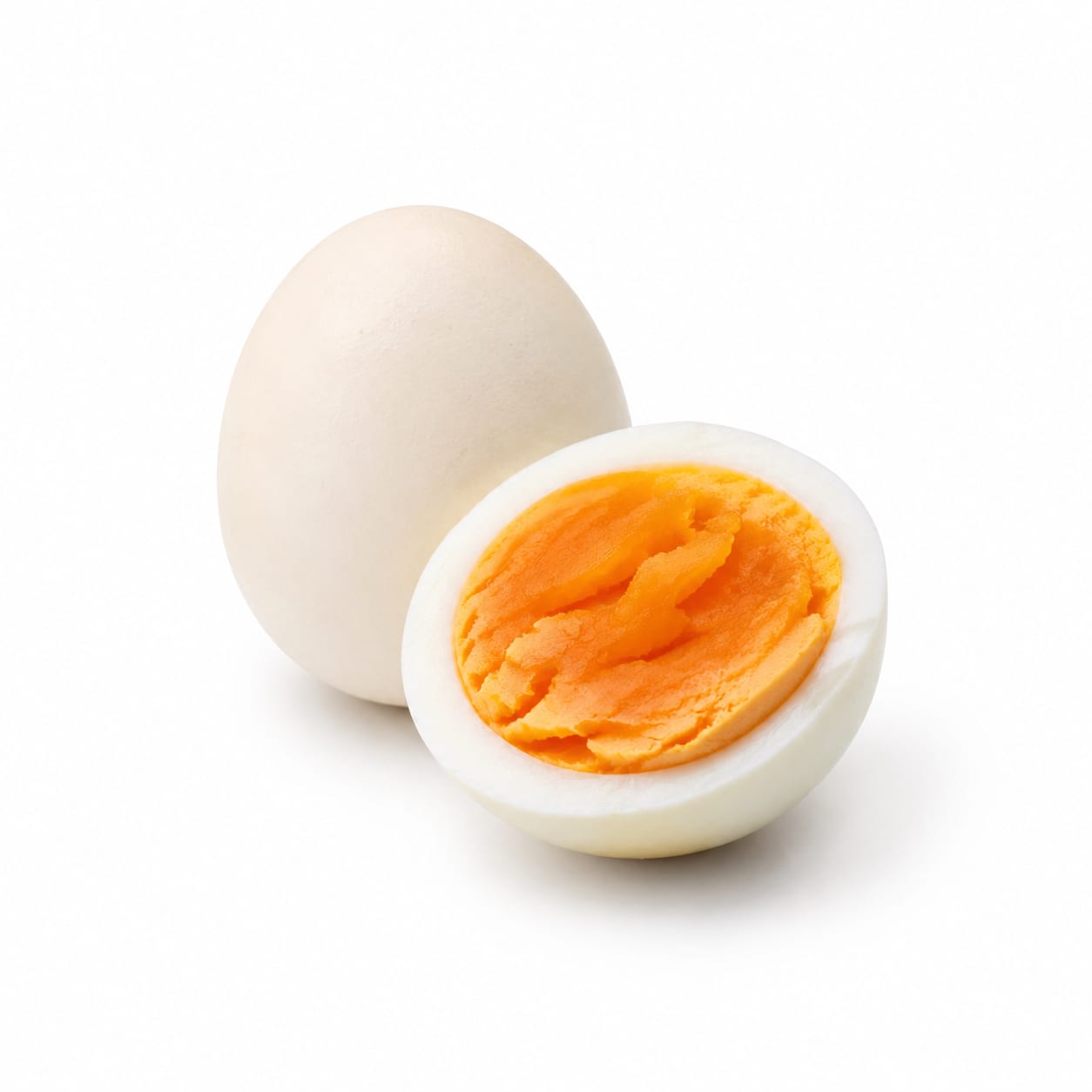
Goose Egg
Turkey Egg
Goose eggs deliver more of everything — protein, calories, cholesterol, and nutrients — while turkey eggs offer a more moderate, closer-to-chicken-egg experience with easier portion control.
Turkey eggs score slightly higher due to better portion balance and a more favorable cholesterol-to-nutrient ratio, but goose eggs win on sheer nutrient delivery and availability. The close scores reflect that both are specialty items with distinct tradeoffs.
Goose eggs are nutritional powerhouses but can be overwhelming in size and cholesterol; turkey eggs are gentler and more balanced but extremely hard to source.
At a glance
Executive summary
Overall
It depends
Healthier
Turkey Egg
More practical
Goose Egg
Daily use
Turkey Egg
Key comparison lenses
protein quality and quantity per serving
Both eggs are prized for their protein content, but portion sizes and protein density differ significantly
cholesterol and heart health impact
Goose eggs contain dramatically more cholesterol per serving, which is a major decision factor for many consumers
caloric density and portion control
A single goose egg packs nearly double the calories of a turkey egg, affecting meal planning and weight management
availability and everyday practicality
Both are specialty eggs, but turkey eggs are far harder to find, making accessibility a key concern
vitamin and mineral density
Both offer strong micronutrient profiles, but the sheer size of a goose egg changes the total nutrient delivery per serving
Best choice for
Goose Egg
- People needing high caloric intake like athletes or those recovering from illness
- Anyone wanting maximum protein from a single egg
- Culinary adventurers seeking richer, creamier baked goods
- Families wanting to share one egg among multiple people
Turkey Egg
- People watching their cholesterol who still want a specialty egg experience
- Anyone wanting a breakfast closer to a standard chicken egg portion
- Those who prefer lighter meals without feeling overly full
- People seeking a more balanced protein-to-calorie ratio
Least suitable for
Goose Egg
- People with high cholesterol or heart disease risk
- Anyone counting calories or practicing portion control
- Those who find rich, heavy meals uncomfortable
- People on a tight grocery budget given the premium price
Turkey Egg
- People who need high caloric intake in a single serving
- Anyone living where turkey eggs are simply unavailable
- Those wanting the dramatic richness that goose eggs bring to cooking
- Consumers who value easy sourcing and availability
Deep comparison
Dimension by dimension
Each lens scores both foods and breaks down who each option suits.
- Dimension 1 · Priority 92Goose Egg
Protein Quantity and Quality
Goose Egg · 88Turkey Egg · 72A single goose egg delivers roughly 19g of protein compared to about 11g in a turkey egg, making it the clear winner for total protein per serving.
Tradeoff
That protein comes bundled with significantly more calories and fat, so the protein-to-calorie ratio actually favors turkey eggs.
Why it matters
If you are eating eggs primarily for muscle recovery or satiety, the goose egg gets you there faster — but you are also consuming a much heavier meal.
Real-world impact
After a goose egg breakfast, you will likely feel full for hours. A turkey egg leaves room for other breakfast items without overloading you.
Goose Egg
- Post-workout recovery when you need maximum protein
- Single-egg meals where you want one and done
- Bodybuilders in a caloric surplus
Better for
- Cutting phases where every calorie counts
- Light breakfast preferences
Worse for
Turkey Egg
- Lean protein diets where calorie control matters
- Multiple-egg recipes where you want portion flexibility
- Anyone tracking protein-to-calorie efficiency
Better for
- Situations requiring maximum protein from minimal food volume
Worse for
- Dimension 2 · Priority 88Turkey Egg
Cholesterol and Heart Health
Goose Egg · 38Turkey Egg · 62A goose egg contains roughly 1,200mg of cholesterol — about four times a chicken egg. Turkey eggs land around 720mg, still high but notably less.
Tradeoff
Both eggs are high-cholesterol foods by absolute numbers. If cholesterol is a concern, neither is ideal, but turkey eggs are the less intense option.
Why it matters
For people with cardiovascular risk factors, that difference matters. Dietary cholesterol affects people differently, but the sheer volume in a goose egg is hard to ignore.
Real-world impact
Eating goose eggs regularly could push your daily cholesterol intake well beyond typical guidelines. Turkey eggs are still a splurge but feel more manageable.
Goose Egg
- People without cholesterol concerns who process dietary cholesterol efficiently
- Occasional use rather than daily
Better for
- Daily breakfast routines for cholesterol-sensitive individuals
- Anyone already struggling with lipid panels
Worse for
Turkey Egg
- Anyone monitoring heart health markers
- More frequent egg consumption without as much cholesterol load
- People with family history of cardiovascular disease
Better for
- Situations where cholesterol is not a concern at all — the gap narrows
Worse for
- Dimension 3 · Priority 85Turkey Egg
Caloric Density and Portion Control
Goose Egg · 42Turkey Egg · 71One goose egg runs about 266 calories versus roughly 135 for a turkey egg. The goose egg is essentially a full meal; the turkey egg is a standard breakfast portion.
Tradeoff
The goose egg's size can be an advantage if you want one egg to be your entire meal, but it removes flexibility for building balanced plates.
Why it matters
Portion control is one of the most practical factors in everyday eating. A turkey egg fits more naturally into a normal meal structure.
Real-world impact
With a goose egg, you are committed. With a turkey egg, you can add toast, fruit, or a second egg and still stay reasonable.
Goose Egg
- Hearty breakfasts where one item should carry the meal
- Hikers or manual laborers needing dense calories
- Intermittent fasting eaters having one big meal
Better for
- Weight loss diets
- People who graze or eat small frequent meals
Worse for
Turkey Egg
- Balanced breakfasts with multiple food groups
- Calorie-counting routines
- Anyone who prefers lighter morning meals
Better for
- Situations where you need maximum energy from minimal preparation
Worse for
- Dimension 4 · Priority 75Goose Egg
Micronutrient Density
Goose Egg · 82Turkey Egg · 70Goose eggs deliver more total vitamins and minerals per egg simply due to their size — more B12, more selenium, more vitamin A, and more iron per serving.
Tradeoff
When you adjust for calories, the micronutrient gap shrinks considerably. Turkey eggs hold their own on a per-calorie basis.
Why it matters
If you are eating one egg and want maximum nutritional return, the goose egg delivers more total nutrients. But you are paying for it in calories.
Real-world impact
A single goose egg can cover a significant chunk of your daily B12 and selenium needs. A turkey egg covers less but asks less of your calorie budget.
Goose Egg
- Nutrient-dense single-food meals
- Recovering from illness when appetite is low but nutrition needs are high
- Pregnant women needing extra B12 and iron in compact form
Better for
- Anyone already meeting micronutrient needs through other foods
Worse for
Turkey Egg
- Balanced diets where nutrients come from varied sources
- Everyday eating where you do not want one food dominating your intake
Better for
- Situations where food variety is limited and each item must deliver maximum nutrition
Worse for
- Dimension 5 · Priority 80Goose Egg
Availability and Practicality
Goose Egg · 55Turkey Egg · 30Goose eggs are specialty items but can be found at farmers markets, specialty grocers, and online. Turkey eggs are genuinely rare in retail — most go to hatcheries.
Tradeoff
Neither egg is as convenient as a chicken egg, but turkey eggs are dramatically harder to find, which limits their real-world usefulness.
Why it matters
The healthiest food in the world does not matter if you cannot buy it. Availability often determines what people actually eat.
Real-world impact
You can probably source goose eggs with some effort. Turkey eggs may require knowing a turkey farmer or ordering from niche suppliers.
Goose Egg
- Farmers market shoppers
- Online specialty food buyers
- People who plan meals around unique ingredients
Better for
- Quick grocery runs at standard supermarkets
Worse for
Turkey Egg
- Anyone who happens to raise turkeys or has farm connections
Better for
- Essentially everyone without direct farm access
- Consistent weekly meal planning
Worse for
- Dimension 6 · Priority 70Goose Egg
Culinary Versatility and Taste
Goose Egg · 78Turkey Egg · 65Goose eggs have a richer, creamier yolk that elevates baked goods and custards. Turkey eggs taste similar to chicken eggs with slightly more depth.
Tradeoff
The goose egg's richness can overpower delicate dishes, and its size does not map cleanly to standard recipes. Turkey eggs substitute more easily for chicken eggs.
Why it matters
If you are baking or making pasta, a goose egg's fat content creates noticeably richer results. For everyday cooking, turkey eggs are less disruptive.
Real-world impact
One goose egg can replace two to three chicken eggs in baking but changes the fat balance. Turkey eggs swap in more cleanly for chicken eggs.
Goose Egg
- Rich desserts and custards
- Fresh pasta making
- Dishes where egg richness is the star
Better for
- Light, delicate dishes where richness overwhelms
- Recipes requiring precise egg measurements
Worse for
Turkey Egg
- Standard egg recipes like frying or scrambling
- Recipes where you need predictable egg-to-ingredient ratios
- Everyday cooking without recipe adjustments
Better for
- Showstopper dishes where you want dramatic egg flavor and texture
Worse for
Timeline
Health impact over time
Short-term
Hours to days
Goose Egg
- Very high satiety — one egg can feel like a complete meal
- Possible sluggishness after eating due to high fat and calorie content
- Rich, heavy feeling in the stomach compared to smaller eggs
Turkey Egg
- Moderate satiety similar to a large chicken egg
- Comfortable digestion without heaviness
- Easier to pair with other foods without feeling overstuffed
Long-term
Months to years
Goose Egg
- Regular consumption could significantly raise dietary cholesterol intake
- High nutrient density supports B12, selenium, and iron status if eaten periodically
- Caloric density makes frequent consumption risky for weight management
Turkey Egg
- More sustainable for regular inclusion without excessive cholesterol load
- Balanced nutrient profile supports consistent micronutrient intake
- Easier to maintain as an occasional specialty without disrupting overall diet balance
Risk profile
Safety & processing
Both goose eggs and turkey eggs are whole, unprocessed foods straight from the farm. Neither contains additives, preservatives, or artificial ingredients. The main consideration is farming practices — pasture-raised birds produce more nutrient-dense eggs regardless of species.
Goose Egg
Salmonella contamination
mediumLike all raw eggs, goose eggs carry salmonella risk. Proper cooking eliminates this, but the larger yolk may need longer cooking times to reach safe temperatures throughout.
Allergenicity
lowEgg allergies typically cross-react across bird species. If you are allergic to chicken eggs, goose eggs are likely unsafe as well.
Turkey Egg
Salmonella contamination
mediumSame risk as any raw egg. Turkey eggs are not inherently riskier, but inconsistent sourcing from small farms may mean less standardized washing and grading.
Unregulated sourcing
mediumBecause turkey eggs are rarely sold commercially, they often come from small unregulated producers. Verify handling practices when buying from farm stands or online.
Who wins for whom
Audience fit
Same foods, different winners depending on your goal.
children
Turkey EggTurkey eggs are closer to a child-friendly portion size. A goose egg is enormous for a small child and could be overwhelming both visually and digestively.
daily consumption
Turkey EggTurkey eggs are more balanced for regular use. Goose eggs are better treated as an occasional specialty due to their cholesterol and calorie density.
diabetes
Turkey EggBoth eggs have minimal impact on blood sugar, but turkey eggs offer a lighter meal that pairs more easily with fiber-rich sides for balanced glucose control.
elderly
Turkey EggOlder adults often need to watch cholesterol and portion sizes. Turkey eggs provide adequate nutrition without the excessive cholesterol load of a goose egg.
muscle gain
Goose EggGoose eggs deliver more total protein per serving, which matters when you are trying to hit high protein targets without eating constantly.
weight loss
Turkey EggTurkey eggs provide a satisfying portion at roughly half the calories of a goose egg, making them far easier to fit into a calorie-controlled plan.
Your move
Decision guide
Choose Goose Egg
- You want maximum protein and nutrients from a single egg
- You are not concerned about cholesterol or calorie intake
- You are baking rich desserts or making fresh pasta where egg quality shines
- You can source goose eggs and want a unique culinary experience
- You need dense calories for high-energy demands
Choose Turkey Egg
- You want a specialty egg experience without the extreme cholesterol hit
- You prefer lighter meals with room for other foods on the plate
- You are watching your weight or heart health markers
- You can actually find turkey eggs — availability is the real barrier
- You want something closer to a chicken egg but slightly more interesting
Either works if
- You are simply curious and want to try something beyond chicken eggs
- You have access to both and want to rotate for variety
- You are eating eggs only occasionally, so the cholesterol difference matters less
Avoid both if
- You have an egg allergy — cross-reactivity makes both unsafe
- You are on a strict low-cholesterol diet prescribed by a doctor
- Budget is a primary concern — both are significantly more expensive than chicken eggs
- You cannot reliably source either and want consistent weekly meal planning
Final recommendation
For most people, turkey eggs are the smarter choice for regular eating — better portion control, less cholesterol, and a more familiar eating experience. But the reality is that turkey eggs are very hard to find. If you can access goose eggs more easily, enjoy them occasionally as a rich treat rather than a daily staple. Neither egg needs to replace chicken eggs in your routine; both are best appreciated as occasional upgrades that add variety and novelty to your diet.
Practical
Consumer tips
- 1
If substituting goose eggs in recipes, count one goose egg as roughly two to three large chicken eggs, but reduce added fat slightly since the yolk is much richer.
- 2
Always cook both egg types thoroughly — the larger goose egg yolk needs extra time to reach safe temperature throughout.
- 3
Buy from pasture-raised sources when possible. The diet of the bird significantly affects the nutrient profile of the egg, regardless of species.
- 4
Store both egg types the same way you would chicken eggs — refrigerated and used within a few weeks.
- 5
If you find turkey eggs, try them scrambled with herbs before using in baking — their flavor is slightly more robust than chicken eggs and worth appreciating on its own.
- 6
Freeze extra eggs by cracking them open and whisking before freezing in ice cube trays for later use in cooking.