
Nutrition comparison
Goose Egg vs Cottage Cheese: Which Protein Source Is Healthier?
Compare Goose Egg and Cottage Cheese nutrition, protein, cholesterol, and health impact. Discover which is better for weight loss, muscle gain, and daily eating.
Overall winner · Cottage Cheese
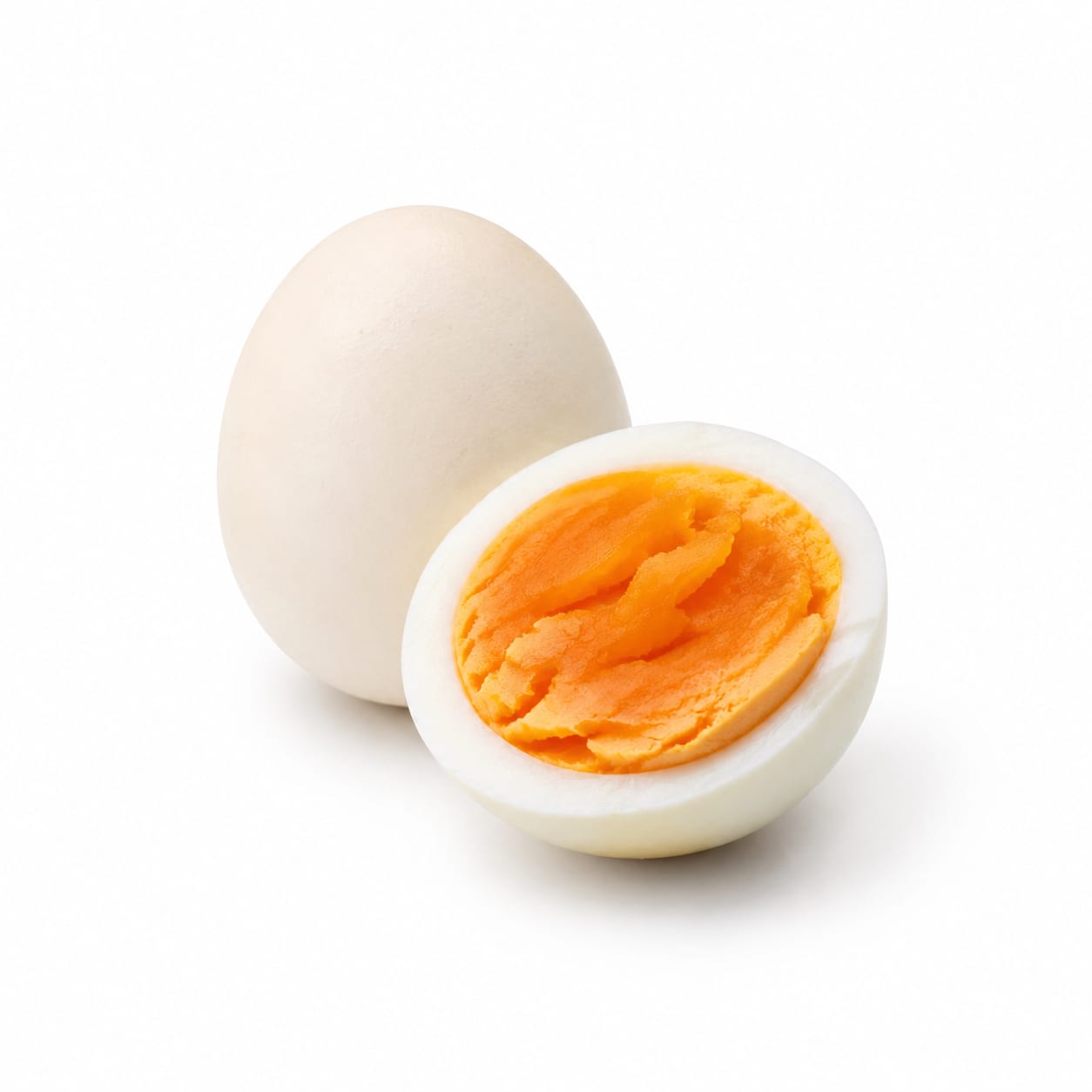
Goose Egg
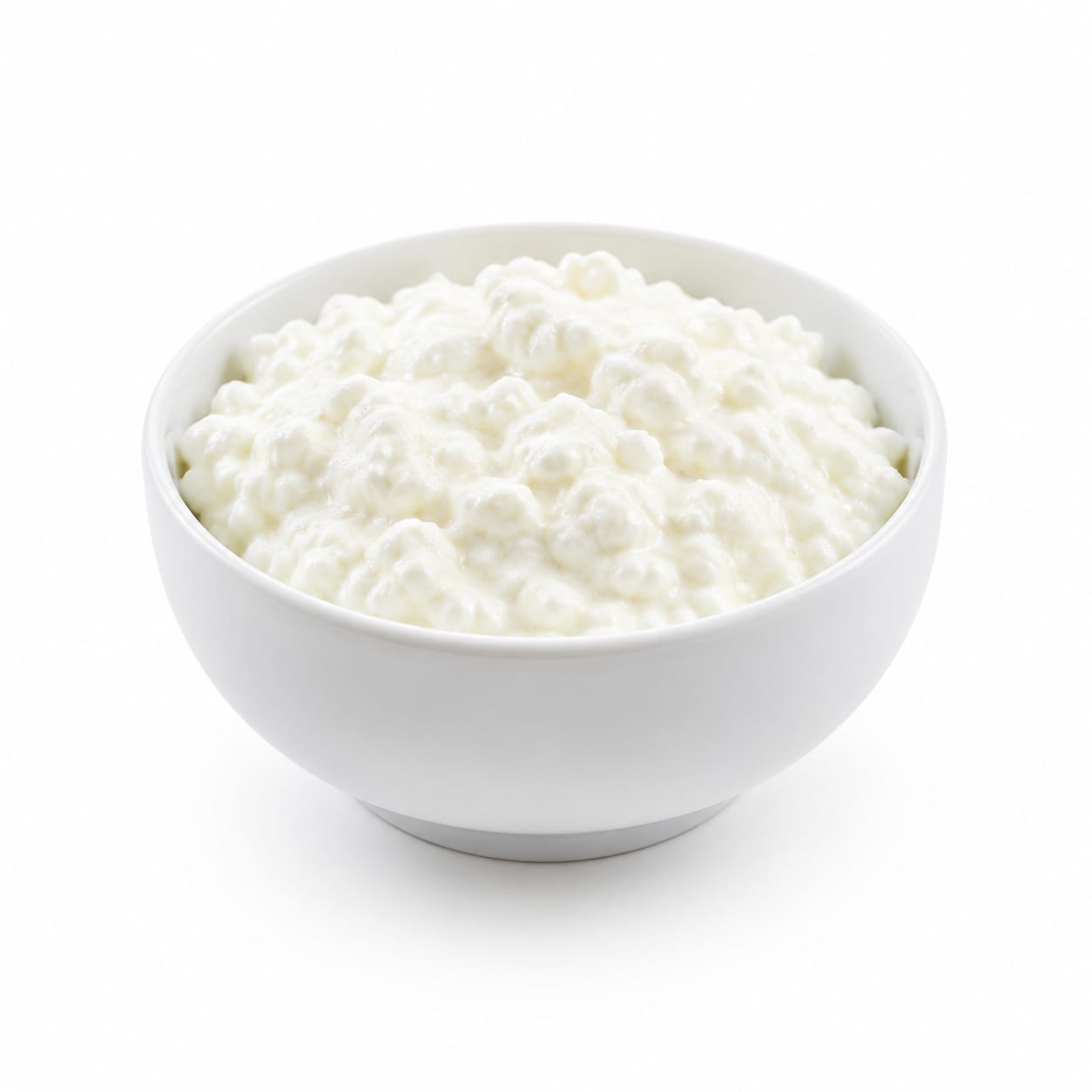
Cottage Cheese
Cottage Cheese wins for everyday eating due to lower calories, better heart health profile, and convenience, but Goose Egg delivers superior nutrient density per serving when cholesterol isn't a concern.
Cottage Cheese scores notably higher due to its stronger alignment with everyday health goals like heart health, weight management, and convenience. Goose Egg is nutritionally impressive but its extreme cholesterol and calorie content, plus limited availability, make it a niche choice rather than a daily staple.
Goose Egg offers more vitamins, minerals, and complete nutrition in one package, but at the cost of massive cholesterol and calories. Cottage Cheese gives you lean protein with calcium at a fraction of the fat.
At a glance
Executive summary
Overall
Cottage Cheese
Healthier
Cottage Cheese
More practical
Cottage Cheese
Daily use
Cottage Cheese
Key comparison lenses
protein source selection
Both foods are primarily valued as high-protein options, so protein quality, quantity, and satiety are central to this comparison
cholesterol and heart health concern
Goose Eggs contain extremely high cholesterol levels, making cardiovascular impact a major decision factor
weight management and calorie control
Cottage Cheese is a diet staple for weight loss while Goose Eggs are calorie-dense, creating a clear tradeoff
daily eating practicality
Cottage Cheese is ready-to-eat and widely available; Goose Eggs require cooking and are harder to find
digestive tolerance and allergies
Egg allergies and lactose intolerance affect opposite groups, making this a key personal factor
Best choice for
Goose Egg
- People needing maximum nutrition density in minimal volume
- Those on keto or low-carb diets who welcome higher fat
- Individuals with dairy intolerance or lactose issues
- Anyone seeking rich B-vitamin and choline intake
Cottage Cheese
- People managing cholesterol or heart disease risk
- Anyone counting calories for weight loss
- Those wanting convenient ready-to-eat protein
- Individuals prioritizing bone health through calcium
Least suitable for
Goose Egg
- People with high cholesterol or cardiovascular disease
- Anyone strictly monitoring calorie intake
- Those who need quick grab-and-go meals
- Individuals with egg allergies
Cottage Cheese
- People with severe lactose intolerance
- Those avoiding sodium-heavy foods
- Individuals sensitive to dairy or casein
- Anyone seeking a whole unprocessed food
Deep comparison
Dimension by dimension
Each lens scores both foods and breaks down who each option suits.
- Dimension 1 · Priority 95Goose Egg
protein_quality_and_content
Goose Egg · 88Cottage Cheese · 82Goose Egg delivers about 20g of complete protein with a slightly higher biological value, while Cottage Cheese offers 14-28g depending on variety with slower-digesting casein protein.
Tradeoff
Goose Egg protein comes with significantly more fat and cholesterol. Cottage Cheese gives you leaner protein that digests slowly and keeps you full longer between meals.
Why it matters
Protein quality affects muscle recovery, satiety, and how efficiently your body uses what you eat. Both excel here but serve different timing needs.
Real-world impact
After a workout, Cottage Cheese's slow casein protein sustains muscle repair for hours. A Goose Egg gives you a quicker amino acid surge but with a heavier digestive load.
Goose Egg
- Complete amino acid profile with higher leucine per serving
- More bioavailable micronutrients that support protein utilization
- Naturally occurring choline which supports muscle function
Better for
- Protein comes bundled with 19g of fat per egg
- Harder to portion protein intake precisely
Worse for
Cottage Cheese
- Casein protein provides sustained amino acid release over 6-8 hours
- Much higher protein-to-calorie ratio in low-fat varieties
- Easier to consume larger protein quantities without excessive fat
Better for
- Some brands add gums or stabilizers that slightly reduce protein purity
- Lower leucine content per calorie compared to whole eggs
Worse for
- Dimension 2 · Priority 90Cottage Cheese
heart_health_and_cholesterol
Goose Egg · 25Cottage Cheese · 78One Goose Egg contains over 1200mg of cholesterol, roughly 4x the daily limit recommended for at-risk individuals. Cottage Cheese is relatively heart-friendly, especially low-fat versions.
Tradeoff
Goose Egg's extraordinary cholesterol load makes it a risky choice for anyone with cardiovascular concerns. Cottage Cheese has modest saturated fat and actually provides calcium that supports healthy blood pressure.
Why it matters
For the majority of adults over 40, cholesterol intake directly impacts heart disease risk. This single factor makes daily Goose Egg consumption inadvisable for most people.
Real-world impact
Eating a Goose Egg daily could push your cholesterol intake to levels that concern most doctors. Cottage Cheese can be eaten daily without raising lipid alarms.
Goose Egg
- Contains omega-3 fatty acids in small amounts if from pasture-raised geese
- Cholesterol in eggs has less impact on blood cholesterol than once believed for healthy individuals
Better for
- 1227mg cholesterol per egg dwarfs the 300mg daily limit for at-risk people
- 19g total fat with 5g saturated fat per egg
Worse for
Cottage Cheese
- Low-fat versions contain minimal saturated fat
- Calcium and potassium support healthy blood pressure
- No dietary cholesterol to worry about
Better for
- Full-fat versions still contribute meaningful saturated fat
- Sodium content can be 400-900mg per cup, affecting blood pressure
Worse for
- Dimension 3 · Priority 85Cottage Cheese
calorie_density_and_weight_management
Goose Egg · 35Cottage Cheese · 82A single Goose Egg packs roughly 266 calories, while a cup of low-fat Cottage Cheese provides similar protein for about 160 calories.
Tradeoff
Goose Egg is calorie-expensive for the protein you get. Cottage Cheese lets you hit protein targets with far fewer calories, making it far more diet-friendly.
Why it matters
If you are trying to lose or maintain weight, calorie density determines how much you can eat while staying in your target range. Every calorie counts when cutting.
Real-world impact
You could eat nearly two cups of low-fat Cottage Cheese for the calories of one Goose Egg, getting double the protein and feeling much more full.
Goose Egg
- Higher fat content provides longer satiety for some people
- Single-serving natural portion control since you eat one egg
Better for
- 266 calories per egg with no low-calorie alternative form
- Easy to overconsume calories if eating multiple eggs
Worse for
Cottage Cheese
- Low-fat varieties offer roughly 2x the protein per calorie
- Much larger volume per calorie, physically filling the stomach
- Easy to portion precisely for calorie tracking
Better for
- Full-fat versions are significantly more calorie-dense
- Can feel less satisfying than a warm cooked egg for some people
Worse for
- Dimension 4 · Priority 80Goose Egg
micronutrient_density
Goose Egg · 92Cottage Cheese · 65Goose Egg is a nutritional powerhouse, delivering exceptional B12, selenium, vitamin A, iron, and choline in a single serving. Cottage Cheese provides calcium and some B vitamins but has a narrower nutrient profile.
Tradeoff
You get far more vitamins and minerals from a Goose Egg, but you pay for it with cholesterol and calories. Cottage Cheese is micronutrient-thinner but leaner overall.
Why it matters
Micronutrient density determines how much nutritional value you extract per bite. For people who eat limited volumes, dense sources matter more.
Real-world impact
One Goose Egg covers over 100% of your B12 needs and provides substantial choline for brain health. Cottage Cheese mainly shines for calcium, which you could also get from other dairy.
Goose Egg
- Exceptional B12 content supporting nerve function and energy
- Rich in choline, critical for brain health and liver function
- High selenium for thyroid and immune support
- Significant vitamin A for vision and skin health
- Contains iron, which Cottage Cheese lacks
Better for
- All those micronutrients come with a heavy calorie and fat price tag
Worse for
Cottage Cheese
- Excellent calcium source for bone density
- Contains phosphorus that works synergistically with calcium
- Some brands fortified with vitamin D
Better for
- Missing iron, choline, and significant vitamin A
- Narrower spectrum of trace minerals
Worse for
- Dimension 5 · Priority 78Cottage Cheese
convenience_and_practicality
Goose Egg · 30Cottage Cheese · 90Cottage Cheese is ready to eat straight from the container, widely available, and easy to find in any grocery store. Goose Eggs require cooking, are specialty items, and cost significantly more.
Tradeoff
If convenience matters for your lifestyle, Cottage Cheese is dramatically easier to incorporate. Goose Eggs demand effort to source, cook, and integrate into meals.
Why it matters
The best food for you is the one you'll actually eat consistently. Barriers like availability and prep time directly impact adherence.
Real-world impact
You can scoop Cottage Cheese at your desk in 30 seconds. A Goose Egg requires finding a specialty store, cooking it properly, and planning a meal around it.
Goose Egg
- Longer shelf life when refrigerated as a whole egg
- More versatile in cooking for those who enjoy preparing meals
Better for
- Hard to find outside specialty or farmers markets
- Requires cooking every time
- Can cost $3-8 per egg depending on source
- Limited recipe familiarity for most home cooks
Worse for
Cottage Cheese
- Zero preparation required
- Available at virtually every grocery store
- Consistent product regardless of season
- Affordable at roughly $2-4 per pound
Better for
- Shorter shelf life once opened
- Container waste from single-use packaging
Worse for
- Dimension 6 · Priority 72It depends
digestive_tolerance
Goose Egg · 70Cottage Cheese · 60Goose Eggs are well-tolerated by most people except those with egg allergies. Cottage Cheese causes issues for lactose-intolerant individuals and those sensitive to dairy proteins.
Tradeoff
Your digestive system will prefer whichever food aligns with your personal tolerance. Egg allergies and lactose intolerance affect different populations entirely.
Why it matters
Even the most nutritious food causes harm if your body cannot digest it properly. Personal tolerance often overrides nutritional theory.
Real-world impact
If dairy leaves you bloated and gassy, Goose Egg is clearly the better protein choice. If eggs cause inflammation or allergic response, Cottage Cheese becomes your safe option.
Goose Egg
- No lactose, making it safe for dairy-sensitive individuals
- Well-digested by most non-allergic people
- Cooking improves digestibility further
Better for
- Egg allergies affect roughly 2% of children and some adults
- High fat content can slow gastric emptying
Worse for
Cottage Cheese
- Some brands contain probiotics that support gut health
- Lower fat versions are gentler on the gallbladder
- Softer texture requires less digestive effort
Better for
- Lactose intolerance affects 65% of the global population to some degree
- Casein can trigger inflammatory responses in sensitive individuals
- Sodium content may cause bloating in some people
Worse for
- Dimension 7 · Priority 75Goose Egg
satiety_and_fullness
Goose Egg · 82Cottage Cheese · 76Goose Egg's combination of protein, fat, and dense nutrition creates strong satiety signals. Cottage Cheese fills you through volume and slow-digesting casein, but with less staying power for some.
Tradeoff
Goose Egg keeps you full with fewer bites but more calories. Cottage Cheese keeps you full with more volume but fewer calories. Different strategies for different eaters.
Why it matters
Satiety determines whether you stick with your eating plan or reach for snacks an hour later. The right choice depends on what triggers fullness for you personally.
Real-world impact
After a Goose Egg, you may feel satisfied for 4-5 hours due to the fat content. Cottage Cheese keeps you full through physical stomach stretch and slow protein, but some people feel hungry again sooner.
Goose Egg
- Higher fat content delays gastric emptying significantly
- Choline and lecithin contribute to satiety signaling
- More nutritionally complete meal in one item
Better for
- Small volume means some people do not feel physically full
- High calorie cost if satiety does not last as expected
Worse for
Cottage Cheese
- Casein protein clots in the stomach, providing slow sustained release
- Higher volume per calorie physically stretches the stomach
- Easier to combine with fiber-rich foods for enhanced fullness
Better for
- Lower fat means faster gastric emptying for some people
- Liquid-adjacent texture may not register as a real meal psychologically
Worse for
Timeline
Health impact over time
Short-term
Hours to days
Goose Egg
- Immediate and sustained energy from high fat and protein content
- Potential for sluggishness after eating due to heavy digestive load
- Quick B12 and choline availability supporting mental clarity
- Risk of stomach discomfort if you have mild egg sensitivity
Cottage Cheese
- Gradual protein absorption supporting steady amino acid availability
- Possible bloating or gas within 30-60 minutes if lactose intolerant
- Quick calcium availability for muscle and nerve function
- Thirst from sodium content in some brands
Long-term
Months to years
Goose Egg
- Regular consumption may elevate LDL cholesterol in susceptible individuals
- Consistent choline intake supports cognitive health and liver function
- Excellent B12 status prevents deficiency-related fatigue and nerve issues
- High calorie load could contribute to weight gain if not accounted for
Cottage Cheese
- Regular intake supports bone mineral density through consistent calcium delivery
- Casein protein may help preserve lean muscle during aging or calorie restriction
- Sodium load from regular consumption could affect blood pressure over time
- Probiotic-containing brands may improve gut microbiome diversity with consistent use
Risk profile
Safety & processing
Goose Egg is essentially an unprocessed whole food straight from the farm. Cottage Cheese undergoes curdling, straining, and often includes stabilizers like guar gum or carrageenan, plus added sodium. While Cottage Cheese is far from ultra-processed, it sits a tier below a whole egg in naturalness.
Goose Egg
Salmonella contamination
mediumLike all eggs, Goose Eggs can carry Salmonella on the shell and inside. Proper cooking eliminates this risk, but runny yolks remain a vulnerability.
Allergic reaction
highEgg allergies can cause severe reactions including anaphylaxis in sensitive individuals. Goose Egg proteins cross-react with chicken egg allergies.
Antibiotic and hormone exposure
lowDepends heavily on farming practices. Pasture-raised geese have minimal exposure, but conventional sources may carry residues.
Cottage Cheese
Listeria contamination
mediumSoft dairy products like Cottage Cheese can harbor Listeria, especially if pasteurization is incomplete or storage is improper. Particularly risky for pregnant women.
High sodium intake
mediumRegular Cottage Cheese contains 400-900mg sodium per cup, which can push daily intake toward concerning levels for salt-sensitive individuals.
Additive sensitivity
lowCarrageenan and guar gum in some brands can cause digestive upset in sensitive people, though this is uncommon.
Who wins for whom
Audience fit
Same foods, different winners depending on your goal.
children
Cottage CheeseCottage Cheese is easier for children to eat, provides growing bones with calcium, and avoids the cholesterol concerns relevant to establishing lifelong dietary patterns. Goose Egg could serve as an occasional nutrient boost.
daily consumption
Cottage CheeseCottage Cheese can be eaten daily without raising cholesterol alarms or breaking calorie budgets. Goose Egg is better reserved as an occasional nutritional powerhouse due to its extreme cholesterol content.
diabetes
Cottage CheeseBoth foods have minimal carbohydrate impact, but Cottage Cheese has a slight edge due to lower calorie density and no cholesterol concerns. Goose Egg's high fat content can worsen insulin resistance when consumed frequently.
elderly
Cottage CheeseOlder adults benefit greatly from Cottage Cheese's calcium for bone density, easily digestible texture, and lower cardiovascular risk. Goose Egg's cholesterol load is particularly concerning for this age group.
muscle gain
Cottage CheeseCottage Cheese provides more total protein per serving with less fat, and its slow-digesting casein is ideal for overnight muscle recovery. Low-fat versions let you hit high protein targets without excessive calories.
weight loss
Cottage CheeseCottage Cheese delivers more protein per calorie with far less fat, making it dramatically easier to stay within a calorie deficit while maintaining satiety.
Your move
Decision guide
Choose Goose Egg
- You have no cholesterol concerns and want maximum nutrient density per bite
- You are on a keto or low-carb diet and welcome high-fat protein sources
- You cannot tolerate dairy or lactose and need an alternative protein
- You enjoy cooking and want a rich, flavorful ingredient for specialty dishes
- You need a concentrated source of B12, choline, and selenium
Choose Cottage Cheese
- You are watching your cholesterol or have cardiovascular risk factors
- You want lean protein that fits easily into a calorie-controlled diet
- You need convenient ready-to-eat protein for busy schedules
- You prioritize calcium intake for bone health
- You want a protein source you can eat daily without concern
Either works if
- You simply need a high-quality protein source and have no specific restrictions
- You are alternating protein sources for dietary variety
- Both foods fit within your calorie and macro targets
Avoid both if
- You have both egg allergy and severe lactose intolerance
- You are on a strict vegan diet
- You require very low-sodium and low-cholesterol foods simultaneously
Final recommendation
For most people, Cottage Cheese is the smarter everyday choice. It delivers lean protein, bone-supporting calcium, and convenience without the cholesterol burden. Goose Egg is a nutritional treasure best enjoyed occasionally, like a rich specialty food rather than a daily staple. If you are healthy, active, and unconcerned about cholesterol, a Goose Egg once a week can add impressive micronutrient variety. But for consistent, sustainable daily nutrition, Cottage Cheese is the clear winner.
Practical
Consumer tips
- 1
Choose low-fat or 2% Cottage Cheese for the best protein-to-calorie ratio unless you specifically need more dietary fat
- 2
Look for Cottage Cheese brands with live cultures and minimal additives like Daisy or Good Culture
- 3
If buying Goose Eggs, source from pasture-raised geese when possible for better omega-3 content and cleaner farming practices
- 4
Rinse Cottage Cheese under cold water to reduce sodium by roughly 30-40% if salt is a concern
- 5
Cook Goose Eggs thoroughly to eliminate Salmonella risk, especially for vulnerable populations like pregnant women and elderly adults
- 6
Pair Cottage Cheese with fruit or nuts for a more complete snack that adds fiber and healthy fats
- 7
Limit Goose Egg consumption to 1-2 per week if you have any cardiovascular risk factors or elevated cholesterol
- 8
Check Cottage Cheese labels for added sugars in flavored varieties, which can add 8-12g of unnecessary sugar per serving