
Nutrition comparison
Duck Egg vs Goose Egg: Nutrition, Cholesterol, and Which to Pick
Compare duck eggs vs goose eggs. Discover the nutritional differences, cholesterol levels, and which egg is better for your diet and recipes.
Overall winner · Duck Egg
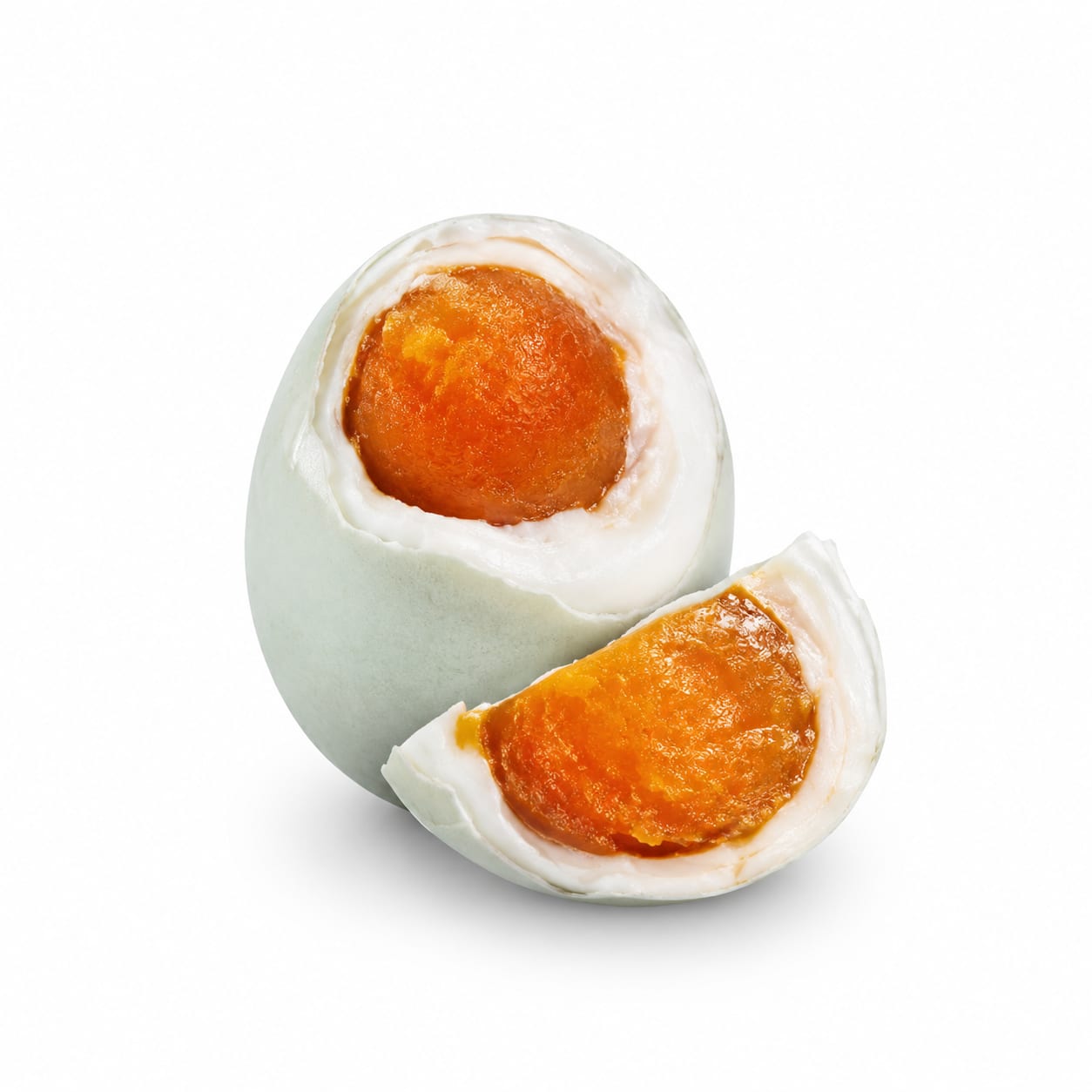
Duck Egg
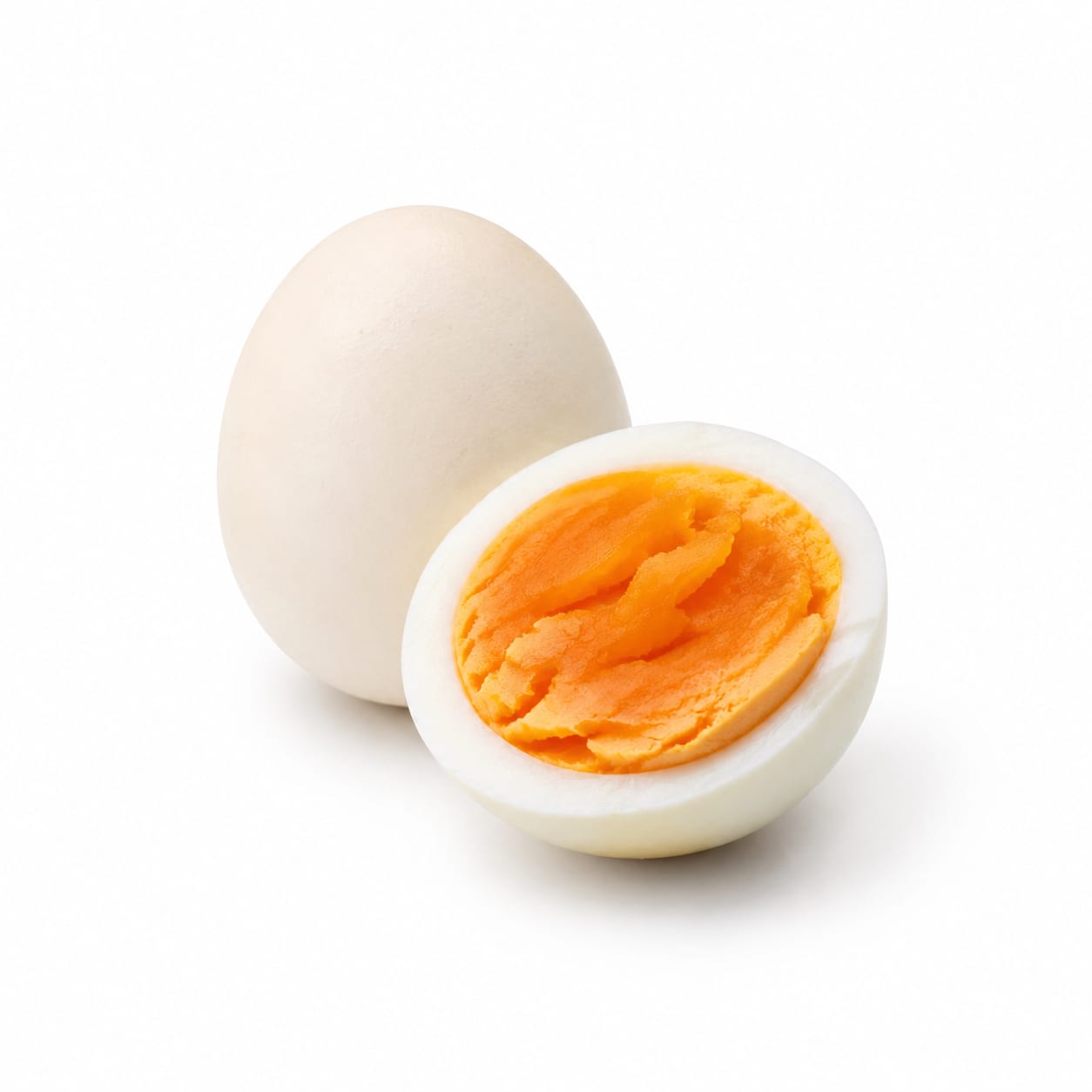
Goose Egg
Duck eggs are more practical for regular eating, while goose eggs are massive nutrient bombs best reserved for occasional use.
Duck eggs score higher due to better portion practicality and a more manageable cholesterol profile for regular consumption. Goose eggs are nutritionally dense but their extreme size and cholesterol make them less suitable as a staple food.
Goose eggs deliver far more protein and micronutrients per egg, but come with an extreme cholesterol and calorie load that makes daily eating risky.
At a glance
Executive summary
Overall
Duck Egg
Healthier
Duck Egg
More practical
Duck Egg
Daily use
Duck Egg
Key comparison lenses
Cholesterol and heart health impact
Both eggs are very high in cholesterol, but goose eggs contain over 1200mg per egg, making cardiovascular risk a primary concern.
Caloric and macronutrient load per serving
A single goose egg is massive and packs over 260 calories, making portion control a key factor in this comparison.
Practicality and culinary use
Duck eggs are easier to find and substitute in standard recipes, while goose eggs are rare and require recipe adjustments due to their size.
Best choice for
Duck Egg
- People wanting a rich baking egg
- Those eating 1-2 eggs at a time
- Everyday high-protein breakfasts
Goose Egg
- Sharing a single egg between two people
- Massive post-workout protein needs
- Occasional culinary novelty
Least suitable for
Duck Egg
- Those strictly limiting dietary cholesterol
Goose Egg
- People with heart disease risks
- Solo eaters wanting a light meal
- Daily breakfast routines
Deep comparison
Dimension by dimension
Each lens scores both foods and breaks down who each option suits.
- Dimension 1 · Priority 95Duck Egg
Cholesterol & Heart Health
Duck Egg · 40Goose Egg · 20Duck eggs are high in cholesterol, but goose eggs contain over 1200mg per egg, which is four times the daily recommended limit.
Tradeoff
You get more nutrients with a goose egg, but you also get a massive dose of dietary cholesterol that can strain your heart health.
Why it matters
For anyone watching their lipid panels, a single goose egg blows past daily limits and leaves no room for other animal fats.
Real-world impact
Eating a goose egg daily could noticeably spike your LDL cholesterol, whereas a duck egg is easier to fit into a balanced week.
Duck Egg
- Managing daily cholesterol limits
- More flexibility in the rest of your diet
Better for
Goose Egg
- Heart-healthy diets
- People on statins or with high cholesterol
Worse for
- Dimension 2 · Priority 85Goose Egg
Protein & Micronutrient Density
Duck Egg · 75Goose Egg · 90A single goose egg provides 20g of protein and huge amounts of B12, selenium, and iron.
Tradeoff
The nutrient density is phenomenal, but it comes packaged with a lot of fat and calories that might exceed your needs.
Why it matters
If you need a big nutrient boost in one sitting, a goose egg is incredibly efficient at delivering vitamins and minerals.
Real-world impact
One goose egg covers your entire B12 needs for the day and provides a steak-like protein hit in a single bite.
Duck Egg
- Smaller appetite needs
- Easier macro balancing
Better for
- Massive protein needs in one meal
Worse for
Goose Egg
- Post-workout recovery
- Fighting nutrient deficiencies
- Sharing between two people
Better for
- Low-calorie diets
Worse for
- Dimension 3 · Priority 80Duck Egg
Portion Control & Satiety
Duck Egg · 85Goose Egg · 60Duck eggs are closer to standard chicken eggs in size, making them easy to portion. A goose egg is a meal in itself.
Tradeoff
Goose eggs are highly filling but offer little flexibility if you aren't looking for a heavy meal.
Why it matters
Overeating is easier when portions are oversized, but a single goose egg might also be too heavy for a light breakfast.
Real-world impact
A duck egg fits nicely on toast; a goose egg covers the entire plate and leaves you stuffed for hours.
Duck Egg
- Standard meal prep
- Lighter breakfasts
- Baking recipes
Better for
- Extreme hunger days
Worse for
Goose Egg
- Long fasting periods
- Heavy physical labor days
Better for
- Light eaters
- Small frequent meals
Worse for
- Dimension 4 · Priority 75Duck Egg
Culinary Practicality & Availability
Duck Egg · 80Goose Egg · 50Duck eggs are relatively easy to find at farmers markets or Asian grocers. Goose eggs are seasonal and rare.
Tradeoff
Goose eggs offer a unique, rich flavor and texture, but you will struggle to find them regularly.
Why it matters
A food you cannot buy easily is hard to rely on for consistent nutrition or meal planning.
Real-world impact
You can grab duck eggs most weeks; goose eggs might be a once-a-year springtime treat if you know a local farmer.
Duck Egg
- Consistent grocery shopping
- Substituting for chicken eggs in baking
Better for
- Seeking novelty
Worse for
Goose Egg
- Impressive brunch dishes
- Culinary experimentation
Better for
- Weekly meal planning
- Budget-conscious diets
Worse for
Timeline
Health impact over time
Short-term
Hours to days
Duck Egg
- Sustained energy from high fat and protein
- Very filling without feeling overly heavy
Goose Egg
- Extreme fullness, potentially sluggish feeling due to high fat content
- Massive satiety that can eliminate hunger for half a day
Long-term
Months to years
Duck Egg
- Potential LDL increase if eaten daily in excess
- Great maintenance of B12 and iron levels
Goose Egg
- High risk of elevated cholesterol if consumed frequently
- Excellent prevention of B12 and selenium deficiencies due to massive nutrient payload
Risk profile
Safety & processing
Both duck and goose eggs are whole, unprocessed foods straight from the farm with no additives or preservatives.
Duck Egg
Salmonella
mediumLike all raw eggs, duck eggs carry a salmonella risk if undercooked, and they are often sold unwashed at markets.
Allergic cross-reactivity
lowPeople with chicken egg allergies may also react to duck egg proteins.
Goose Egg
Salmonella
mediumSimilar bacterial risk, especially since goose eggs often come from small farms with varied washing practices.
Allergic cross-reactivity
lowEgg allergy sufferers are highly likely to react to goose eggs just as they would to chicken eggs.
Who wins for whom
Audience fit
Same foods, different winners depending on your goal.
children
Duck EggDuck eggs are a more appropriate size for a child's meal. A goose egg is overwhelmingly large and contains cholesterol levels far exceeding a child's daily needs.
daily consumption
Duck EggThe more moderate calorie and cholesterol profile of duck eggs makes them a viable daily option, whereas goose eggs should be an occasional treat.
diabetes
Duck EggBoth have minimal carbs and will not spike blood sugar, but the lower calorie count of duck eggs helps with weight management, which is crucial for diabetes.
elderly
Duck EggOlder adults often need to watch cholesterol and portion sizes, making the smaller duck egg a safer choice for heart health.
muscle gain
Goose EggWith 20g of protein per egg, a goose egg provides a massive muscle-building block in one sitting.
weight loss
Duck EggDuck eggs are lower in calories and easier to fit into a calorie deficit. A single goose egg takes up a huge portion of a daily calorie budget.
Your move
Decision guide
Choose Duck Egg
- You want a rich, high-protein egg for daily breakfasts
- You are watching your cholesterol or calorie intake
- You need a reliable egg for baking or meal prep
Choose Goose Egg
- You are sharing an egg dish with a partner
- You have massive caloric and protein needs after heavy training
- You found them at a farmers market and want a fun culinary experience
Either works if
- You need a zero-carb, nutrient-dense food
- You tolerate eggs well and want an alternative to chicken eggs
Avoid both if
- You have severe egg allergies
- Your doctor has strictly banned dietary cholesterol
Final recommendation
Treat duck eggs as your go-to premium alternative to chicken eggs, and save goose eggs for an occasional, shareable indulgence.
Practical
Consumer tips
- 1
If you buy duck or goose eggs from a farm, they may be unwashed; store them in the fridge and wash them right before cooking.
- 2
Goose egg yolks are incredibly rich; try scrambling one with a lot of vegetables to balance the heaviness of the meal.
- 3
Because duck eggs have higher fat content, they make baked goods fluffier and richer than chicken eggs.
- 4
If you are tracking cholesterol, remember that one goose egg equals about four chicken eggs in cholesterol content.