
Nutrition comparison
Goose Egg vs Ostrich Egg: Nutrition, Taste, and Which One to Actually Buy
Comparing goose eggs and ostrich eggs on protein, cholesterol, practicality, and taste. Find out which specialty egg is worth your money and which one is just a novelty.
Overall winner · Goose Egg
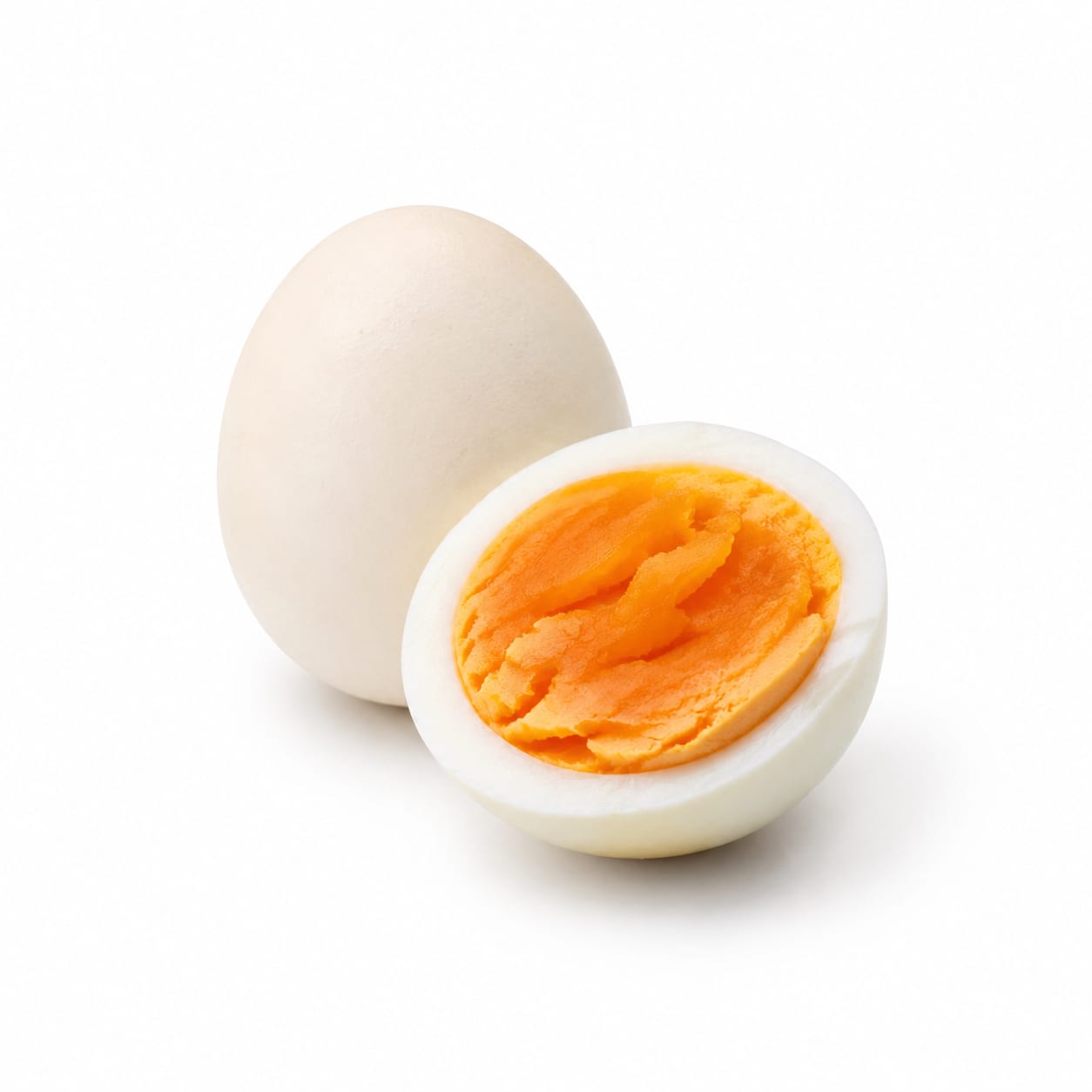
Goose Egg
Ostrich Egg
Goose eggs win on practicality and portion control, while ostrich eggs are a novelty best suited for sharing or special occasions.
Goose eggs score significantly higher due to realistic portioning and everyday usability. Ostrich eggs lose ground on practicality — the sheer size makes them a novelty rather than a staple. Both are penalized for high cholesterol and limited availability.
Ostrich eggs offer massive protein in a single package but are nearly impossible to finish alone, whereas goose eggs deliver similar richness in a manageable serving.
At a glance
Executive summary
Overall
Goose Egg
Healthier
Goose Egg
More practical
Goose Egg
Daily use
Goose Egg
Key comparison lenses
portion practicality and everyday usability
An ostrich egg equals roughly 24 chicken eggs, making it wildly impractical for a single meal, while a goose egg is a manageable 3-4 chicken egg equivalent
protein quantity and quality for muscle building
Both are protein-dense specialty eggs, so users comparing them likely care about protein payoff
cholesterol and heart health impact
Both eggs are significantly higher in cholesterol than chicken eggs, a common health concern
value and cost-effectiveness
Specialty eggs are expensive and users want to know if the nutritional premium is worth it
culinary versatility and cooking experience
These eggs behave differently in cooking and have distinct flavor profiles that affect enjoyment
Best choice for
Goose Egg
- Single-person high-protein breakfasts
- Keto or low-carb eaters wanting a satisfying meal
- Home cooks wanting richer egg dishes without waste
- People seeking a manageable upgrade from chicken eggs
Ostrich Egg
- Large group breakfasts or brunch gatherings
- Culinary adventurers and novelty seekers
- Institutional cooking or meal prep for many people
- Anyone wanting a dramatic conversation-piece dish
Least suitable for
Goose Egg
- Cholesterol-restricted diets requiring strict limits
- Budget-conscious daily eating
- People who find rich foods too heavy
Ostrich Egg
- Solo diners or small households
- Anyone watching cholesterol closely
- Quick weeknight meals
- Budget-limited households
Deep comparison
Dimension by dimension
Each lens scores both foods and breaks down who each option suits.
- Dimension 1 · Priority 95Goose Egg
portion control and practicality
Goose Egg · 85Ostrich Egg · 20A goose egg feeds one person comfortably. An ostrich egg feeds a family and creates massive waste if eaten alone.
Tradeoff
Ostrich eggs give incredible volume per dollar but almost guarantee leftovers or waste for solo eaters.
Why it matters
Eating the right portion size directly affects calorie intake, satiety, and food waste — all of which matter more than raw nutrient totals.
Real-world impact
Crack open a goose egg for a filling solo breakfast. Crack open an ostrich egg and you are committed to omelets for four people minimum.
Goose Egg
- Solo meals
- Controlled calorie intake
- Minimal waste
Better for
- Large family breakfasts where you need volume
Worse for
Ostrich Egg
- Feeding groups of 6+ people
- Batch cooking
Better for
- Anyone eating alone
- Quick single-serving meals
- Avoiding food waste
Worse for
- Dimension 2 · Priority 85Ostrich Egg
protein content and quality
Goose Egg · 70Ostrich Egg · 90Ostrich eggs contain roughly 235g of protein per egg versus about 19g in a goose egg, but per-gram protein quality is nearly identical.
Tradeoff
Ostrich eggs win on total protein by a landslide, but you would need to eat the entire egg to benefit — which is unrealistic for one person.
Why it matters
Total protein matters for muscle gain, but only if you can actually consume it in a reasonable sitting.
Real-world impact
A goose egg gives you a solid protein hit in one meal. An ostrich egg gives you two days of protein — if you can eat it all and store the rest safely.
Goose Egg
- Single-meal protein needs
- Post-workout recovery for one person
Better for
- High-protein bulk cooking for crowds
Worse for
Ostrich Egg
- Meal prepping protein for multiple people
- Feeding athletes in a group setting
Better for
- Quick protein after a solo workout
Worse for
- Dimension 3 · Priority 80Goose Egg
cholesterol and heart health
Goose Egg · 40Ostrich Egg · 15Both eggs are cholesterol bombs compared to chicken eggs, but a single goose egg is at least a finite portion. An ostrich egg contains over 4,000mg of cholesterol.
Tradeoff
Goose eggs let you limit your cholesterol exposure to one rich meal. Ostrich eggs make portioning cholesterol intake nearly impossible without splitting the egg.
Why it matters
For anyone with heart health concerns, cholesterol load per meal is a real factor — not just daily totals.
Real-world impact
One goose egg has about 1,200mg of cholesterol. One ostrich egg has roughly 4,200mg. Even a quarter of an ostrich egg exceeds most daily recommended limits.
Goose Egg
- People monitoring cholesterol who still want a rich egg
- More predictable portion of dietary cholesterol
Better for
- Still high cholesterol for heart-conscious eaters
Worse for
Ostrich Egg
- Sharing across many people dilutes per-person cholesterol
Better for
- Anyone with cardiovascular risk factors
- Solo eaters who might overconsume
Worse for
- Dimension 4 · Priority 70It depends
fat profile and richness
Goose Egg · 75Ostrich Egg · 75Both eggs have similar fat profiles per gram — rich in saturated and monounsaturated fats with notable omega-3 content. The difference is quantity, not quality.
Tradeoff
Per serving, they feel equally rich and satisfying. The real question is how much richness you want in one sitting.
Why it matters
Fat content drives satiety and flavor, but also calorie density. Both eggs are indulgent compared to chicken eggs.
Real-world impact
A goose egg makes a luxuriously rich single breakfast. An ostrich egg makes a luxuriously rich breakfast for a table of people.
Goose Egg
- Keto dieters wanting a controlled rich meal
- Satisfying single-serving indulgence
Better for
- Low-fat diet followers
Worse for
Ostrich Egg
- Sharing rich food communally
Better for
- Low-fat diet followers
- Anyone prone to overeating rich foods
Worse for
- Dimension 5 · Priority 65Goose Egg
culinary versatility
Goose Egg · 70Ostrich Egg · 40Goose eggs work in most recipes that call for chicken eggs with minor adjustments. Ostrich eggs require special handling, tools, and recipe scaling.
Tradeoff
Goose eggs are a drop-in upgrade for familiar recipes. Ostrich eggs demand planning, math, and physical effort just to crack open.
Why it matters
If you cannot easily cook with an ingredient, you will not use it regularly regardless of its nutritional profile.
Real-world impact
Whisk a goose egg into pancake batter and it just works. An ostrich egg requires a drill or hammer to crack, a giant bowl to whisk, and recipe recalculation.
Goose Egg
- Home cooks wanting richer baked goods
- Simple scrambled eggs or omelets
- Adapting standard recipes
Better for
- Recipes requiring delicate precision
Worse for
Ostrich Egg
- Showpiece cooking events
- Catering or restaurant novelty dishes
Better for
- Everyday cooking
- Quick meals
- Small-batch baking
Worse for
- Dimension 6 · Priority 60It depends
value and accessibility
Goose Egg · 50Ostrich Egg · 55Per egg, ostrich eggs seem expensive but offer more food per dollar. Per usable serving, goose eggs are more accessible and easier to find.
Tradeoff
Ostrich eggs win on cost-per-gram of protein if you use the whole thing. Goose eggs win on availability and realistic usage.
Why it matters
The best value is the food you will actually eat completely, not the one with the lowest per-gram cost that half goes to waste.
Real-world impact
Goose eggs cost roughly $5-8 each at specialty shops. Ostrich eggs cost $30-50 but contain the equivalent of nearly two dozen chicken eggs.
Goose Egg
- Easier to source online or at farmers markets
- No risk of partial waste
Better for
- Still a premium ingredient compared to chicken eggs
Worse for
Ostrich Egg
- Lower cost per gram if feeding a group
- Bulk protein economy
Better for
- Very limited availability
- High upfront cost
- Waste risk negates savings
Worse for
Timeline
Health impact over time
Short-term
Hours to days
Goose Egg
- Very filling single meal that keeps you satisfied for hours
- Rich, heavy feeling that may slow you down if eaten before physical activity
- Dense calorie load in a small package — easy to underestimate
Ostrich Egg
- Extreme fullness if consumed in large quantity — likely uncomfortable
- High fat and protein load could cause sluggishness or digestive heaviness
- Practically guarantees leftovers, creating storage and food safety considerations
Long-term
Months to years
Goose Egg
- Occasional consumption poses minimal risk for healthy individuals
- Regular intake could significantly raise dietary cholesterol — concerning for those with lipid issues
- Rich micronutrient profile supports B-vitamin and selenium intake
Ostrich Egg
- Same cholesterol concerns amplified by massive portion size
- Nutrient benefits are real but irrelevant if you cannot finish the egg
- Realistically a rare indulgence rather than a dietary staple
Risk profile
Safety & processing
Both goose eggs and ostrich eggs are whole, unprocessed foods straight from the bird. No additives, no preservatives, no processing concerns. The naturalness is identical — this is as clean as food gets.
Goose Egg
Salmonella from undercooking
mediumLike all eggs, goose eggs carry salmonella risk. Cook thoroughly, especially since the larger yolk takes longer to set.
Improper storage
mediumSpecialty eggs may sit longer at markets. Check freshness carefully before consuming raw or lightly cooked.
Ostrich Egg
Salmonella from undercooking
mediumSame risk as any egg, but the massive size means the center takes significantly longer to reach safe temperature.
Extended leftover storage
highYou will almost certainly have leftovers. Improper refrigeration of cooked ostrich egg creates real foodborne illness risk.
Shell contamination during cracking
mediumOstrich eggshells are extremely thick and require forceful cracking methods, increasing the chance of shell fragments and contamination.
Who wins for whom
Audience fit
Same foods, different winners depending on your goal.
children
Goose EggA goose egg is a fun, slightly oversized egg that kids can handle. An ostrich egg is a logistical challenge and the cholesterol load is inappropriate for a child's single meal.
daily consumption
Goose EggNeither should be a daily staple due to cholesterol, but a goose egg is at least realistic as an occasional breakfast. An ostrich egg is a once-a-year event at best.
diabetes
Goose EggBoth eggs are essentially zero-carb, but a goose egg provides a predictable, manageable portion without the temptation to overeat.
elderly
Goose EggOlder adults often have cholesterol concerns and smaller appetites. A goose egg is already rich — an ostrich egg is excessive and harder to digest.
muscle gain
Ostrich EggIf you are feeding multiple athletes or meal-prepping protein in bulk, an ostrich egg delivers unmatched total protein volume per purchase.
weight loss
Goose EggA goose egg is a controlled, high-protein meal that supports satiety without runaway calories. An ostrich egg is a calorie bomb that derails portion control.
Your move
Decision guide
Choose Goose Egg
- You want a richer, more satisfying alternative to chicken eggs for personal meals
- You are cooking for yourself or one other person
- You want a specialty egg experience without the logistical headache
- You are watching portion sizes or calorie intake
Choose Ostrich Egg
- You are hosting a large brunch and want a showstopper
- You need bulk protein for group meal prep
- You are curious about the novelty and do not mind the cost
- You have 4+ people ready to share
Either works if
- You want a zero-carb, high-protein breakfast option
- You are comfortable with high-cholesterol foods in moderation
- You value whole, unprocessed foods
Avoid both if
- You have strict cholesterol restrictions from your doctor
- You are on a tight grocery budget and chicken eggs are already a stretch
- You dislike rich, heavy egg flavors
Final recommendation
Go with a goose egg unless you are feeding a crowd. It delivers the novelty and richness of a specialty egg in a portion you can actually finish. Save the ostrich egg for a memorable group breakfast — it is an experience, not an everyday food.
Practical
Consumer tips
- 1
Crack a goose egg into a bowl first — the yolk is surprisingly large and can break messily in a pan
- 2
For ostrich eggs, use a drill, saw, or hammer and chisel to open the shell cleanly — do not try to crack it like a chicken egg
- 3
One goose egg roughly equals 3-4 large chicken eggs in recipes — adjust accordingly
- 4
One ostrich egg roughly equals 18-24 chicken eggs — scale recipes up dramatically or plan to share
- 5
Store both eggs in the refrigerator and use within 2-3 weeks of purchase for best quality
- 6
Cook ostrich egg leftovers within 24 hours and reheat to 165°F to avoid food safety issues
- 7
Both eggs have stronger flavor than chicken eggs — pair with bold seasonings rather than delicate ones
- 8
If trying either for the first time, start with goose — it is a gentler introduction to specialty eggs