
Nutrition comparison
Goose Egg vs Salmon: Which Is Healthier for Daily Eating?
Compare goose eggs and salmon on omega-3s, cholesterol, protein quality, and heart health. Learn which food belongs in your weekly routine and which is best as an occasional treat.
Overall winner · Salmon
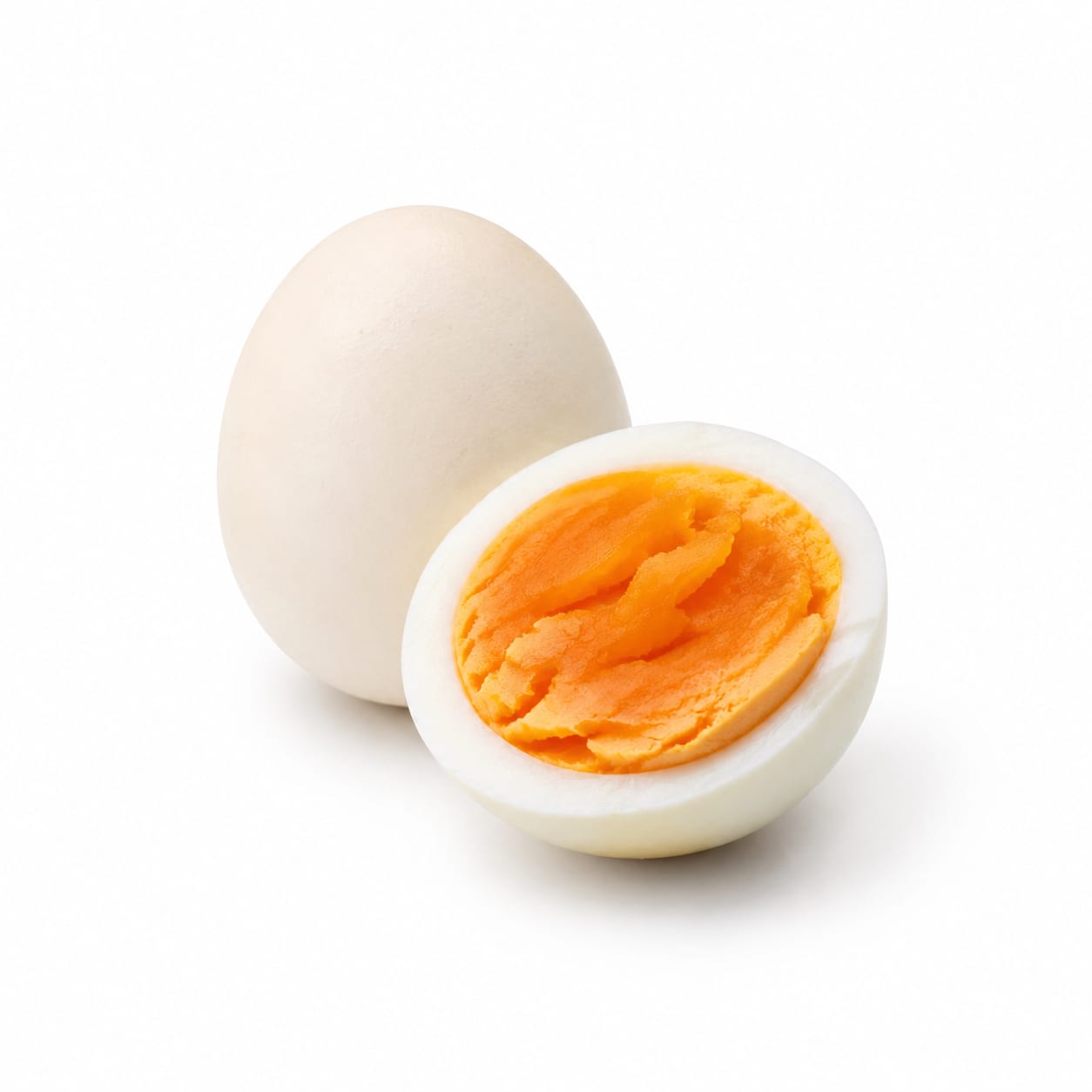
Goose Egg
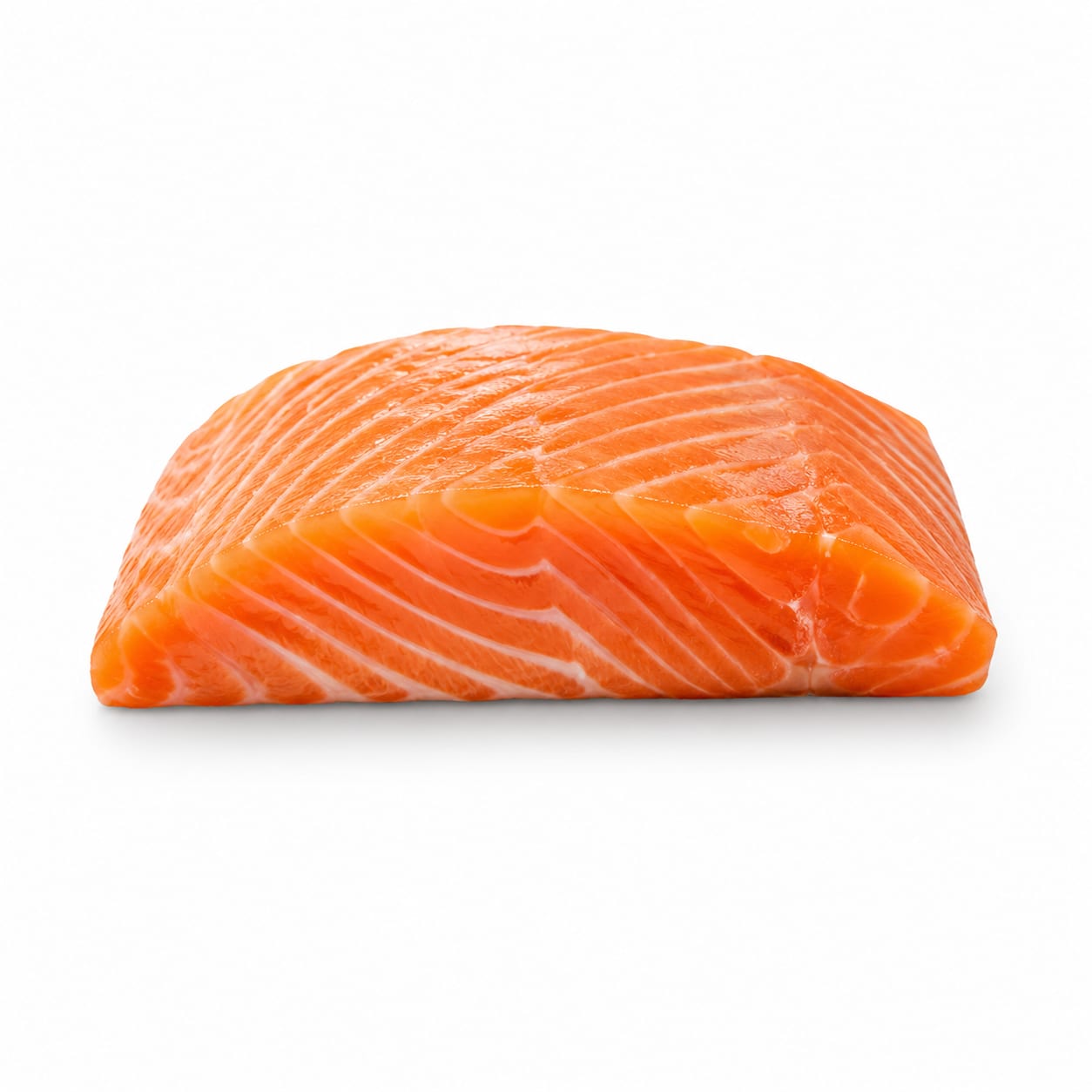
Salmon
Salmon wins for regular health-forward eating thanks to its omega-3 content and heart-protective profile, while goose eggs are a nutrient-dense occasional food with a cholesterol load that limits daily use.
Salmon scores significantly higher due to its omega-3 content, heart-protective fat profile, and suitability for regular consumption. Goose eggs are nutritionally impressive per unit but their extreme cholesterol, saturated fat, and limited availability reduce their practical and health scores for everyday use.
Goose eggs deliver more total nutrients per egg and superior choline, but salmon provides anti-inflammatory omega-3s without the massive cholesterol hit.
At a glance
Executive summary
Overall
Salmon
Healthier
Salmon
More practical
Salmon
Daily use
Salmon
Key comparison lenses
heart health and cholesterol
Goose eggs contain extremely high cholesterol (~1200mg) while salmon is renowned for heart-protective omega-3s, making cardiovascular impact the central tradeoff
protein quality and omega3
Both are premium protein sources but differ dramatically in omega-3 content and anti-inflammatory potential
daily consumption sustainability
Salmon is widely recommended for regular consumption while goose eggs are typically occasional foods due to cholesterol load and availability
contaminant and safety concerns
Mercury in salmon versus salmonella risk in undercooked goose eggs presents different safety calculations
nutrient density per calorie
Both deliver strong nutrition but with very different caloric and fat profiles that affect how they fit into meals
Best choice for
Goose Egg
- People wanting maximum choline for brain health
- Those seeking a single high-calorie nutrient bomb for bulking
- Anyone looking for rare traditional or gourmet cooking experiences
- Individuals with no cholesterol concerns who want B12 and selenium in one package
Salmon
- People prioritizing heart and cardiovascular health
- Anyone eating for anti-inflammatory benefits
- Those wanting lean protein with healthy fats for daily meals
- Pregnant women needing DHA (with low-mercury wild salmon)
Least suitable for
Goose Egg
- People with high cholesterol or familial hypercholesterolemia
- Anyone on a heart-healthy or low-saturated-fat diet
- Those watching calorie intake closely
- People who need an easy-to-find everyday protein source
Salmon
- People with fish allergies or seafood sensitivities
- Those concerned about mercury exposure (especially with frequent farmed salmon)
- Budget-conscious shoppers needing cheap protein
- Anyone avoiding animal products entirely
Deep comparison
Dimension by dimension
Each lens scores both foods and breaks down who each option suits.
- Dimension 1 · Priority 95Salmon
heart_health
Goose Egg · 30Salmon · 92Salmon actively protects the heart with omega-3s that lower triglycerides and reduce arrhythmia risk. Goose eggs deliver a massive cholesterol dose (~1200mg) and saturated fat that raises cardiovascular concerns for regular consumption.
Tradeoff
You gain brain-supportive choline and B12 with goose eggs but at the cost of a cholesterol load that most heart health guidelines would flag immediately.
Why it matters
Heart disease remains the leading cause of death globally. Foods that actively reduce inflammation and improve lipid profiles have a clear long-term advantage over those that may strain cardiovascular capacity.
Real-world impact
Eating salmon twice weekly is associated with reduced heart attack risk. Eating a goose egg daily would likely raise LDL cholesterol noticeably within weeks for most people.
Goose Egg
- Those with genetically low cholesterol who tolerate dietary cholesterol well
- Very active individuals burning through high-fat meals
Better for
- People already borderline on cholesterol levels
- Anyone whose doctor recommended reducing saturated fat
Worse for
Salmon
- Anyone with family history of heart disease
- People with elevated LDL or triglycerides
- Older adults prioritizing cardiovascular longevity
Better for
- People on blood thinners who must limit vitamin K and omega-3 intake
Worse for
- Dimension 2 · Priority 88It depends
protein_quality
Goose Egg · 82Salmon · 88Both deliver excellent complete protein with all essential amino acids. Salmon edges ahead with higher bioavailability and leucine content per calorie, while goose eggs offer more total protein per single unit due to their large size.
Tradeoff
One goose egg provides roughly 20g protein in a single convenient package, but salmon delivers protein with less saturated fat and more anti-inflammatory omega-3s alongside it.
Why it matters
Protein quality affects muscle maintenance, satiety, and metabolic health. The company protein keeps matters as much as the amount.
Real-world impact
A salmon fillet keeps you full and supports muscle without the heavy feeling a goose egg can produce. The egg feels more like a meal centerpiece while salmon integrates easily into lighter dishes.
Goose Egg
- Those wanting maximum protein from a single whole food item without cooking complexity
- Breakfast-focused eaters who prefer egg-style protein
Better for
- People wanting protein without high fat calories
Worse for
Salmon
- Athletes wanting lean protein for recovery
- Anyone tracking macros who needs protein without excess calories
Better for
- Those who find fish preparation inconvenient
Worse for
- Dimension 3 · Priority 92Salmon
omega3_and_inflammation
Goose Egg · 15Salmon · 95This is the most lopsided dimension. Salmon is one of the best food sources of EPA and DHA omega-3s on the planet. Goose eggs contain negligible omega-3s unless the geese were specially fed, and even then far below salmon levels.
Tradeoff
Choosing goose eggs means missing out on the single most impactful anti-inflammatory nutrient most people lack. This gap alone shifts the entire comparison.
Why it matters
Most people consume far too little omega-3 and too much omega-6. Salmon directly corrects this imbalance while goose eggs do not help at all.
Real-world impact
Regular salmon eaters report reduced joint stiffness, better mood, and improved skin. Goose egg eaters get none of these inflammation-related benefits.
Goose Egg
- No meaningful omega-3 advantage exists for goose eggs
Better for
- People relying on it as their primary animal protein without other omega-3 sources in their diet
Worse for
Salmon
- Anyone with inflammatory conditions like arthritis
- People seeking mood and cognitive support from DHA
- Those who rarely eat other omega-3 sources
Better for
- No meaningful omega-3 disadvantage for salmon
Worse for
- Dimension 4 · Priority 78Salmon
nutrient_density_per_calorie
Goose Egg · 62Salmon · 84Salmon delivers more vitamins and minerals per calorie, especially vitamin D and omega-3s. Goose eggs are nutrient-dense in absolute terms but carry a heavy caloric and fat cost for those nutrients.
Tradeoff
Goose eggs win on total choline and some B vitamins per serving, but you pay with roughly 266 calories and 19g fat for one egg. Salmon offers a leaner nutrient-to-calorie ratio.
Why it matters
For anyone managing weight or trying to maximize nutrition within a calorie budget, efficiency per calorie determines how often a food fits.
Real-world impact
A 4oz salmon portion gives you outstanding nutrition for about 200 calories. A single goose egg costs similar calories but with less vitamin D, no omega-3s, and more saturated fat.
Goose Egg
- Those unconcerned with calories who want maximum choline and B12
- Underweight individuals needing calorie-dense nutrition
Better for
- Calorie-conscious eaters who find one egg uses too much of their daily budget
Worse for
Salmon
- Anyone tracking calories who wants maximum nutrient return
- People seeking vitamin D from food sources
Better for
- Those who need very high caloric intake and find salmon too lean
Worse for
- Dimension 5 · Priority 75It depends
satiety_and_fullness
Goose Egg · 80Salmon · 85Both are highly satiating. Goose eggs feel heavy and filling due to fat content, while salmon provides satisfying protein with a lighter post-meal feeling.
Tradeoff
Goose eggs deliver a denser heavier fullness that can feel uncomfortable for some. Salmon provides clean satiety without the weighted sensation.
Why it matters
Satiety that feels comfortable rather than heavy makes it easier to eat appropriately at the next meal.
Real-world impact
After a goose egg you may feel stuffed for hours. After salmon you feel satisfied but still capable of normal activity without sluggishness.
Goose Egg
- Those who prefer one large filling meal and dislike snacking
- Manual laborers needing sustained heavy energy
Better for
- People who find high-fat meals cause sluggishness
- Those prone to post-meal energy crashes
Worse for
Salmon
- Office workers who need satiety without afternoon drowsiness
- Anyone who dislikes feeling overly full
Better for
- Those who find lean protein leaves them hungry again quickly
Worse for
- Dimension 6 · Priority 72Salmon
practicality_and_accessibility
Goose Egg · 30Salmon · 78Salmon is available in every grocery store in multiple forms. Goose eggs are specialty items requiring specialty shops, farmers markets, or online ordering.
Tradeoff
Even if goose eggs were nutritionally equal, most people cannot buy them regularly. Salmon wins on convenience by default.
Why it matters
The healthiest food only works if you can actually obtain and prepare it consistently.
Real-world impact
You can grab salmon at any supermarket on any day. Finding goose eggs often requires a special trip or advance planning, making them impractical as a staple.
Goose Egg
- Rural dwellers who raise geese or have farm connections
- Culinary enthusiasts who plan meals around specialty ingredients
Better for
- Urban dwellers without access to specialty markets
- Anyone who needs to grab protein on the go
Worse for
Salmon
- Busy people who shop at regular grocery stores
- Anyone needing reliable weekly meal planning
Better for
- People in areas where fresh fish is expensive or unavailable
Worse for
- Dimension 7 · Priority 70It depends
food_safety_and_contaminants
Goose Egg · 65Salmon · 68Goose eggs carry salmonella risk if undercooked and are not typically subject to the same washing and grading standards as chicken eggs. Salmon carries mercury and potential PCB contamination, especially in farmed varieties.
Tradeoff
Both have real but different safety profiles. Proper cooking eliminates most goose egg risk. Choosing wild salmon and limiting frequency manages fish contamination concerns.
Why it matters
Long-term contaminant exposure from frequent salmon consumption accumulates differently than acute bacterial risk from eggs.
Real-world impact
A poorly cooked goose egg can cause immediate illness. Regular farmed salmon consumption can slowly increase mercury and PCB body burden over months and years.
Goose Egg
- Those who cook eggs thoroughly and want to avoid heavy metal exposure
- People who eat animal protein infrequently so acute risk is minimal
Better for
- People who enjoy runny yolks or soft-cooked eggs
- Anyone with compromised immune systems more vulnerable to salmonella
Worse for
Salmon
- Those who choose wild salmon and limit intake to 2-3 servings weekly
- People who prefer cooked fish over handling raw eggs
Better for
- Pregnant women eating high-mercury salmon varieties frequently
- Children accumulating mercury from daily fish intake
Worse for
Timeline
Health impact over time
Short-term
Hours to days
Goose Egg
- Heavy fullness after eating due to high fat content
- Possible digestive discomfort if unused to rich eggs
- Immediate cholesterol spike in blood within hours of consumption
- Energy from dense calories but potential sluggishness
Salmon
- Clean satisfying protein hit without heaviness
- Omega-3s begin exerting anti-inflammatory effects even acutely
- Steady energy without the crash that follows high-fat meals
- Possible mild fish aftertaste some people find unpleasant
Long-term
Months to years
Goose Egg
- Regular consumption likely raises LDL cholesterol meaningfully
- High choline intake supports brain health and memory
- Sustained saturated fat intake may increase cardiovascular risk
- Excellent B12 status preventing deficiency-related issues
Salmon
- Reduced cardiovascular disease risk with consistent intake
- Lower systemic inflammation markers over months
- Better cognitive aging linked to regular DHA consumption
- Potential mercury accumulation if eating high-mercury varieties too often
Risk profile
Safety & processing
Both foods are whole and minimally processed in their natural forms. Fresh or frozen salmon and whole goose eggs contain no additives. However farmed salmon may contain colorants added to feed, and some packaged salmon products include preservatives or smoking agents.
Goose Egg
Salmonella contamination
mediumGoose eggs carry similar salmonella risk to other poultry eggs. Thorough cooking eliminates this risk, but soft-cooked preparations remain vulnerable.
Lack of regulatory grading
lowUnlike chicken eggs, goose eggs are not typically subject to commercial washing, grading, or inspection standards, meaning quality and safety depend more on source reliability.
Salmon
Mercury accumulation
mediumSalmon is a moderate-mercury fish. Wild salmon generally has less than farmed, but frequent consumption can still contribute to mercury body burden over time.
PCB and dioxin exposure in farmed salmon
mediumFarmed salmon tends to have higher PCB and dioxin levels than wild due to feed composition. Choosing wild salmon significantly reduces this concern.
Parasites in raw preparations
lowRaw salmon in sushi or sashimi can carry parasites unless previously frozen to industry standards. Properly handled commercial sushi-grade fish is generally safe.
Who wins for whom
Audience fit
Same foods, different winners depending on your goal.
children
SalmonSalmon provides DHA crucial for brain development with lower contamination risk when choosing low-mercury wild varieties. Goose eggs are safe but offer no unique developmental advantage.
daily consumption
SalmonSalmon 2-3 times weekly is widely endorsed by health authorities. Goose eggs lack any such recommendation due to cholesterol content and are best as occasional foods.
diabetes
SalmonBoth are low-carb and blood-sugar friendly, but salmon's anti-inflammatory benefits are particularly valuable for diabetics who have elevated cardiovascular risk.
elderly
SalmonOlder adults benefit most from salmon's heart-protective and anti-inflammatory properties. Goose eggs' cholesterol load is particularly concerning for this age group.
muscle gain
SalmonSalmon offers lean complete protein with anti-inflammatory omega-3s that support recovery, while goose eggs add unnecessary saturated fat calories.
weight loss
SalmonSalmon provides high satiety with fewer calories per gram of protein and no cholesterol overload, making it easier to fit into a calorie-controlled plan.
Your move
Decision guide
Choose Goose Egg
- You have healthy cholesterol levels and want a nutrient-dense occasional treat
- You are bulking and need calorie-dense whole food protein sources
- You have access to farm-fresh goose eggs and enjoy cooking specialty ingredients
- You are specifically seeking high choline intake for cognitive support
Choose Salmon
- Heart health is any kind of priority for you
- You want anti-inflammatory benefits from your protein sources
- You need a reliable everyday healthy protein you can find at any store
- You are pregnant, elderly, or managing any chronic inflammatory condition
Either works if
- You tolerate both foods well and want variety in your protein sources
- You are eating an omnivorous whole-food diet and rotating between different animal proteins
- You are not cholesterol-sensitive and enjoy both foods occasionally
Avoid both if
- You are following a plant-based diet
- You have both severe hypercholesterolemia and fish allergies
- You are on a strict low-fat diet for medical reasons
Final recommendation
Make salmon your regular protein choice 2-3 times per week for the omega-3 benefits and heart protection. Enjoy a goose egg occasionally as a rich specialty food if your cholesterol levels allow it. Think of salmon as your daily driver and goose eggs as a luxury vehicle: both have their place, but only one belongs in your weekly routine.
Practical
Consumer tips
- 1
Choose wild salmon over farmed when possible to reduce mercury, PCB, and dye exposure
- 2
If buying farmed salmon, look for certifications from responsible aquaculture programs
- 3
Cook goose eggs thoroughly until both yolk and white are firm to eliminate salmonella risk
- 4
Limit goose eggs to once or twice per week maximum if you have any cholesterol concerns
- 5
Freeze extra goose eggs by cracking and scrambling them first since shells crack in the freezer
- 6
Canned salmon with bones is an affordable way to get omega-3s plus calcium
- 7
Ask your doctor about cholesterol before making goose eggs any kind of regular habit
- 8
A single goose egg equals roughly three chicken eggs in volume, so adjust recipes accordingly