
Nutrition comparison
Goose Egg vs Beef Liver: Nutrient Density Showdown with Toxicity Tradeoffs
Compare Goose Egg and Beef Liver nutrition — which delivers more vitamins, which is safer for regular consumption, and how to balance these two nutrient powerhouses without vitamin A toxicity risk.
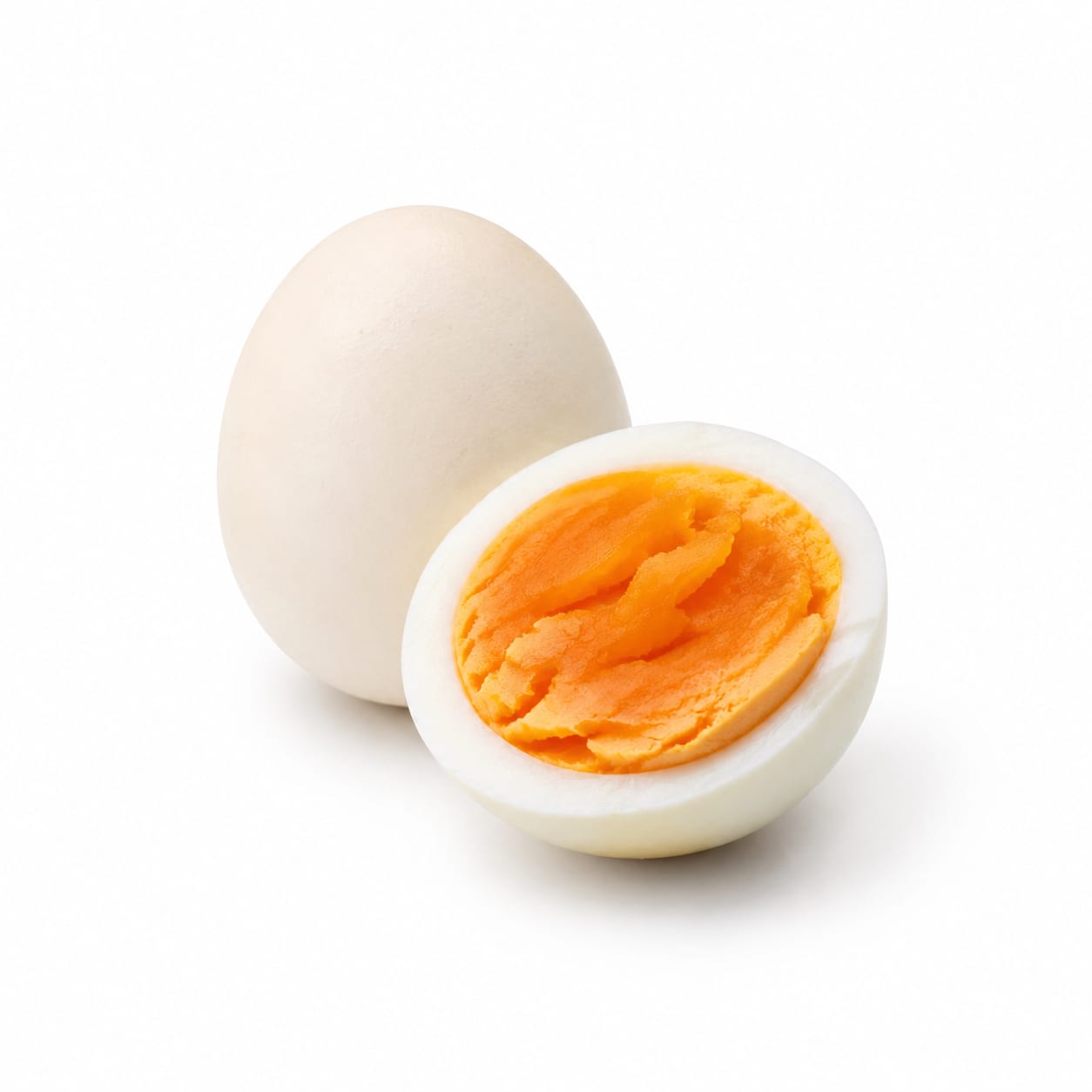
Goose Egg
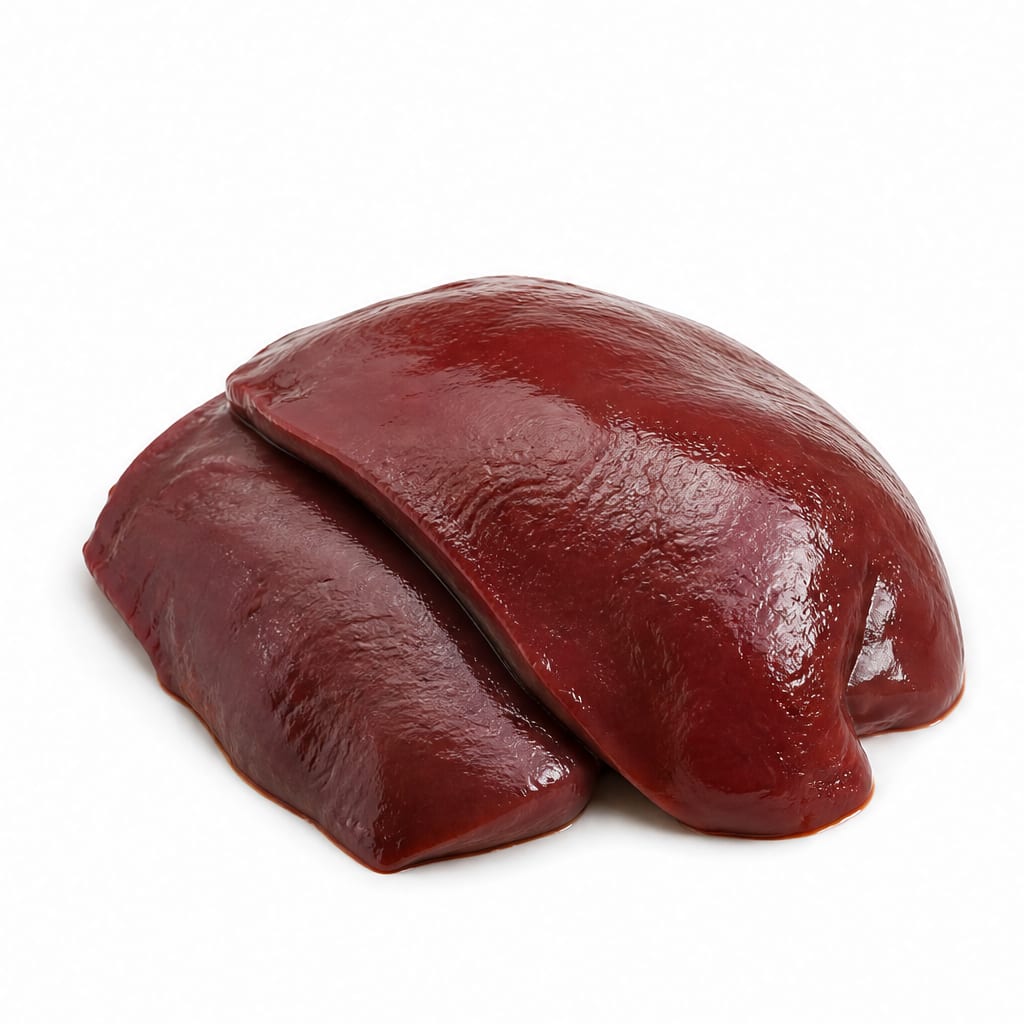
Beef Liver
Beef Liver is the most nutrient-dense food you can eat, but its vitamin A levels make frequent consumption dangerous. Goose Egg is a gentler nutrient boost with safer regular use.
Beef Liver scores higher due to unmatched micronutrient density, but the gap narrows because its vitamin A toxicity risk severely limits how often you can eat it. Goose Egg earns points for safer regular consumption and culinary versatility.
Maximum micronutrient intensity versus safer consumption frequency — Beef Liver wins on density, Goose Egg wins on sustainability
At a glance
Executive summary
Overall
It depends
Healthier
It depends
More practical
Goose Egg
Daily use
Goose Egg
Key comparison lenses
nutrient density supremacy
Both foods are nutritional powerhouses, but Beef Liver is arguably the most nutrient-dense food on the planet, making this the central question
vitamin A toxicity risk
Beef Liver contains extreme retinol levels that limit safe consumption frequency, while Goose Egg offers moderate vitamin A without toxicity concerns
safe consumption frequency
Neither food is ideal for daily consumption, but for different reasons — vitamin A toxicity versus cholesterol load
cholesterol and fat load
Goose Egg delivers massive cholesterol and fat in a single serving, raising legitimate concerns for some populations
mineral density comparison
Beef Liver dominates in iron, copper, and zinc, while Goose Egg offers selenium and moderate minerals
Best choice for
Goose Egg
- People wanting a nutrient-rich breakfast food
- Those who need safe, regular protein and choline intake
- Anyone avoiding organ meat texture and flavor
- Home cooks seeking versatile ingredient
Beef Liver
- People with iron deficiency or anemia
- Those seeking maximum B12 and folate intake
- Anyone eating nutrient-dense foods occasionally rather than daily
- Budget-conscious shoppers wanting extreme nutrient density per dollar
Least suitable for
Goose Egg
- People on strict cholesterol-lowering protocols
- Those watching saturated fat closely
- Anyone with egg allergies
- People seeking low-calorie protein sources
Beef Liver
- Pregnant women due to retinol toxicity risk
- Anyone already taking vitamin A supplements
- People with copper metabolism disorders
- Those who cannot tolerate strong flavors
Deep comparison
Dimension by dimension
Each lens scores both foods and breaks down who each option suits.
- Dimension 1 · Priority 95Beef Liver
micronutrient density
Goose Egg · 72Beef Liver · 98Beef Liver is arguably the most micronutrient-dense food available, delivering extraordinary B12, folate, iron, copper, and retinol in tiny servings.
Tradeoff
That density becomes dangerous at high frequency — you can easily exceed safe vitamin A limits with just a few ounces of Beef Liver per week
Why it matters
If you need to correct deficiencies quickly, Beef Liver is unmatched. For maintenance nutrition, Goose Egg provides plenty without the toxicity ceiling.
Real-world impact
A single 3-ounce serving of Beef Liver delivers over 600% of your daily vitamin A — eating it daily would accumulate to dangerous levels within weeks
Goose Egg
- Sustained moderate nutrient intake without toxicity risk
- Choline for brain health at safe levels
- Selenium for thyroid function
Better for
- Cannot match the sheer concentration of minerals and B vitamins in organ meat
Worse for
Beef Liver
- Correcting iron deficiency anemia rapidly
- Eliminating B12 deficiency in vegetarians transitioning back to meat
- Maximum folate for DNA repair and cell division
Better for
- Retinol accumulation risk makes frequent consumption inadvisable
- Copper levels can be excessive for people with Wilson's disease risk
Worse for
- Dimension 2 · Priority 80It depends
protein quality and content
Goose Egg · 78Beef Liver · 82Both deliver excellent complete protein with all essential amino acids. Beef Liver edges ahead with slightly higher protein density per calorie.
Tradeoff
Goose Egg provides more protein per serving due to its large size, but also comes with significantly more fat and calories alongside that protein
Why it matters
For muscle maintenance and satiety, both work well. The choice depends on whether you want protein with fat or protein with minimal fat.
Real-world impact
One Goose Egg gives you about 20g protein with 19g fat. The same protein from Beef Liver comes with only 3-4g fat but in a smaller, more concentrated serving
Goose Egg
- More filling protein experience due to fat content
- Better for those who find lean proteins unsatisfying
Better for
- High fat accompanies the protein, adding significant calories
Worse for
Beef Liver
- Leaner protein source with higher protein-to-calorie ratio
- Better for muscle gain without excess calories
Better for
- Less satisfying mouthfeel without the fat that eggs provide
Worse for
- Dimension 3 · Priority 85Beef Liver
cholesterol and heart health impact
Goose Egg · 35Beef Liver · 55Neither food is heart-healthy in excess, but Goose Egg packs an extraordinary cholesterol load — over 1200mg in a single egg versus about 275mg in a serving of Beef Liver.
Tradeoff
Beef Liver has less cholesterol but more saturated fat concerns from typical cooking methods. Goose Egg's cholesterol is concentrated into one large serving that exceeds daily limits by 4x.
Why it matters
For people with cardiovascular risk factors, both foods require moderation, but Goose Egg demands more careful portioning.
Real-world impact
One Goose Egg contains over 4 days' worth of cholesterol for someone following heart-healthy guidelines. A 3-ounce Beef Liver serving stays closer to one day's limit.
Goose Egg
- Dietary cholesterol affects blood cholesterol less than once believed for most people
Better for
- Extreme cholesterol load per serving is concerning for hyper-responders
- High saturated fat content
Worse for
Beef Liver
- Lower total cholesterol per serving
- B vitamins support homocysteine regulation for cardiovascular health
Better for
- Still a high-cholesterol food that requires moderation
- Often cooked with added fats
Worse for
- Dimension 4 · Priority 88Goose Egg
safe consumption frequency
Goose Egg · 70Beef Liver · 40Goose Egg can be eaten a few times per week safely for most people. Beef Liver should be limited to once per week maximum due to vitamin A accumulation.
Tradeoff
The more nutrient-dense food is the one you must eat less often — a frustrating paradox for health-conscious eaters
Why it matters
Nutrition only works if you can sustain it. A food you can eat twice weekly beats a food you must restrict to once weekly for most people's routines.
Real-world impact
Eating Beef Liver daily for a month could cause vitamin A toxicity symptoms — headaches, liver strain, bone pain. Goose Egg daily would mainly raise cholesterol concerns.
Goose Egg
- Safer for semi-regular consumption
- No risk of vitamin A toxicity from retinol accumulation
- Easier to incorporate into weekly meal rotation
Better for
- Still not ideal for daily consumption due to cholesterol load
Worse for
Beef Liver
- Less is more — small occasional servings deliver massive nutrition
Better for
- Vitamin A toxicity risk makes frequent consumption genuinely dangerous
- Copper accumulation risk with regular intake
Worse for
- Dimension 5 · Priority 82Beef Liver
iron and blood building capacity
Goose Egg · 40Beef Liver · 96Beef Liver is one of the richest heme iron sources available, making it a powerhouse for blood health. Goose Egg provides minimal iron by comparison.
Tradeoff
If you are anemic or iron-deficient, Beef Liver is therapeutic. If your iron levels are adequate, the excess iron from regular Beef Liver consumption could pose its own risks.
Why it matters
Iron deficiency is the world's most common nutrient deficiency. For those affected, this dimension alone could decide the comparison.
Real-world impact
A single serving of Beef Liver provides about 30% of daily iron needs in highly absorbable heme form. A Goose Egg provides only about 10% in less absorbable non-heme form.
Goose Egg
- Moderate iron content without overload risk for people with hemochromatosis concerns
Better for
- Inadequate as a primary iron source
- Non-heme iron is poorly absorbed
Worse for
Beef Liver
- Therapeutic for iron deficiency anemia
- Heme iron absorbs 2-3x better than plant iron sources
- Combined with B12 and folate for complete blood-building nutrition
Better for
- Excess iron can accumulate and cause oxidative stress in people without deficiency
Worse for
- Dimension 6 · Priority 70Goose Egg
culinary practicality and enjoyment
Goose Egg · 75Beef Liver · 45Goose Egg cooks like any egg — scramble it, fry it, bake with it. Beef Liver requires specific preparation to be palatable and is challenging for many home cooks.
Tradeoff
The more enjoyable food is the one you will actually eat consistently, which matters more than theoretical nutrient profiles
Why it matters
The best nutritional plan is the one you follow. Many people buy Beef Liver for health but let it spoil because they cannot face cooking it.
Real-world impact
Goose Egg can replace chicken eggs in most recipes with minimal adjustment. Beef Liver requires soaking, specific seasoning, and careful cooking to avoid a metallic, grainy texture.
Goose Egg
- Familiar cooking methods — fry, scramble, poach, bake
- Mild flavor that pairs with anything
- Can substitute for chicken eggs in most recipes
Better for
- Large size means you are committed to a big serving
- Less commonly available in grocery stores
Worse for
Beef Liver
- Small portions go a long way nutritionally
- Can be hidden in meatloaf or pâté for flavor-sensitive eaters
Better for
- Strong offal flavor many find unpleasant
- Texture can be grainy and metallic if overcooked
- Limited recipe versatility compared to eggs
Worse for
Timeline
Health impact over time
Short-term
Hours to days
Goose Egg
- High satiety from fat and protein combination
- Steady energy release due to fat content slowing digestion
- Potential digestive heaviness from the large fat and cholesterol load
Beef Liver
- Rapid B12 and iron replenishment if deficient
- Quick energy boost from B-vitamin content
- Possible nausea if eaten in large portions due to concentrated nutrients
Long-term
Months to years
Goose Egg
- Consistent choline intake supports brain health and memory
- Regular cholesterol intake may affect blood lipid profiles in hyper-responders
- Sustained selenium intake supports thyroid and immune function
Beef Liver
- Vitamin A accumulation can reach toxic levels with weekly consumption over months
- Copper buildup may stress liver function in susceptible individuals
- Excellent for maintaining iron stores and preventing anemia long-term
Risk profile
Safety & processing
Both foods are whole, unprocessed foods straight from the animal. Neither contains additives, preservatives, or artificial ingredients. The main concern is not processing but what the animal was exposed to — pasture-raised sources matter for both.
Goose Egg
Salmonella contamination
mediumLike all eggs, Goose Eggs can carry Salmonella on the shell or inside. Proper cooking eliminates this risk.
Allergen exposure
mediumEgg allergies are common and Goose Egg proteins can trigger reactions in egg-allergic individuals.
Antibiotic and hormone residues
lowDepends entirely on farming practices. Pasture-raised geese have minimal exposure.
Beef Liver
Vitamin A toxicity
highBeef Liver contains extremely high retinol levels. Regular consumption can cause hypervitaminosis A, leading to liver damage, bone pain, and intracranial pressure.
Environmental toxin accumulation
mediumThe liver filters toxins, meaning it can accumulate heavy metals, pesticides, and other contaminants from the animal's environment.
Copper overload
mediumBeef Liver is very high in copper. People with Wilson's disease or copper metabolism issues face serious risk.
Foodborne illness from undercooking
lowLike all meat, proper cooking is essential. Liver should be cooked to safe internal temperatures.
Who wins for whom
Audience fit
Same foods, different winners depending on your goal.
children
Goose EggGoose Egg provides safe, moderate nutrition in a kid-friendly format. Beef Liver's vitamin A content is too concentrated for small bodies, and the flavor is a hard sell for most children.
daily consumption
Goose EggNeither is ideal daily, but Goose Egg is safer for semi-regular use. Beef Liver's vitamin A toxicity risk makes daily consumption inadvisable for anyone.
diabetes
Beef LiverBeef Liver has virtually zero carbohydrates and a lower fat content, reducing insulin resistance concerns. Goose Egg's high saturated fat may worsen insulin sensitivity when consumed frequently.
elderly
It dependsBeef Liver's B12 and folate support cognitive health and anemia prevention in seniors. Goose Egg's choline supports memory. The choice depends on existing vitamin A levels and cholesterol concerns.
muscle gain
It dependsBeef Liver offers leaner protein with superior B12 for energy metabolism. Goose Egg provides more calories and fat alongside protein, which can support bulking but adds unnecessary calories for lean gains.
weight loss
Beef LiverBeef Liver provides more protein and nutrients per calorie with minimal fat, making it more efficient for calorie-controlled diets. However, portion control is easier with Goose Egg since one egg is a natural serving.
Your move
Decision guide
Choose Goose Egg
- You want a nutrient-rich food you can eat multiple times per week
- You value culinary versatility and familiar cooking methods
- You are concerned about vitamin A toxicity from organ meats
- You need choline for brain health without extreme micronutrient loads
- You find organ meat flavors or textures unappealing
Choose Beef Liver
- You have diagnosed iron deficiency or B12 deficiency
- You want maximum nutrition per bite and per dollar
- You are comfortable eating organ meats once per week
- You follow a nose-to-tail eating philosophy
- You have no vitamin A supplementation and want to boost stores quickly
Either works if
- You want concentrated whole-food nutrition beyond typical muscle meats
- You are not pregnant and have no cholesterol or vitamin A concerns
- You enjoy exploring nutrient-dense traditional foods
Avoid both if
- You are pregnant due to vitamin A and cholesterol concerns
- You have severe cardiovascular disease requiring strict cholesterol limits
- You take vitamin A supplements already
- You have diagnosed hemochromatosis or Wilson's disease
Final recommendation
Eat Beef Liver once per week for therapeutic micronutrient density, and use Goose Egg a few times per week for sustainable protein and choline. If you must pick only one, Goose Egg is the safer regular choice — you can actually build a habit around it without toxicity risk. Beef Liver is a supplement, not a staple.
Practical
Consumer tips
- 1
Source both foods from pasture-raised, organic farms when possible — the liver filters toxins, so animal quality matters enormously for Beef Liver
- 2
Limit Beef Liver to 3-4 ounces once per week maximum to avoid vitamin A accumulation
- 3
Soak Beef Liver in milk for 30 minutes before cooking to mellow the metallic flavor
- 4
If new to organ meats, try Beef Liver pâté first — the fat and seasonings make it far more approachable
- 5
Goose Egg yolk is richer and more custardy than chicken egg yolk — reduce butter or oil in recipes accordingly
- 6
Never take vitamin A supplements if you eat Beef Liver regularly — the combination easily exceeds safe limits
- 7
Freeze Beef Liver in small portions so you can thaw only what you need for a single meal
- 8
If you cannot find Goose Eggs locally, try farmers markets or specialty butchers — they are seasonal and less commonly stocked