
Nutrition comparison
Goose Egg vs Quail Egg: Nutrition, Cholesterol, and Which Is Healthier
Compare goose eggs and quail eggs on cholesterol, protein, calories, and health impact. Learn which specialty egg is better for your diet and when to choose each.
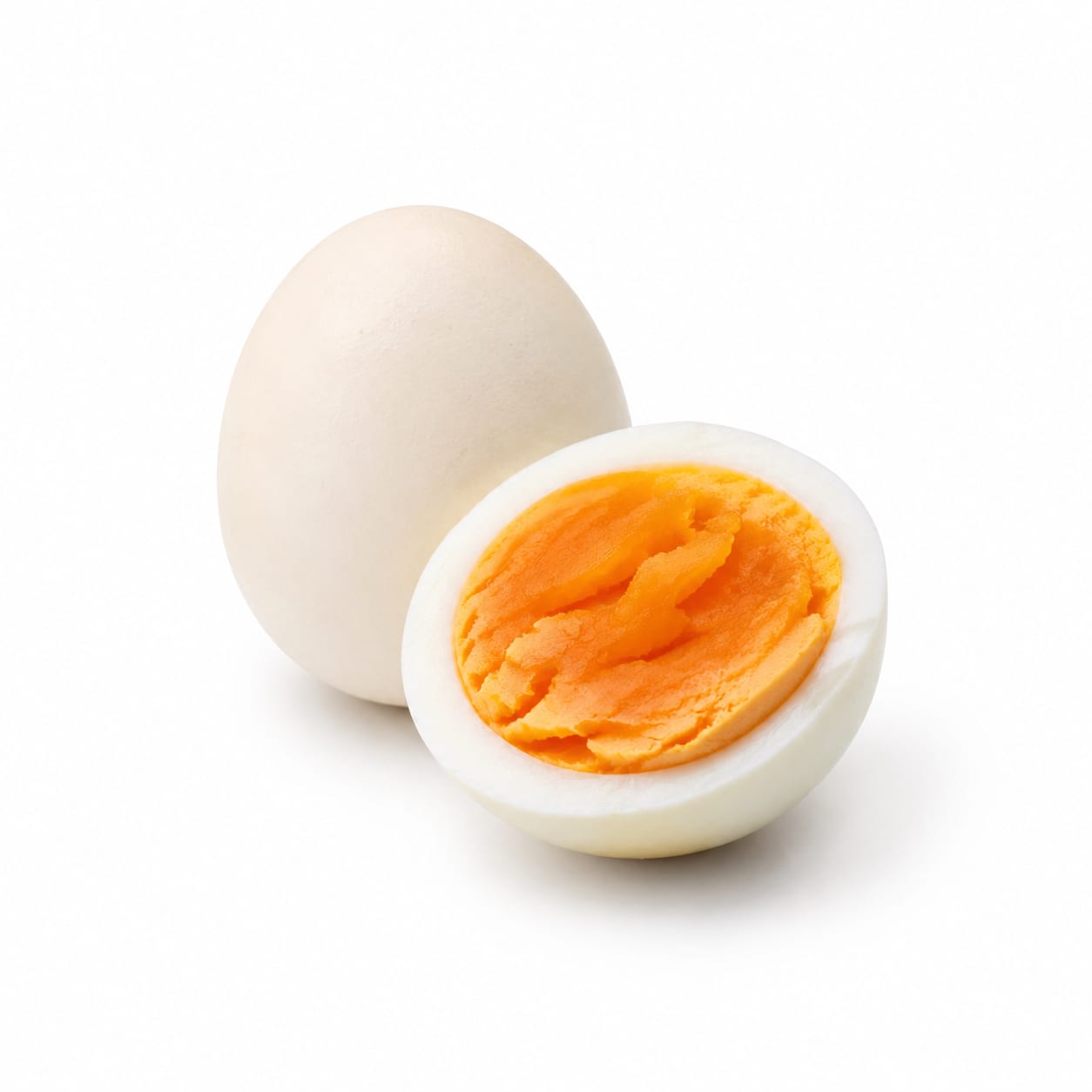
Goose Egg
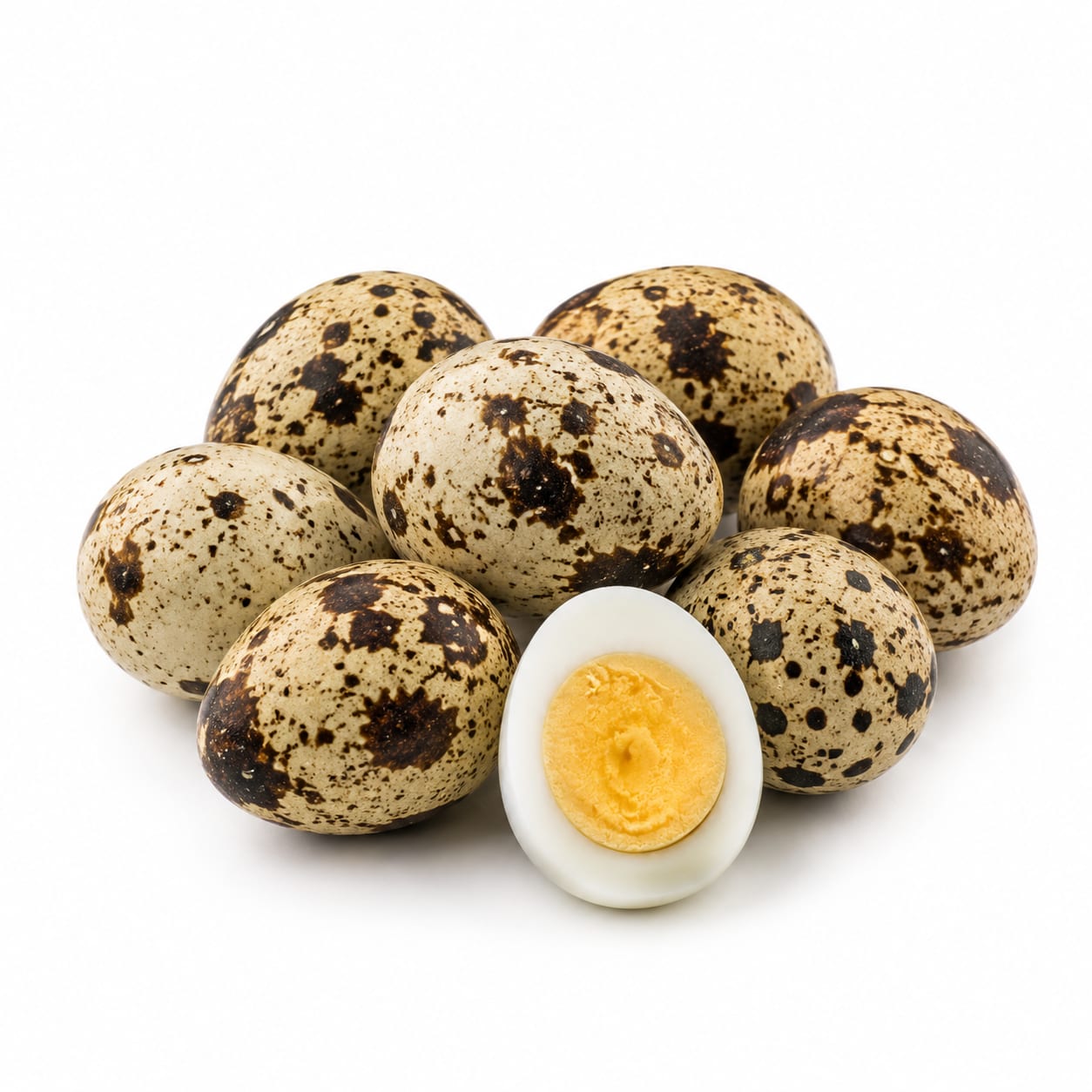
Quail Egg
Quail eggs win for everyday eating and heart health, while goose eggs deliver massive nutrition in a single serving but come with serious cholesterol tradeoffs.
Quail eggs score higher due to better heart health profile, portion flexibility, and allergy tolerance. Goose eggs lose ground on cholesterol and practicality but remain nutritionally impressive for occasional use.
Goose eggs pack the protein and nutrients of a full meal into one egg, but the cholesterol load is enormous. Quail eggs offer gentler portions and possible allergy advantages, but you need several to make a meal.
At a glance
Executive summary
Overall
It depends
Healthier
Quail Egg
More practical
Quail Egg
Daily use
Quail Egg
Key comparison lenses
cholesterol and heart health impact
Goose eggs contain dramatically more cholesterol per serving than nearly any other common egg, making this the dominant health concern
portion control and calorie management
One goose egg equals roughly 3-4 chicken eggs in volume, while quail eggs are bite-sized, creating very different eating patterns
protein density for muscle and satiety
Both eggs offer high-quality protein but in vastly different absolute amounts per serving
allergenicity and digestive tolerance
Quail eggs are sometimes tolerated by people with chicken egg allergies, a unique and practically important distinction
culinary practicality and availability
Goose eggs are specialty items, quail eggs are delicacies with limited everyday use
Best choice for
Goose Egg
- Bodybuilders needing maximum protein from a single food
- Rural households with access to geese
- People wanting a nutrient-dense meal replacement
- Those who rarely eat eggs and want an occasional indulgence
Quail Egg
- People watching their cholesterol
- Those with mild chicken egg allergies
- Anyone wanting portion-controlled protein
- Gourmet cooks and restaurant presentations
Least suitable for
Goose Egg
- People with high cholesterol or heart disease risk
- Anyone counting calories
- Those who eat eggs daily
- Small children who cannot finish a massive portion
Quail Egg
- Those needing high protein in a single serving
- Budget-conscious shoppers
- People who find peeling tiny eggs frustrating
- Anyone wanting a quick filling breakfast alone
Deep comparison
Dimension by dimension
Each lens scores both foods and breaks down who each option suits.
- Dimension 1 · Priority 95Quail Egg
cholesterol and heart health
Goose Egg · 25Quail Egg · 75A single goose egg delivers over 1200mg of cholesterol, roughly four times the daily limit recommended by some guidelines. Quail eggs contain far less per serving.
Tradeoff
Goose eggs give you rich nutrients but at a cardiovascular cost that adds up fast. Quail eggs let you enjoy eggs without the same heart health anxiety.
Why it matters
If you eat eggs regularly, cholesterol load becomes a real factor in long-term heart disease risk, especially if you have existing risk factors.
Real-world impact
Eating one goose egg is like eating four chicken eggs at once. Your doctor would notice. Five quail eggs equal roughly one chicken egg, which is far easier on your arteries.
Goose Egg
- Those with naturally low cholesterol who eat eggs rarely
- Very active people who metabolize cholesterol efficiently
Better for
- Daily egg eaters
- Anyone over 40 with cardiovascular concerns
Worse for
Quail Egg
- Anyone with borderline or high cholesterol
- People with family history of heart disease
- Those who eat eggs multiple times per week
Better for
- People who need to limit sodium, as quail eggs are sometimes preserved in brine
Worse for
- Dimension 2 · Priority 85Goose Egg
protein and satiety
Goose Egg · 88Quail Egg · 55One goose egg provides about 20g of protein, enough to anchor a meal. You would need roughly 15 quail eggs to match that.
Tradeoff
Goose eggs are incredibly filling and protein-rich but come with heavy calorie and fat loads. Quail eggs offer lean protein but require eating many to feel satisfied.
Why it matters
Protein quality matters for muscle maintenance, satiety, and blood sugar stability. Both eggs deliver excellent amino acid profiles, but absolute quantity differs hugely.
Real-world impact
After a goose egg, you feel full for hours. After a few quail eggs, you are probably still hungry and reaching for something else.
Goose Egg
- Athletes needing serious post-workout protein
- Anyone replacing a full meal with eggs
- People doing intermittent fasting who want one big meal
Better for
- Anyone who feels sluggish after heavy meals
Worse for
Quail Egg
- Light snackers who want a small protein boost
- Those who prefer grazing over big meals
Better for
- Active people who need substantial protein per sitting
Worse for
- Dimension 3 · Priority 78Quail Egg
allergenicity and tolerance
Goose Egg · 45Quail Egg · 80Quail eggs are often tolerated by people who cannot eat chicken eggs, though this is not guaranteed. Goose eggs share more allergenic proteins with chicken eggs.
Tradeoff
Quail eggs may open the door to eating eggs again for some allergic people, but they are not a guaranteed safe substitute and should be tested carefully.
Why it matters
Egg allergies affect roughly 2% of children and many adults. Finding an alternative that works can significantly expand dietary options.
Real-world impact
Some people who react to chicken eggs can eat quail eggs without issues, but this varies by individual and requires medical guidance before trying.
Goose Egg
- People with no egg allergies at all
Better for
- Anyone with confirmed egg allergy
Worse for
Quail Egg
- People with mild chicken egg allergies seeking alternatives
- Those exploring elimination diet reintroductions
Better for
- People with severe anaphylactic egg allergies, as cross-reactivity is still possible
Worse for
- Dimension 4 · Priority 65Quail Egg
convenience and availability
Goose Egg · 30Quail Egg · 55Both are specialty items, but quail eggs are more commonly found in Asian markets and gourmet shops. Goose eggs are seasonal and harder to source.
Tradeoff
Neither egg is a grab-and-go grocery staple. Quail eggs are slightly easier to find, but both require effort compared to chicken eggs.
Why it matters
If you cannot find it easily, you will not eat it regularly, no matter how nutritious it is.
Real-world impact
Most people will need to visit a specialty store or order online for either egg. Quail eggs at least appear in some regular supermarkets near urban areas.
Goose Egg
- Rural families who raise geese
- Farmers market shoppers in spring
Better for
- Anyone without access to specialty farms or markets
Worse for
Quail Egg
- Urban shoppers near Asian markets
- Online grocery delivery users
Better for
- Rural shoppers without diverse grocery options
Worse for
- Dimension 5 · Priority 72Goose Egg
vitamin and mineral density
Goose Egg · 82Quail Egg · 70Per egg, goose eggs deliver more of nearly everything: B12, iron, selenium, and vitamin A. Per calorie, the difference narrows considerably.
Tradeoff
Goose eggs are nutrient bombs, but you pay for it in calories and fat. Quail eggs offer solid nutrition in a lighter package.
Why it matters
Micronutrient density matters most when you are trying to get maximum nutrition from limited food intake.
Real-world impact
One goose egg covers most of your B12 needs for the day. You would need about five quail eggs to reach similar levels, which is still reasonable.
Goose Egg
- Those eating one meal a day who need maximum nutrients per bite
- Pregnant women needing high iron and B12 in a single food
Better for
- Anyone already taking multivitamins, as the excess may not add benefit
Worse for
Quail Egg
- Those spreading nutrient intake across multiple meals
- People who prefer lighter nutrient sources
Better for
- Those with increased micronutrient needs who find eating many small eggs impractical
Worse for
Timeline
Health impact over time
Short-term
Hours to days
Goose Egg
- Very filling, likely to reduce hunger for hours
- High fat content may cause sluggishness in some people
- Rich, creamy texture feels indulgent and satisfying
Quail Egg
- Light and easy to digest
- Multiple eggs needed to feel full, which may lead to overeating other foods
- Gentle on the stomach, unlikely to cause heaviness
Long-term
Months to years
Goose Egg
- Regular consumption could significantly raise LDL cholesterol in sensitive individuals
- Excellent protein intake supports muscle maintenance with aging
- High saturated fat intake may compound cardiovascular risk if eaten frequently
Quail Egg
- Sustainable as a regular protein source without major cholesterol concerns
- Possible allergy tolerance benefit expands long-term dietary flexibility
- Moderate consumption fits easily into heart-healthy eating patterns
Risk profile
Safety & processing
Both eggs are whole, unprocessed foods with no additives when purchased fresh. Canned or pickled quail eggs are an exception and may contain high sodium.
Goose Egg
Salmonella from undercooking
mediumLike all eggs, goose eggs can carry Salmonella. Their larger size means longer cooking times to reach safe internal temperatures.
Contaminant bioaccumulation
mediumGeese forage on grass and water sources, which may expose them to environmental contaminants. Wild or free-range goose eggs may carry more risk than farm-raised.
Quail Egg
Raw consumption risk
highQuail eggs are sometimes eaten raw in Japanese and other Asian cuisines. This carries real foodborne illness risk, especially for immunocompromised individuals.
High sodium in canned varieties
mediumPickled or canned quail eggs often contain very high sodium levels. Check labels carefully if watching blood pressure.
Who wins for whom
Audience fit
Same foods, different winners depending on your goal.
children
Quail EggQuail eggs are small, fun to eat, and easier for children to finish. A goose egg is overwhelming in size for most kids.
daily consumption
Quail EggQuail eggs can be eaten daily without significant cholesterol concerns. Goose eggs are better reserved for occasional use due to their massive cholesterol content.
diabetes
Quail EggBoth eggs have minimal impact on blood sugar, but quail eggs have less fat and fewer calories, which supports better weight management for diabetes.
elderly
Quail EggOlder adults often need to watch cholesterol and portion sizes. Quail eggs are gentler on the cardiovascular system and easier to digest.
muscle gain
Goose EggOne goose egg delivers 20g of high-quality protein in a single food, making it far more efficient for muscle building.
weight loss
Quail EggQuail eggs offer built-in portion control and far fewer calories per serving, making it easier to stay within a calorie budget.
Your move
Decision guide
Choose Goose Egg
- You need maximum protein and calories from a single whole food
- You are highly active with no cholesterol concerns
- You have access to fresh goose eggs and want a nutrient-dense occasional meal
- You are doing one-meal-a-day eating patterns
Choose Quail Egg
- You want eggs regularly without worrying about cholesterol
- You have mild chicken egg allergies and want to try an alternative
- You prefer lighter meals and portion control
- You enjoy gourmet cooking and beautiful presentations
Either works if
- You are simply looking for high-quality protein and both are available
- You want to rotate different egg types for dietary variety
Avoid both if
- You have severe egg allergies, as cross-reactivity is possible with both
- You have advanced kidney disease and need to limit protein
- You are on a strict sodium-restricted diet and considering canned quail eggs
Final recommendation
For most people, quail eggs are the smarter everyday choice. They deliver excellent nutrition without the cholesterol wallop of a goose egg. Save goose eggs for occasional meals when you want something substantial and rich, and always be mindful of your cardiovascular health if you choose them regularly.
Practical
Consumer tips
- 1
If trying quail eggs as a chicken egg substitute for allergies, test with a tiny amount first under medical supervision
- 2
Avoid raw quail eggs despite culinary tradition, especially if you are pregnant, elderly, or immunocompromised
- 3
Goose eggs work beautifully in baking and make extraordinarily rich cakes and pastries
- 4
Fresh quail eggs should have intact shells with no cracks, as the thin shells make them more vulnerable to contamination
- 5
If you eat a goose egg, consider it your entire egg allowance for the day, not a side dish
- 6
Pickled quail eggs can contain over 400mg of sodium per serving, so opt for fresh when possible