
Nutrition comparison
Goose Egg vs Chicken Egg: Nutrition, Cholesterol, and Which to Choose
Compare goose eggs vs chicken eggs on protein, calories, cholesterol, and practicality. Learn when each egg type is the better choice for your health goals.
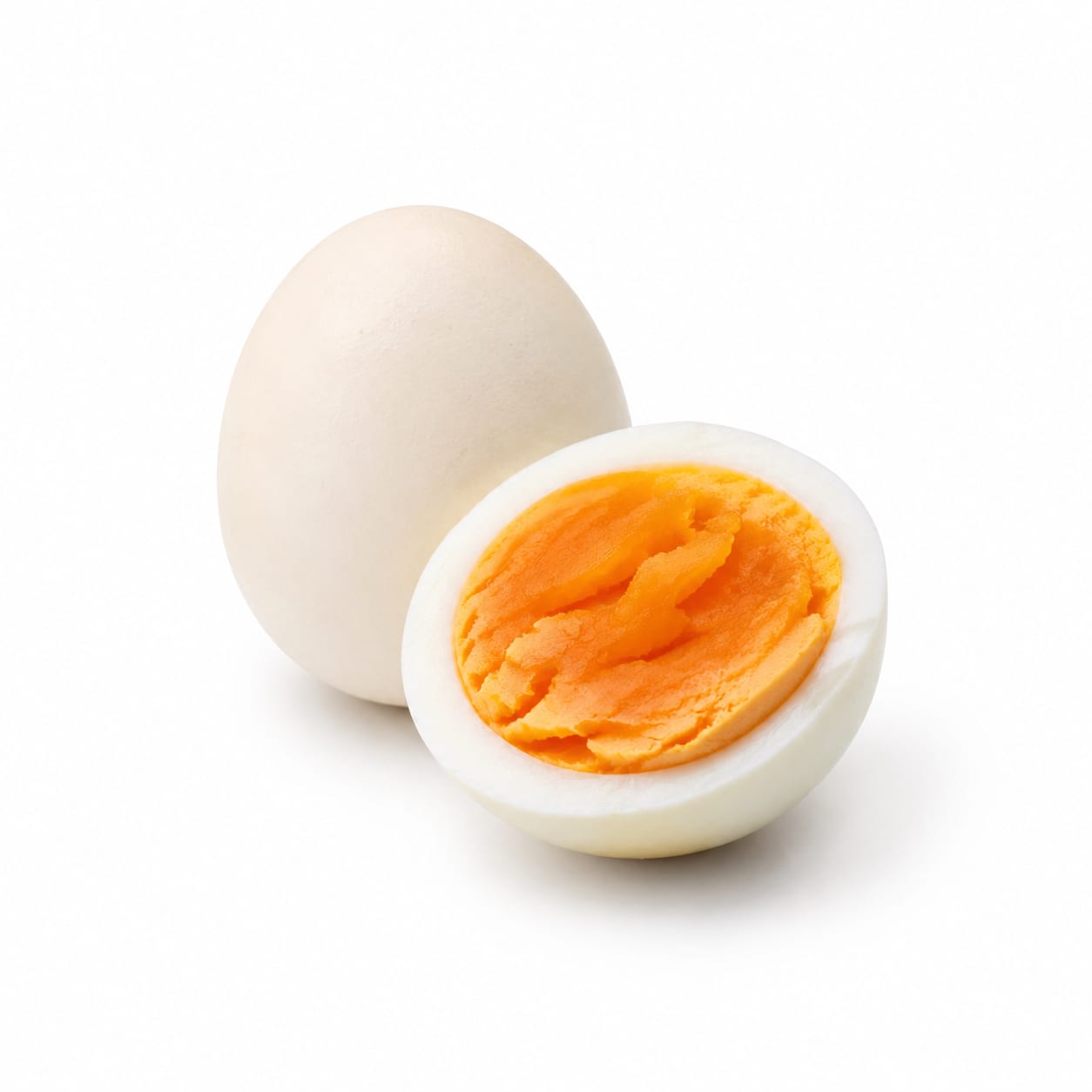
Goose Egg
Chicken Egg
Goose eggs deliver far more nutrition per egg but at 3x the calories and cholesterol. Chicken eggs win on practicality, portion control, and daily usability.
Chicken eggs score higher overall due to superior practicality, portion control, and daily usability. Goose eggs excel in concentrated nutrition but lose points on cholesterol load, cost, and limited availability.
Goose eggs are nutritional powerhouses for those who need concentrated calories and protein, while chicken eggs offer better portion control and easier daily integration.
At a glance
Executive summary
Overall
It depends
Healthier
Chicken Egg
More practical
Chicken Egg
Daily use
Chicken Egg
Key comparison lenses
nutritional density per serving
A goose egg is roughly 3x the size of a chicken egg, making portion and calorie comparison critical
cholesterol and heart health impact
Goose eggs contain dramatically more cholesterol per serving, which concerns many users
protein value for muscle and satiety
Both are protein-rich but differ significantly in total protein per egg
practicality and everyday usability
Availability, cost, and recipe compatibility differ substantially
vitamin and mineral comparison
Goose eggs offer higher total micronutrients but similar density per calorie
Best choice for
Goose Egg
- People needing high caloric intake in compact form
- Those seeking maximum protein per single egg
- Individuals wanting richer, more indulgent baked goods
- Anyone looking to diversify egg sources beyond the ordinary
Chicken Egg
- People monitoring cholesterol intake
- Anyone counting calories or managing portion sizes
- Families wanting affordable, readily available protein
- Those who eat eggs daily as a staple food
Least suitable for
Goose Egg
- People with high cholesterol or heart disease risk
- Those on calorie-restricted diets
- Anyone on a tight grocery budget
- People who need consistent, recipe-reliable egg sizes
Chicken Egg
- Those needing extremely high protein in a single serving
- People wanting maximum micronutrients per egg eaten
- Anyone seeking richer flavor and creamier texture in eggs
Deep comparison
Dimension by dimension
Each lens scores both foods and breaks down who each option suits.
- Dimension 1 · Priority 92Goose Egg
Protein Quality and Quantity
Goose Egg · 88Chicken Egg · 78A single goose egg delivers about 20g protein versus 6g in a chicken egg, making it far more filling per egg consumed.
Tradeoff
That protein comes with 3x the calories, so the protein-to-calorie ratio is actually similar between both.
Why it matters
If you eat one egg at a time, goose eggs provide substantially more muscle-supporting protein in a single sitting.
Real-world impact
One goose egg at breakfast can keep you full until lunch. A single chicken egg often leaves you reaching for a snack by mid-morning.
Goose Egg
- Post-workout recovery when you want one item, not three
- Big breakfasts where satiety matters more than calorie counting
Better for
- Anyone tracking macros precisely, since one egg shifts your whole day's numbers significantly
Worse for
Chicken Egg
- Spacing protein across multiple meals throughout the day
- Controlling total calorie intake while still getting quality protein
Better for
- Situations where you need high protein from a single convenient food item
Worse for
- Dimension 2 · Priority 88Chicken Egg
Cholesterol and Heart Health
Goose Egg · 42Chicken Egg · 72One goose egg contains roughly 1,227mg of cholesterol versus about 211mg in a chicken egg — nearly 6x more.
Tradeoff
Dietary cholesterol affects people differently, but for those sensitive to it, a single goose egg exceeds the daily recommended limit by 4x.
Why it matters
If you have elevated cholesterol, a family history of heart disease, or are over 50, this difference is not trivial.
Real-world impact
Eating one goose egg means you have used your entire cholesterol budget for the day and then some. A chicken egg leaves room for other foods.
Goose Egg
- Healthy, active people with no cholesterol concerns who rarely eat eggs
Better for
- People on physician-advised low-cholesterol diets
- Anyone already eating other cholesterol-rich foods the same day
Worse for
Chicken Egg
- Anyone with borderline or high cholesterol
- People who eat eggs daily and need to spread intake across the week
- Older adults more vulnerable to dietary cholesterol impact
Better for
- Those who need to maximize nutrition per eating occasion and have no cholesterol concerns
Worse for
- Dimension 3 · Priority 85Chicken Egg
Caloric Density and Portion Control
Goose Egg · 40Chicken Egg · 85A goose egg packs about 266 calories versus 72 for a chicken egg, making portion management far easier with chicken eggs.
Tradeoff
Goose eggs are efficient if you need concentrated energy, but dangerous if you are trying to limit intake without measuring.
Why it matters
Most people underestimate how many calories they consume. One goose egg is calorically equivalent to three chicken eggs.
Real-world impact
A two-egg omelet with goose eggs would be a 532-calorie meal before adding anything else. The same with chicken eggs is only 144 calories.
Goose Egg
- Athletes or laborers needing calorie-dense meals
- People who struggle to eat enough and want compact nutrition
Better for
- Mindless eaters who do not track portions
- Anyone trying to lose weight
Worse for
Chicken Egg
- Weight loss or maintenance diets
- Anyone who likes eating two or three eggs without blowing their calorie budget
Better for
- Underweight individuals needing calorie efficiency
Worse for
- Dimension 4 · Priority 78It depends
Micronutrient Profile
Goose Egg · 82Chicken Egg · 80Goose eggs contain more total vitamins and minerals per egg, but per calorie the profiles are surprisingly similar.
Tradeoff
The micronutrient advantage of goose eggs mostly disappears when you compare equal calorie portions rather than per-egg portions.
Why it matters
If you are eating one egg either way, goose eggs give you more nutrients. If you are comparing equal calories, it is essentially a tie.
Real-world impact
One goose egg provides about 40% of your daily B12 versus about 15% from a chicken egg. But three chicken eggs match or exceed the goose egg.
Goose Egg
- One-egg meals where you want maximum micronutrient delivery
- Occasional nutritional boosting rather than daily consumption
Better for
- Anyone assuming the per-egg advantage translates to per-calorie superiority
Worse for
Chicken Egg
- Daily eaters who get their micronutrients spread across multiple foods
Better for
- Meals where only one egg is practical and you want the most nutrition possible
Worse for
- Dimension 5 · Priority 82Chicken Egg
Practicality and Availability
Goose Egg · 30Chicken Egg · 95Chicken eggs are available everywhere, cheap, and recipe-standardized. Goose eggs are specialty items with limited access.
Tradeoff
Goose eggs offer novelty and richness but require effort to source and cost significantly more per egg.
Why it matters
The best food for you is the one you can actually buy and use consistently.
Real-world impact
Chicken eggs are in every grocery store for a few dollars per dozen. Goose eggs often require farmers markets or specialty suppliers at $2-5 per egg.
Goose Egg
- Culinary enthusiasts who enjoy sourcing unique ingredients
- Special occasion cooking where novelty adds value
Better for
- Last-minute cooking when you cannot find them
- Budget-conscious households
Worse for
Chicken Egg
- Weekly meal prep and routine cooking
- Anyone who values convenience and predictable results
Better for
- Adventurous cooks wanting to experiment with richer alternatives
Worse for
- Dimension 6 · Priority 70It depends
Culinary Versatility
Goose Egg · 65Chicken Egg · 85Chicken eggs work in virtually every recipe as written. Goose eggs can substitute but require adjustments due to their size and richness.
Tradeoff
Goose eggs create richer, creamier results in baked goods but can overpower delicate dishes and make portion math tricky.
Why it matters
Recipe failure is frustrating and wasteful. Standard chicken eggs eliminate guesswork.
Real-world impact
One goose egg roughly equals three chicken eggs in volume, but the higher fat content changes texture. Cakes get denser, custards get richer — sometimes wonderfully, sometimes too much.
Goose Egg
- Pasta making where richer dough is desirable
- Hearty baked goods where density and moisture are welcome
Better for
- Any recipe where you need exactly one standard egg
- Delicate preparations where excess fat ruins the texture
Worse for
Chicken Egg
- Recipes requiring precise egg counts
- Light and fluffy dishes like soufflés or meringues
Better for
- Dishes specifically designed to showcase the richness of goose eggs
Worse for
Timeline
Health impact over time
Short-term
Hours to days
Goose Egg
- Very high satiety from a single egg — likely to reduce snacking for hours
- Significant caloric load that could cause sluggishness if eaten before physical activity
- Rich, heavy feeling in the stomach compared to a chicken egg
Chicken Egg
- Light, manageable energy without excessive fullness
- Easy to pair with other foods without overloading a single meal
- Quick digestion making it suitable before exercise
Long-term
Months to years
Goose Egg
- Potential cholesterol concern if eaten frequently, especially for sensitive individuals
- Excellent concentrated nutrition if consumed occasionally as part of a varied diet
- Risk of excessive calorie intake if not accounted for in overall meal planning
Chicken Egg
- Well-established safety profile for daily consumption in most people
- Consistent, manageable protein intake supporting muscle maintenance long-term
- Minimal risk when consumed as part of a balanced diet
Risk profile
Safety & processing
Both goose eggs and chicken eggs are whole, unprocessed foods straight from the farm. Neither contains additives unless further processed into products. The main difference is that conventional chicken eggs may come from hens given antibiotics or feed additives, while goose eggs are more often from smaller-scale operations with fewer interventions.
Goose Egg
Salmonella contamination
mediumLike all eggs, goose eggs can carry Salmonella. Thorough cooking eliminates risk, but the larger yolk requires longer cook times to reach safe temperatures.
Inconsistent sourcing and regulation
mediumGoose eggs often come from smaller farms with less regulatory oversight than commercial chicken egg operations, meaning quality and safety practices vary more.
Chicken Egg
Salmonella contamination
lowCommercial chicken eggs in many countries are washed, graded, and refrigerated under strict regulations, reducing but not eliminating Salmonella risk.
Antibiotic and hormone exposure
lowConventional chicken eggs may come from hens treated with antibiotics. Choosing organic or pasture-raised eggs minimizes this concern significantly.
Who wins for whom
Audience fit
Same foods, different winners depending on your goal.
children
Chicken EggChicken eggs are the right size for small appetites, widely available, and familiar. A goose egg is overwhelming in portion size for most children.
daily consumption
Chicken EggChicken eggs are affordable, available, and their nutrition fits cleanly into daily meal planning without excessive cholesterol or calorie accumulation.
diabetes
Chicken EggBoth eggs have minimal impact on blood sugar, but chicken eggs allow better portion and calorie control, which matters for weight management in diabetes.
elderly
Chicken EggOlder adults often need to monitor cholesterol and calorie intake. Chicken eggs provide nutrition with better control over both.
muscle gain
Goose EggA single goose egg delivers 20g of high-quality protein, making it an efficient muscle-building food when calorie surplus is acceptable.
weight loss
Chicken EggChicken eggs provide excellent protein and satiety at only 72 calories each, making it easy to control portions. One goose egg at 266 calories is harder to fit into a calorie deficit.
Your move
Decision guide
Choose Goose Egg
- You want maximum nutrition from a single egg and have no cholesterol concerns
- You are an athlete or highly active person needing calorie-dense protein
- You are baking something where richness and moisture are assets
- You want to try something different and can source goose eggs easily
Choose Chicken Egg
- You eat eggs most days and need a sustainable, affordable staple
- You are watching your cholesterol, calories, or both
- You want predictable results in standard recipes
- Availability and convenience matter to your weekly routine
Either works if
- You have no specific health restrictions and enjoy variety
- You eat eggs only occasionally, making the cholesterol difference less relevant
- You are cooking for a group where both could work in different dishes
Avoid both if
- You have a diagnosed egg allergy
- You are following a vegan diet
- Your doctor has advised strict elimination of dietary cholesterol
Final recommendation
Chicken eggs are the smarter default for daily eating — affordable, portion-controlled, and easy to find. Goose eggs are a worthwhile occasional upgrade when you want richer flavor and concentrated nutrition, provided your cholesterol and calorie budgets can handle it. Think of goose eggs as a specialty ingredient, not a daily staple.
Practical
Consumer tips
- 1
If substituting goose eggs in recipes, count one goose egg as roughly three chicken eggs by volume, but expect richer results due to higher fat content.
- 2
Always cook goose eggs thoroughly — the larger yolk takes longer to reach safe temperatures than a chicken egg yolk.
- 3
If cholesterol is a concern but you want to try goose eggs, limit yourself to one per week and skip other cholesterol-rich foods that day.
- 4
Buy goose eggs from reputable farms that follow proper handling and refrigeration practices, since regulatory oversight is less consistent than for chicken eggs.
- 5
Pasture-raised chicken eggs offer higher omega-3 and vitamin D content than conventional, narrowing the micronutrient gap with goose eggs.
- 6
Store both types of eggs in the refrigerator. Goose eggs have thicker shells and can last slightly longer, but always check for freshness before use.