
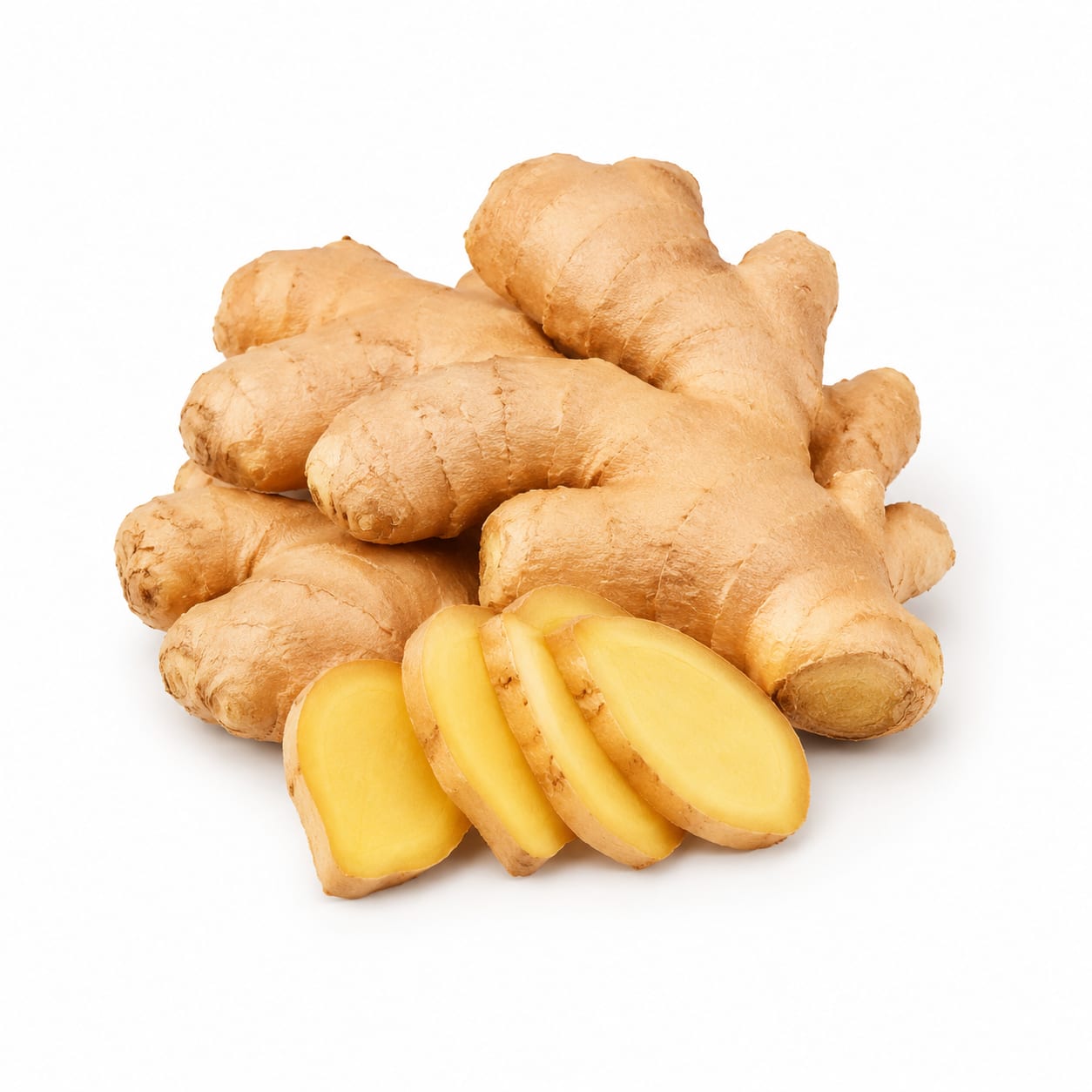
Spice / Root Vegetable
Ginger
A pungent, aromatic root used globally as a spice and natural digestive aid.
A flowering plant whose rhizome (ginger root) is widely used as a spice and folk medicine, known for its pungent flavor and warming properties.
anti-inflammatory flavor root
Typical serving · 30g
Common varieties · Chinese Ginger, Japanese Ginger, Thai Ginger, Indian Ginger, Baby Ginger
Overall context score across nutrition, safety, and diet fit
At a glance
Quick facts
Simple indicators based on nutrition, processing, and diet fit.
The story
What makes it unique
Raw ginger is composed of roughly 79% water, 18% carbohydrates, 2% protein, and 1% fat. It contains gingerol, a bioactive substance responsible for its pungent flavor and strong anti-inflammatory properties. Digestion is moderately slowed by its fiber content, while gingerol promotes gastric motility, accelerating stomach emptying.
Varieties: Chinese Ginger · Japanese Ginger · Thai Ginger · Indian Ginger · Baby Ginger
Per 100g
Nutrition breakdown
Macro balance and key metrics at a glance.
Energy
Density 0.80 kcal/g
Protein
Carbs
Fat
Fiber
Sugar
1.7 g
Sodium
13 mg
Potassium
415 mg
Glycemic index
15
Glycemic load
3
Water content
79%
Standout compounds
Nutrient highlights
Gingerol
highPotent anti-inflammatory and antioxidant
Potassium
moderateSupports blood pressure regulation
Manganese
moderateSupports metabolism and bone formation
Fiber
lowPromotes digestive regularity
Wellness map
Health scores & processing
NOVA processing scale
minimally processed · Whole food
Raw ginger root is an unprocessed whole food. Dried ginger powder undergoes minimal drying and grinding, remaining a Group 1 or minimally processed food.
Diet compatibility
- Weight loss
- Muscle gain
- Diabetes
- Gut health
- Low carb
- High protein
- Heart health
Relative standing
Food rankings
Qualitative ranks compared to similar whole foods.
- Satietymoderate
- Blood sugarexcellent
- Nutrient densitygood
- Fitness fuelgood
- Processing qualityexcellent
Eat with confidence
Food safety profile
Ginger is very safe for consumption. Conventional ginger may carry pesticide residues on the skin, so proper washing or peeling is recommended.
Evidence confidence 90%
- Pesticidesmoderate
- Antibioticslow
- Heavy metalslow
- Contaminationlow
Watch for
- soil residue
- pesticide traces
Safer choices
Organic ginger to avoid pesticide residues.
Prep tips
Rinse thoroughly under running water and peel the outer skin to remove soil and potential agricultural residues.
Standard agricultural residue limits apply; generally well-regulated in global markets.
Deep dive
Health analysis
How this food may fit different goals and preparation choices.
Weight loss
Adds intense flavor with almost zero calories, making calorie-restricted diets more palatable and potentially boosting thermogenesis slightly.
Blood sugar
Extremely low glycemic index and load; gingerols have been shown to help improve insulin sensitivity and lower fasting blood sugar.
Fitness & energy
Reduces exercise-induced muscle soreness and joint inflammation, aiding in faster recovery without the side effects of NSAIDs.
Gut health
Accelerates gastric emptying, effectively reducing bloating, indigestion, and nausea.
Processing quality
Whole root is entirely unprocessed; even dried powder retains significant bioactive compounds and requires no artificial additives.
Food safety
Very safe for culinary use; primary concern is agricultural chemicals on the skin of conventional roots.
Common mistakes
Taking excessive concentrated ginger supplements which can cause heartburn or interact with blood thinners, or substituting dried ginger 1:1 for fresh in recipes.
Best preparation
Grated raw for maximum gingerol content, steeped in hot water for tea, or cooked into stir-fries where heat transforms gingerol into zingerone for a sweeter flavor.
Practical guide
Best use cases
When and how this food fits real eating patterns.
Nausea relief
Steep fresh slices in hot water to soothe morning sickness, motion sickness, or general stomach upset.
Anti-inflammatory boost
Add grated raw ginger to meals or smoothies to help reduce joint and muscle inflammation naturally.
Zero-calorie flavoring
Use generously in stir-fries, soups, and teas to add robust flavor without adding calories.
Balance sheet
Pros & cons
Upsides
- Powerful anti-inflammatory properties
- Effectively reduces nausea and digestive discomfort
- Adds robust flavor with negligible calories
- Very low glycemic impact
- Contains unique bioactive antioxidants
Trade-offs
- High doses can cause heartburn or gastrointestinal upset
- Can interact with blood-thinning medications
- Pungent taste is overpowering for some palates
- Conventional root may carry pesticide residues on skin
Fit check
Who is it for?
Great match
- nausea relief
- anti-inflammatory diets
- zero-calorie flavoring
- diabetics
- gut health
Consider alternatives
- people on blood thinners (in high doses)
- those with severe GERD or heartburn
- high-protein diets
Side by side
How it compares
Open the full head-to-head analysis for nutrition, safety, and practical tradeoffs.
This food
Ginger
VS90% alike
Compare with
Turmeric
Ginger is better for nausea and muscle soreness, while turmeric excels in joint inflammation and curcumin content.
Ginger is better for nausea and muscle soreness, while turmeric excels in joint inflammation and curcumin content.
This food
Ginger
VS85% alike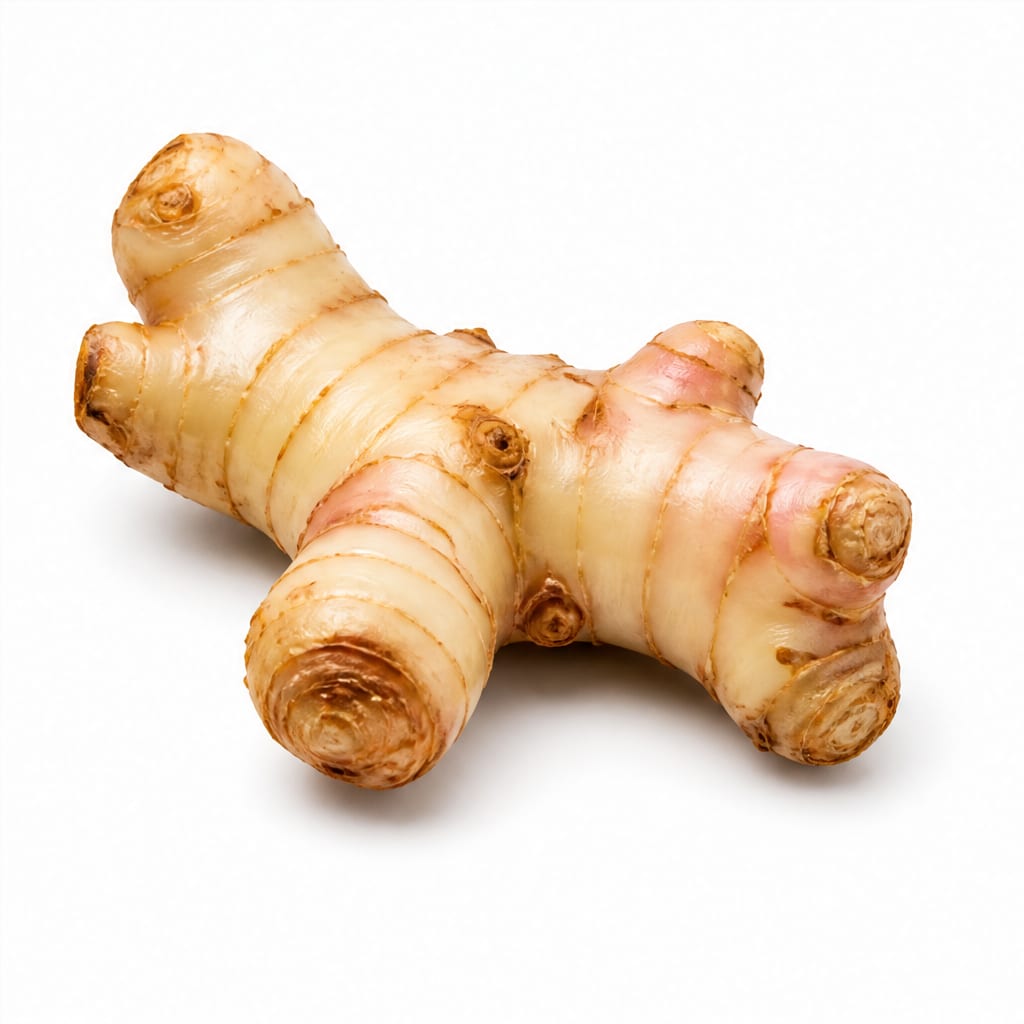
Compare with
Galangal
Ginger and galangal are similar in flavor profile, but ginger has vastly more clinical evidence for digestive and anti-inflammatory benefits.
Ginger and galangal are similar in flavor profile, but ginger has vastly more clinical evidence for digestive and anti-inflammatory benefits.
This food
Ginger
VS70% alike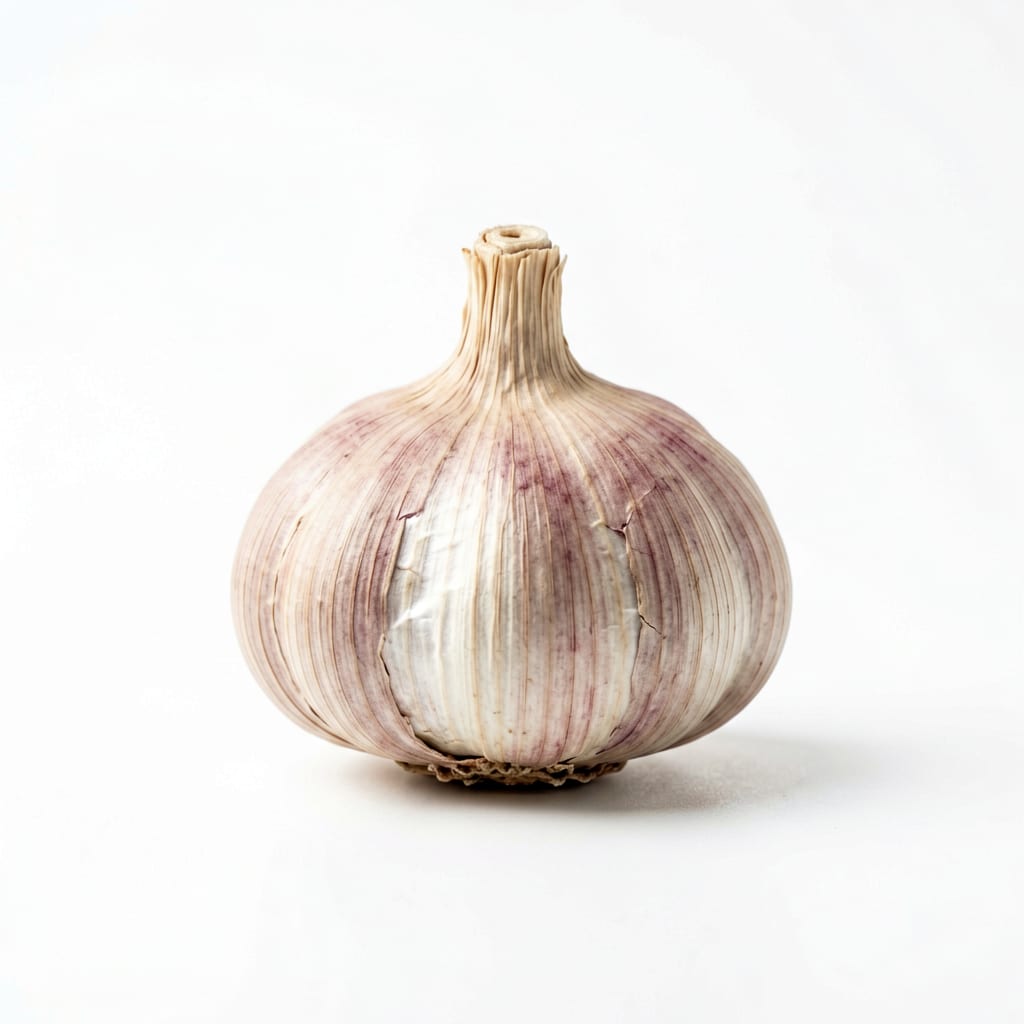
Compare with
Garlic
Garlic offers stronger immune and cardiovascular support, while ginger is superior for nausea and gastrointestinal relief.
Garlic offers stronger immune and cardiovascular support, while ginger is superior for nausea and gastrointestinal relief.
This food
Ginger
VS65% alike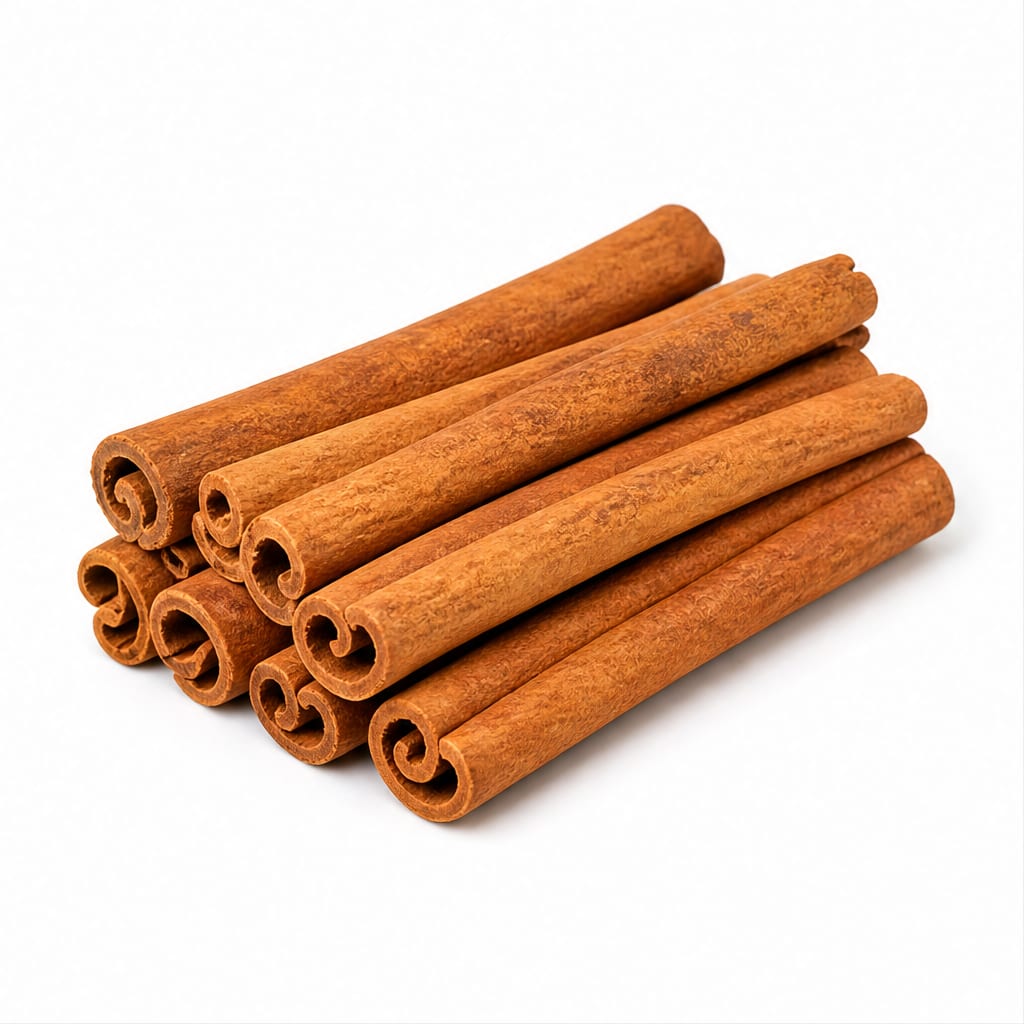
Compare with
Cinnamon
Cinnamon is more effective for lowering blood sugar, whereas ginger is more effective for reducing muscle pain and nausea.
Cinnamon is more effective for lowering blood sugar, whereas ginger is more effective for reducing muscle pain and nausea.
This food
Ginger
VS60% alike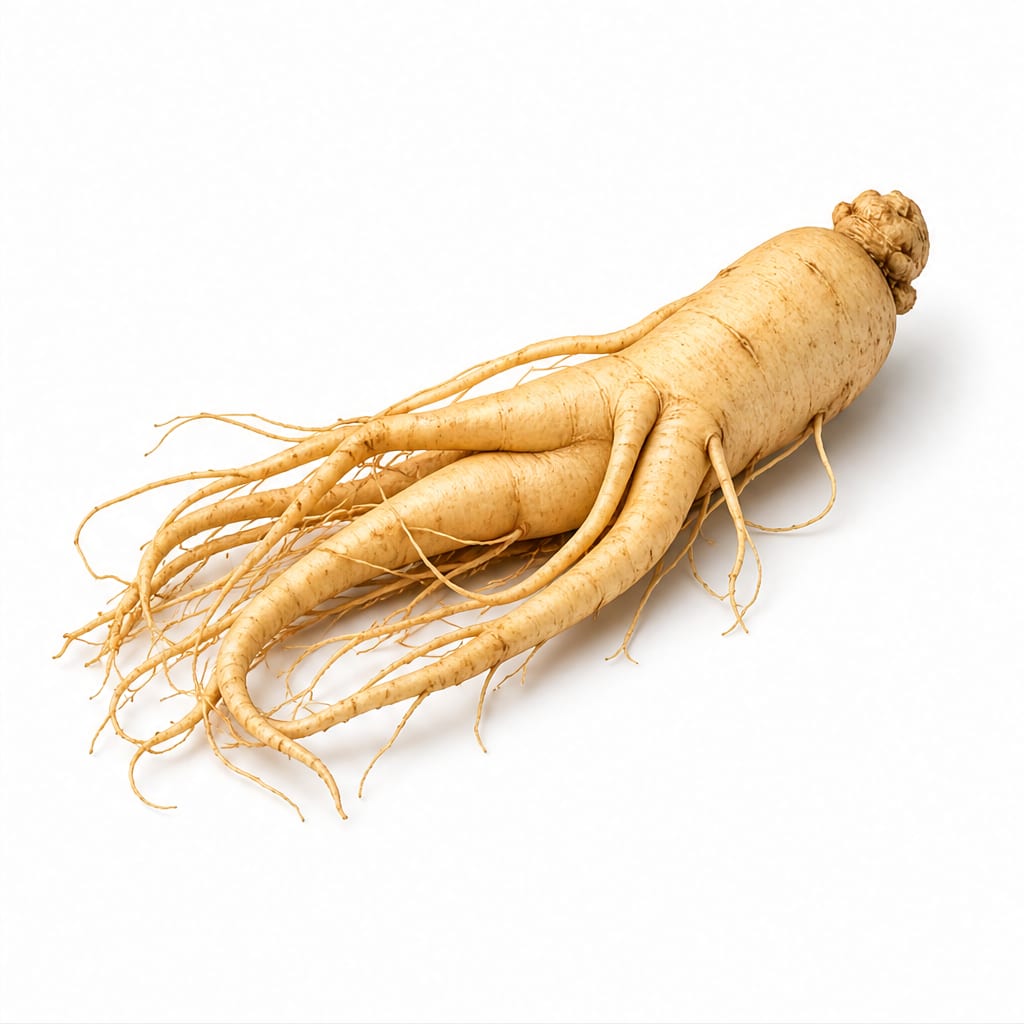
Compare with
Ginseng
Ginseng provides an energy boost and adaptogenic stress relief, while ginger focuses on digestive comfort and inflammation.
Ginseng provides an energy boost and adaptogenic stress relief, while ginger focuses on digestive comfort and inflammation.
This food
Ginger
VS55% alike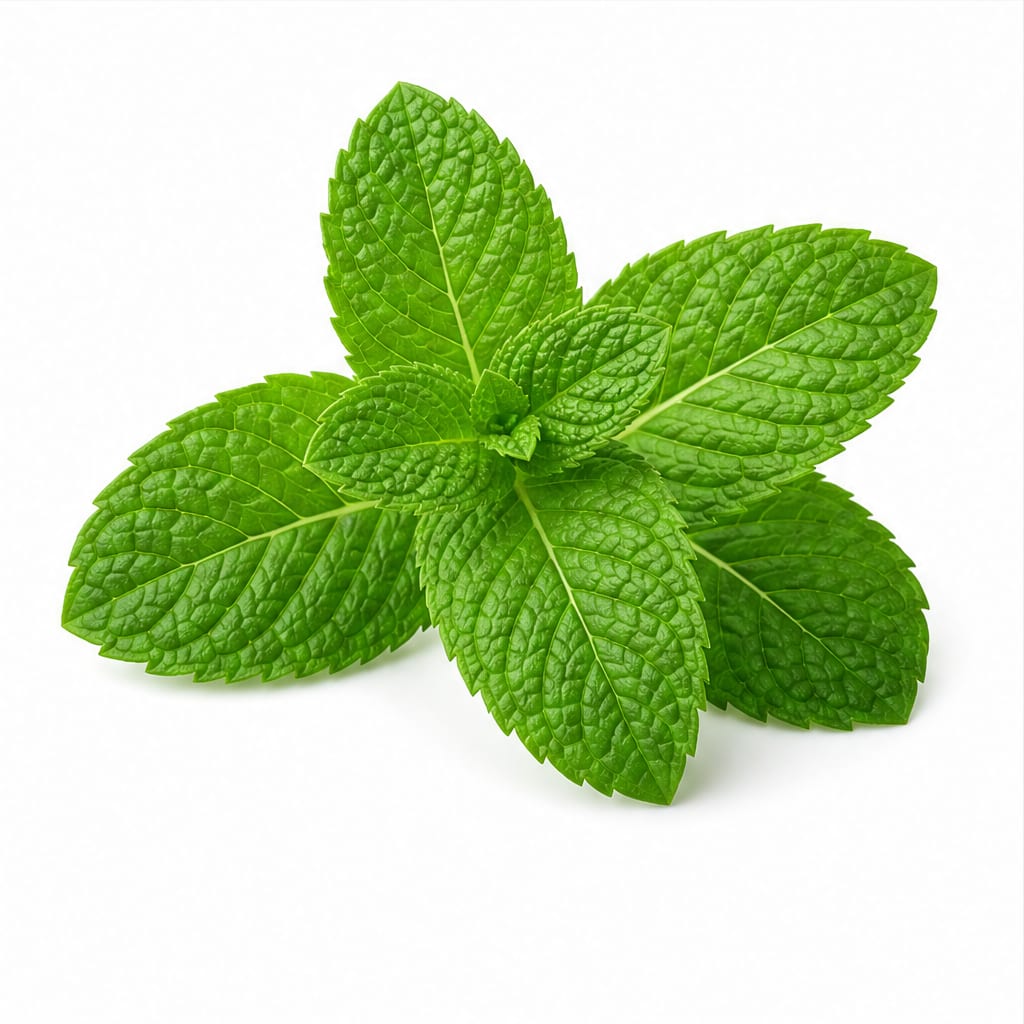
Compare with
Peppermint
Peppermint is better for soothing IBS symptoms, while ginger is more effective for nausea and gastric emptying.
Peppermint is better for soothing IBS symptoms, while ginger is more effective for nausea and gastric emptying.
This food
Ginger
VS50% alike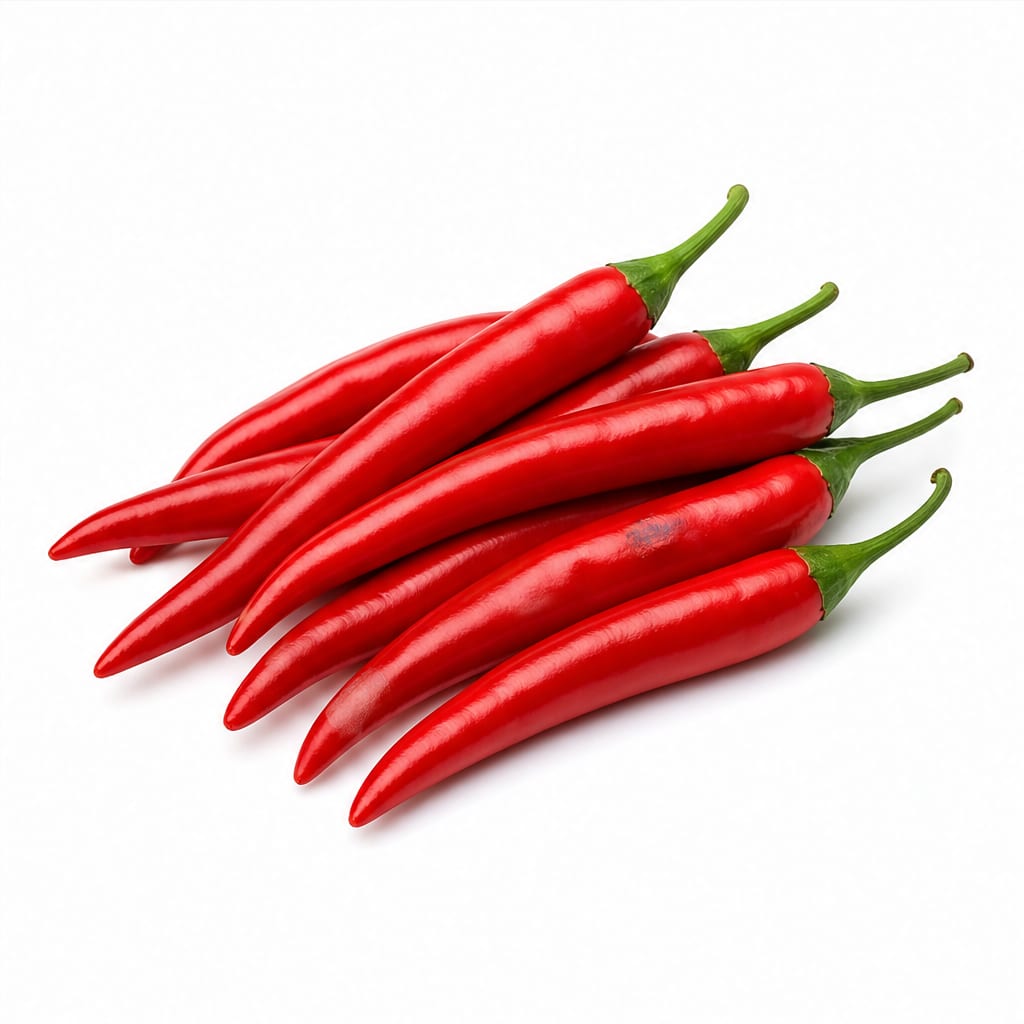
Compare with
Cayenne Pepper
Cayenne pepper provides a stronger metabolic boost for fat burning, while ginger is gentler on the stomach and better for nausea.
Cayenne pepper provides a stronger metabolic boost for fat burning, while ginger is gentler on the stomach and better for nausea.
This food
Ginger
VS45% alike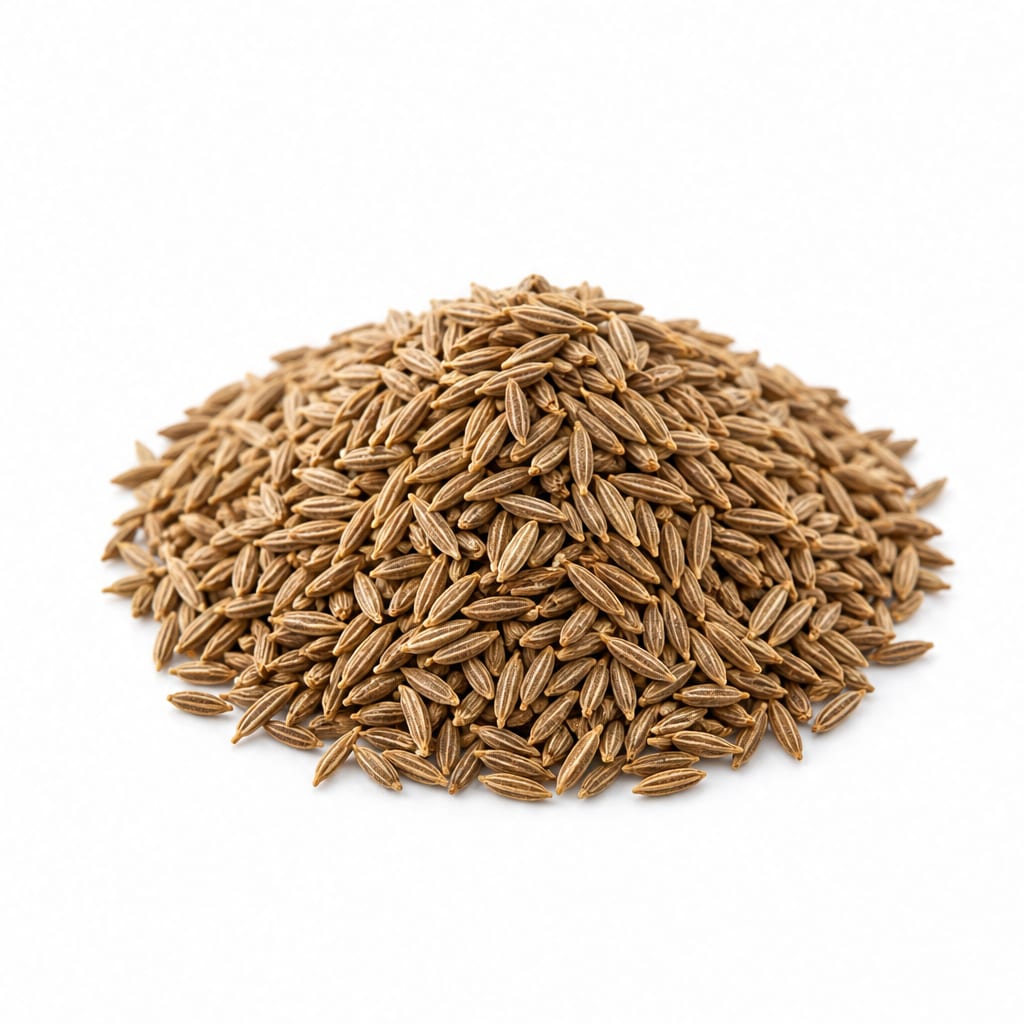
Compare with
Cumin
Cumin may slightly edge out ginger for weight loss and blood sugar control, but ginger remains the top choice for digestive relief.
Cumin may slightly edge out ginger for weight loss and blood sugar control, but ginger remains the top choice for digestive relief.
This food
Ginger
VS40% alike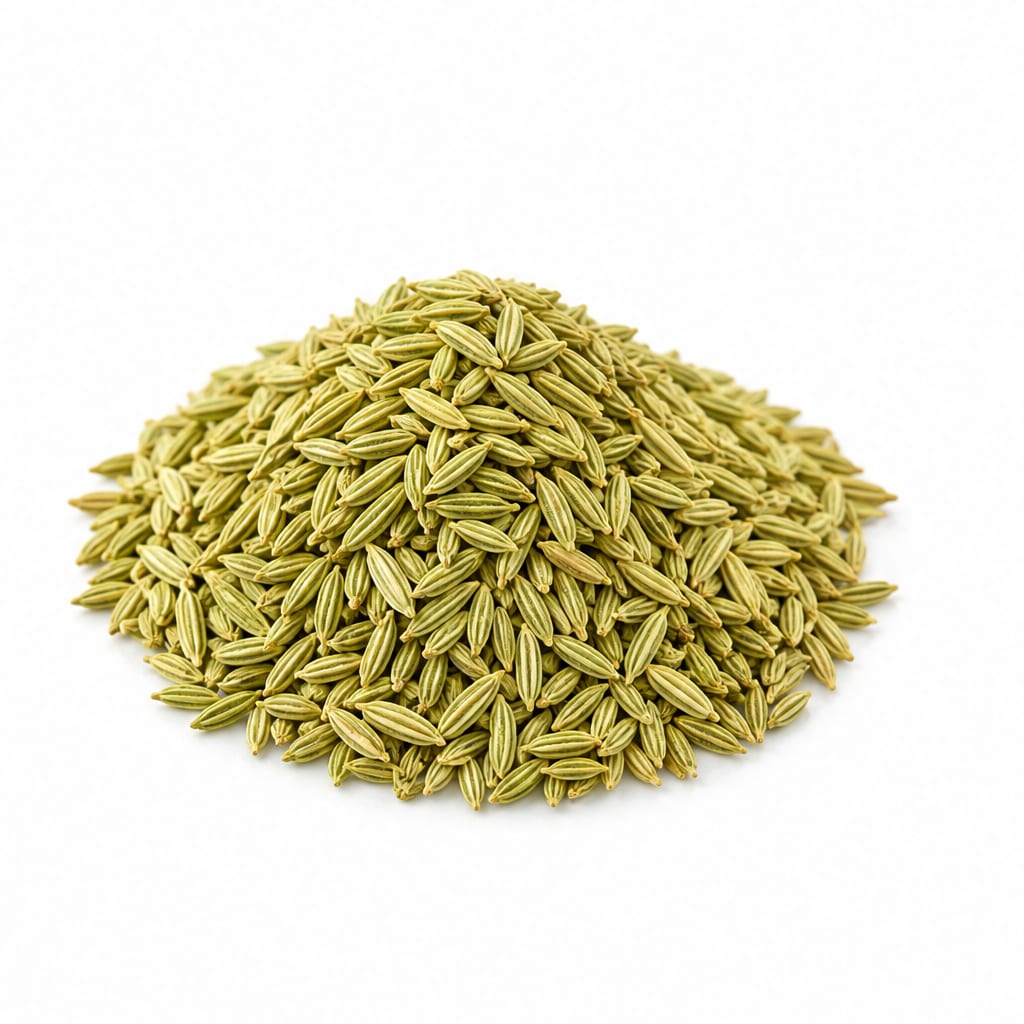
Compare with
Fennel
Fennel offers more fiber and a crunchy texture for satiety, while ginger provides stronger anti-inflammatory and anti-nausea effects.
Fennel offers more fiber and a crunchy texture for satiety, while ginger provides stronger anti-inflammatory and anti-nausea effects.
This food
Ginger
VS35% alike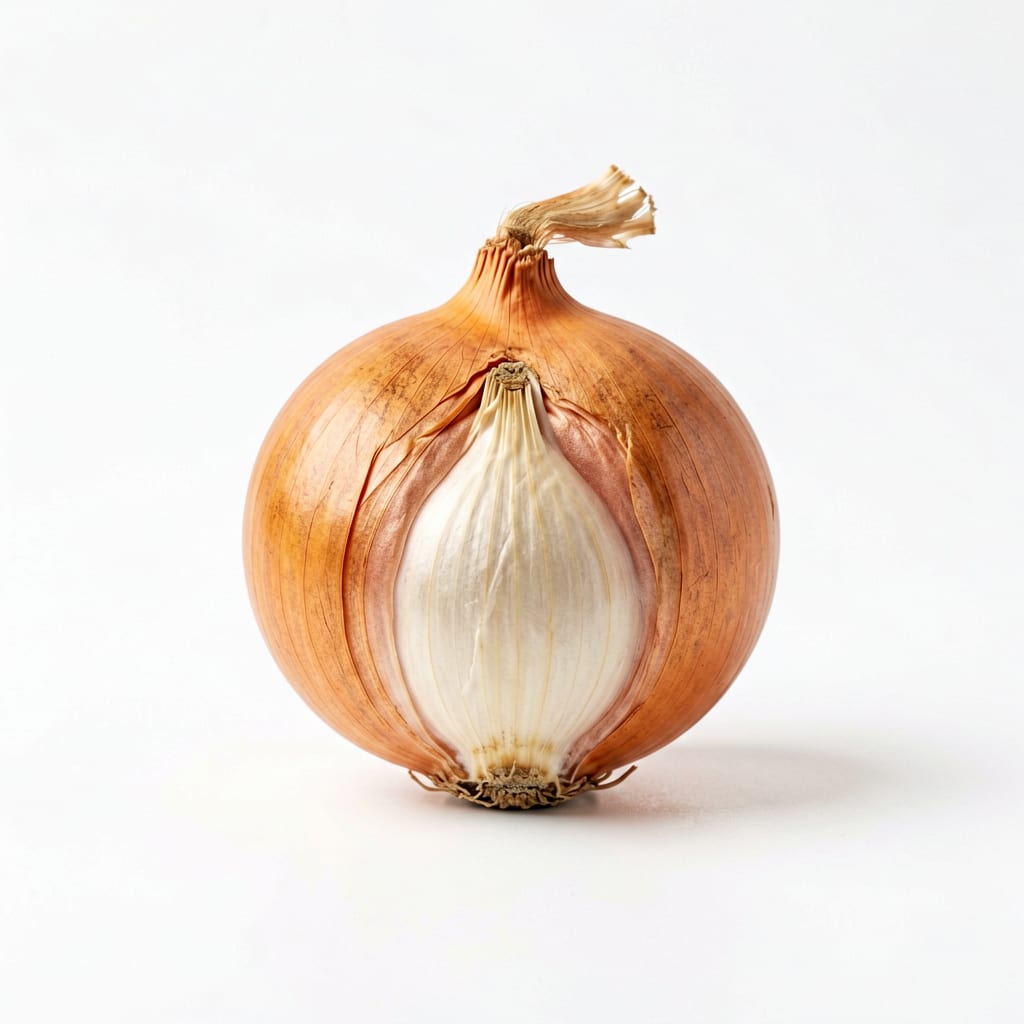
Compare with
Onion
Onions provide more volume, fiber, and prebiotics for gut health, while ginger delivers concentrated medicinal benefits for nausea and inflammation.
Onions provide more volume, fiber, and prebiotics for gut health, while ginger delivers concentrated medicinal benefits for nausea and inflammation.
Common questions
FAQ
Answers aligned with how people search for this food.
Is ginger good for weight loss?
Yes, ginger adds intense flavor with negligible calories and may slightly boost thermogenesis and fat burning, making it a great addition to a weight loss diet.
Can diabetics eat ginger?
Yes, ginger has a very low glycemic index and does not spike blood sugar. Some studies suggest ginger may help improve insulin sensitivity and lower fasting blood sugar levels.
Does ginger actually help with nausea?
Yes, ginger is clinically proven to reduce nausea, particularly related to morning sickness during pregnancy, motion sickness, and chemotherapy-induced nausea.
What happens if you eat ginger every day?
Daily consumption of moderate amounts (1-2 grams) can reduce inflammation, aid digestion, and lower blood sugar. However, high doses may cause heartburn or interact with blood thinners.
Is raw ginger better than cooked?
Raw ginger retains higher levels of gingerol, the potent anti-inflammatory compound. Cooking ginger converts gingerol to zingerone, which is sweeter and less pungent but still beneficial.
Can ginger interact with medications?
Yes, high doses of ginger can interact with blood-thinning medications like warfarin and certain diabetes medications, potentially increasing their effects.
How much ginger is safe per day?
Up to 3 to 4 grams of fresh ginger per day is generally considered safe for most adults. Pregnant women should limit intake to 1 gram per day.
Does ginger help with muscle soreness?
Yes, the anti-inflammatory properties of gingerol can help reduce exercise-induced muscle pain and soreness when consumed regularly.
Transparency
Data confidence
Estimated confidence for nutrition data, interpretation, safety notes, and comparisons.
Nutrition data
Health analysis
Food safety
Comparisons