
Nutrition comparison
Ginger vs Galangal: Which Root Is Better for Health and Cooking?
Compare ginger and galangal for anti-inflammatory power, nausea relief, immune support, and culinary use. Learn which root fits your health goals and kitchen best.
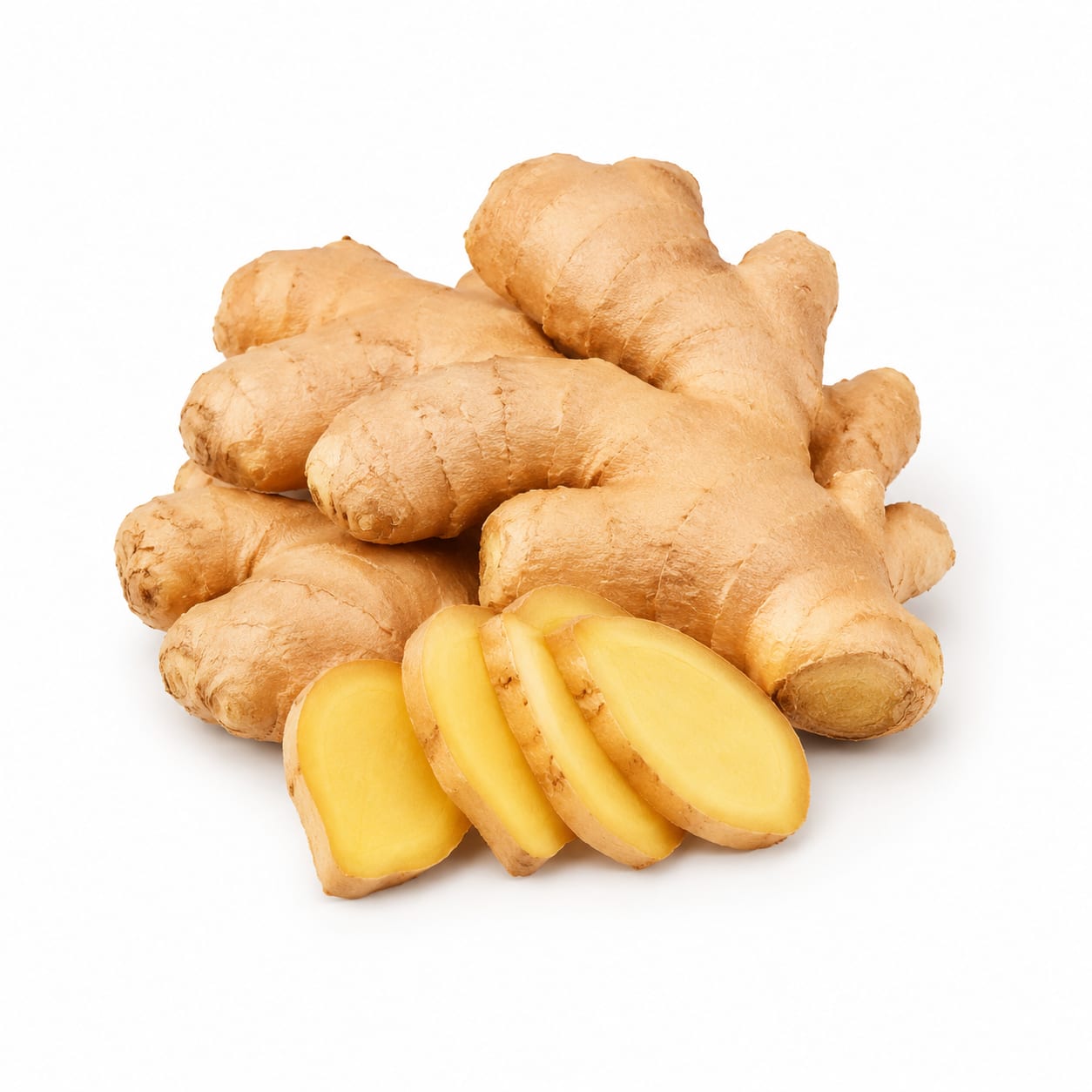
Ginger
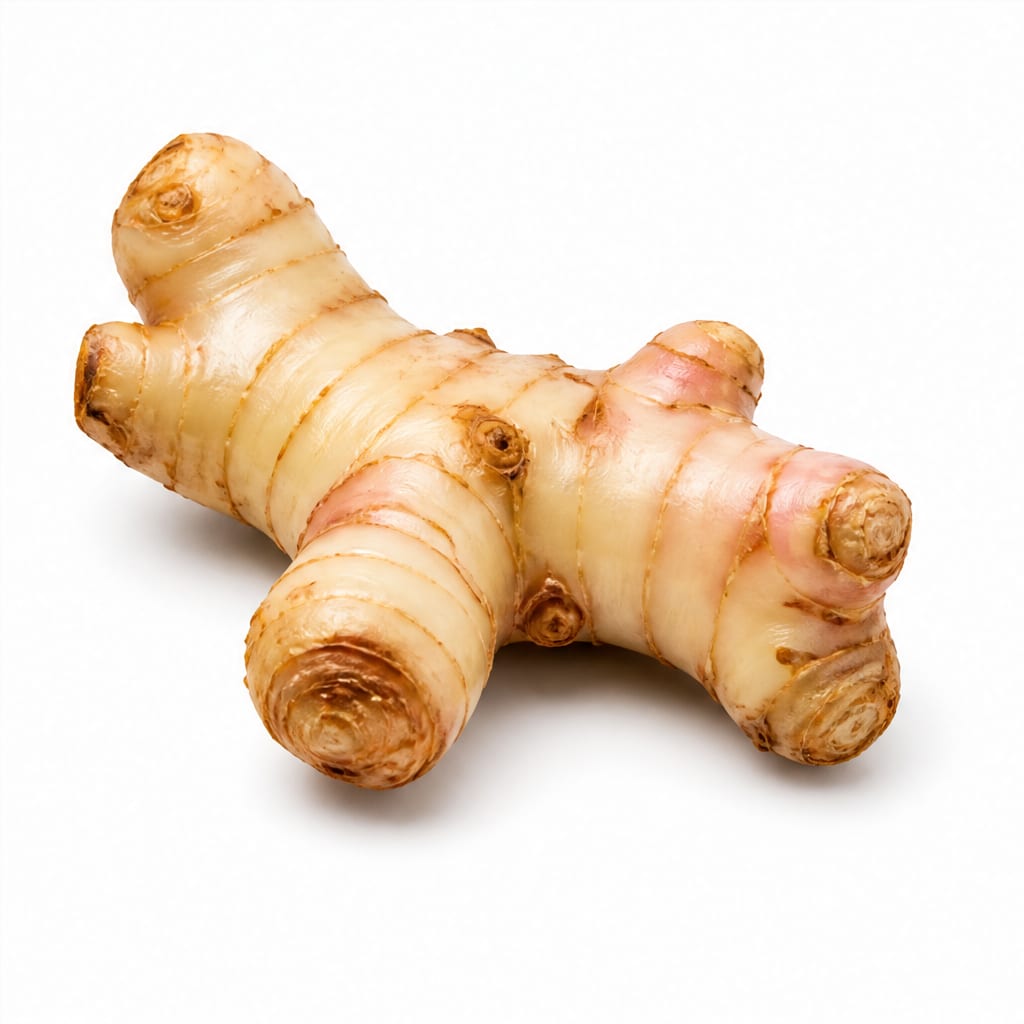
Galangal
Ginger wins on evidence, availability, and nausea relief. Galangal offers unique antimicrobial compounds and a sharper, pine-like complexity for specific dishes.
Ginger scores higher due to vastly more clinical evidence, superior availability, and broader culinary flexibility. Galangal remains valuable for its unique compounds but loses points on accessibility and research depth.
Ginger is the practical daily choice with stronger clinical backing, while galangal provides bioactives you simply cannot get from ginger but requires more effort to source.
At a glance
Executive summary
Overall
It depends
Healthier
Ginger
More practical
Ginger
Daily use
Ginger
Key comparison lenses
Anti-inflammatory and medicinal potency
Both roots are primarily used for their bioactive compounds, so comparing their therapeutic strength matters most
Digestive and nausea relief effectiveness
Ginger is famous for settling stomachs; users want to know if galangal compares
Culinary versatility and availability
Ginger is ubiquitous; galangal is harder to find, which affects daily practicality
Antioxidant profile diversity
Each root offers different flavonoids and phenolics, creating distinct health tradeoffs
Traditional and evidence-based medicinal use
Both have deep roots in traditional medicine but differ in clinical evidence depth
Best choice for
Ginger
- People managing chronic nausea or motion sickness
- Anyone wanting a reliable anti-inflammatory with strong evidence
- Home cooks needing a versatile, easy-to-find root
- Those new to medicinal roots and starting simple
Galangal
- Experienced cooks exploring Southeast Asian authenticity
- People seeking antimicrobial diversity beyond ginger
- Those wanting to rotate bioactive profiles to avoid tolerance
- Anyone with access to Asian markets wanting a sharper flavor
Least suitable for
Ginger
- People bored with its familiar flavor wanting novelty
- Dishes requiring the distinct piney sharpness of Thai cuisine
Galangal
- People without access to specialty grocery stores
- Those needing well-studied dosing for medicinal purposes
- Anyone expecting a mild, universally palatable flavor
Deep comparison
Dimension by dimension
Each lens scores both foods and breaks down who each option suits.
- Dimension 1 · Priority 92Ginger
Anti-inflammatory potency
Ginger · 85Galangal · 75Ginger's gingerols are better studied for reducing inflammation markers in human trials.
Tradeoff
Galangal contains galangin, a powerful flavonoid, but human evidence remains thin compared to ginger's extensive research.
Why it matters
If you are choosing a root specifically to manage joint pain or chronic inflammation, ginger has more reliable data behind it.
Real-world impact
Daily ginger tea may meaningfully reduce stiffness over weeks. Galangal might help too, but you are betting on weaker evidence.
Ginger
- Chronic inflammation management
- Joint stiffness and arthritis support
- Post-exercise muscle soreness
Better for
- Providing the specific antimicrobial compounds found in galangal
Worse for
Galangal
- Adding flavonoid diversity to an anti-inflammatory routine
- Situations where you already consume ginger regularly and want rotation
Better for
- Matching ginger's volume of human clinical data
Worse for
- Dimension 2 · Priority 88Ginger
Nausea and digestive relief
Ginger · 92Galangal · 60Ginger is one of the best-studied natural anti-nausea remedies available. Galangal has traditional use but far less evidence.
Tradeoff
Galangal may aid digestion generally, but for morning sickness, motion sickness, or post-surgery nausea, ginger is clearly superior.
Why it matters
If your primary goal is settling your stomach, this is not a close contest.
Real-world impact
A slice of fresh ginger in hot water can calm nausea within minutes. Galangal might help mildly, but you would not reach for it first.
Ginger
- Morning sickness during pregnancy
- Motion sickness and sea sickness
- Post-chemotherapy nausea
- General upset stomach
Better for
- Situations where galangal's sharper pungency is culturally preferred for digestion
Worse for
Galangal
- Stimulating appetite in Southeast Asian traditional contexts
Better for
- Any scenario where proven anti-nausea action is the priority
Worse for
- Dimension 3 · Priority 78It depends
Antimicrobial and immune support
Ginger · 76Galangal · 78Galangal shows stronger antimicrobial activity against certain bacteria and fungi in lab studies, while ginger has better antiviral data.
Tradeoff
Galangal may be more potent against foodborne bacteria, but ginger has more evidence for fighting common respiratory viruses.
Why it matters
During cold season, ginger is your friend. For food safety concerns in cooking, galangal has an edge.
Real-world impact
Adding galangal to soups may help neutralize more surface bacteria on ingredients. Ginger tea is more likely to help with a scratchy throat.
Ginger
- Cold and flu season immune support
- Sore throat relief
- Respiratory virus defense
Better for
- Matching galangal's antibacterial breadth in lab settings
Worse for
Galangal
- Antibacterial protection in food preparation
- Fighting certain fungal infections
- Adding immune diversity beyond ginger
Better for
- Providing the warming, diaphoretic effect ginger offers during fevers
Worse for
- Dimension 4 · Priority 80Ginger
Culinary versatility and availability
Ginger · 94Galangal · 55Ginger is available in nearly every grocery store and fits countless cuisines. Galangal is specialty and region-specific.
Tradeoff
Galangal delivers a unique piney, citrusy sharpness essential for authentic Thai dishes, but you will struggle to find it outside Asian markets.
Why it matters
The best medicinal root is the one you can actually buy and use regularly.
Real-world impact
You can find ginger at any corner store. Galangal might require a trip to a specialty market or ordering online, which kills spontaneity.
Ginger
- Everyday cooking across global cuisines
- Baking, teas, smoothies, stir-fries
- Quick weeknight meals
Better for
- Replicating the specific flavor profile galangal brings to Southeast Asian food
Worse for
Galangal
- Authentic Tom Yum and Tom Kha Gai
- Thai and Indonesian curry pastes
- Dishes where galangal's piney heat is irreplaceable
Better for
- Being a practical everyday pantry staple
Worse for
- Dimension 5 · Priority 75Galangal
Antioxidant diversity
Ginger · 72Galangal · 80Galangal offers galangin and alpinin, flavonoids absent in ginger, creating a different antioxidant profile.
Tradeoff
Ginger provides more total antioxidants by weight, but galangal contributes types you cannot get elsewhere.
Why it matters
Rotating antioxidant sources may reduce cellular adaptation and provide broader protection.
Real-world impact
If you already consume ginger daily, adding galangal gives your body new compounds to work with rather than more of the same.
Ginger
- Higher total antioxidant capacity per serving
- More studied antioxidant effects in humans
Better for
- Providing the specific flavonoid galangin
Worse for
Galangal
- Unique flavonoid classes not found in ginger
- Antioxidant rotation for long-term users of ginger
Better for
- Matching ginger's overall antioxidant volume
Worse for
Timeline
Health impact over time
Short-term
Hours to days
Ginger
- Quick nausea relief within 15-30 minutes
- Warming sensation that promotes circulation
- Mild blood thinning effect, noticeable if on anticoagulants
Galangal
- Appetite stimulation and digestive warming
- Sharper pungency that may cause mild heartburn in sensitive people
- Noticeable aromatic decongestant effect
Long-term
Months to years
Ginger
- Reduced chronic inflammation markers with daily consumption
- Improved gastric emptying and digestive regularity
- Potential blood pressure moderation over months
Galangal
- Possible antimicrobial gut environment support
- Flavonoid diversity contributing to long-term cellular defense
- Traditional use suggests digestive strengthening, though evidence is thinner
Risk profile
Safety & processing
Both are whole roots sold fresh, dried, or powdered with minimal processing. Dried and ground versions lose some volatile oils but remain clean options. Neither typically contains additives when bought as whole roots.
Ginger
Blood thinning interaction
mediumGinger can amplify the effect of anticoagulant medications like warfarin. Consult a doctor if on blood thinners.
Heartburn at high doses
lowConsuming more than 4 grams daily may cause reflux or stomach discomfort in sensitive individuals.
Galangal
Limited safety data at high doses
mediumGalangal has less clinical safety data than ginger, so optimal and maximum dosing is less established.
Allergic cross-reactivity
lowPeople allergic to ginger or other Zingiberaceae family members may react to galangal.
Who wins for whom
Audience fit
Same foods, different winners depending on your goal.
children
GingerGinger is milder, more familiar, and has established dosing guidance for children. Galangal's sharper taste and thinner safety data make it less suitable.
daily consumption
GingerGinger is easier to source, gentler on the stomach, and has more data supporting long-term daily use at common doses.
diabetes
GingerGinger has more evidence for improving insulin sensitivity and lowering fasting blood sugar in type 2 diabetes studies.
elderly
GingerGinger's anti-nausea, anti-inflammatory, and digestive benefits are well-documented in older adults. Its blood-thinning effect needs monitoring but is predictable.
muscle gain
It dependsNeither root directly drives muscle growth. Ginger may slightly reduce post-workout inflammation, while galangal offers no unique advantage here.
weight loss
GingerGinger has modest evidence for increasing thermogenesis and reducing hunger. Both are near-zero calorie, but ginger's metabolic data is stronger.
Your move
Decision guide
Choose Ginger
- You need reliable nausea or motion sickness relief
- You want an anti-inflammatory root with strong clinical backing
- You value easy availability and everyday cooking versatility
- You are new to medicinal roots and want the safest starting point
Choose Galangal
- You cook Thai or Indonesian food regularly and want authenticity
- You already use ginger daily and want to diversify your bioactive intake
- You can easily access galangal at local markets
- You are specifically interested in its antimicrobial properties
Either works if
- You want a warming, anti-inflammatory root tea and have both available
- You are rotating medicinal roots for broad-spectrum benefits
Avoid both if
- You are on anticoagulant medication without doctor approval
- You have a known allergy to plants in the Zingiberaceae family
- You are about to have surgery within two weeks
Final recommendation
Keep ginger as your daily staple. It is the workhorse with the evidence to back it. Add galangal when you want its unique flavor or to round out your antioxidant coverage. Think of ginger as your reliable daily multivitamin and galangal as a specialty supplement you reach for intentionally.
Practical
Consumer tips
- 1
Fresh ginger should feel firm and smooth. Wrinkled skin means it is drying out and losing potency.
- 2
Galangal is denser and harder to grate than ginger. Use a sharp knife or microplane with patience.
- 3
Freeze both roots whole in airtight bags. They grate more easily from frozen and last months longer.
- 4
Ground ginger and ground galangal lose volatile oils quickly. Buy small quantities and replace every 3-4 months.
- 5
Never substitute galangal for ginger in Thai recipes expecting the same result. The flavor difference is real and noticeable.
- 6
If you cannot find fresh galangal, look for it in paste form in Asian markets, which retains more flavor than dried powder.
- 7
A thumb-sized piece of fresh ginger steeped in boiling water with lemon makes a simple, effective daily anti-inflammatory tea.