
Nutrition comparison
Ginger vs Peppermint: Which is Better for Digestion & Health?
Compare ginger and peppermint for digestion, nausea, and inflammation. Find out which herb is best for your specific health goals and stomach issues.
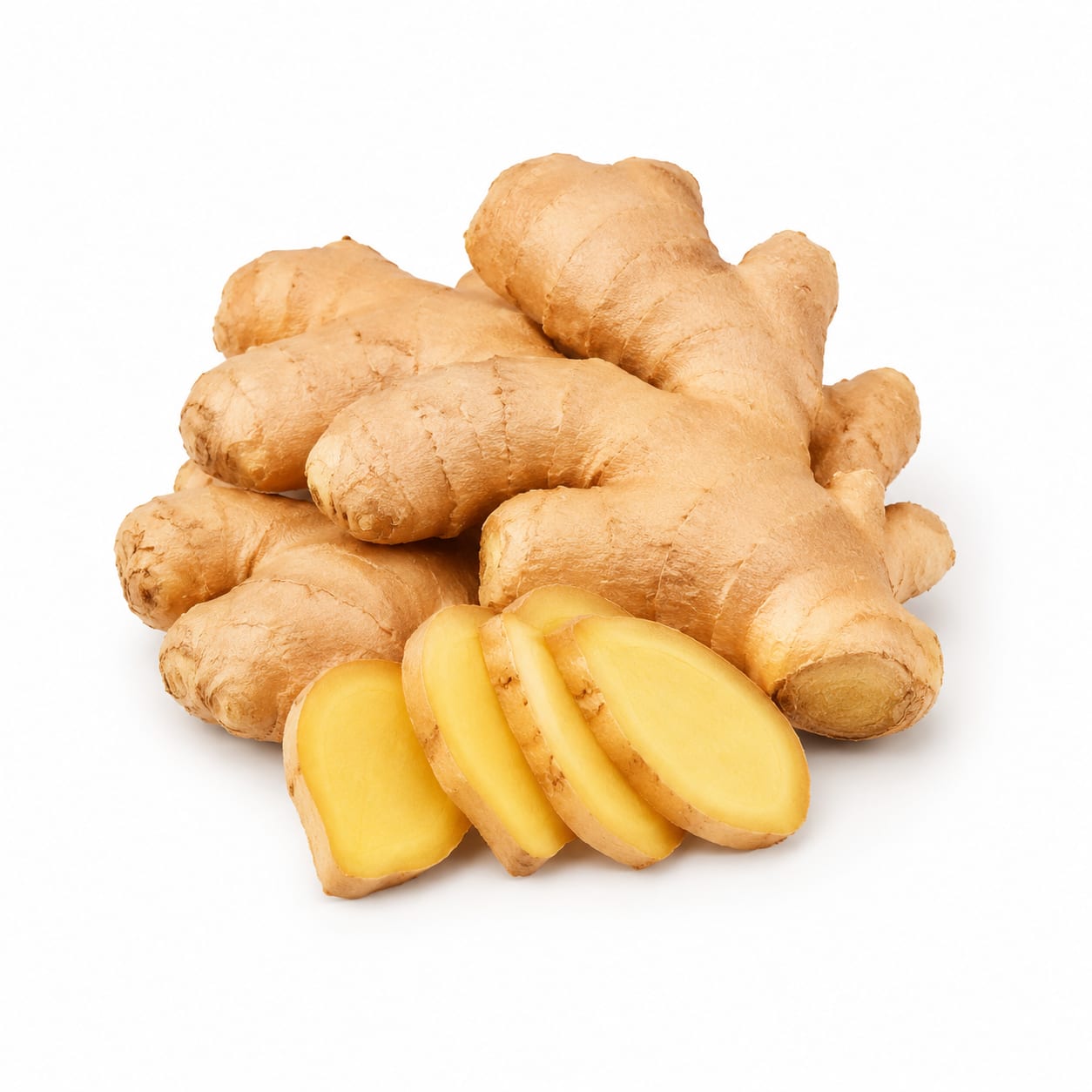
Ginger
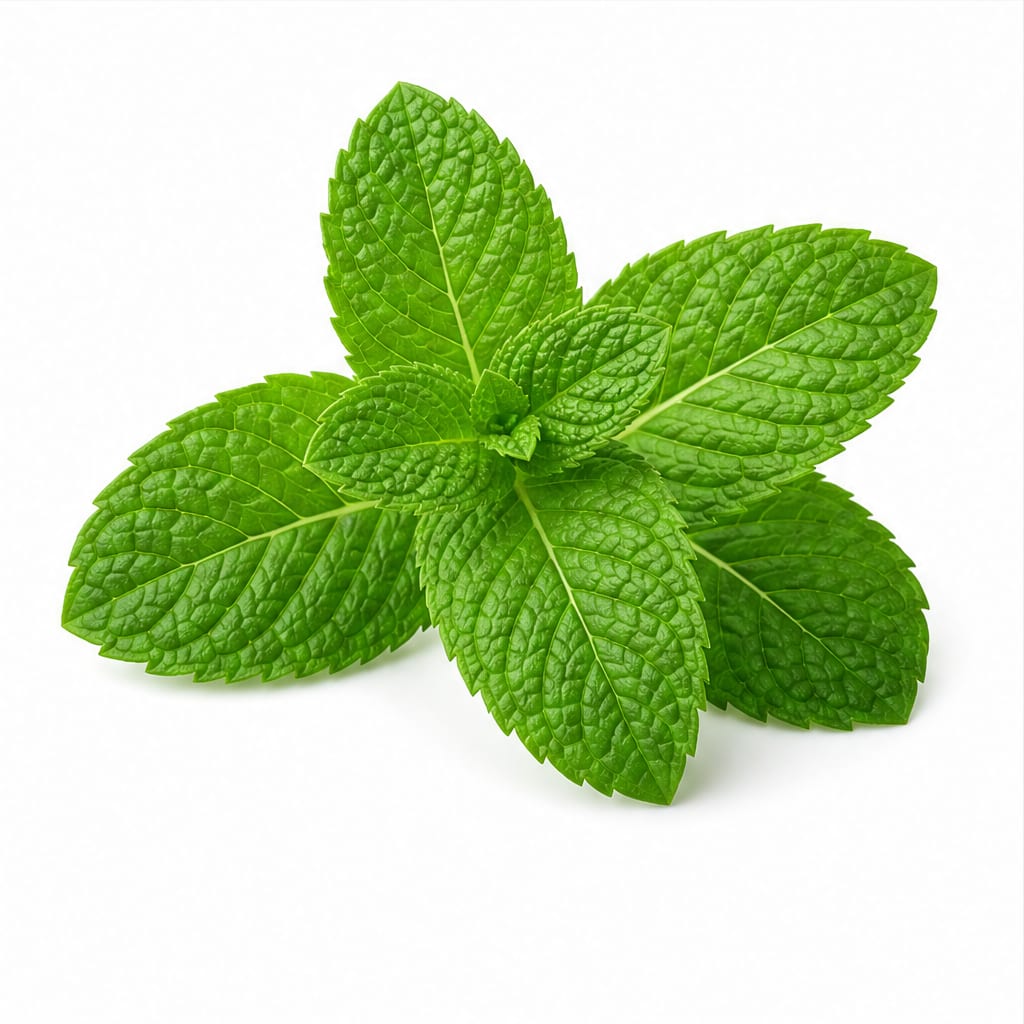
Peppermint
Ginger and peppermint are both exceptional healing herbs, but they serve opposite needs: ginger warms and quells nausea, while peppermint cools and relieves bloating.
Ginger edges ahead slightly due to broader anti-inflammatory benefits and blood sugar support, but peppermint is equally potent for targeted IBS and headache relief.
You must choose between ginger's warming, anti-nausea power and peppermint's cooling, muscle-relaxing relief.
At a glance
Executive summary
Overall
It depends
Healthier
It depends
More practical
Peppermint
Daily use
It depends
Key comparison lenses
digestive comfort
Both are renowned for settling stomachs, but they target different digestive issues like nausea versus bloating.
anti inflammatory pain relief
Ginger is heavily used for joint and muscle pain, while peppermint is favored for tension headaches.
respiratory soothing
Peppermint opens airways with menthol, whereas ginger provides a warming effect for congestion.
safety and tolerance
Both can trigger acid reflux under certain conditions, but through completely different mechanisms.
Best choice for
Ginger
- People dealing with nausea or morning sickness
- Those with joint pain or chronic inflammation
- Anyone prone to motion sickness
- People who prefer warming foods and drinks
Peppermint
- People with IBS or intestinal spasms
- Those dealing with tension headaches
- Anyone needing respiratory relief or sinus clearing
- People who prefer cooling, refreshing flavors
Least suitable for
Ginger
- People with severe acid reflux or ulcers
- Those on blood-thinning medications
- People who dislike spicy or warming flavors
Peppermint
- People with GERD or severe acid reflux
- Those with severe anemia (menthol can inhibit iron absorption)
- Young children (can trigger breathing spasms)
Deep comparison
Dimension by dimension
Each lens scores both foods and breaks down who each option suits.
- Dimension 1 · Priority 95It depends
digestive_comfort
Ginger · 90Peppermint · 88Ginger excels at stopping nausea and vomiting, while peppermint excels at relaxing intestinal cramps and reducing bloating.
Tradeoff
Ginger pushes digestion forward with motility, while peppermint relaxes digestive spasms.
Why it matters
Choosing the wrong one for your specific stomach issue can make you feel worse instead of better.
Real-world impact
Sip ginger tea after a rocky boat ride or during morning sickness; drink peppermint tea after a heavy meal that leaves you feeling gassy and bloated.
Ginger
- Nausea from pregnancy or chemotherapy
- Motion sickness
- Morning sickness
- Slow digestion
Better for
- Acid reflux triggered by spicy foods
- Ulcer pain
Worse for
Peppermint
- IBS cramping and spasms
- Post-meal bloating
- Gas and flatulence
- Feeling overly stuffed
Better for
- Acid reflux (menthol relaxes the esophageal sphincter)
- Heartburn after meals
Worse for
- Dimension 2 · Priority 85Ginger
anti_inflammatory_and_pain_relief
Ginger · 92Peppermint · 75Ginger is a systemic anti-inflammatory powerhouse, while peppermint is better for localized muscle and headache relief.
Tradeoff
Ginger offers deeper, whole-body inflammation reduction, whereas peppermint provides topical or localized cooling relief.
Why it matters
Chronic inflammation drives long-term disease, making ginger more useful for daily prevention.
Real-world impact
Ginger can help tame achy joints over time, while peppermint oil rolled on your temples stops a tension headache in its tracks.
Ginger
- Arthritis and joint stiffness
- Muscle recovery after exercise
- Chronic systemic inflammation
Better for
- Quick relief for acute headaches
Worse for
Peppermint
- Tension headaches
- Topical muscle soreness
- Neck pain from screen time
Better for
- Reducing deep chronic inflammation
Worse for
- Dimension 3 · Priority 75Peppermint
respiratory_and_sinus_support
Ginger · 78Peppermint · 90Peppermint's menthol is a natural decongestant that opens airways fast, while ginger provides a slower, warming expectorant effect.
Tradeoff
Peppermint clears breathing quickly with a cooling sensation, while ginger warms the chest to help break up mucus.
Why it matters
When you cannot breathe through your nose, you want the fastest relief possible.
Real-world impact
Inhaling peppermint steam can instantly open a stuffed nose, while ginger tea helps soothe a raw, scratchy throat over time.
Ginger
- Chest congestion with thick mucus
- Chills accompanied by a cold
- Soothing a raw throat
Better for
- Providing instant sinus opening relief
Worse for
Peppermint
- Acute sinus congestion
- Seasonal allergies and stuffiness
- Clearing a blocked nose quickly
Better for
- Warming the body when you have chills
Worse for
- Dimension 4 · Priority 60Ginger
blood_sugar_and_metabolism
Ginger · 80Peppermint · 55Ginger has demonstrated the ability to improve insulin sensitivity and lower fasting blood sugar, while peppermint has negligible metabolic effects.
Tradeoff
Ginger actively supports metabolic health, whereas peppermint is metabolically neutral.
Why it matters
Steady blood sugar prevents energy crashes and reduces cravings later in the day.
Real-world impact
Adding ginger to a carb-heavy meal can blunt the subsequent blood sugar spike, keeping your afternoon energy steadier.
Ginger
- Improving insulin sensitivity
- Lowering fasting blood sugar
- Reducing blood sugar spikes after meals
Better for
- None significant
Worse for
Peppermint
- Flavoring water without metabolic impact
Better for
- Active blood sugar management
Worse for
Timeline
Health impact over time
Short-term
Hours to days
Ginger
- Rapidly reduces feelings of nausea
- Provides a warming sensation that soothes chills
- Can cause mild heartburn if taken on an empty stomach
Peppermint
- Quickly relieves stomach cramps and bloating
- Opens nasal passages for easier breathing
- Can trigger acid reflux shortly after consumption
Long-term
Months to years
Ginger
- Reduces systemic inflammation and joint pain
- Supports healthier blood sugar levels
- May thin the blood, requiring caution before surgeries
Peppermint
- Manages chronic IBS symptoms effectively
- Reduces reliance on pain medication for tension headaches
- May worsen chronic GERD if used daily
Risk profile
Safety & processing
Both are typically consumed as fresh roots, dried leaves, or steeped teas, keeping them highly natural. Watch out for sugary ginger candies or peppermint sweets, which add unnecessary processed sugar.
Ginger
Blood thinning
mediumGinger can inhibit blood clotting, posing a risk if you take warfarin or are preparing for surgery.
Heartburn
lowHigh doses can irritate the stomach lining, causing a burning sensation in the chest.
Peppermint
GERD aggravation
highMenthol relaxes the lower esophageal sphincter, allowing stomach acid to splash up into the esophagus.
Infant breathing spasms
highApplying peppermint oil near the face of infants can trigger dangerous breathing spasms.
Who wins for whom
Audience fit
Same foods, different winners depending on your goal.
children
GingerGinger is safer for children as a mild stomach settler, whereas peppermint poses breathing risks for infants and toddlers.
daily consumption
GingerGinger offers broader daily benefits like inflammation control and metabolic support, provided you do not have acid reflux issues.
diabetes
GingerGinger actively improves insulin sensitivity and lowers fasting blood sugar, while peppermint does not.
elderly
It dependsGinger helps with joint pain and blood sugar, but peppermint helps with digestion; however, seniors with GERD should avoid peppermint.
muscle gain
GingerGinger's anti-inflammatory properties help reduce delayed onset muscle soreness, aiding workout recovery.
weight loss
GingerGinger mildly boosts metabolism and helps stabilize blood sugar, reducing cravings better than peppermint.
Your move
Decision guide
Choose Ginger
- You are pregnant and dealing with morning sickness
- You have achy joints or chronic inflammation
- You struggle with motion sickness or post-chemotherapy nausea
- You want metabolic and blood sugar support
Choose Peppermint
- You suffer from IBS, cramping, or severe bloating
- You get tension headaches or sinus pressure
- You need a cooling, refreshing pick-me-up in hot weather
- You have a sore throat and want a numbing, cooling effect
Either works if
- You want a comforting, zero-calorie tea after a meal
- You need mild, general digestive support
- You are looking for natural alternatives to over-the-counter stomach remedies
Avoid both if
- You have severe GERD or a bleeding disorder
- You are about to undergo surgery
- You are on blood thinners like warfarin
Final recommendation
Let your immediate symptom guide you: reach for ginger when you feel nauseous, inflamed, or cold; reach for peppermint when you feel bloated, crampy, or overheated. Both are excellent, but using them for the wrong symptom will leave you frustrated.
Practical
Consumer tips
- 1
Steep fresh ginger root for 10 minutes to extract the potent gingerols; dried ginger is less effective for nausea.
- 2
Use enteric-coated peppermint oil capsules for IBS to avoid the menthol relaxing your esophageal sphincter and causing heartburn.
- 3
Keep ginger chews in your car or bag for instant motion sickness relief during travel.
- 4
Never apply peppermint essential oil near the nose or face of a baby or toddler.
- 5
If you have acid reflux but want the benefits of ginger, pair it with a meal rather than drinking it on an empty stomach.