
Nutrition comparison
Ginger vs Fennel: Which Is Better for Digestion, Inflammation, and Daily Health?
Compare ginger and fennel side by side. Ginger wins for nausea and inflammation. Fennel wins for fiber, vitamins, and daily meal use. Learn which one fits your health goals.
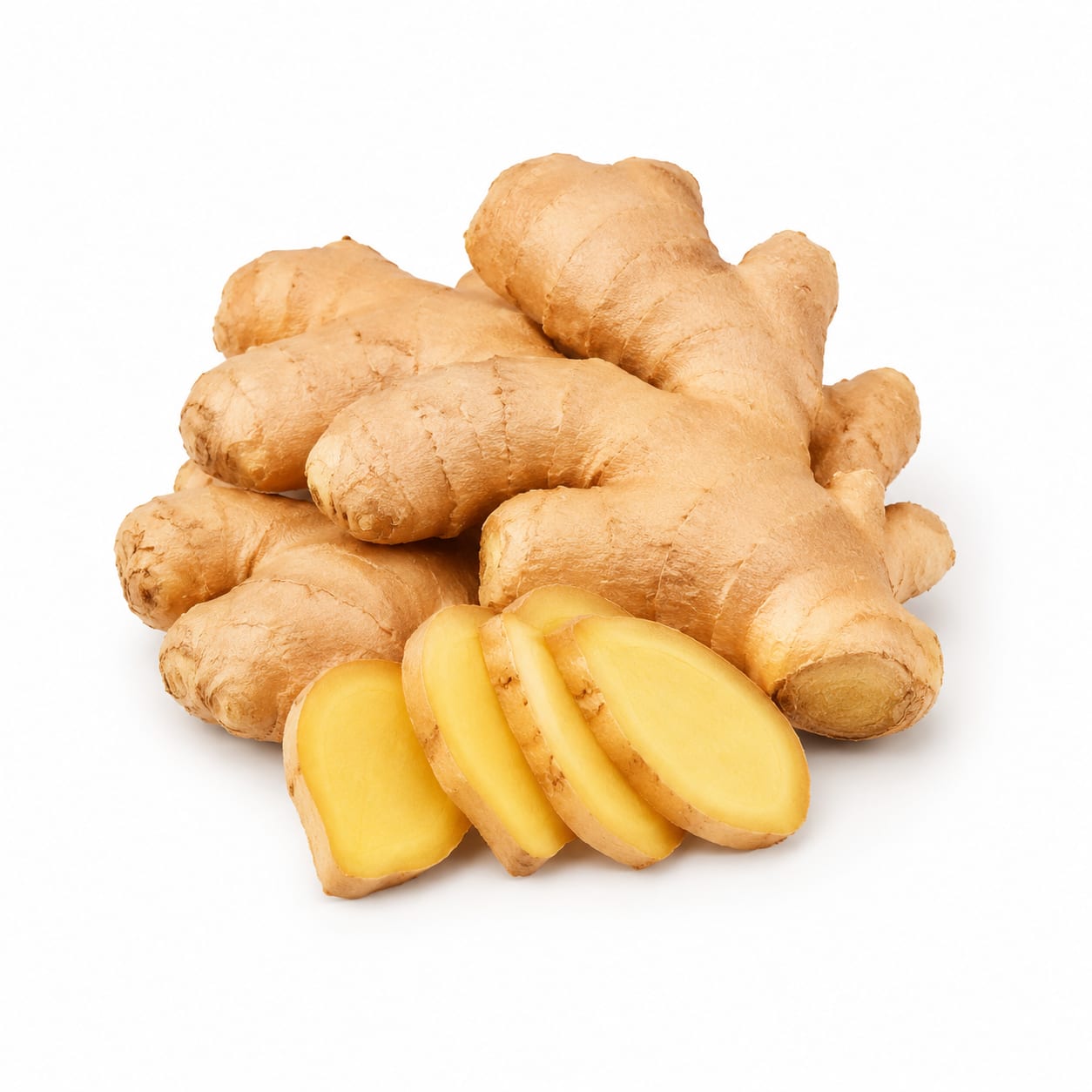
Ginger
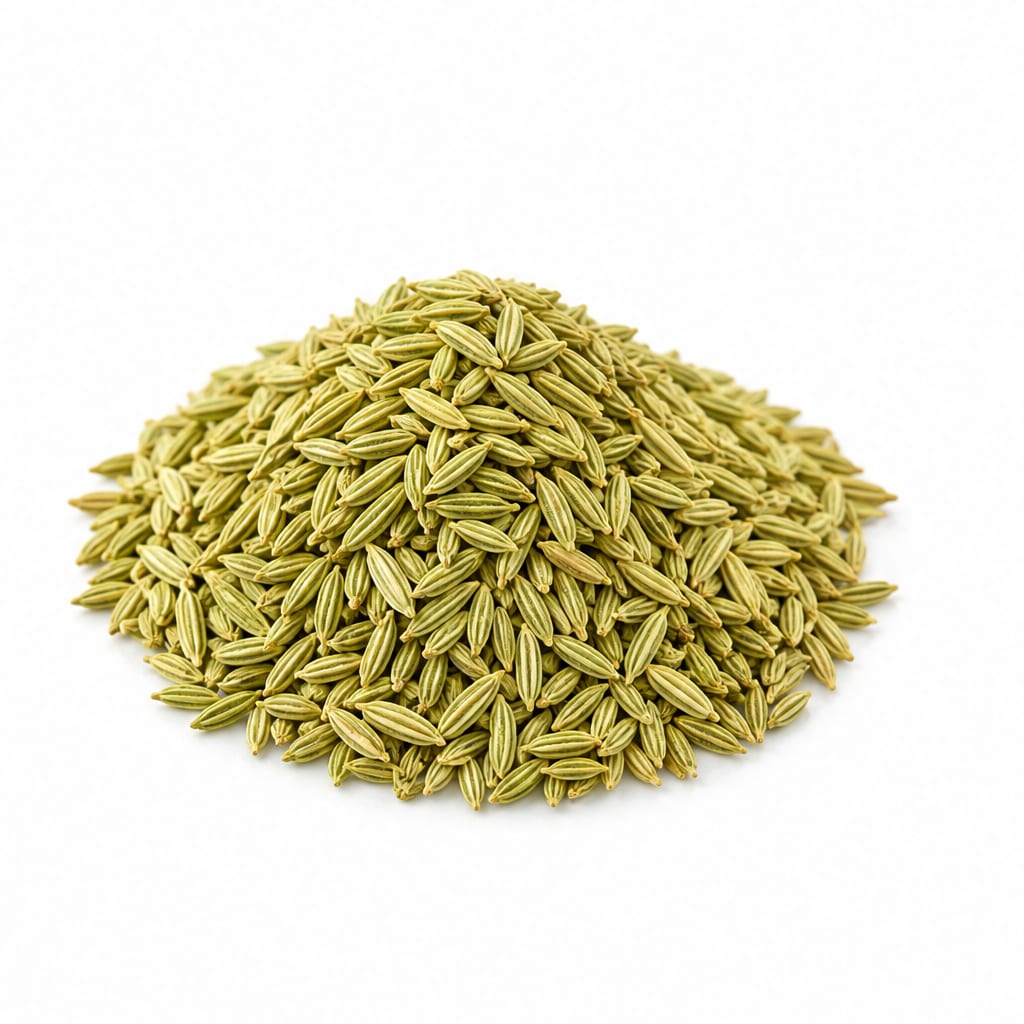
Fennel
Ginger is your medicine, fennel is your food. They serve completely different roles despite sharing a reputation for digestive relief.
Fennel scores slightly higher because it functions as both a nutritious food and a mild digestive aid. Ginger is more therapeutically potent but is limited by being a condiment rather than a sustenance source. Your needs determine the real winner.
Ginger delivers stronger therapeutic effects in tiny doses but contributes almost nothing nutritionally. Fennel offers real sustenance — fiber, vitamins, and a satisfying crunch — but weaker medicinal punch.
At a glance
Executive summary
Overall
It depends
Healthier
It depends
More practical
Fennel
Daily use
Fennel
Key comparison lenses
digestive health
Both foods are legendary for gut relief but work through different mechanisms — ginger calms nausea while fennel relieves bloating
anti inflammatory and immune use
Ginger is a potent anti-inflammatory; fennel offers antioxidants but is milder in this regard
culinary versatility
Ginger is a concentrated spice used in small amounts; fennel is a vegetable that can be a standalone dish
nutritional substance
Fennel provides real calories, fiber, and vitamins; ginger is essentially a functional flavoring with negligible macros
medicinal vs food identity
Users may be choosing between a therapeutic spice and a food they can actually eat as part of a meal
Best choice for
Ginger
- Nausea relief during pregnancy or travel
- Anti-inflammatory support for joint pain
- Soothing sore throats and cold symptoms
- Adding bold flavor without calories or sodium
Fennel
- A filling low-calorie side dish or salad base
- Reducing bloating after heavy meals
- Boosting daily fiber and vitamin C intake
- Anyone wanting a crunchy, hydrating vegetable
Least suitable for
Ginger
- People on blood thinners (ginger increases bleeding risk at high doses)
- Anyone seeking a calorie or fiber source
- Those sensitive to spicy or warming flavors
Fennel
- People who dislike licorice or anise flavor
- Those needing strong anti-inflammatory effects
- Anyone looking for a quick therapeutic remedy
Deep comparison
Dimension by dimension
Each lens scores both foods and breaks down who each option suits.
- Dimension 1 · Priority 95It depends
digestive_relief
Ginger · 88Fennel · 82Ginger excels at calming nausea and stomach upset. Fennel is better for gas, bloating, and feeling overly full. Different problems, different heroes.
Tradeoff
Ginger acts faster for acute nausea but does little for trapped gas. Fennel relaxes intestinal muscles to release bloating but will not help motion sickness.
Why it matters
If you reach for the wrong one, you will wonder why it is not working. Nausea? Ginger. Bloating? Fennel.
Real-world impact
After a rocky boat ride, ginger tea settles your stomach. After a heavy pasta dinner, fennel tea or a raw fennel salad helps you feel less stuffed.
Ginger
- Morning sickness and pregnancy nausea
- Motion sickness and travel
- Post-chemotherapy nausea
- Upset stomach from illness
Better for
- Trapped gas that needs releasing
- Constipation relief
Worse for
Fennel
- Post-meal bloating and gas
- IBS-related discomfort
- Feeling overly full after eating
- Constipation support from fiber
Better for
- Acute nausea episodes
- Motion sickness
Worse for
- Dimension 2 · Priority 85Ginger
anti_inflammatory_potency
Ginger · 90Fennel · 55Ginger contains gingerols and shogaols that are genuinely potent anti-inflammatory compounds. Fennel has antioxidants but cannot compete at this level.
Tradeoff
You would need to eat large quantities of fennel to approach the anti-inflammatory effect of a small piece of ginger. But ginger is too intense to eat in large amounts.
Why it matters
For chronic inflammation, joint pain, or recovery, ginger is one of the most evidence-backed kitchen remedies available.
Real-world impact
A daily ginger shot or tea can meaningfully reduce joint stiffness over weeks. Fennel supports general antioxidant intake but will not move the needle on inflammation alone.
Ginger
- Chronic joint pain and arthritis
- Post-workout muscle recovery
- Long-term inflammatory conditions
- Cold and flu symptom relief
Better for
- Cannot be consumed in large enough quantities to serve as a primary food source
Worse for
Fennel
- Mild daily antioxidant support alongside other vegetables
Better for
- Not potent enough for therapeutic anti-inflammatory needs
Worse for
- Dimension 3 · Priority 80Fennel
nutritional_density
Ginger · 25Fennel · 82Fennel is a real vegetable with fiber, vitamin C, potassium, and meaningful hydration. Ginger is nutritionally negligible because you only eat it in tiny amounts.
Tradeoff
Ginger gives you powerful compounds without calories. Fennel gives you actual nourishment but requires eating a meaningful portion.
Why it matters
If you are trying to meet daily vitamin and fiber goals, fennel contributes. Ginger does not move those numbers.
Real-world impact
A cup of sliced fennel delivers about 3 grams of fiber and nearly 20% of your vitamin C. The same weight in ginger would be inedible and still provide minimal nutrients.
Ginger
- Zero-calorie flavor enhancement
- Functional compounds without caloric load
Better for
- Cannot serve as a nutritional staple
- Negligible macronutrient contribution
Worse for
Fennel
- Meeting daily fiber targets
- Vitamin C and potassium intake
- Low-calorie meal volume and satiety
- Hydration from high water content
Better for
- Requires eating actual portions to get benefits
Worse for
- Dimension 4 · Priority 75It depends
culinary_versatility
Ginger · 78Fennel · 74Ginger appears in teas, stir-fries, baked goods, smoothies, and marinades across Asian and Western kitchens. Fennel works raw, roasted, sautéed, or braised but has a polarizing anise flavor.
Tradeoff
Ginger is more universally accepted flavor-wise but is always a supporting ingredient. Fennel can be the star of a dish but some people find the licorice taste off-putting.
Why it matters
If you dislike fennel's flavor, its versatility means nothing. Ginger is safer for picky eaters and broader cuisines.
Real-world impact
Ginger paste lives in your fridge for quick weeknight dinners. Fennel bulbs sit in your crisper until you plan a specific dish around them.
Ginger
- Quick weeknight cooking across cuisines
- Teas and drinks
- Baking and desserts
- Universally palatable flavor
Better for
- Cannot be a standalone dish
- Easy to overuse and overpower a meal
Worse for
Fennel
- Elegant side dishes and salads
- Roasted vegetable medleys
- Mediterranean and Italian recipes
- Raw crunchy snacks
Better for
- Licorice flavor limits broad appeal
- Requires more prep and planning
Worse for
- Dimension 5 · Priority 70Fennel
ease_of_daily_use
Ginger · 68Fennel · 75Fennel can be part of a regular vegetable rotation — sliced in salads, roasted with dinner, munched raw. Ginger requires more intention to consume daily in therapeutic amounts.
Tradeoff
Ginger tea is easy to make daily, but eating raw or cooked ginger every day takes effort. Fennel integrates naturally into meals.
Why it matters
The healthiest food is the one you actually eat consistently. Fennel fits more naturally into a standard meal pattern.
Real-world impact
Tossing fennel into a weekly salad feels effortless. Remembering to grate ginger into your tea every morning requires a habit you must build.
Ginger
- Quick ginger tea ritual
- Ginger shots as a morning routine
- Keeping ginger paste on hand for cooking
Better for
- Daily raw ginger consumption is unpleasant for most
- Requires specific preparation to consume therapeutically
Worse for
Fennel
- Part of regular vegetable shopping
- Easy to add to existing salad habits
- Roasts alongside other vegetables effortlessly
Better for
- Bulbs take up fridge space and can spoil before use
Worse for
Timeline
Health impact over time
Short-term
Hours to days
Ginger
- Rapid nausea relief within 15-30 minutes as tea
- Warming sensation that soothes throat and stomach
- May cause heartburn if consumed on an empty stomach in large amounts
- Mild blood sugar lowering effect after meals
Fennel
- Noticeable reduction in bloating within 30-60 minutes
- Refreshing, hydrating crunch that satisfies snack cravings
- Very gentle on the stomach when raw or lightly cooked
- Mild diuretic effect reducing water retention
Long-term
Months to years
Ginger
- Consistent anti-inflammatory intake may reduce joint pain and stiffness
- May lower fasting blood sugar with daily consumption over months
- Potential blood thinning effect requiring caution before surgery
- Improved gastric emptying benefiting chronic indigestion
Fennel
- Regular fiber intake supports healthier bowel habits
- Potassium contribution helps maintain healthy blood pressure over time
- Antioxidant compounds support cellular health modestly
- Consistent vegetable intake associated with lower chronic disease risk
Risk profile
Safety & processing
Both are whole, natural foods as typically purchased. Fresh ginger root and fennel bulbs are about as unprocessed as food gets. Watch out for pickled ginger which contains added sugar and sodium, and pre-cut fennel which loses flavor and nutrients faster.
Ginger
Blood thinner interaction
mediumHigh-dose ginger can increase bleeding risk, especially concerning for people on warfarin, aspirin, or preparing for surgery. Culinary amounts are generally safe.
Heartburn and GERD aggravation
lowLarge amounts of raw ginger can worsen acid reflux in sensitive individuals. Moderate use is usually fine.
Mold on stored root
lowGinger root can develop mold if stored too long. Cut away any soft or moldy spots thoroughly before using.
Fennel
Allergic cross-reactivity
lowPeople allergic to carrots, celery, or mugwort may react to fennel due to pollen cross-reactivity. This is uncommon but worth knowing.
Estrogenic compound concern
lowFennel contains phytoestrogens. Generally safe in food amounts, but concentrated fennel supplements may be inappropriate for people with estrogen-sensitive conditions.
Who wins for whom
Audience fit
Same foods, different winners depending on your goal.
children
FennelRaw fennel sticks are a fun, mild, crunchy snack kids may enjoy. Ginger is too spicy for most children and offers no nutritional benefit they need.
daily consumption
FennelFennel integrates naturally into daily meals as a vegetable. Daily ginger is beneficial but requires more intention and is easier to overdo.
diabetes
GingerGinger has stronger evidence for improving insulin sensitivity and lowering fasting blood sugar. Fennel is safe and low-glycemic but less therapeutically impactful.
elderly
GingerOlder adults benefit more from ginger's anti-inflammatory and digestive support, particularly for joint stiffness and medication-induced nausea.
muscle gain
It dependsNeither food is relevant for muscle gain directly. Ginger may slightly help with post-workout inflammation recovery. Fennel provides negligible protein.
weight loss
FennelFennel provides volume, crunch, and fiber for very few calories — it is a food you can actually fill up on. Ginger adds zero-calorie flavor but will not satisfy hunger.
Your move
Decision guide
Choose Ginger
- You struggle with nausea, motion sickness, or morning sickness
- Joint inflammation or muscle soreness is a regular concern
- You want a zero-calorie flavor booster for cooking and drinks
- You feel a cold coming on and want a warming, soothing remedy
Choose Fennel
- You want a low-calorie vegetable that actually fills you up
- Bloating and gas are your primary digestive complaints
- You need more fiber and vegetables in your weekly rotation
- You enjoy or are curious about Mediterranean cooking
Either works if
- You want gentle digestive support after meals
- You are looking for natural, whole-food remedies instead of supplements
- You want anti-inflammatory ingredients in your kitchen
Avoid both if
- You are on blood thinners and have not consulted your doctor about ginger
- You have a known allergy to plants in the carrot or celery family
- You are looking for protein or substantial caloric nutrition
Final recommendation
Keep both. Ginger is your medicine cabinet spice — reach for it when nausea strikes or inflammation flares. Fennel is your crisper staple — eat it weekly as part of your vegetable rotation. They complement each other beautifully: ginger for targeted relief, fennel for daily nourishment and gentle gut support. If budget or space forces a choice, prioritize fennel for everyday eating and buy ginger only when you need its therapeutic kick.
Practical
Consumer tips
- 1
Store ginger root in the freezer — it grates more easily and lasts months longer
- 2
Peel ginger by scraping with a spoon edge rather than using a knife to waste less
- 3
Slice fennel paper-thin for salads to mellow the anise flavor; roast thick wedges to bring out sweetness
- 4
Fennel fronds (the feathery tops) make a beautiful garnish and add mild flavor to salads and soups
- 5
Make ginger tea by simmering sliced fresh ginger for 10 minutes — more effective than steeping in just-boiled water
- 6
Fennel tea from crushed seeds is a traditional Italian digestive remedy after dinner
- 7
If ginger is too spicy for you, start with a small coin-sized slice in tea and work your way up
- 8
Braised fennel transforms the flavor completely — even licorice haters often enjoy it cooked this way