
Nutrition comparison
Ginger vs Onion: Which Is Healthier for Inflammation, Digestion, and Daily Use?
Compare ginger and onion side by side. Discover which is better for inflammation, nausea, heart health, and daily cooking. Practical nutrition tradeoffs explained.
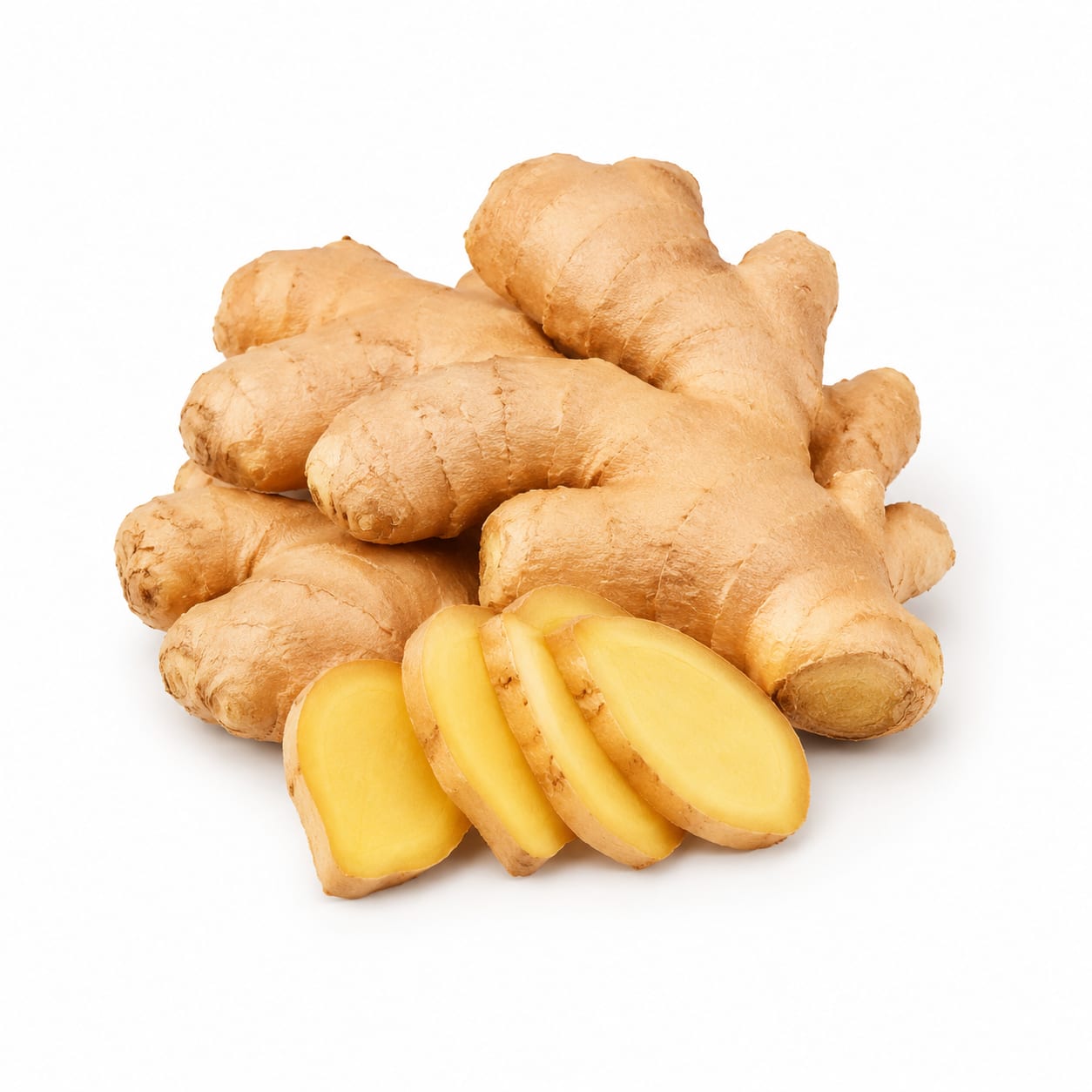
Ginger
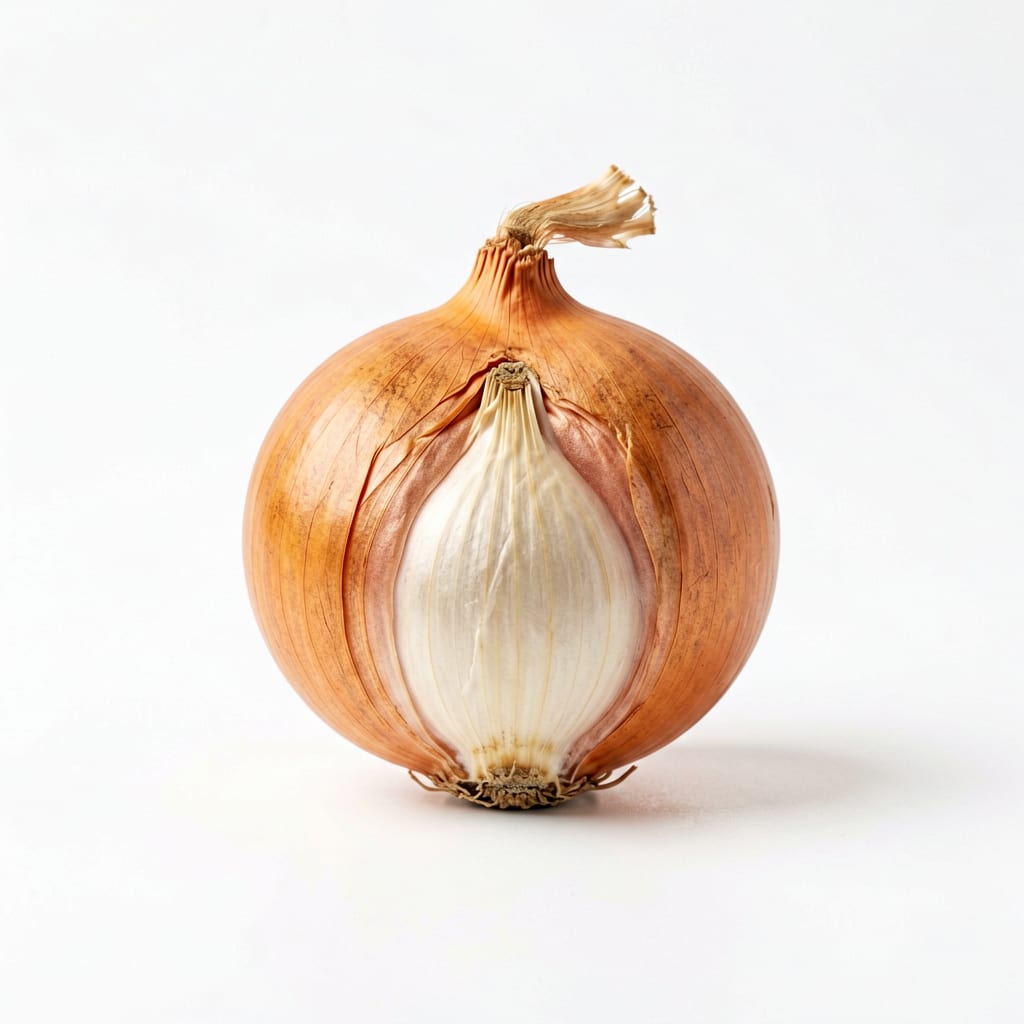
Onion
Ginger and Onion serve completely different roles: Ginger is a potent medicinal spice used in small doses, while Onion is a dietary staple eaten in meaningful quantities that delivers broader nutritional value.
Onion scores slightly higher because it is consumed in quantities that deliver meaningful nutrition, while Ginger's potent compounds come in tiny serving sizes that limit total nutritional impact. However, Ginger wins for targeted therapeutic effects.
Ginger delivers stronger targeted therapeutic effects per gram but is eaten in tiny amounts, whereas Onion provides wider nutritional benefits because you actually eat enough of it to matter.
At a glance
Executive summary
Overall
It depends
Healthier
It depends
More practical
Onion
Daily use
Onion
Key comparison lenses
Anti-inflammatory and medicinal benefits
Ginger is renowned for potent anti-inflammatory compounds while Onion offers quercetin, making this the primary decision driver for most users
Digestive comfort and tolerance
Ginger soothes nausea and digestion while Onion can trigger IBS symptoms, creating a stark contrast in digestive outcomes
Culinary role and practical daily use
Onion is a foundational cooking staple eaten in large quantities while Ginger is used in small amounts as a flavoring or remedy
Immune support and illness recovery
Both are traditional immune boosters but through different pathways, and users often choose between them during cold season
Heart health and circulation
Ginger supports blood flow and may lower blood pressure while Onion provides cardiovascular benefits through different mechanisms
Best choice for
Ginger
- Nausea and motion sickness relief
- Anti-inflammatory therapeutic use
- Post-workout recovery support
- Cold and sore throat soothing
- Digestive discomfort and bloating
Onion
- Daily cooking and meal prep foundation
- Heart-healthy dietary patterns
- Gut microbiome support via prebiotics
- Blood sugar management at mealtime
- Affordable everyday nutrition
Least suitable for
Ginger
- People on blood thinners without medical guidance
- Those needing substantial caloric or nutritional intake
- Anyone sensitive to spicy or warming foods
- People who dislike strong pungent flavors
Onion
- People with IBS or FODMAP sensitivity
- Those with onion allergies or intolerances
- Anyone prone to acid reflux triggered by alliums
- People who find onion flavor overpowering
Deep comparison
Dimension by dimension
Each lens scores both foods and breaks down who each option suits.
- Dimension 1 · Priority 95Ginger
Anti-inflammatory Power
Ginger · 91Onion · 72Ginger contains gingerols and shogaols that are among the most potent natural anti-inflammatory compounds available in food.
Tradeoff
Ginger is far stronger per gram, but you consume so little that Onion's quercetin may accumulate more meaningfully with regular daily intake.
Why it matters
Chronic inflammation drives joint pain, fatigue, and disease progression. Stronger anti-inflammatory effects can translate to noticeable comfort differences.
Real-world impact
A cup of ginger tea can noticeably reduce soreness after intense exercise, while Onion's effect builds quietly over weeks of regular consumption.
Ginger
- Acute inflammation flare-ups
- Post-exercise muscle recovery
- Arthritis and joint discomfort
Better for
- Situations requiring large anti-inflammatory doses from food volume alone
Worse for
Onion
- Long-term low-grade inflammation through daily dietary patterns
- Sustained antioxidant intake from consistent meal inclusion
Better for
- Quick relief from acute inflammatory episodes
Worse for
- Dimension 2 · Priority 88Ginger
Digestive Comfort
Ginger · 89Onion · 48Ginger is one of the best natural remedies for nausea and digestive upset, while Onion is a common IBS trigger that causes bloating in sensitive people.
Tradeoff
Ginger actively soothes the stomach, but Onion can cause significant gas, bloating, and discomfort for those with FODMAP sensitivity.
Why it matters
Digestive comfort affects daily quality of life, energy levels, and whether you feel good after eating.
Real-world impact
Ginger tea after a heavy meal feels settling and calming. A large onion-heavy meal can leave you bloated and uncomfortable for hours if you are sensitive.
Ginger
- Nausea from pregnancy, motion sickness, or illness
- Post-meal bloating and indigestion
- Sensitive stomachs that react to spicy or heavy foods
Better for
- Rare cases where concentrated ginger causes heartburn in prone individuals
Worse for
Onion
- Healthy guts that tolerate prebiotic fiber well and benefit from microbiome feeding
Better for
- IBS sufferers who experience painful bloating
- People on low-FODMAP diets during elimination phases
Worse for
- Dimension 3 · Priority 82Onion
Nutritional Volume and Daily Contribution
Ginger · 38Onion · 79Onion is eaten in quantities large enough to deliver real fiber, vitamins, and minerals, while Ginger is used in amounts too small to contribute meaningful macronutrients.
Tradeoff
You can eat half an Onion and get measurable fiber, vitamin C, and potassium. A typical Ginger serving provides almost zero calories or nutrients beyond its bioactive compounds.
Why it matters
Daily nutrition comes from foods you eat in volume. Therapeutic spices supplement but do not replace nutrient-dense staples.
Real-world impact
A serving of cooked Onion in a stir-fry contributes real fiber toward your daily goal. Ginger adds flavor and health compounds but does not move the needle on any nutritional target.
Ginger
- Situations where concentrated bioactive compounds matter more than bulk nutrition
Better for
- Anyone relying on Ginger for substantial caloric or nutritional intake
Worse for
Onion
- Meeting daily fiber needs affordably
- Contributing meaningful micronutrients through regular meals
- Building a nutritionally complete dietary pattern
Better for
- Situations where potent bioactive compounds in small doses are preferred over bulk nutrition
Worse for
- Dimension 4 · Priority 78It depends
Immune Support
Ginger · 80Onion · 77Ginger provides stronger antimicrobial and warming immune stimulation, while Onion offers steady antioxidant and prebiotic immune foundation support.
Tradeoff
Ginger feels more effective when illness is starting, while Onion strengthens immune resilience gradually through gut health and daily antioxidant intake.
Why it matters
Immune support has two phases: acute response when you feel something coming on, and long-term resilience built through consistent daily habits.
Real-world impact
At the first sign of a sore throat, ginger tea feels like it is actively fighting the illness. Onion in daily meals quietly supports the gut-immune connection that keeps you from getting sick as often.
Ginger
- Early stages of a cold or sore throat
- Active immune threats when you feel run down
- Warming comfort during illness recovery
Better for
- Building baseline immune strength through dietary nutrition alone
Worse for
Onion
- Long-term immune resilience through gut microbiome support
- Consistent daily antioxidant intake from regular cooking
Better for
- Acute immune challenges needing immediate potent support
Worse for
- Dimension 5 · Priority 72It depends
Heart Health and Circulation
Ginger · 76Onion · 78Ginger promotes blood flow and may help lower blood pressure, while Onion provides cardiovascular protection through quercetin and blood-thinning compounds.
Tradeoff
Ginger's circulation-boosting effect is more immediately noticeable, while Onion's heart benefits accumulate more substantially through regular consumption in meaningful quantities.
Why it matters
Cardiovascular disease develops over decades. Both foods offer protection through different but complementary pathways.
Real-world impact
Ginger may help with cold hands and feet by improving circulation. Daily Onion consumption is associated with lower heart disease risk in population studies.
Ginger
- Poor circulation and cold extremities
- Blood pressure support as a complementary approach
Better for
- People on blood thinners who must avoid additive circulation effects
Worse for
Onion
- Long-term cardiovascular disease risk reduction
- Cholesterol management through daily dietary patterns
Better for
- Those already on blood-thinning medications who need to monitor additional blood-thinning foods
Worse for
- Dimension 6 · Priority 75Onion
Culinary Versatility and Meal Integration
Ginger · 62Onion · 90Onion is arguably the most essential aromatic in global cuisine, forming the flavor base of countless dishes. Ginger is versatile but more niche and regional.
Tradeoff
Onion disappears into almost any savory dish as a foundational flavor builder. Ginger demands more intentionality and pairs best with specific cuisines like Asian, Indian, and Caribbean cooking.
Why it matters
The foods you can cook with daily are the foods that actually improve your health long-term. Versatility drives consistency.
Real-world impact
Onion goes into soups, stews, sauces, salads, and stir-fries without anyone questioning it. Ginger requires thinking about whether it fits the dish.
Ginger
- Asian and Indian cuisine enthusiasts
- Tea and beverage-based consumption
- Baking and dessert applications like gingerbread
Better for
- Cuisines and dishes where ginger flavor feels out of place
Worse for
Onion
- Almost all savory cooking traditions worldwide
- Meal prep foundations that make healthy eating easier
- Budget-friendly flavor building without specialty ingredients
Better for
- Sweet applications and beverages where onion is inappropriate
Worse for
Timeline
Health impact over time
Short-term
Hours to days
Ginger
- Noticeable reduction in nausea within 20-30 minutes
- Warming sensation that can soothe sore throats
- Possible mild heartburn at higher doses
- Quick anti-inflammatory relief for acute discomfort
Onion
- Immediate flavor enhancement making healthy meals more enjoyable
- Possible bloating or gas within 1-2 hours for sensitive individuals
- Blood sugar stabilization when eaten with carbohydrate-rich meals
- Mild blood pressure lowering effect within hours of consumption
Long-term
Months to years
Ginger
- Reduced chronic inflammation markers with regular consumption
- Improved digestive comfort and reduced nausea susceptibility
- Potential blood pressure reduction over months
- Possible interaction with blood-thinning medications requiring monitoring
Onion
- Stronger gut microbiome diversity from consistent prebiotic fiber intake
- Lower cardiovascular disease risk with regular consumption
- Improved blood sugar regulation over weeks and months
- Potential for persistent digestive discomfort in IBS sufferers if consumed regularly
Risk profile
Safety & processing
Both Ginger and Onion are whole, natural foods typically consumed with minimal processing. Fresh ginger root and fresh onion bulbs are about as unprocessed as food gets. Dried ginger powder is slightly more processed but still a single-ingredient product.
Ginger
Blood thinner interaction
mediumGinger has mild blood-thinning properties that can amplify the effect of anticoagulant medications like warfarin, increasing bleeding risk.
Heartburn at high doses
lowConcentrated ginger supplements or very large amounts of fresh ginger can worsen acid reflux in susceptible individuals.
Pesticide residue on imported ginger
lowSome imported ginger has shown pesticide residues. Choosing organic or thoroughly peeling and washing reduces this concern significantly.
Onion
FODMAP intolerance and IBS triggers
mediumOnions are high in fructans, a type of FODMAP carbohydrate that causes significant bloating, gas, and pain in sensitive individuals.
Allergic contact dermatitis
lowSome people develop skin irritation from handling raw onions, though true onion allergy is rare.
Pesticide residue on conventional onions
lowOnions grown conventionally can carry pesticide residues, though they typically rank moderate on contamination lists. The outer layers that absorb most residue are usually discarded.
Who wins for whom
Audience fit
Same foods, different winners depending on your goal.
children
OnionOnion is a gentle, familiar flavor in family meals that children encounter early. Ginger's spiciness can be off-putting for young palates, though small amounts in baked goods are usually well-tolerated.
daily consumption
OnionOnion integrates effortlessly into daily cooking across meal types and cuisines. Ginger requires more intentional use and its strong flavor limits how much you can realistically consume each day.
diabetes
It dependsGinger may improve insulin sensitivity acutely, while Onion provides fiber that slows glucose absorption at mealtime. Both help through different mechanisms, making them complementary rather than competitive.
elderly
GingerGinger's anti-inflammatory and digestive-soothing properties address common elderly concerns like joint stiffness, reduced appetite, and medication-related nausea. Onion's FODMAP content can worsen age-related digestive sensitivity.
muscle gain
OnionNeither food directly builds muscle, but Onion is more likely to be eaten in quantities that support overall meal quality and dietary adherence during training phases.
weight loss
OnionOnion adds substantial flavor and fiber to meals with very few calories, making healthy eating more satisfying and sustainable. Ginger helps mildly with metabolism but is consumed in amounts too small to significantly impact weight loss.
Your move
Decision guide
Choose Ginger
- You struggle with nausea, motion sickness, or morning sickness
- Joint inflammation or muscle soreness is a daily concern
- You want a warming, soothing remedy for cold symptoms
- Your digestion needs calming rather than stimulating
- You enjoy Asian, Indian, or Caribbean cooking regularly
Choose Onion
- You want a versatile flavor base that makes healthy cooking easier
- Gut health and prebiotic fiber are priorities for you
- You are building heart-healthy dietary habits long-term
- You need affordable, accessible nutrition that fits any meal
- You have no FODMAP sensitivity and tolerate onion well
Either works if
- You want anti-inflammatory benefits and enjoy both flavors
- You are looking to add more whole, natural foods to your diet
- Immune support during cold season is your goal
- You cook at home regularly and can use both in different dishes
Avoid both if
- You are on blood-thinning medications without medical guidance for dietary interactions
- You have severe IBS that reacts to both FODMAPs and spicy foods
- You have known allergies to either food
Final recommendation
Use both. They are complementary, not competing. Cook with Onion daily as your meal foundation and add Ginger strategically for its therapeutic effects. This combination gives you the broad nutritional base of Onion plus the targeted anti-inflammatory and digestive benefits of Ginger. If you must choose one for daily use, Onion delivers more total nutritional value because you actually eat enough of it to matter. If you need targeted relief from nausea, inflammation, or cold symptoms, Ginger is the clear winner.
Practical
Consumer tips
- 1
Add grated fresh ginger to hot water with lemon for a simple anti-inflammatory tea that works better than most supplements
- 2
Cook onions low and slow to develop sweetness and reduce the sharpness that bothers sensitive stomachs
- 3
Keep both frozen: grated ginger freezes well in ice cube trays, and diced onion freezes perfectly for quick cooking
- 4
If onion causes bloating, try cooking it thoroughly which breaks down some fructans, or use the green parts of spring onions which are lower in FODMAPs
- 5
Peel ginger with a spoon instead of a knife to avoid wasting the flesh beneath the skin
- 6
Start with small amounts of ginger if you have acid reflux and increase gradually to test your tolerance
- 7
Combine both in stir-fries, soups, and curries for layered flavor and complementary health benefits