
Nutrition comparison
Ginger vs Cinnamon: Which Spice Is Better for Your Health Goals?
Compare ginger and cinnamon for inflammation, blood sugar, digestion, and safety. Learn why cinnamon's coumarin risk matters and which spice fits your health needs.
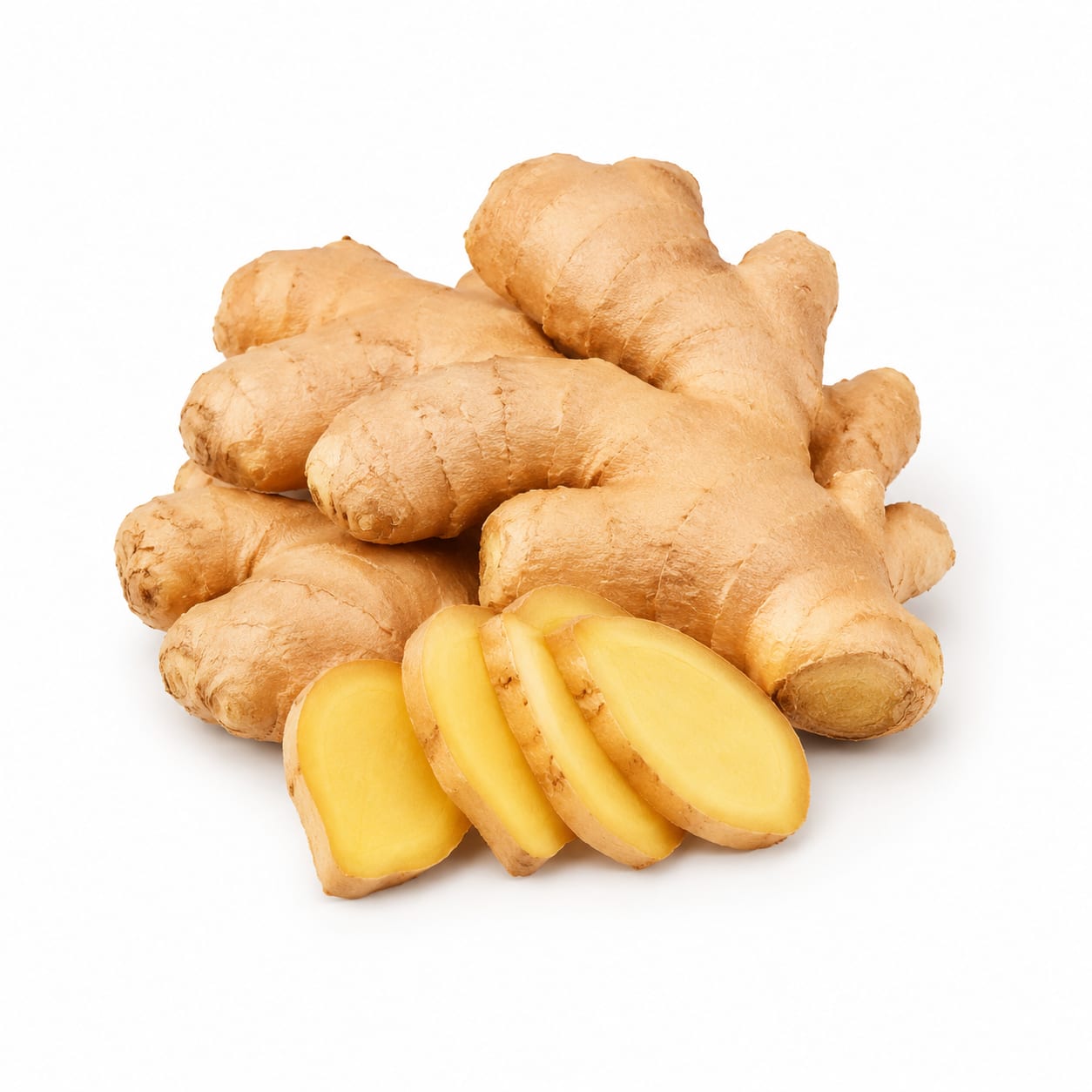
Ginger
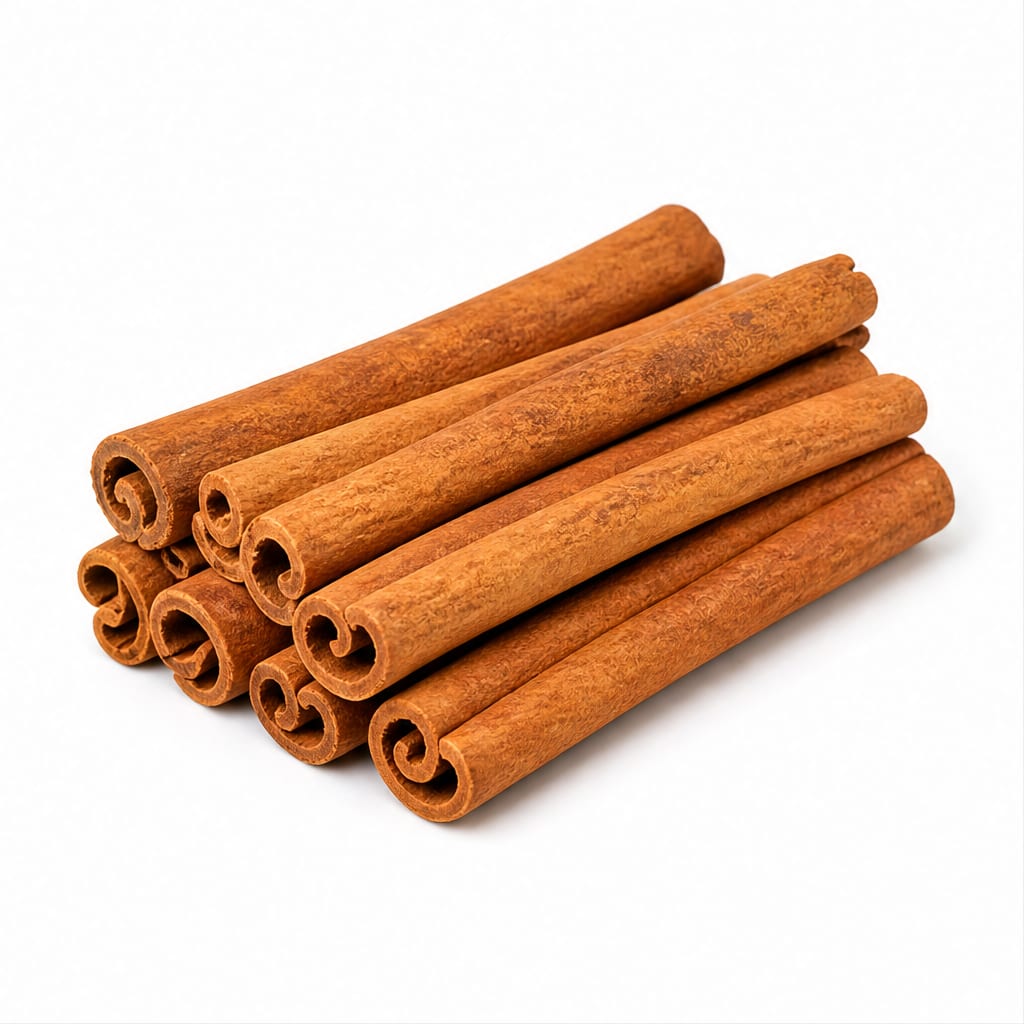
Cinnamon
Ginger wins for digestion and acute inflammation; cinnamon wins for blood sugar and daily metabolic support. The right choice depends on your primary health goal.
Ginger scores slightly higher due to stronger safety profile for unrestricted daily use and broader therapeutic evidence for digestion. Cinnamon matches or exceeds ginger for metabolic benefits but loses ground on coumarin-related liver risk with common cassia varieties.
Cinnamon offers stronger blood sugar benefits but carries a hidden liver safety concern at typical doses, while ginger is safer for liberal daily use but less impactful on glucose metabolism.
At a glance
Executive summary
Overall
It depends
Healthier
It depends
More practical
Cinnamon
Daily use
Ginger
Key comparison lenses
anti inflammatory and pain relief
Both are top natural anti-inflammatories, but ginger targets acute inflammation and muscle pain while cinnamon focuses on systemic low-grade inflammation
blood sugar management
Cinnamon is one of the most evidence-backed spices for blood sugar control, making this a key differentiator
digestive comfort and nausea
Ginger is the gold standard spice for nausea and digestion, an area where cinnamon offers little benefit
daily safety and dosing concerns
Cassia cinnamon contains coumarin which poses liver risk at common doses, a critical safety distinction many consumers miss
antioxidant capacity
Both rank among the highest antioxidant spices, but their antioxidant profiles differ significantly
Best choice for
Ginger
- Nausea and morning sickness relief
- Post-workout muscle recovery
- Digestive discomfort and bloating
- Motion sickness
- Safe daily anti-inflammatory use without dose limits
Cinnamon
- Blood sugar management and insulin sensitivity
- Metabolic syndrome support
- Adding sweetness without sugar
- Polycystic ovary syndrome (PCOS) management
- Warming comfort in cold weather drinks
Least suitable for
Ginger
- People on blood thinners like warfarin
- Those seeking blood sugar improvements
- Anyone who dislikes spicy or pungent flavors
- Late evening consumption (may cause heartburn)
Cinnamon
- People with liver conditions due to coumarin risk
- Those prone to mouth sores from concentrated spice
- Anyone using cassia cinnamon liberally daily
- Pregnant women at high therapeutic doses
Deep comparison
Dimension by dimension
Each lens scores both foods and breaks down who each option suits.
- Dimension 1 · Priority 92Ginger
anti_inflammatory_power
Ginger · 85Cinnamon · 78Ginger is more effective for acute inflammation and muscle soreness, while cinnamon better addresses chronic low-grade metabolic inflammation.
Tradeoff
Ginger acts more like a natural ibuprofen for active inflammation; cinnamon works more subtly on systemic inflammatory markers over time.
Why it matters
If you have joint pain, post-exercise soreness, or arthritis flares, ginger delivers more noticeable relief sooner.
Real-world impact
A ginger supplement after intense exercise reduces muscle soreness by roughly 20-25% the next day. Cinnamon takes weeks of daily use to shift inflammatory markers measurably.
Ginger
- Arthritis and joint pain
- Post-workout recovery
- Menstrual cramp relief
- Acute injury swelling
Better for
- Silent metabolic inflammation
- Blood sugar-driven inflammatory cascades
Worse for
Cinnamon
- Chronic systemic inflammation
- Metabolic syndrome-related inflammation
- Age-related inflammatory markers
- Long-term cardiovascular inflammation
Better for
- Immediate pain relief needs
- Acute muscle soreness
Worse for
- Dimension 2 · Priority 88Cinnamon
blood_sugar_regulation
Ginger · 45Cinnamon · 88Cinnamon is one of the best-studied spices for improving insulin sensitivity and lowering fasting blood sugar. Ginger has minimal direct effect on glucose.
Tradeoff
Cinnamon meaningfully improves glucose metabolism with consistent daily use, while ginger barely moves the needle on blood sugar despite its other strengths.
Why it matters
For prediabetics, insulin-resistant individuals, or anyone fighting afternoon energy crashes, cinnamon is the clearly superior spice.
Real-world impact
Half a teaspoon of cinnamon daily with meals can lower fasting blood sugar by 10-20 mg/dL over several weeks. Ginger at equivalent doses shows no meaningful glucose effect.
Ginger
- Blood sugar management
- Insulin sensitivity improvement
Worse for
Cinnamon
- Prediabetes and type 2 diabetes support
- Post-meal blood sugar spikes
- Insulin resistance patterns
- PCOS with insulin resistance
- Afternoon energy crashes from glucose dips
Better for
- Dimension 3 · Priority 85Ginger
digestive_comfort
Ginger · 93Cinnamon · 35Ginger is the most evidence-backed natural remedy for nausea, indigestion, and stomach upset. Cinnamon offers little for digestive comfort.
Tradeoff
Ginger directly calms the stomach and speeds gastric emptying, while cinnamon can actually irritate the stomach lining at higher doses.
Why it matters
If you struggle with nausea, motion sickness, morning sickness, or post-meal bloating, ginger is one of the most reliable natural options available.
Real-world impact
Ginger tea or chews can reduce nausea severity by 40-60% within 30 minutes. Cinnamon provides no comparable digestive relief.
Ginger
- Morning sickness during pregnancy
- Motion sickness and travel nausea
- Post-meal bloating and heaviness
- Chemotherapy-induced nausea
- General indigestion
Better for
Cinnamon
- Nausea of any kind
- Stomach upset and indigestion
- Gastric emptying issues
Worse for
- Dimension 4 · Priority 82Ginger
safety_and_dosing_concerns
Ginger · 88Cinnamon · 55Ginger has a wide safety margin for daily culinary use. Common cassia cinnamon contains coumarin, which can stress the liver at doses as low as 1.5 teaspoons daily.
Tradeoff
You can use ginger liberally without worrying about organ toxicity. With cinnamon, variety selection and dose awareness are genuinely important for safety.
Why it matters
Many people casually add large amounts of cinnamon to daily smoothies, oatmeal, and coffee, unknowingly exceeding safe coumarin limits.
Real-world impact
Just 1.5 teaspoons of cassia cinnamon daily can exceed the tolerable coumarin intake for adults, potentially causing elevated liver enzymes. Ceylon cinnamon is far safer but costs 3-4 times more.
Ginger
- Liberal daily use without dose tracking
- Families with children
- People with any liver concerns
- Long-term unmonitored supplementation
Better for
- People on blood-thinning medications
Worse for
Cinnamon
- Those who specifically buy Ceylon cinnamon
- Very small culinary doses under half a teaspoon
Better for
- Anyone with liver conditions
- Daily users of cassia cinnamon at culinary doses
- Children due to lower coumarin tolerance
- Pregnant women at therapeutic doses
Worse for
- Dimension 5 · Priority 75Cinnamon
antioxidant_density
Ginger · 76Cinnamon · 84Both are antioxidant powerhouses, but cinnamon ranks higher on standard antioxidant capacity measures like ORAC scores.
Tradeoff
Cinnamon delivers more total antioxidant capacity per gram, but ginger provides a broader range of unique bioactive compounds like gingerols and shogaols.
Why it matters
Antioxidant density matters for cellular protection and aging, though both spices contribute meaningfully to daily antioxidant intake.
Real-world impact
A quarter teaspoon of cinnamon provides antioxidant capacity comparable to a half cup of blueberries. Ginger is slightly lower per gram but still outperforms most other spices.
Ginger
- Unique gingerol compounds with specific anti-cancer research
- Broader bioactive diversity
Better for
- Lower total ORAC score
Worse for
Cinnamon
- Higher total antioxidant capacity per serving
- Proanthocyanidins with strong cellular protection
- Concentrated polyphenol delivery in tiny doses
Better for
- Dimension 6 · Priority 70Cinnamon
culinary_versatility_and_enjoyment
Ginger · 68Cinnamon · 80Cinnamon is easier to add to a wider range of foods and drinks without clashing, while ginger's pungent heat limits its use in some contexts.
Tradeoff
Cinnamon naturally enhances sweet and savory dishes alike and makes healthy foods more enjoyable. Ginger excels in specific cuisines but can overpower delicate flavors.
Why it matters
The best health spice is the one you actually use consistently. Cinnamon's pleasant warmth makes daily compliance effortless for most people.
Real-world impact
Cinnamon disappears into coffee, oatmeal, smoothies, and baked goods seamlessly. Ginger requires more intentionality and pairs best with Asian-inspired dishes, teas, and specific marinades.
Ginger
- Savory Asian and Indian dishes
- Stir-fries and curries
- Fresh-pressed juices and shots
- Warming winter teas
Better for
- Delicate flavor profiles
- Cold beverages and smoothies (texture issues)
- Baked goods except specific recipes
Worse for
Cinnamon
- Morning coffee and oatmeal
- Smoothies and protein shakes
- Baking and dessert recipes
- Sweet potato and squash dishes
- Making healthy food more appealing without sugar
Better for
- Savory dishes in most Western cuisines
- Anything requiring a fresh bright note
Worse for
Timeline
Health impact over time
Short-term
Hours to days
Ginger
- Noticeable nausea reduction within 20-30 minutes
- Mild warming sensation and improved circulation
- Possible mild heartburn at higher doses on empty stomach
- Reduced bloating after heavy meals
Cinnamon
- Subtle blood sugar dampening after carbohydrate-rich meals
- Warming comfort and appetite satisfaction
- Possible mouth irritation from concentrated cinnamon oil
- Sweet flavor perception reducing sugar cravings
Long-term
Months to years
Ginger
- Consistent reduction in inflammatory markers with daily use
- Improved gastric emptying speed over weeks
- Potential mild blood thinning effect requiring medication awareness
- Better joint mobility and reduced stiffness with regular consumption
Cinnamon
- Improved fasting blood sugar and HbA1c over 8-12 weeks
- Potential liver enzyme elevation with cassia cinnamon over time
- Gradual improvement in insulin sensitivity
- Possible reduction in cholesterol markers
Risk profile
Safety & processing
Both ginger and cinnamon are typically sold as minimally processed dried powders or whole roots/bark. Fresh ginger is the least processed form, while ground cinnamon is simply dried and milled bark. Neither commonly contains artificial additives when purchased as pure spice.
Ginger
Blood thinner interaction
mediumGinger has mild anti-platelet effects that can compound with warfarin, aspirin, or other blood thinners. Consult a doctor before high-dose ginger if on anticoagulants.
Heartburn and reflux
lowLarge doses of ginger, especially on an empty stomach, can trigger heartburn in sensitive individuals. Culinary amounts rarely cause issues.
Cinnamon
Coumarin-induced liver toxicity
highCassia cinnamon, the most common and cheapest variety, contains 0.3-1% coumarin. Just 1.5 teaspoons daily can exceed the safe tolerable daily intake of 0.1 mg per kg body weight, risking elevated liver enzymes and potential hepatotoxicity.
Cassia mislabeling as Ceylon
mediumMost grocery store cinnamon is cassia sold simply as 'cinnamon.' Consumers may unknowingly consume high coumarin levels believing they are using the safer Ceylon variety.
Mouth and throat irritation
lowConcentrated cinnamon, especially the cinnamon challenge-style consumption, can cause burning, irritation, and even mouth ulcers.
Who wins for whom
Audience fit
Same foods, different winners depending on your goal.
children
GingerGinger is safer for children due to no coumarin risk, and is commonly used for childhood nausea or stomach aches. Children's lower body weight makes coumarin limits in cassia cinnamon easier to exceed.
daily consumption
GingerGinger can be used liberally every day without organ toxicity concerns. Daily cinnamon requires variety awareness and dose tracking to avoid coumarin accumulation, making it slightly less carefree for long-term use.
diabetes
CinnamonCinnamon has strong evidence for improving insulin sensitivity and lowering fasting blood glucose, making it one of the most useful spices for diabetes management when using Ceylon variety.
elderly
It dependsCinnamon better serves elderly individuals managing blood sugar and cardiovascular risk, but ginger better addresses arthritis pain and digestive slowdown. Choose based on primary concern, and use Ceylon cinnamon if selecting cinnamon.
muscle gain
GingerGinger's anti-inflammatory and muscle recovery benefits support more consistent training volume, which drives muscle growth more directly than cinnamon's metabolic effects.
weight loss
CinnamonCinnamon helps stabilize blood sugar and reduce cravings for sweets, making it easier to stick with a calorie deficit. Its natural sweetness also makes lower-calorie foods more satisfying.
Your move
Decision guide
Choose Ginger
- You struggle with nausea, motion sickness, or morning sickness
- You want a safe anti-inflammatory for daily use without dose limits
- You have joint pain, arthritis, or post-workout muscle soreness
- You experience bloating or slow digestion after meals
- You are on a budget and want maximum therapeutic safety
Choose Cinnamon
- You are managing blood sugar, insulin resistance, or prediabetes
- You want to reduce sugar cravings and make healthy foods taste sweeter
- You are willing to buy Ceylon cinnamon for safe daily use
- You have PCOS with insulin resistance as a primary concern
- You want an effortless addition to morning coffee or oatmeal
Either works if
- You want general antioxidant support and anti-inflammatory benefits
- You are building a spice-based wellness routine
- You enjoy both flavors and can rotate them across different meals
- You have no specific health condition and want general wellness support
Avoid both if
- You are on blood thinners and have not consulted your doctor
- You have liver disease and are considering cassia cinnamon
- You expect either spice to replace medical treatment for a serious condition
Final recommendation
Use both strategically: ginger for digestion and inflammation, Ceylon cinnamon for blood sugar and metabolic health. If you must pick one for unrestricted daily use, ginger is the safer all-rounder. If blood sugar management is your priority, invest in Ceylon cinnamon and use it consistently at half a teaspoon daily.
Practical
Consumer tips
- 1
Always buy Ceylon cinnamon for daily use. It contains 250 times less coumarin than cassia cinnamon and is worth the extra cost.
- 2
Ceylon cinnamon sticks are softer and have multiple thin layers you can crumble by hand. Cassia sticks are hard with a single thick rolled layer. This is the easiest way to identify what you have.
- 3
Fresh ginger root is more potent than dried powder for nausea and inflammation. Grate it into hot water for a simple effective tea.
- 4
If using cassia cinnamon, limit yourself to a quarter teaspoon daily or less to stay under coumarin safety limits.
- 5
Ginger tea before bed can cause heartburn in some people. Try it earlier in the day first to test your tolerance.
- 6
Add cinnamon to carbohydrate-containing meals for the best blood sugar benefit. It works by slowing carbohydrate breakdown, not by acting independently.
- 7
Freeze fresh ginger root in a bag. It grates more easily when frozen and lasts months without spoiling.
- 8
Both spices lose potency over time. Replace ground versions every 6 months for maximum therapeutic benefit.