
Nutrition comparison
Ginger vs Ginseng: Which Root Is Better for Energy, Digestion, and Daily Health?
Compare Ginger and Ginseng side by side. Discover which root is safer for daily use, better for digestion, stronger for energy, and worth the cost. Expert breakdown with real-world recommendations.
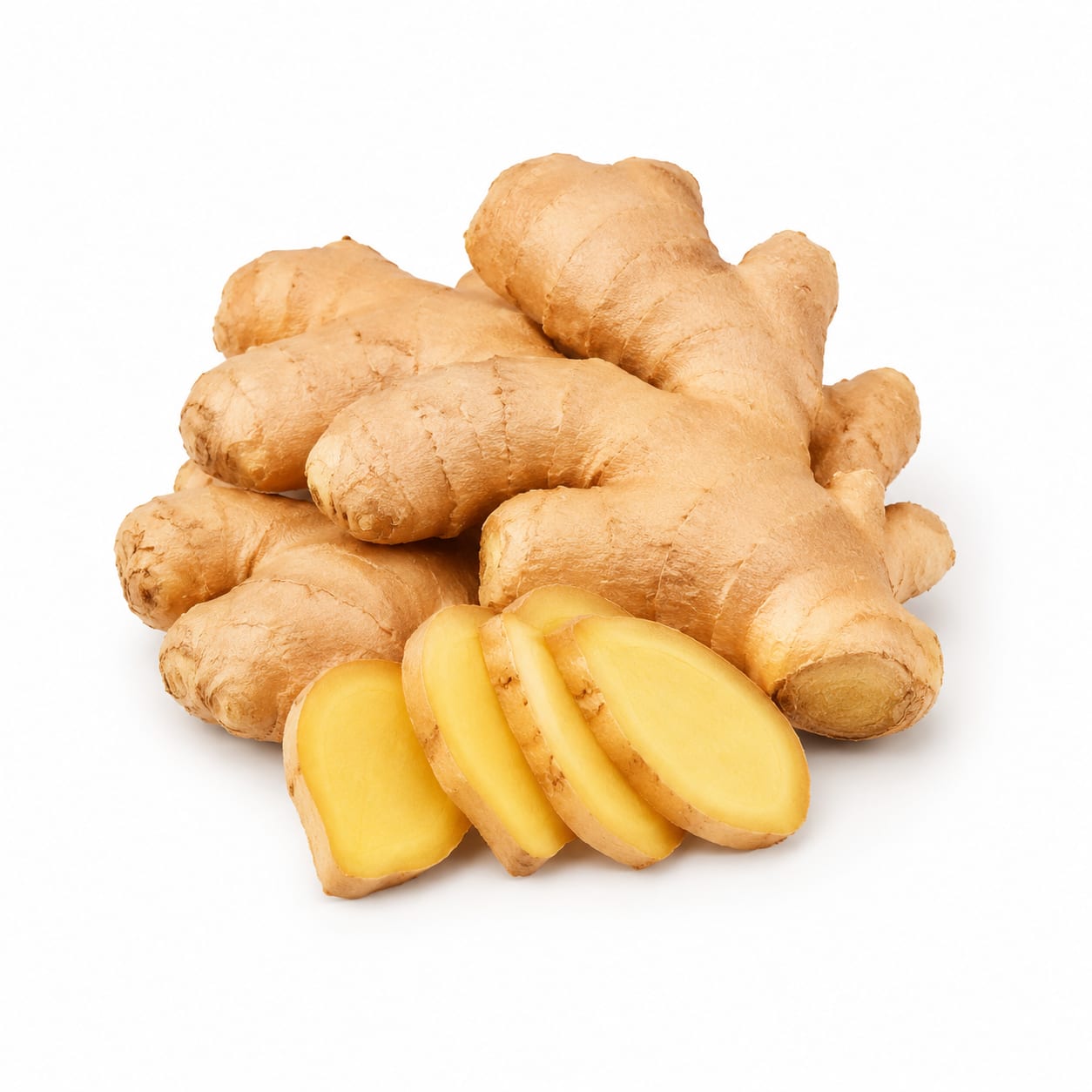
Ginger
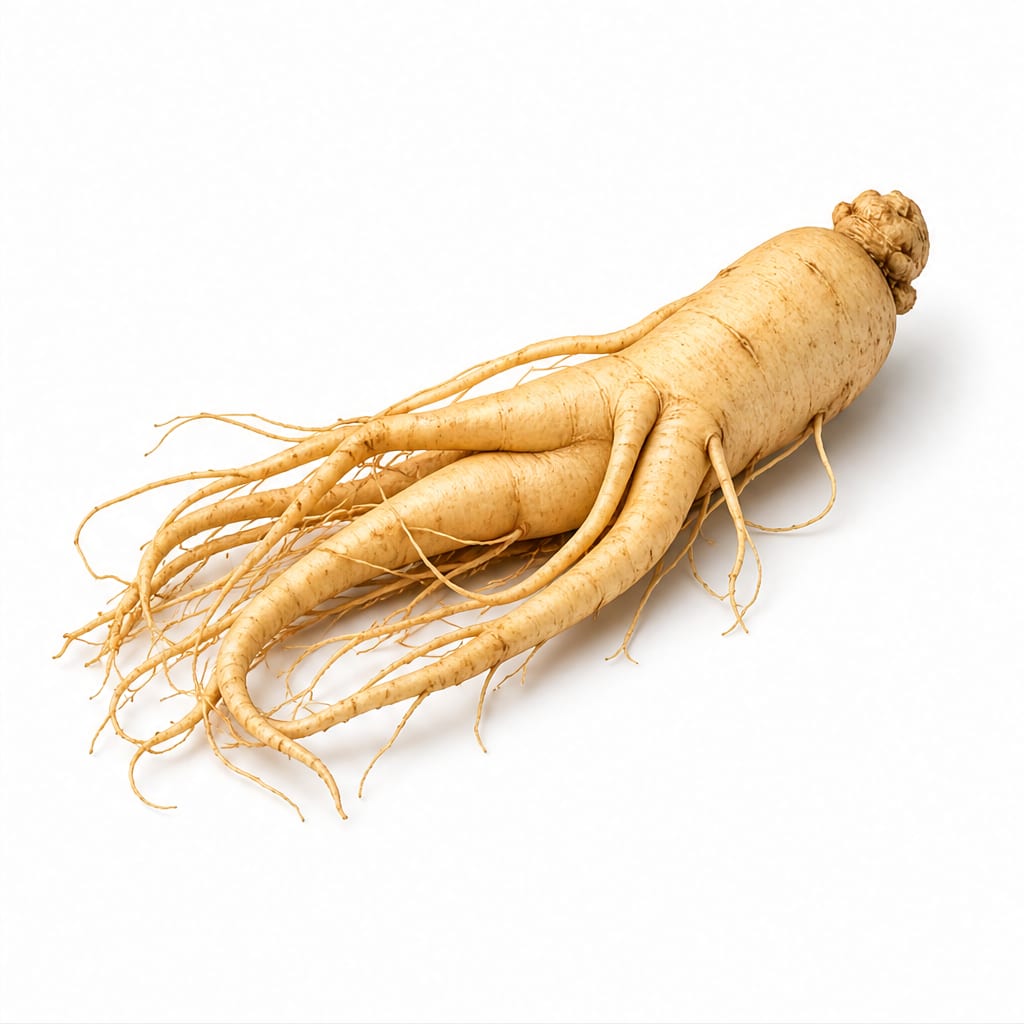
Ginseng
Ginger is the safer, cheaper daily ally for digestion and inflammation. Ginseng is the stronger but riskier choice for energy, focus, and stress adaptation.
Ginger scores higher overall due to superior safety, affordability, and daily usability. Ginseng is more potent for specific outcomes but carries heavier side effect risks and a much higher price tag that limits sustained use.
Everyday gentle support with Ginger versus potent targeted stimulation with Ginseng — but Ginseng demands more caution and costs significantly more.
At a glance
Executive summary
Overall
It depends
Healthier
Ginger
More practical
Ginger
Daily use
Ginger
Key comparison lenses
Daily wellness support vs targeted performance enhancement
Ginger is a kitchen staple for everyday health while Ginseng is a concentrated adaptogen for specific performance goals
Digestive comfort vs energy and stamina
These two roots diverge sharply: Ginger soothes the stomach while Ginseng stimulates the system
Safety for long-term daily use
Ginseng carries more side effects and drug interactions, making daily use riskier than Ginger
Anti-inflammatory vs adaptogenic benefits
Users often choose between reducing inflammation and building stress resilience
Cost and accessibility
Ginger is cheap and everywhere; quality Ginseng is expensive and harder to source reliably
Best choice for
Ginger
- People with nausea, motion sickness, or morning sickness
- Anyone seeking gentle daily anti-inflammatory support
- Those with sensitive digestion or IBS symptoms
- Budget-conscious users wanting culinary and medicinal value
- Pregnant women (in moderate amounts, for nausea relief)
Ginseng
- Adults fighting chronic fatigue or burnout
- Students or professionals needing sharper focus and stamina
- Older adults seeking cognitive support
- People under prolonged physical or mental stress
- Athletes looking for endurance and recovery support
Least suitable for
Ginger
- People seeking a noticeable energy or focus boost
- Those on blood-thinning medications in high doses
- Anyone wanting a concentrated adaptogenic effect
Ginseng
- People with high blood pressure or heart conditions
- Pregnant or breastfeeding women
- Children and adolescents
- Those on blood thinners, diabetes meds, or stimulants
- People prone to anxiety, insomnia, or agitation
Deep comparison
Dimension by dimension
Each lens scores both foods and breaks down who each option suits.
- Dimension 1 · Priority 95Ginger
Daily Usability and Convenience
Ginger · 92Ginseng · 45Ginger fits seamlessly into meals, teas, and smoothies. Ginseng requires careful dosing, cycling, and preparation.
Tradeoff
Ginseng's potency comes at the cost of convenience — you cannot casually sprinkle it into dinner like Ginger.
Why it matters
The best supplement is the one you actually use consistently. Ginger wins on sustainability.
Real-world impact
You can add Ginger to stir-fries, soups, and tea every day without thinking. Ginseng demands planning around doses, timing, and off-weeks.
Ginger
- Habitual daily wellness routines
- Cooking and meal integration
- Travel-friendly nausea relief
Better for
- Anyone wanting a noticeable stimulant kick
Worse for
Ginseng
- Structured supplement protocols
- Targeted performance periods like exam season
Better for
- Casual or unstructured use
- People who dislike strict supplement schedules
Worse for
- Dimension 2 · Priority 90Ginseng
Energy and Cognitive Performance
Ginger · 35Ginseng · 85Ginseng is a legitimate adaptogen that enhances alertness, focus, and stamina. Ginger provides minimal energy benefit.
Tradeoff
That energy boost from Ginseng can tip into jitteriness, insomnia, or heart palpitations if overused.
Why it matters
When you need to perform mentally or physically, Ginseng delivers. Ginger simply does not fill that role.
Real-world impact
A Ginseng supplement before a long workday can sharpen focus. Ginger tea will comfort your stomach but will not clear brain fog.
Ginger
- Gentle morning routines without stimulation
Better for
- Situations demanding mental sharpness or physical stamina
Worse for
Ginseng
- Fighting afternoon energy crashes
- Sustained focus during long study or work sessions
- Athletic endurance and recovery
Better for
- Evening use when sleep quality matters
- People already consuming caffeine or stimulants
Worse for
- Dimension 3 · Priority 88Ginger
Digestive Health
Ginger · 93Ginseng · 30Ginger is one of the most evidence-backed remedies for nausea, bloating, and indigestion. Ginseng can actually upset the stomach.
Tradeoff
If your primary concern is gut comfort, Ginger is the clear winner. Ginseng may cause stomach discomfort especially on an empty stomach.
Why it matters
Millions deal with daily digestive discomfort. Ginger addresses it directly; Ginseng does not.
Real-world impact
Sipping Ginger tea after a heavy meal brings real relief. Taking Ginseng on an empty stomach can cause nausea in some people.
Ginger
- Post-meal bloating and indigestion
- Morning sickness and motion sickness
- Post-surgery nausea recovery
Better for
- Situations where digestive relief is not the goal
Worse for
Ginseng
- Stress-related appetite loss
Better for
- Anyone with a sensitive stomach
- People prone to nausea or acid reflux
Worse for
- Dimension 4 · Priority 82Ginger
Anti-Inflammatory and Immune Support
Ginger · 82Ginseng · 70Ginger's gingerols are potent anti-inflammatories with strong daily-use evidence. Ginseng offers immune modulation but is less directly anti-inflammatory.
Tradeoff
Ginger works gently and cumulatively. Ginseng's immune effects are more complex and can overstimulate in some people.
Why it matters
Chronic inflammation underlies most modern disease. Consistent low-dose anti-inflammatory support matters more than occasional strong intervention.
Real-world impact
Daily Ginger in meals steadily reduces inflammatory markers. Ginseng may help during acute illness periods but is harder to sustain year-round.
Ginger
- Joint pain and arthritis management
- Daily anti-inflammatory maintenance
- Muscle soreness after exercise
Better for
- Acute immune challenges requiring stronger intervention
Worse for
Ginseng
- Immune support during high-stress periods
- Recovery from illness or surgery
Better for
- Autoimmune conditions where immune stimulation is risky
Worse for
- Dimension 5 · Priority 88Ginger
Safety and Side Effects
Ginger · 90Ginseng · 50Ginger is remarkably safe at culinary doses. Ginseng has a real side effect profile including insomnia, headaches, and drug interactions.
Tradeoff
Ginseng's therapeutic power comes with therapeutic risk. More people experience adverse effects from Ginseng than from Ginger.
Why it matters
A supplement that causes side effects gets abandoned. Safety determines long-term compliance.
Real-world impact
You can enjoy Ginger daily for years without issue. Ginseng requires cycling off periodically and monitoring for agitation, sleep disruption, or blood pressure changes.
Ginger
- Long-term daily use without monitoring
- Elderly users on multiple medications
- Pregnant women in moderate doses
Better for
- Very high supplemental doses may increase bleeding risk
Worse for
Ginseng
- Short-term targeted use under guidance
Better for
- People on blood thinners, diabetes drugs, or antidepressants
- Anyone with hypertension or heart rhythm issues
- Those prone to insomnia or anxiety
Worse for
- Dimension 6 · Priority 75Ginger
Cost and Accessibility
Ginger · 95Ginseng · 35Ginger costs pennies per serving and is available in every grocery store. Quality Ginseng is expensive and the market is riddled with adulteration.
Tradeoff
Cheap Ginger delivers consistent value. Expensive Ginseng may deliver more — or may be low-quality or mislabeled.
Why it matters
Cost determines whether a health habit survives. The best protocol is one you can afford indefinitely.
Real-world impact
A week of Ginger tea costs less than a single Ginseng supplement bottle. Sourcing authentic Panax Ginseng requires research and trusted suppliers.
Ginger
- Budget-conscious households
- People without access to specialty supplement stores
Better for
- Situations where cost is not a limiting factor
Worse for
Ginseng
- Those willing to invest in premium supplements for specific goals
Better for
- Anyone on a tight health budget
- People unfamiliar with supplement quality verification
Worse for
- Dimension 7 · Priority 78Ginseng
Stress Adaptation and Resilience
Ginger · 40Ginseng · 88Ginseng is a true adaptogen that helps the body manage stress hormones. Ginger has mild stress-relieving properties but is not adaptogenic.
Tradeoff
Ginseng's stress-buffering effect is powerful but can mask exhaustion if overused, leading to deeper burnout later.
Why it matters
Chronic stress is epidemic. An effective adaptogen is valuable — but must be used wisely, not as a bandage for unsustainable lifestyles.
Real-world impact
Ginseng during a brutal work month can help you push through. But if you rely on it instead of resting, you will crash harder eventually.
Ginger
- Mild stress relief through comforting rituals like tea
Better for
- Situations requiring measurable stress hormone modulation
Worse for
Ginseng
- Periods of unusually high physical or mental demand
- Recovery from adrenal fatigue under professional guidance
Better for
- Using it to avoid necessary rest and recovery
- People already in an overstimulated state
Worse for
Timeline
Health impact over time
Short-term
Hours to days
Ginger
- Quick relief from nausea and stomach upset within 20-30 minutes
- Mild warming sensation that can soothe cold symptoms
- Slight anti-inflammatory effect noticeable with sore muscles
- Very low risk of any acute adverse reaction at normal doses
Ginseng
- Noticeable increase in alertness and energy within 1-2 hours
- Possible improved focus and mental clarity
- Risk of jitteriness, headache, or upset stomach in sensitive people
- Can disrupt sleep if taken late in the day
Long-term
Months to years
Ginger
- Reduced chronic inflammation markers with consistent use
- Improved digestive comfort and reduced bloating patterns
- Potential cardiovascular benefits through blood pressure and cholesterol modulation
- Very low risk profile even with years of daily culinary use
Ginseng
- Enhanced stress resilience and fatigue resistance when cycled properly
- Possible immune system strengthening with regular but not excessive use
- Risk of overstimulation and adrenal strain if used continuously without breaks
- Potential drug interactions that become more complex over time with aging
Risk profile
Safety & processing
Both are natural roots in their whole form. However, Ginseng is far more commonly sold as processed supplements, extracts, and capsules where fillers, adulterants, and mislabeling are real industry problems. Fresh or dried Ginger is straightforward and rarely adulterated.
Ginger
Bleeding interaction with anticoagulants
mediumHigh supplemental doses of Ginger may increase bleeding risk with warfarin or aspirin. Culinary amounts are generally safe.
Heartburn in sensitive individuals
lowSome people experience reflux from Ginger, especially in large amounts or on an empty stomach.
Ginseng
Drug interactions
highGinseng interacts with blood thinners, diabetes medications, stimulants, and certain antidepressants. Always consult a doctor if on medication.
Overstimulation and insomnia
mediumGinseng can cause sleep disturbances, elevated heart rate, and agitation, especially at higher doses or when combined with caffeine.
Product adulteration
mediumThe Ginseng supplement market has documented issues with mislabeling, fillers, and substitution with cheaper species. Buy only from verified third-party tested brands.
Hormonal effects
mediumSome Ginseng varieties may influence estrogen activity. Avoid in hormone-sensitive conditions without medical guidance.
Who wins for whom
Audience fit
Same foods, different winners depending on your goal.
children
GingerGinger is safe for children in small amounts for nausea or colds. Ginseng is not recommended for children due to stimulant effects and hormonal activity.
daily consumption
GingerGinger can be consumed daily for years without cycling. Ginseng requires periodic breaks to avoid tolerance and side effects, making it unsuitable for unbroken daily use.
diabetes
GingerGinger improves insulin sensitivity with minimal risk. Ginseng also lowers blood sugar but creates dangerous hypoglycemia risk when combined with diabetes medications.
elderly
GingerGinger supports joint health and digestion without drug interaction concerns at culinary doses. Ginseng's cognitive benefits are tempting but its cardiovascular risks and drug interactions are problematic for older adults on multiple medications.
muscle gain
GinsengGinseng may improve exercise performance and recovery. Ginger helps with post-workout soreness but does not enhance training capacity.
weight loss
GingerGinger may slightly boost metabolism and reduces bloating, helping you feel lighter. Ginseng's energy boost could support activity but does not directly aid fat loss.
Your move
Decision guide
Choose Ginger
- You want a safe, affordable daily wellness habit you can maintain for years
- Digestive comfort, nausea relief, or anti-inflammatory support is your priority
- You are pregnant, on medications, or sensitive to stimulants
- You prefer getting health benefits through food rather than supplements
- Budget is a significant consideration
Choose Ginseng
- You need a measurable energy and focus boost for a demanding period
- Chronic fatigue or burnout is your primary struggle
- You are a healthy adult not on conflicting medications
- You are willing to invest in quality supplements and cycle usage properly
- Stress resilience and adaptogenic support is your main goal
Either works if
- You want immune support during cold and flu season
- You are generally healthy and looking for a natural wellness addition
- You are curious about traditional herbal medicine approaches
Avoid both if
- You are on blood thinners without medical supervision for herbal use
- You have a bleeding disorder
- You expect either to replace medical treatment for a serious condition
Final recommendation
Start with Ginger as your daily foundation — it is safer, cheaper, and easier to sustain. Add Ginseng strategically during periods when you need an extra edge in energy, focus, or stress management, but cycle off every few weeks and consult your doctor if you take any medications. Think of Ginger as your reliable daily multivitamin and Ginseng as your occasional performance booster.
Practical
Consumer tips
- 1
Buy fresh Ginger root and grate it into tea, stir-fries, and soups for the most cost-effective daily dose
- 2
For Ginger supplements, choose extracts standardized to gingerol content for consistent potency
- 3
If trying Ginseng, look for Panax (Asian) or American Ginseng from brands with third-party testing like USP or NSF
- 4
Cycle Ginseng use: 3 weeks on, 1-2 weeks off to prevent tolerance and side effects
- 5
Never take Ginseng after mid-afternoon to protect your sleep quality
- 6
Avoid Ginseng if you consume high caffeine — the combination can cause palpitations and anxiety
- 7
Steep fresh Ginger with lemon and honey as a comforting evening ritual that also aids digestion
- 8
Store dried Ginseng root in a cool dark place — heat and light degrade the active ginsenosides
- 9
If on any prescription medication, check with your pharmacist before starting Ginseng — interactions are common and sometimes dangerous