
Nutrition comparison
Ginger vs Turmeric: Which Anti-Inflammatory Root Is Better for You?
Compare ginger and turmeric for inflammation, digestion, joint pain, and brain health. Learn which root to use when, how to absorb turmeric properly, and why ginger wins for daily practicality.
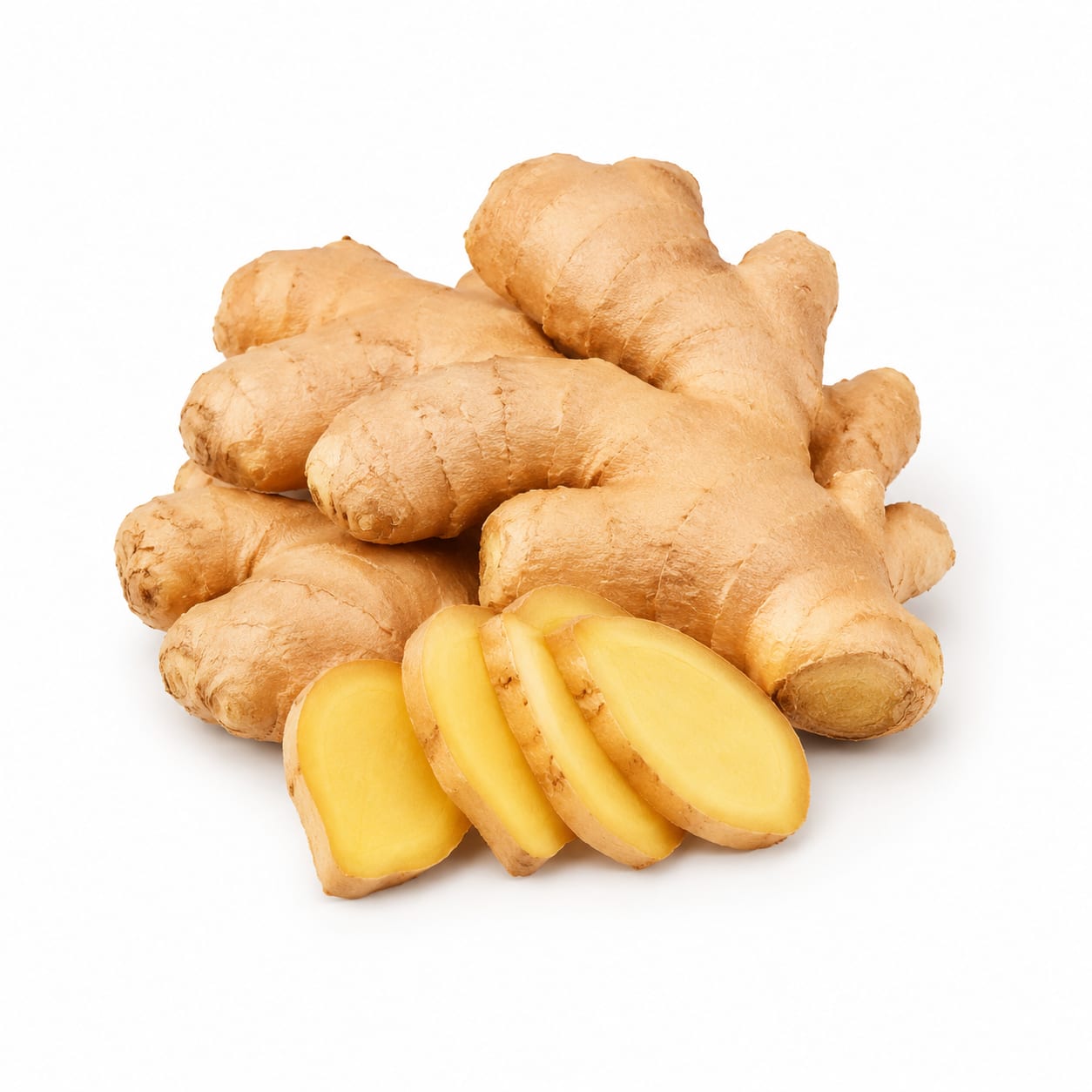
Ginger
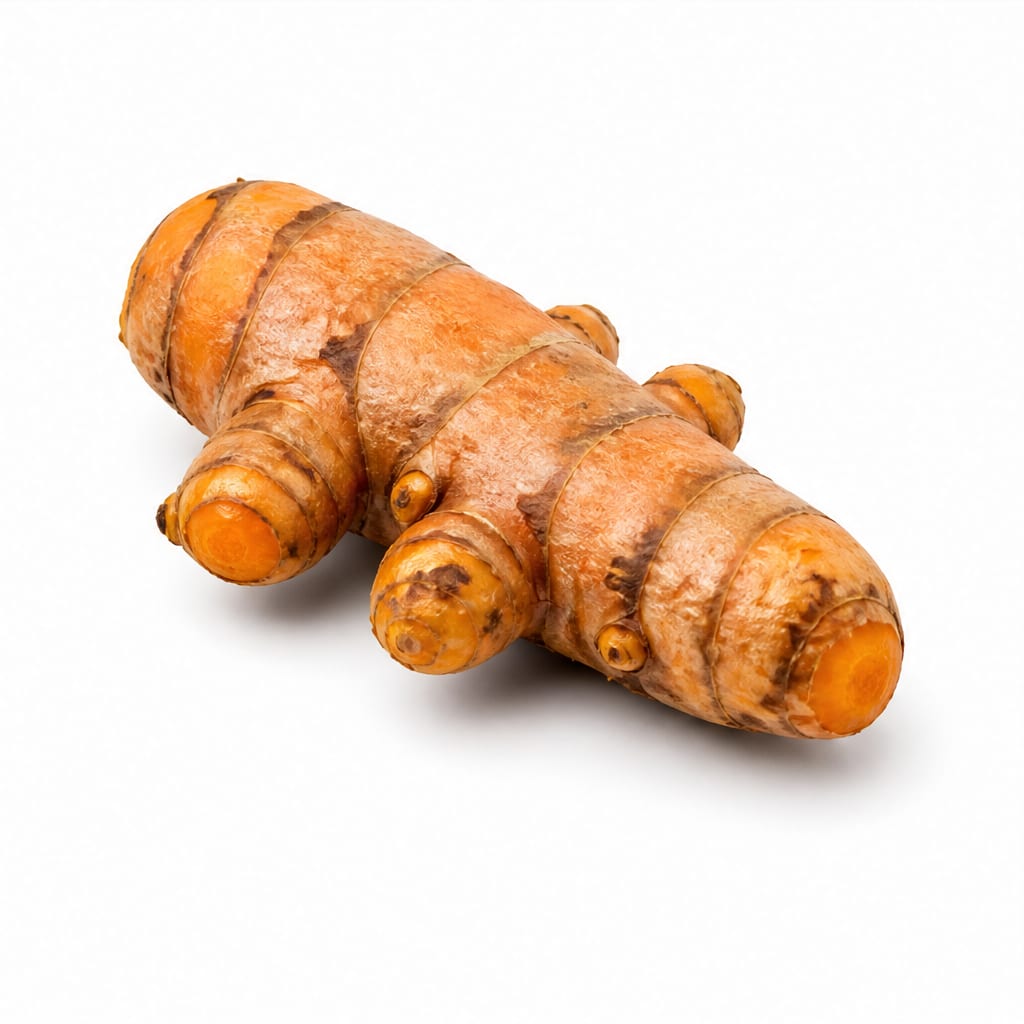
Turmeric
Ginger is your go-to for digestion and quick relief; turmeric wins for chronic inflammation and long-term joint health—but only if you absorb it correctly.
Ginger edges ahead on practicality and digestive benefits, but turmeric matches or exceeds it for chronic inflammation when properly absorbed. The close scores reflect that neither is universally better—context determines the winner.
Turmeric has stronger anti-inflammatory potential but needs black pepper and fat to work; ginger is easier to use and gentler on the stomach but less potent for chronic conditions.
At a glance
Executive summary
Overall
It depends
Healthier
It depends
More practical
Ginger
Daily use
Ginger
Key comparison lenses
anti-inflammatory potency and absorption
Both are prized for fighting inflammation, but turmeric's curcumin is harder to absorb while ginger's compounds work more readily
digestive comfort and nausea relief
Ginger is the gold standard for settling stomachs; turmeric can actually irritate sensitive digestion in some people
joint pain and arthritis management
Turmeric has stronger clinical backing for chronic joint inflammation, while ginger offers more immediate relief
daily supplementation practicality
Turmeric requires pairing with black pepper and fat for absorption; ginger works well on its own
blood sugar and metabolic support
Both help stabilize blood sugar, but ginger has slightly more direct evidence for glucose control
Best choice for
Ginger
- Nausea, motion sickness, or morning sickness
- Quick digestive relief after meals
- People who want simple supplementation without absorption hacks
- Soothing sore throats and cold symptoms
- Blood sugar management support
Turmeric
- Chronic joint pain and arthritis
- Long-term anti-inflammatory protocols
- Brain health and cognitive aging concerns
- Skin conditions driven by inflammation
- People willing to pair with black pepper and healthy fats
Least suitable for
Ginger
- People on blood thinners who need strict consistency
- Those with severe acid reflux triggered by spicy foods
- Anyone specifically targeting curcumin's neuroprotective benefits
Turmeric
- People with gallbladder issues or gallstones
- Those who take blood thinners without medical supervision
- Anyone unwilling to properly combine with black pepper and fat
- People with sensitive stomachs who find turmeric irritating
Deep comparison
Dimension by dimension
Each lens scores both foods and breaks down who each option suits.
- Dimension 1 · Priority 95Turmeric
anti-inflammatory power
Ginger · 72Turmeric · 90Turmeric's curcumin is one of nature's most potent anti-inflammatory compounds, but only when properly absorbed. Ginger's gingerols work more modestly but more reliably.
Tradeoff
Turmeric delivers stronger inflammation reduction if you pair it with black pepper and fat; ginger gives you dependable but milder effects with no extra steps.
Why it matters
Chronic inflammation drives joint pain, heart disease, and aging. Turmeric is the heavier hitter, but only if your body actually absorbs it.
Real-world impact
Someone with daily knee arthritis may notice more relief from turmeric taken correctly; someone with occasional aches might find ginger perfectly adequate.
Ginger
- Quick inflammatory flare-ups
- People who forget to take supplements with fat
- Sensitive stomachs that react to turmeric
Better for
- Severe chronic inflammation requiring maximum potency
- Situations where curcumin's broader therapeutic range is needed
Worse for
Turmeric
- Chronic inflammatory conditions
- Long-term joint health maintenance
- Post-surgical inflammation recovery
Better for
- Anyone not combining with piperine and fat
- Acute nausea or stomach upset where turmeric could worsen symptoms
Worse for
- Dimension 2 · Priority 90Ginger
digestive comfort
Ginger · 93Turmeric · 55Ginger is one of the best natural remedies for nausea, bloating, and upset stomach. Turmeric can actually irritate digestion in some people.
Tradeoff
Ginger soothes your stomach almost immediately; turmeric may help long-term gut inflammation but can cause discomfort in the short term.
Why it matters
If you're reaching for a root to feel better now, ginger delivers. Turmeric's gut benefits are real but slower and less comfortable.
Real-world impact
After a heavy meal or during travel sickness, ginger tea brings fast relief. Turmeric supplements on an empty stomach can cause burning or nausea.
Ginger
- Morning sickness during pregnancy
- Post-meal bloating and gas
- Motion sickness and travel
- Chemotherapy-related nausea
Better for
- Situations where stronger anti-inflammatory action is needed for the gut lining
Worse for
Turmeric
- Chronic gut inflammation like IBS
- Long-term microbiome support
Better for
- Active nausea or vomiting
- Acid reflux or GERD triggered by spices
- Gallbladder sensitivity
Worse for
- Dimension 3 · Priority 85Ginger
absorption and bioavailability
Ginger · 88Turmeric · 40Ginger's active compounds are readily absorbed by the body. Turmeric's curcumin is notoriously poorly absorbed without help.
Tradeoff
Ginger works as-is; turmeric requires black pepper (piperine) and dietary fat to reach meaningful blood levels.
Why it matters
The best compound in the world does nothing if your body can't absorb it. This is turmeric's biggest practical weakness.
Real-world impact
Sprinkling turmeric on food alone gives minimal benefit. You need to consciously pair it with pepper and oil—or buy enhanced supplements.
Ginger
- Simple daily use without planning
- Tea and hot water preparations
- Anyone who wants reliable effects from whole food
Better for
- Situations where maximum compound potency matters more than convenience
Worse for
Turmeric
- People using formulated supplements with piperine
- Curry dishes that naturally include fat and pepper
Better for
- Taking turmeric alone as tea or in water
- Using it without any fat source
- Relying on plain turmeric powder sprinkled on food
Worse for
- Dimension 4 · Priority 70Ginger
blood sugar and metabolic health
Ginger · 76Turmeric · 68Ginger has stronger evidence for improving insulin sensitivity and lowering fasting blood sugar. Turmeric helps indirectly through inflammation reduction.
Tradeoff
Ginger acts more directly on glucose metabolism; turmeric's metabolic benefits are a secondary effect of lowering inflammation.
Why it matters
For prediabetics or anyone monitoring blood sugar, ginger offers more targeted support.
Real-world impact
A cup of ginger tea after a carb-heavy meal may blunt the blood sugar spike more effectively than turmeric would.
Ginger
- Prediabetes and insulin resistance
- Post-meal blood sugar management
- PCOS-related metabolic issues
Better for
- Cases where inflammation is the primary metabolic driver
Worse for
Turmeric
- Metabolic syndrome driven by chronic inflammation
- Obesity-related inflammation
Better for
- Immediate blood sugar regulation needs
- Anyone seeking direct glucose control
Worse for
- Dimension 5 · Priority 75Turmeric
brain and cognitive health
Ginger · 60Turmeric · 82Turmeric's curcumin crosses the blood-brain barrier and has shown promise for neuroprotection. Ginger offers some cognitive benefits but less directly.
Tradeoff
Turmeric is the better long-term brain investment; ginger's cognitive benefits are real but less studied and less targeted.
Why it matters
For aging adults concerned about cognitive decline, turmeric has more compelling evidence as a protective agent.
Real-world impact
Regular turmeric consumption is associated with lower rates of Alzheimer's in populations that eat it daily with fat and pepper.
Ginger
- Acute mental fog from poor circulation
- Headache-related cognitive discomfort
Better for
- Sustained neuroprotective protocols
Worse for
Turmeric
- Long-term neuroprotection
- Age-related cognitive decline prevention
- Brain inflammation reduction
Better for
- Immediate mental clarity needs
Worse for
- Dimension 6 · Priority 65Ginger
taste and culinary versatility
Ginger · 82Turmeric · 65Ginger's bright, spicy-sweet flavor works in sweet and savory dishes, teas, and drinks. Turmeric is more polarizing with its earthy, slightly bitter taste.
Tradeoff
Ginger is easier to enjoy daily across more recipes; turmeric's flavor limits how much people naturally want to consume.
Why it matters
The best health food is the one you actually eat consistently. Ginger wins on palatability.
Real-world impact
Ginger tea, ginger stir-fry, ginger smoothies—most people enjoy it. Turmeric golden milk requires acquired taste or sweetening.
Ginger
- Teas and hot drinks
- Stir-fries and savory dishes
- Smoothies and juices
- Baking and desserts
Better for
- Dishes where a warm earthy color is desired
Worse for
Turmeric
- Curries and Indian dishes
- Golden milk lattes
- Soups and stews where earthiness fits
Better for
- Delicate flavors that turmeric overpowers
- Sweet preparations without strong masking ingredients
Worse for
Timeline
Health impact over time
Short-term
Hours to days
Ginger
- Quick nausea relief within 15-30 minutes
- Mild warming sensation that soothes digestion
- Reduced bloating after heavy meals
- Temporary blood sugar blunting after eating
Turmeric
- Possible stomach discomfort if taken without food
- Anti-inflammatory effects begin but take weeks to become noticeable
- May cause mild heartburn in sensitive individuals
- Skin flushing or warmth from increased circulation
Long-term
Months to years
Ginger
- Improved digestive regularity and comfort
- Better blood sugar control over months
- Reduced frequency of muscle soreness from exercise
- Lower systemic inflammation markers
Turmeric
- Significant reduction in joint pain and stiffness
- Slower cognitive decline with consistent use
- Improved skin clarity and reduced inflammatory skin conditions
- Better cardiovascular markers through inflammation reduction
Risk profile
Safety & processing
Both ginger and turmeric are whole-food roots that require minimal processing. Fresh or dried, they remain close to their natural state. Watch out for turmeric supplements that add fillers or artificial absorption enhancers.
Ginger
Blood thinner interaction
mediumGinger can mildly thin blood. If you take warfarin or similar medications, large doses may increase bleeding risk.
Heartburn at high doses
lowMore than 4 grams per day may cause heartburn or acid reflux in sensitive people.
Contamination in powdered forms
lowGround ginger can occasionally be adulterated with fillers. Buy from reputable sources.
Turmeric
Blood thinner interaction
highTurmeric's curcumin has stronger anticoagulant effects than ginger. This is a serious concern for people on blood thinners or preparing for surgery.
Gallbladder complications
mediumTurmeric stimulates bile production, which can trigger gallbladder pain or worsen gallstones.
Lead contamination in some powders
mediumSome turmeric powders, especially from certain regions, have been found contaminated with lead chromate used as a color enhancer. Source matters.
Kidney stone risk from oxalates
lowTurmeric is moderately high in oxalates, which may contribute to kidney stones in susceptible individuals.
Who wins for whom
Audience fit
Same foods, different winners depending on your goal.
children
GingerGinger is gentler, better tolerated, and more commonly used for childhood nausea or stomach bugs. Turmeric's stronger effects and absorption needs make it less practical for kids.
daily consumption
GingerGinger is easier to take daily without planning around absorption, more palatable, and gentler on the stomach for consistent long-term use.
diabetes
GingerGinger has more direct evidence for improving insulin sensitivity and lowering fasting glucose levels.
elderly
TurmericTurmeric's neuroprotective and joint benefits are especially valuable for aging adults, provided they can absorb it properly and aren't on conflicting medications.
muscle gain
It dependsNeither is directly muscle-building. Ginger may help with post-workout recovery; turmeric may reduce exercise-induced inflammation but could also blunt adaptation signals.
weight loss
GingerGinger slightly boosts metabolism and reduces appetite more directly; turmeric's weight loss effects are indirect through inflammation reduction.
Your move
Decision guide
Choose Ginger
- You struggle with nausea, bloating, or motion sickness
- You want something you can simply grate into tea or food without extra steps
- You're managing blood sugar or insulin resistance
- You have a sensitive stomach and need gentle anti-inflammatory support
- You're pregnant and dealing with morning sickness
Choose Turmeric
- You have chronic joint pain or arthritis
- You're focused on long-term brain health and cognitive protection
- You can consistently pair it with black pepper and healthy fat
- You're dealing with inflammatory skin conditions
- You want the strongest natural anti-inflammatory available
Either works if
- You want general anti-inflammatory support and don't have specific conditions
- You enjoy both flavors and can rotate them in cooking
- You're building a spice-based wellness routine
Avoid both if
- You're on blood thinners without medical supervision
- You're preparing for surgery in the next two weeks
- You have gallbladder disease that reacts to either spice
- You have a known allergy to either root
Final recommendation
Use both. Ginger for daily digestion and quick relief; turmeric for chronic inflammation and long-term protection. If you must pick one, ginger is the more practical daily companion, while turmeric is the stronger therapeutic tool—when used correctly.
Practical
Consumer tips
- 1
Always pair turmeric with a pinch of black pepper and some fat—this can increase curcumin absorption by up to 2000%
- 2
Fresh ginger root is more potent than dried powder for nausea relief; steep slices in hot water for 10 minutes
- 3
Buy turmeric from trusted brands that test for lead contamination, especially if using powdered forms
- 4
Start with small amounts of both if you're new to them—half a teaspoon of ground spice per day is a safe beginning
- 5
If taking either as a supplement, check for interactions with any medications, especially blood thinners
- 6
Freeze fresh ginger root for easy grating—it lasts months and grates more finely when frozen
- 7
Avoid turmeric supplements with proprietary absorption blends unless the ingredients are fully disclosed