
Nutrition comparison
Ginger vs Cumin: Which Spice Is Better for Your Health Goals?
Compare ginger and cumin for digestion, inflammation, iron intake, and daily wellness. Learn which spice fits your needs and how to use both strategically.
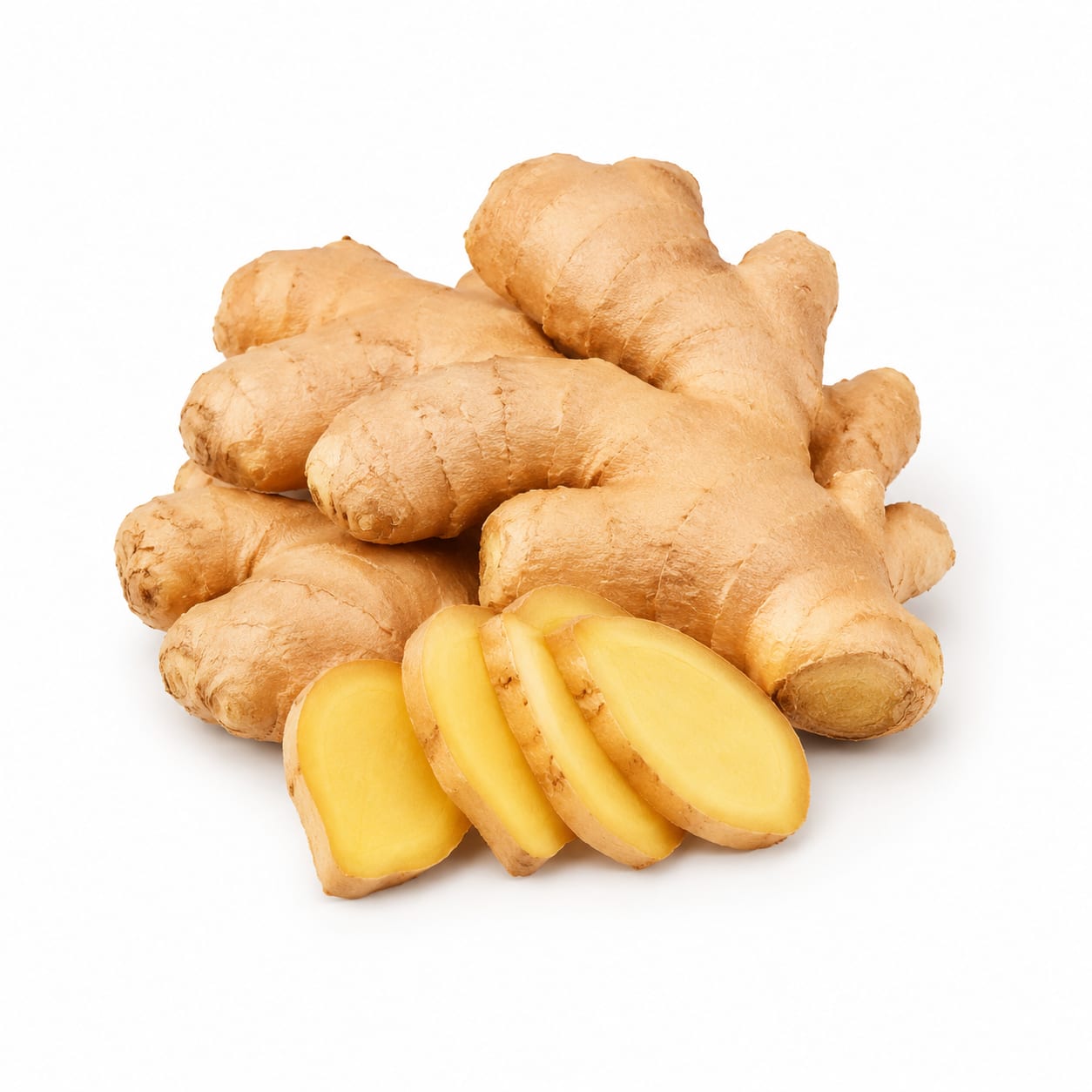
Ginger
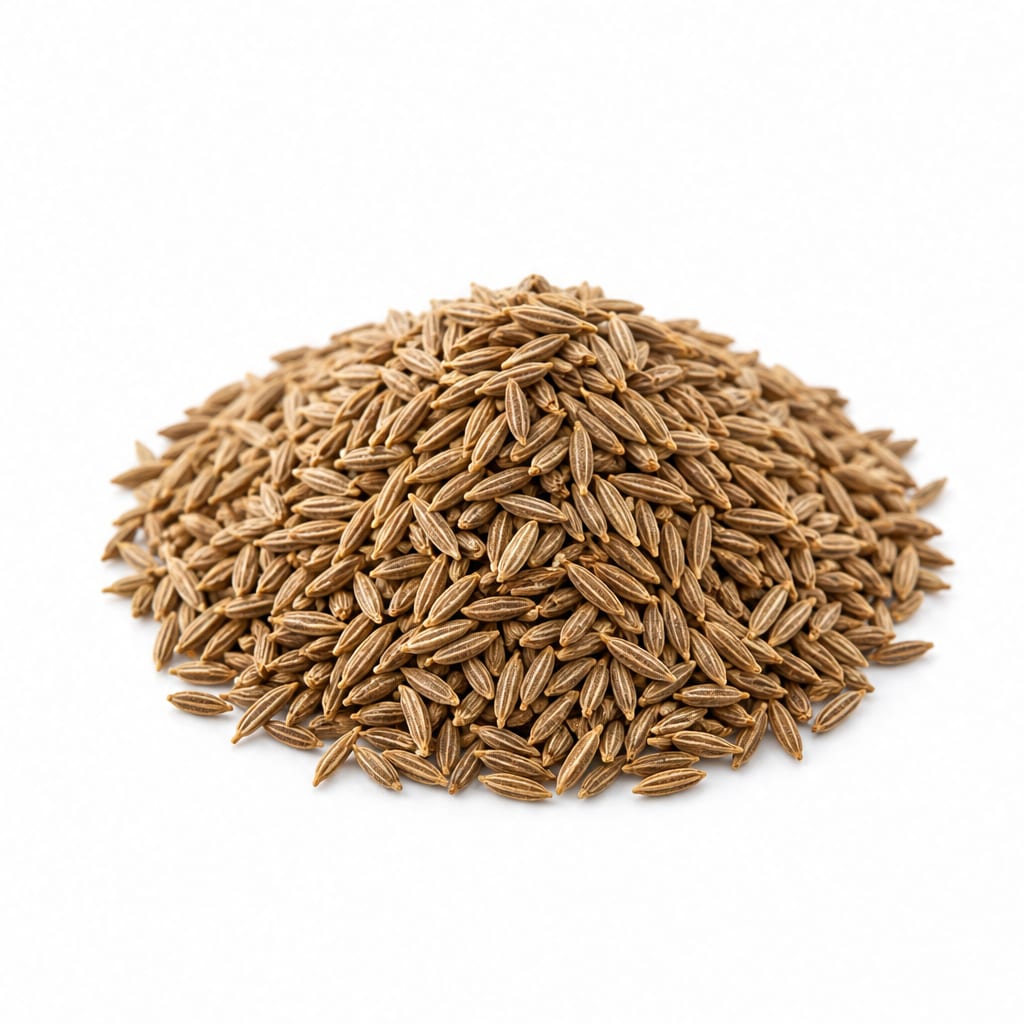
Cumin
Ginger excels at calming the stomach and fighting inflammation, while cumin dominates for iron intake and digestive enzyme stimulation. They serve different daily purposes.
Ginger edges ahead slightly for its stronger clinical evidence on inflammation and nausea, but cumin's iron content makes it nutritionally irreplaceable for many people. The close scores reflect how well each serves different needs.
Soothing relief (ginger) versus nutritional density (cumin) — ginger is your medicine, cumin is your supplement
At a glance
Executive summary
Overall
It depends
Healthier
It depends
More practical
Cumin
Daily use
Cumin
Key comparison lenses
digestive health
Both spices are legendary for gut health but through completely different mechanisms — ginger soothes while cumin stimulates
anti inflammatory use
Users comparing these are often looking for natural inflammation support, where ginger has stronger clinical backing
daily wellness routine
Both are commonly consumed as daily tonics or supplements, making long-term safety and effectiveness critical
mineral nutrition
Cumin is surprisingly rich in iron and manganese, which ginger barely provides — a key differentiator
nausea and motion sickness
Ginger is one of the most evidence-backed natural remedies for nausea, giving it a unique niche
Best choice for
Ginger
- Nausea relief and morning sickness
- Post-workout inflammation recovery
- Soothing an upset stomach
- Motion sickness prevention
- Menstrual cramp relief
Cumin
- Iron deficiency support
- Daily mineral supplementation
- Stimulating sluggish digestion
- Adding flavor without sodium
- Vegetarians needing more iron
Least suitable for
Ginger
- People on blood thinners (higher bleeding risk)
- Those needing mineral supplementation
- Anyone with acid reflux triggered by spicy foods
Cumin
- People with iron overload conditions
- Those seeking anti-nausea relief
- Anyone with cumin allergy or seed sensitivity
Deep comparison
Dimension by dimension
Each lens scores both foods and breaks down who each option suits.
- Dimension 1 · Priority 92It depends
digestive_health
Ginger · 82Cumin · 80Ginger calms an irritated digestive tract while cumin revs up digestive enzyme production — opposite approaches to the same goal.
Tradeoff
Ginger is better when your stomach is already upset; cumin is better when digestion feels sluggish and slow
Why it matters
Choosing the wrong one for your specific gut issue can mean the difference between relief and frustration
Real-world impact
After a heavy meal, ginger tea soothes bloating; before eating, cumin in your food helps you break down that meal better in the first place
Ginger
- Calming nausea
- Soothing acid reflux irritation
- Settling an already upset stomach
- Post-meal bloating relief
Better for
- Stimulating weak appetite
Worse for
Cumin
- Stimulating appetite
- Improving enzyme production before meals
- Reducing gas from slow digestion
- Supporting nutrient absorption
Better for
- Calming active nausea or vomiting
Worse for
- Dimension 2 · Priority 88Ginger
anti_inflammatory_power
Ginger · 88Cumin · 68Ginger's gingerols are among the most studied natural anti-inflammatory compounds, with stronger evidence than cumin's cuminaldehyde.
Tradeoff
Ginger delivers more reliable inflammation reduction, but cumin still contributes meaningfully through its antioxidant content
Why it matters
For chronic inflammation issues like joint pain or post-exercise soreness, ginger works more consistently
Real-world impact
A daily ginger habit can meaningfully reduce morning stiffness or post-workout muscle soreness within weeks
Ginger
- Joint pain and arthritis support
- Post-exercise recovery
- Chronic low-grade inflammation
- Menstrual inflammation
Better for
- Providing mineral cofactors that support antioxidant enzymes
Worse for
Cumin
- Antioxidant variety in diet
- Mild everyday inflammation support
Better for
- Delivering strong, targeted anti-inflammatory effects
Worse for
- Dimension 3 · Priority 85Cumin
mineral_and_nutrient_density
Ginger · 35Cumin · 89Cumin is surprisingly loaded with iron, manganese, and calcium, while ginger provides minimal minerals per serving.
Tradeoff
Cumin is a legitimate iron source especially for plant-based eaters; ginger offers almost no meaningful mineral content
Why it matters
Even small daily amounts of cumin can contribute meaningfully to iron intake, which ginger simply cannot do
Real-world impact
A teaspoon of cumin provides roughly 4mg of iron — about 22% of daily needs — making it a quiet nutritional powerhouse for vegetarians
Ginger
- Contributing meaningful mineral intake
Worse for
Cumin
- Iron deficiency prevention
- Manganese intake for bone health
- Calcium contribution for dairy-free diets
- Overall micronutrient supplementation
Better for
- Dimension 4 · Priority 75Ginger
nausea_and_motion_sickness_relief
Ginger · 95Cumin · 20Ginger is one of the most proven natural anti-nausea remedies available; cumin has essentially no evidence for this use.
Tradeoff
If nausea is your primary concern, ginger is in a completely different league — this is not a close comparison
Why it matters
For pregnant women, chemotherapy patients, or motion-sensitive travelers, ginger can replace or reduce medication needs
Real-world impact
Ginger candies or tea before a boat ride can prevent seasickness without drowsiness — cumin cannot do this
Ginger
- Morning sickness during pregnancy
- Motion sickness prevention
- Post-surgery nausea
- Chemotherapy-related nausea
Better for
Cumin
- Any nausea-related application
Worse for
- Dimension 5 · Priority 72Cumin
culinary_versatility_and_daily_ease
Ginger · 68Cumin · 82Cumin blends effortlessly into almost any savory dish, while ginger's strong flavor limits it to specific cuisines and beverages.
Tradeoff
Ginger's bold flavor makes it powerful but polarizing; cumin's earthy warmth disappears into food more easily
Why it matters
The spice you can actually use every day without getting tired of it delivers more cumulative health benefits
Real-world impact
Cumin goes in chili, curry, roasted vegetables, rice, and soups without anyone noticing — ginger demands attention in every dish
Ginger
- Teas and wellness drinks
- Stir-fries and Asian dishes
- Baking and desserts
- Juice shots and tonics
Better for
- Blending into neutral-tasting foods
Worse for
Cumin
- Everyday cooking across cuisines
- Dry rubs and spice blends
- Silent nutritional boosting
- Meal prep seasoning
Better for
- Beverage and wellness drink applications
Worse for
- Dimension 6 · Priority 70Ginger
blood_sugar_management
Ginger · 76Cumin · 70Both spices show promise for blood sugar control, but ginger has slightly more human clinical evidence supporting its effects.
Tradeoff
Ginger may improve insulin sensitivity more directly, while cumin's contribution is smaller but still meaningful
Why it matters
For prediabetics or those monitoring glucose, every small advantage compounds over months and years
Real-world impact
Adding ginger to meals or tea daily may help blunt post-meal blood sugar spikes more reliably than cumin alone
Ginger
- Improving insulin sensitivity
- Reducing fasting blood sugar
- Complementing a diabetes management plan
Better for
Cumin
- Adding mild glucose support alongside iron benefits
Better for
- Matching ginger's clinical evidence for glucose control
Worse for
Timeline
Health impact over time
Short-term
Hours to days
Ginger
- Quick nausea relief within 20-30 minutes
- Warming sensation that aids circulation
- Possible mild heartburn at higher doses
- Immediate throat soothing in tea form
Cumin
- Stimulates digestive enzyme release within minutes of eating
- Mild appetite increase before meals
- Earthy flavor enhances meal satisfaction
- Virtually no adverse short-term effects at culinary doses
Long-term
Months to years
Ginger
- Reduced chronic inflammation markers with daily use
- Potential blood thinning effect requiring monitoring
- Improved joint mobility and reduced stiffness
- Possible interaction with blood pressure and diabetes medications
Cumin
- Meaningful iron status improvement over months, especially for vegetarians
- Better mineral density supporting bone health
- Improved cholesterol markers in some studies
- Sustained digestive efficiency with regular consumption
Risk profile
Safety & processing
Both ginger and cumin are whole spices with minimal processing concerns. Fresh ginger is the least processed form, while ground cumin is simply dried and milled seeds. Neither typically contains additives when purchased as pure spice.
Ginger
Blood thinner interaction
mediumGinger can compound the effect of anticoagulant medications like warfarin, increasing bleeding risk at supplemental doses above 4g daily
Heartburn and reflux aggravation
lowSome people experience worsened acid reflux from ginger's spiciness, especially on an empty stomach
Blood sugar medication interaction
lowGinger's glucose-lowering effect may amplify diabetes medication, potentially causing hypoglycemia
Cumin
Iron overload with excessive consumption
lowPeople with hemochromatosis or iron overload conditions should be cautious with heavy cumin use due to its high iron content
Allergic reactions
lowCumin allergy exists but is rare; cross-reactivity can occur with other spice allergies like coriander or fennel
Adulteration in ground form
mediumGround cumin is occasionally adulterated with cheaper fillers or contaminated with other seed husks; buying whole seeds and grinding at home reduces this risk
Who wins for whom
Audience fit
Same foods, different winners depending on your goal.
children
CuminCumin's milder flavor and iron content make it more suitable for children's food; ginger's spiciness can be off-putting and its medicinal effects are stronger per dose
daily consumption
CuminCumin's neutral versatility and mineral contribution make it easier to consume every day without flavor fatigue or safety concerns
diabetes
GingerGinger has stronger clinical evidence for improving insulin sensitivity and lowering fasting blood sugar
elderly
GingerGinger's anti-inflammatory and anti-nausea benefits address common elderly concerns like joint pain and medication-induced nausea
muscle gain
CuminCumin's iron and manganese content supports oxygen transport and muscle function more directly than ginger
weight loss
GingerGinger may slightly boost metabolism and reduce appetite more effectively than cumin, though both are near-zero calorie flavor enhancers
Your move
Decision guide
Choose Ginger
- You struggle with nausea, motion sickness, or morning sickness
- Joint inflammation or post-workout soreness is a daily concern
- You want a warming tea or tonic for cold mornings
- Blood sugar management is a priority
- You need quick digestive soothing after meals
Choose Cumin
- You are vegetarian or vegan and need more iron
- Your digestion feels sluggish rather than upset
- You want invisible nutrition boosting in everyday cooking
- Mineral intake matters more than anti-inflammatory effects
- You prefer a spice that blends into any savory dish without dominating
Either works if
- You want general digestive support and can use both strategically
- You are building a well-stocked spice rack for health
- Neither is a replacement for medical treatment of serious conditions
Avoid both if
- You are on blood thinners without doctor approval for ginger
- You have hemochromatosis and need to limit iron from cumin
- You have known allergies to either spice family
Final recommendation
Use both strategically: ginger when your stomach needs calming or your joints need support, cumin when your food needs flavor and your body needs iron. They complement each other perfectly — ginger as your wellness medicine, cumin as your daily nutritional foundation.
Practical
Consumer tips
- 1
Buy whole cumin seeds and grind them fresh for maximum iron content and to avoid adulteration common in pre-ground spice
- 2
Fresh ginger root stores in the freezer for months — grate directly into tea or cooking without peeling
- 3
If using ginger for nausea, 1-2 grams of fresh ginger is roughly equivalent to a commercial ginger candy
- 4
Cumin's iron is non-heme iron — pair it with vitamin C foods like tomatoes or lemon juice to boost absorption
- 5
Start with small amounts of ginger if you have reflux — the warming effect can go either way depending on your body
- 6
Both spices lose potency after 6 months ground — replace them regularly for both flavor and health benefits
- 7
Ginger tea before bed can interfere with sleep in sensitive people due to its mild stimulating effect