
Fruit
Feijoa
A low-calorie, high-fiber tropical fruit with a unique pineapple-mint flavor.
A small, egg-shaped fruit with green skin and sweet, aromatic, jelly-like pulp tasting like a blend of pineapple, apple, and mint.
high-fiber low-glycemic fruit
Typical serving · 100g
Common varieties · Apollo, Gemini, Mammoth, Triumph, Unique +1 more
Overall context score across nutrition, safety, and diet fit
At a glance
Quick facts
Simple indicators based on nutrition, processing, and diet fit.
The story
What makes it unique
Feijoa is a low-energy-density fruit characterized by moderate carbohydrate content, high dietary fiber, and a low glycemic index. Its digestion speed is slowed by soluble fiber, promoting prolonged satiety. The macronutrient profile is dominated by simple sugars in the pulp and structural carbohydrates in the skin, with minimal fat and protein.
Varieties: Apollo · Gemini · Mammoth · Triumph · Unique · Wiki Tu
Per 100g
Nutrition breakdown
Macro balance and key metrics at a glance.
Energy
Density 0.55 kcal/g
Protein
Carbs
Fat
Fiber
Sugar
8 g
Sodium
3 mg
Potassium
160 mg
Glycemic index
30
Glycemic load
4
Water content
84%
Standout compounds
Nutrient highlights
Dietary Fiber
highPromotes satiety and supports healthy digestion
Vitamin C
moderateSupports immune function and skin health
Antioxidants
highReduces oxidative stress and inflammation
Folate
moderateImportant for cell division and DNA synthesis
Wellness map
Health scores & processing
NOVA processing scale
minimally processed · Whole food
Raw feijoa is an unprocessed whole fruit.
Diet compatibility
- Weight loss
- Muscle gain
- Diabetes
- Gut health
- Low carb
- High protein
- Heart health
Relative standing
Food rankings
Qualitative ranks compared to similar whole foods.
- Satietygood
- Blood sugarexcellent
- Nutrient densitygood
- Fitness fuelmoderate
- Processing qualityexcellent
Eat with confidence
Food safety profile
Feijoa is generally safe with low contamination risk. If eating the skin, thorough washing is recommended to remove potential agricultural residues.
Evidence confidence 90%
- Pesticideslow
- Antibioticslow
- Heavy metalslow
- Contaminationlow
Watch for
- soil residue on skin
Safer choices
Organically grown feijoas for skin consumption
Prep tips
Rinse thoroughly under running water. The skin is edible but tart; scoop out the sweet pulp if preferred.
None significant
Deep dive
Health analysis
How this food may fit different goals and preparation choices.
Weight loss
High water and fiber content create volume and satiety for very few calories, making it excellent for weight management.
Blood sugar
Low glycemic index and high fiber slow sugar absorption, preventing blood glucose spikes.
Fitness & energy
Provides a quick, low-calorie carbohydrate source suitable for light pre-workout fuel, but lacks the protein needed for muscle recovery.
Gut health
Rich in soluble and insoluble fiber, supporting healthy bowel movements and acting as a prebiotic for gut microbiota.
Processing quality
A whole, unprocessed food with maximum nutrient retention when eaten raw.
Food safety
Very low risk. Primary concern is surface dirt or pesticide residue if the skin is consumed unwashed.
Common mistakes
Discarding the skin, which removes a large portion of the fruit's fiber and antioxidants.
Best preparation
Eaten raw and whole, sliced into salads, or blended into smoothies.
Practical guide
Best use cases
When and how this food fits real eating patterns.
High-volume low-calorie snacking
Eat whole for a filling, low-calorie treat that satisfies sweet cravings.
Gut health boost
Consume with the skin to maximize fiber and prebiotic intake for digestive health.
Blood sugar friendly dessert
A naturally sweet option that won't cause glucose spikes due to its low glycemic load.
Balance sheet
Pros & cons
Upsides
- High fiber content promotes fullness
- Low glycemic index prevents sugar spikes
- Rich in immune-boosting vitamin C
- Edible skin maximizes nutrient intake
- Low energy density aids weight management
- Unique flavor profile adds variety to diets
Trade-offs
- Seasonal and hard to find in many regions
- Tart skin flavor is unappealing to some
- Short shelf life when ripe
- Not a significant source of protein or healthy fats
Fit check
Who is it for?
Great match
- weight management
- blood sugar control
- digestive regularity
- low-calorie snacking
Consider alternatives
- strict ketogenic diets
- high-protein diets
- those seeking long-lasting energy without combining with fats or proteins
Side by side
How it compares
Open the full head-to-head analysis for nutrition, safety, and practical tradeoffs.
This food
Feijoa
VS85% alike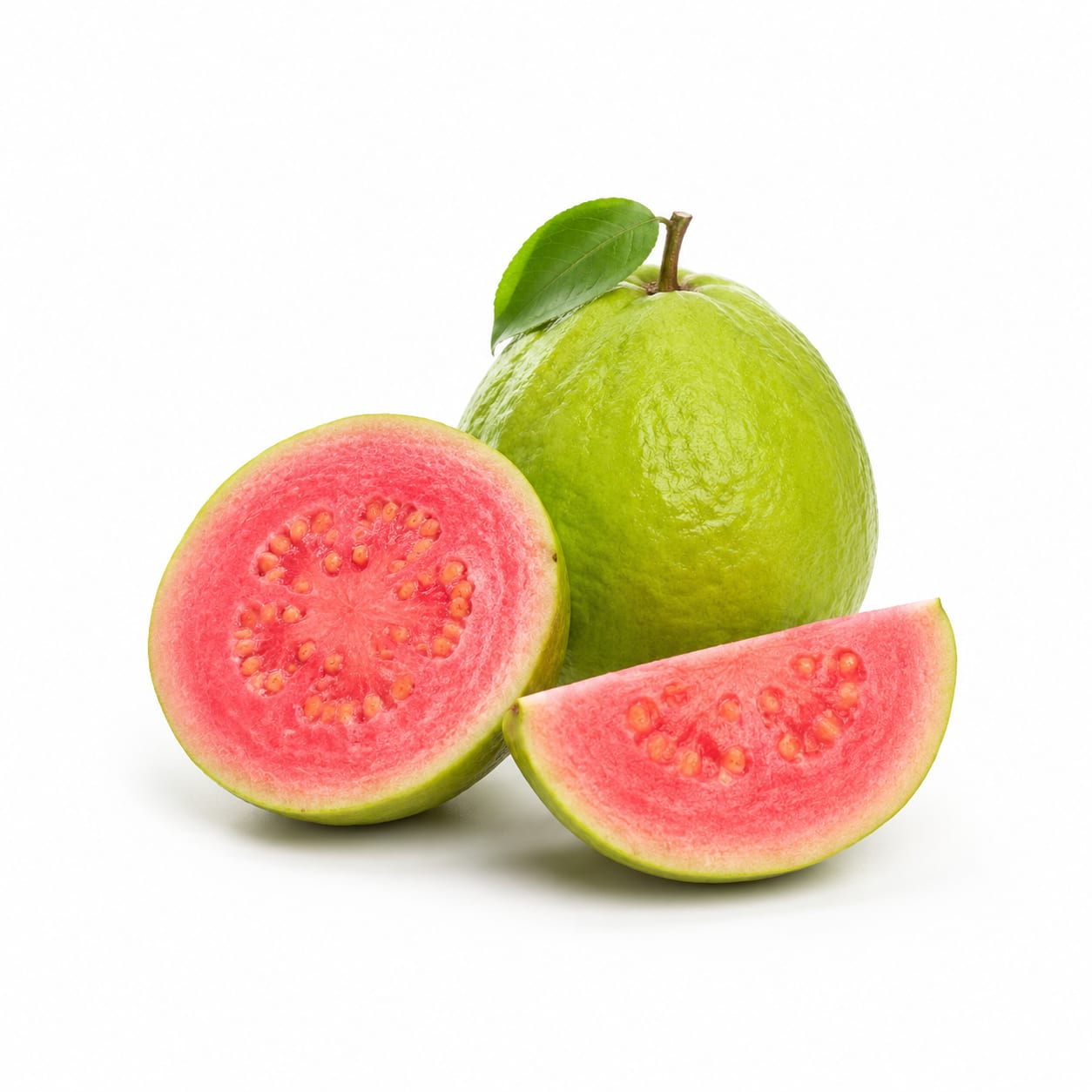
Compare with
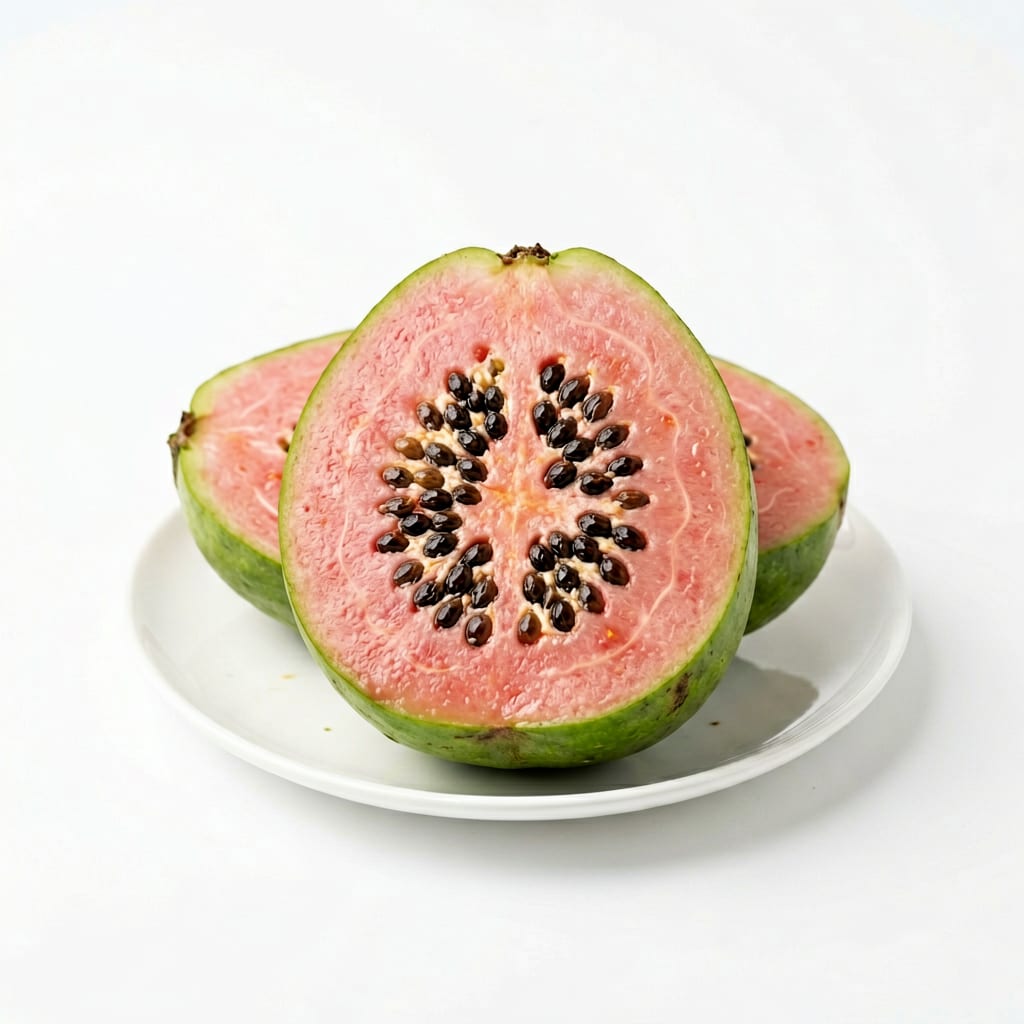
Guava
Feijoa and guava are both high-fiber, low-glycemic tropical fruits, but feijoa has a unique pineapple-mint flavor while guava offers more vitamin C.
Feijoa is slightly lower in calories than guava, but both are excellent high-fiber choices for blood sugar control.
This food
Feijoa
VS70% alike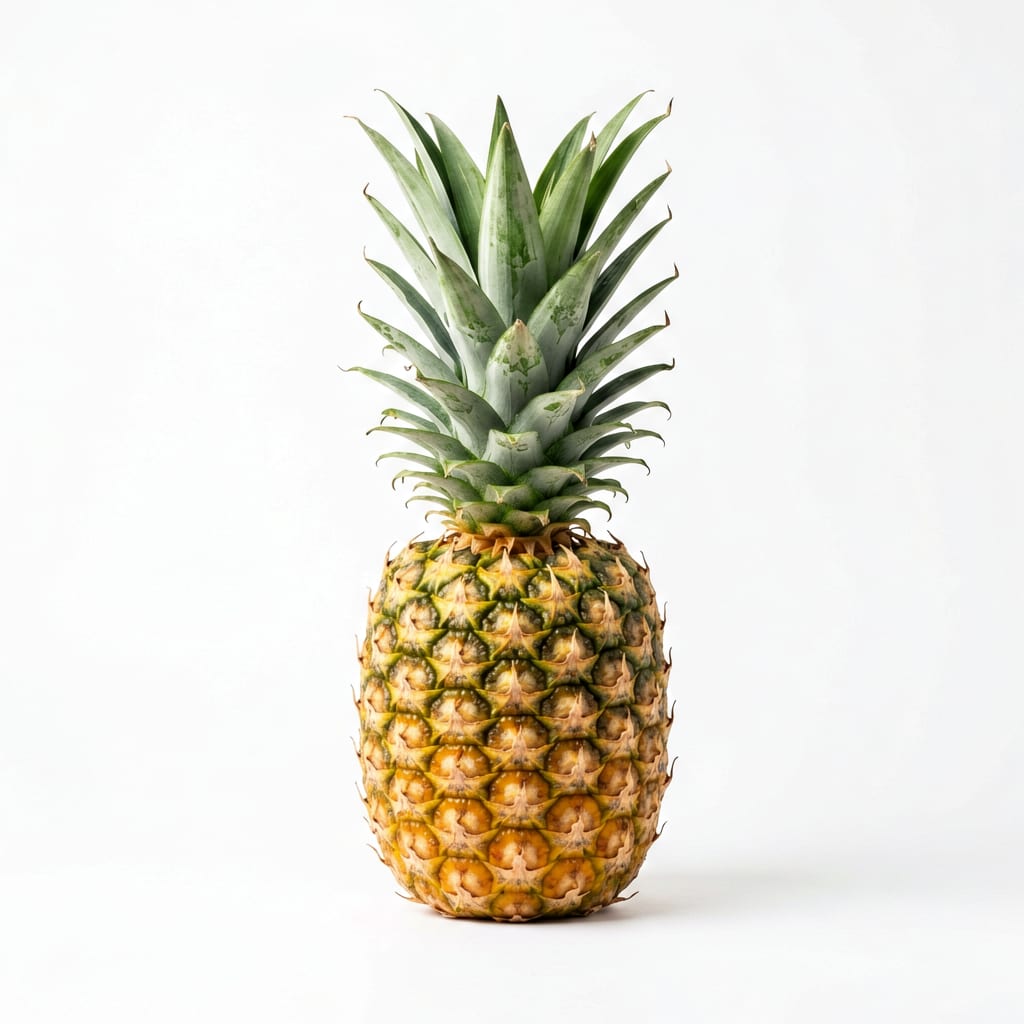
Compare with
Pineapple
Feijoa provides more fiber and fewer calories than pineapple, making it better for satiety, while pineapple offers faster-digesting carbs for workouts.
Feijoa is lower in sugar and higher in fiber than pineapple, making it better for weight loss, while pineapple provides quicker workout energy.
This food
Feijoa
VS80% alike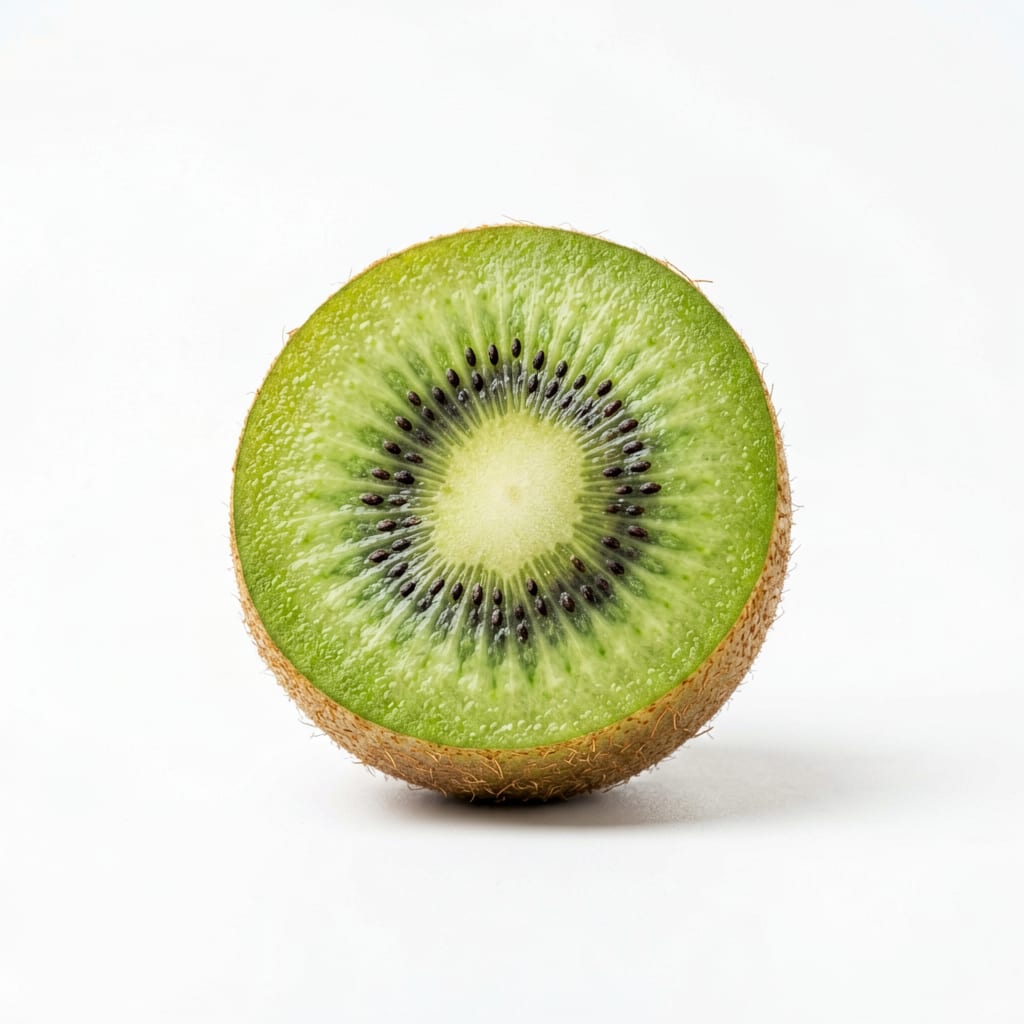
Compare with
Kiwi
Both are excellent high-fiber, low-GI fruits; kiwi is slightly higher in vitamin C, while feijoa offers a different flavor profile and more folate.
Kiwi and feijoa are nutritionally comparable, both offering high fiber and low glycemic loads for stable blood sugar.
This food
Feijoa
VS75% alike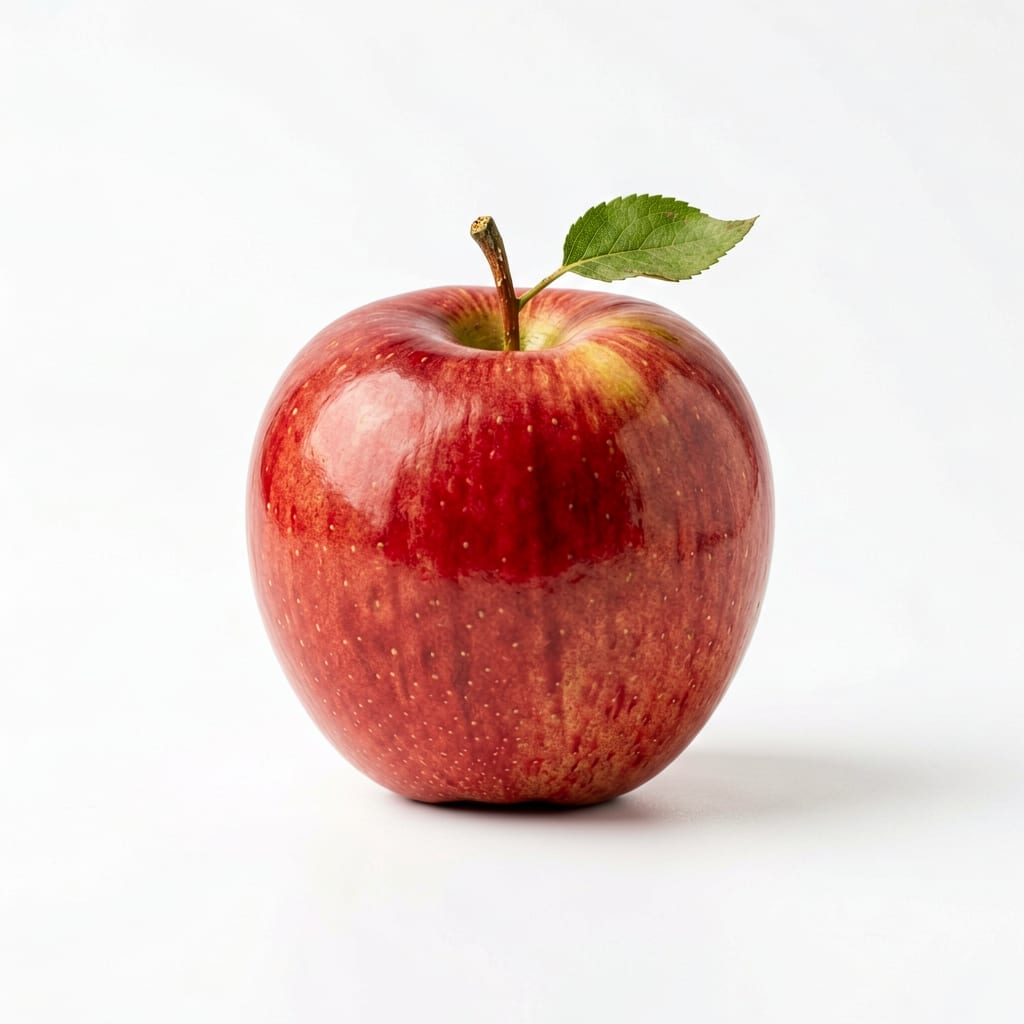
Compare with
Apple
Feijoas are lower in calories and sugar than apples, providing a more blood-sugar-friendly option with comparable fiber.
Feijoas contain less sugar and fewer calories than apples, making them a slightly better choice for weight loss and blood sugar management.
This food
Feijoa
VS65% alike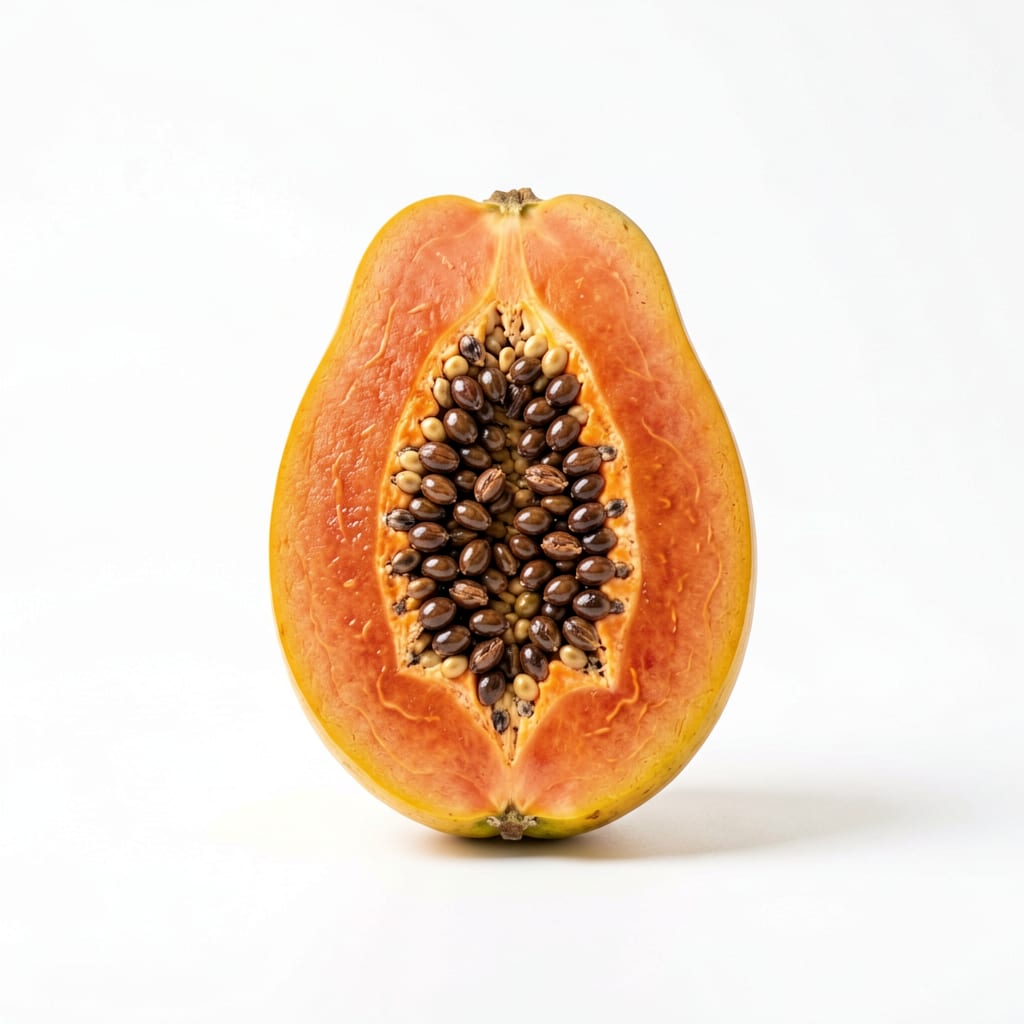
Compare with
Papaya
Feijoa contains significantly more fiber than papaya, offering better satiety and blood sugar control, while papaya is richer in vitamin A.
Feijoa provides much more fiber than papaya, resulting in better satiety for weight loss, whereas papaya is lower in fiber but higher in vitamin A.
This food
Feijoa
VS65% alike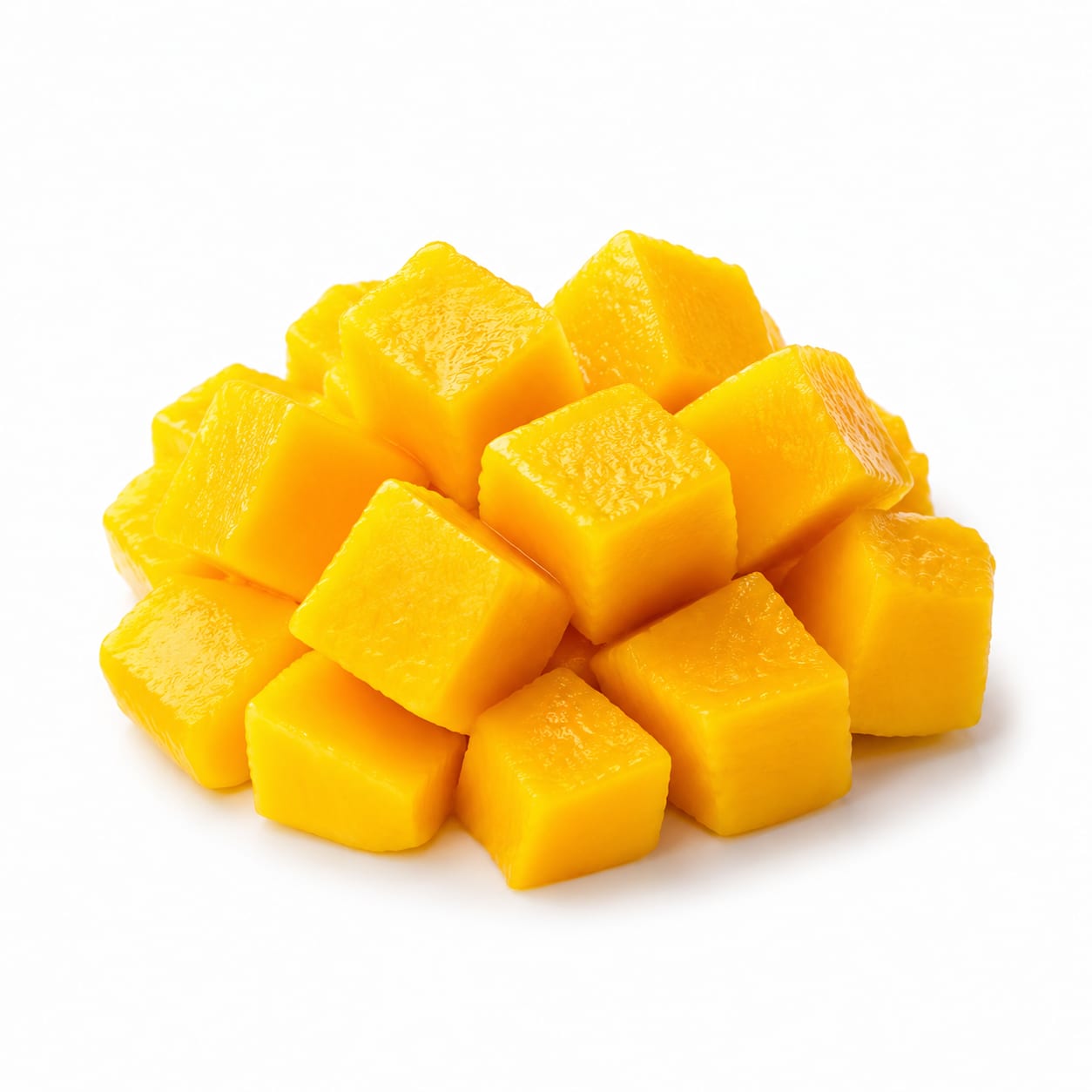
Compare with
Mango
Mango is sweeter and higher in calories and sugar, whereas feijoa is a lighter, high-fiber choice better suited for weight loss.
Mango is higher in sugar and calories, while feijoa offers a lower-calorie, high-fiber alternative better suited for weight loss.
This food
Feijoa
VS70% alike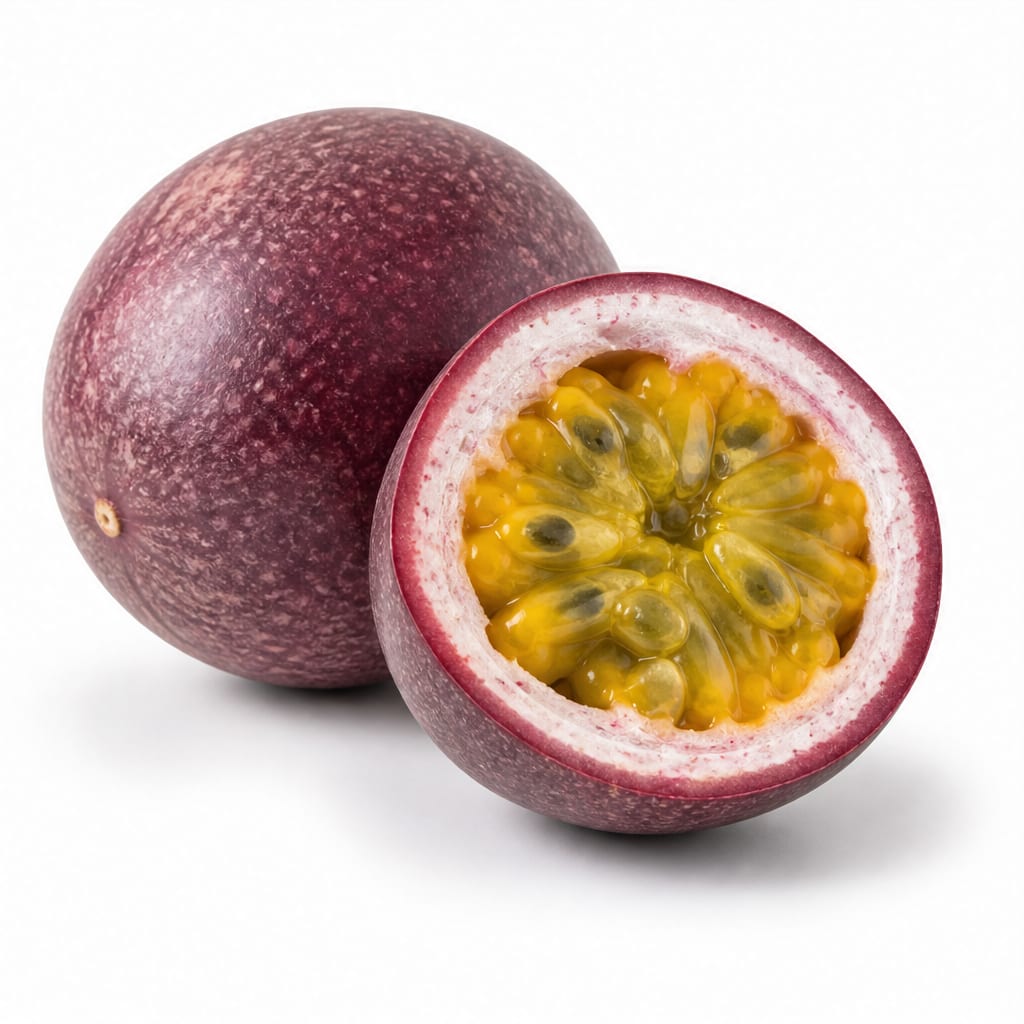
Compare with
Passionfruit
Passionfruit is higher in fiber and calories, while feijoa offers a lower-calorie, higher-water-content snacking experience.
Passionfruit is more calorie-dense and higher in fiber, while feijoa provides a lower-calorie, high-volume option for weight loss.
This food
Feijoa
VS75% alike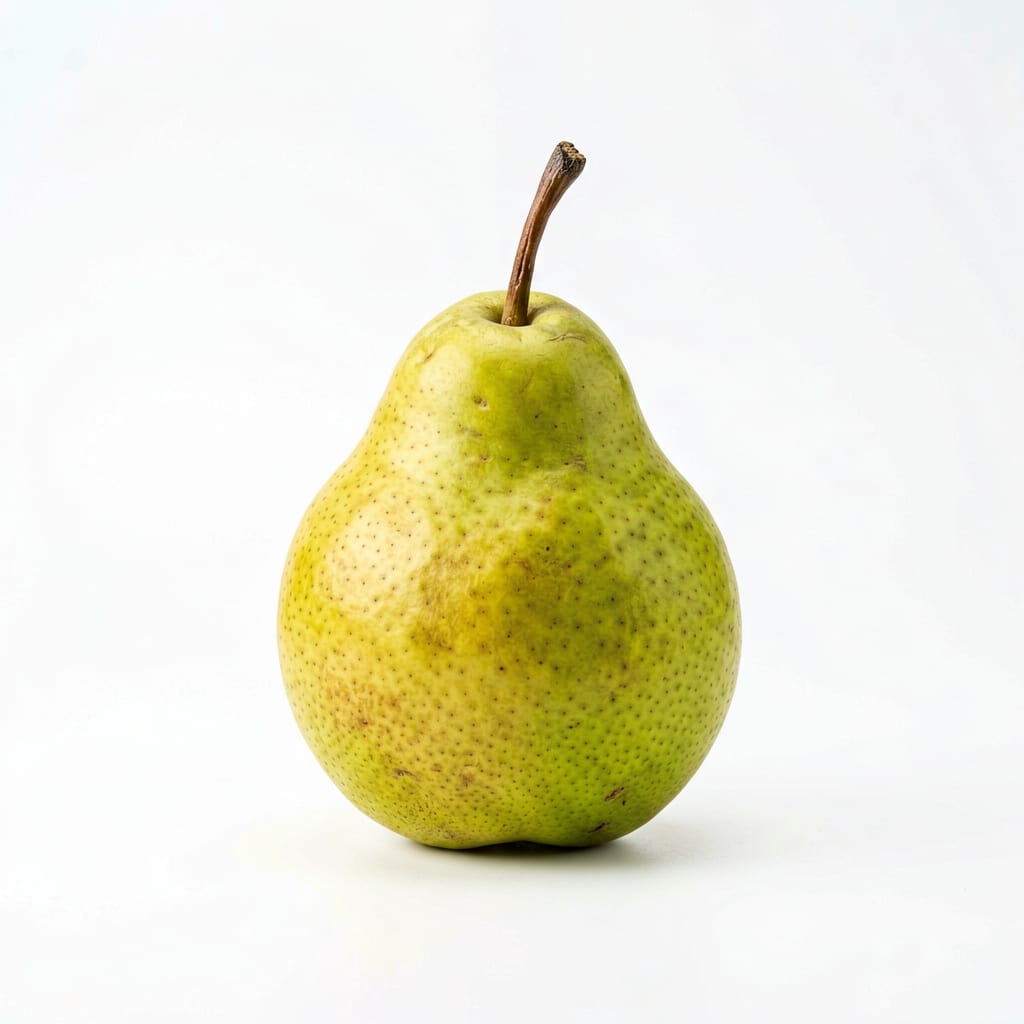
Compare with
Pear
Pears are higher in sugar and calories; feijoas provide a similar fibrous bite but with better blood sugar control.
Feijoas are lower in sugar and calories than pears, offering a more blood-sugar-friendly alternative with comparable fiber.
This food
Feijoa
VS60% alike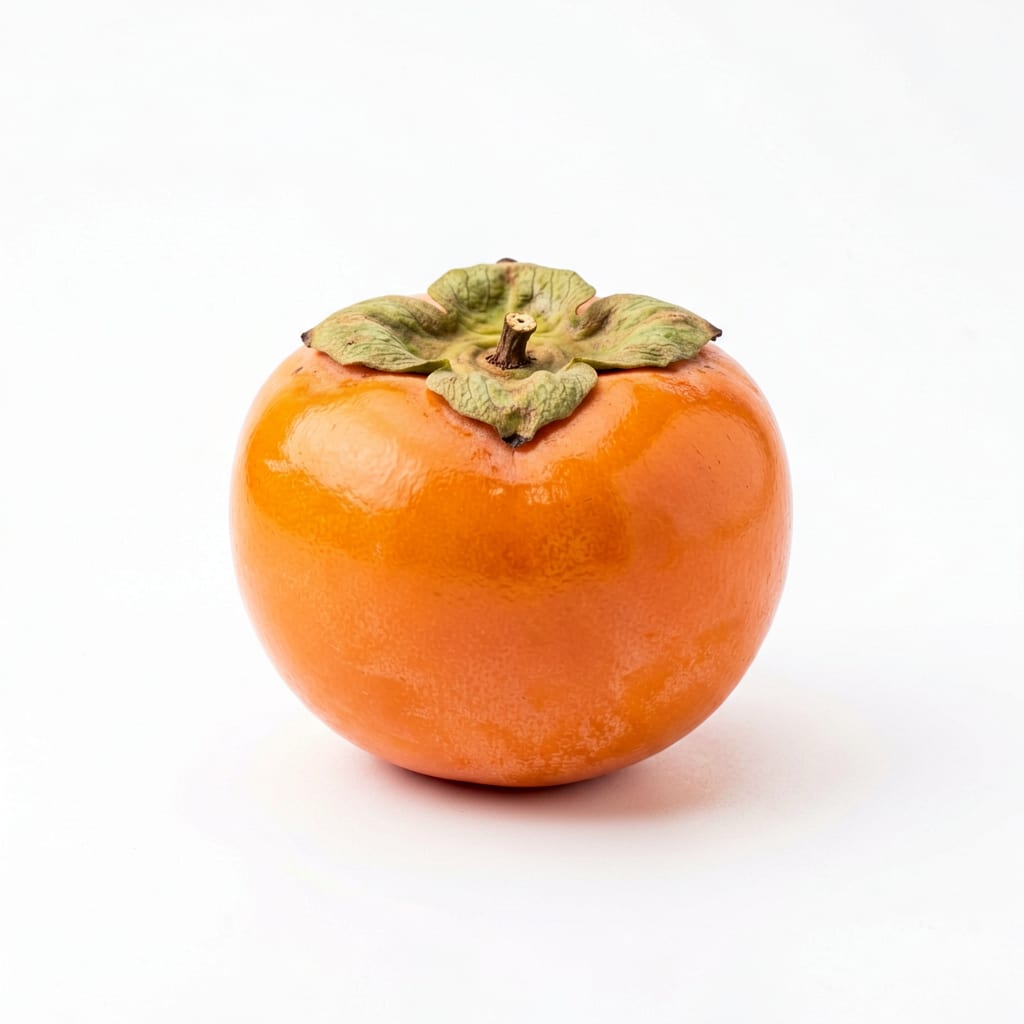
Compare with
Persimmon
Persimmons are much higher in sugar and carbohydrates, making feijoa the superior choice for low-glycemic and low-calorie diets.
Persimmons are significantly higher in sugar and carbs, while feijoas provide a low-glycemic, low-calorie option for weight loss.
This food
Feijoa
VS60% alike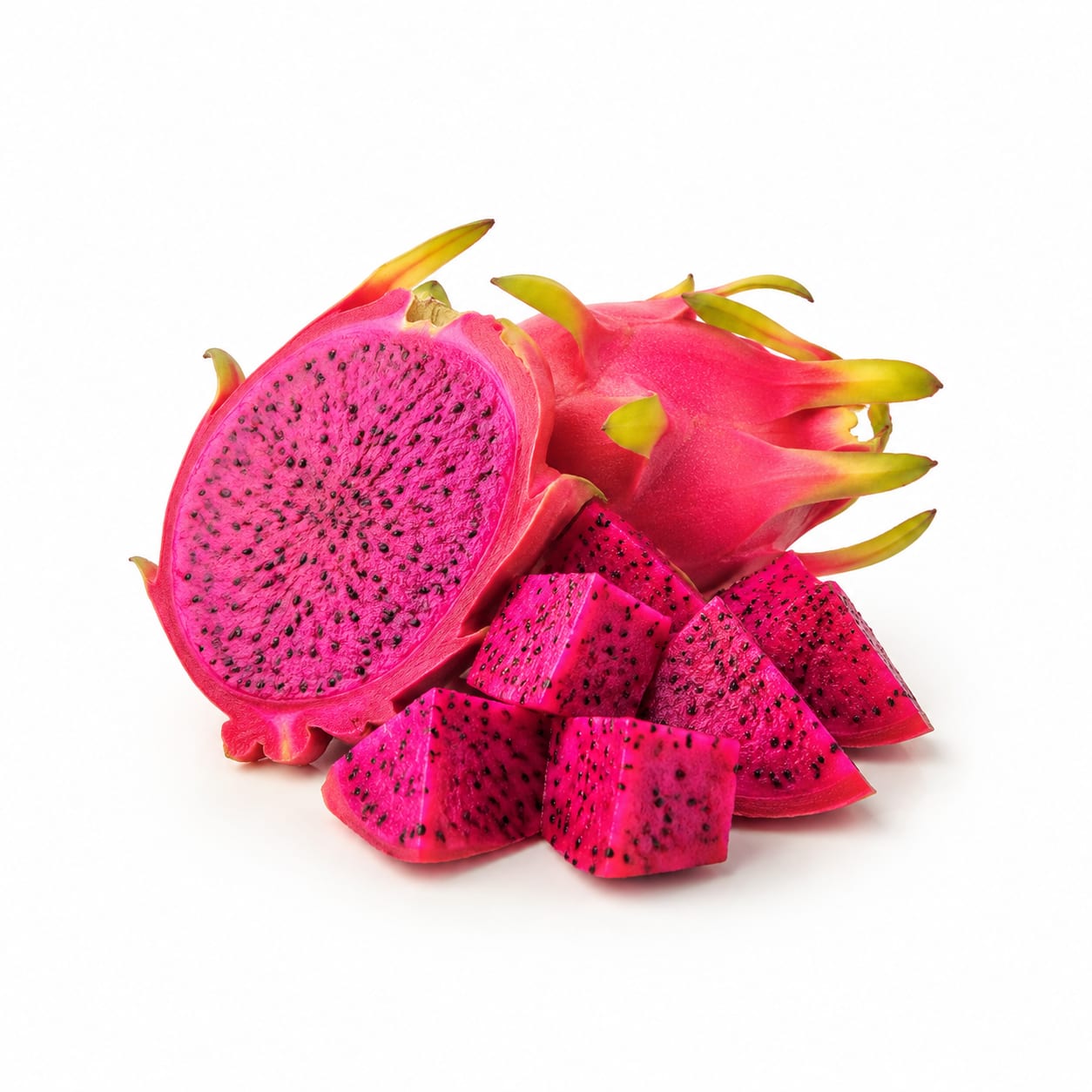
Compare with
Dragon Fruit
Feijoa has significantly more fiber than dragon fruit, leading to better satiety and gut health benefits, though dragon fruit is milder in flavor.
Feijoa contains much more fiber than dragon fruit, making it better for satiety and gut health, while dragon fruit is lower in calories but less filling.
Common questions
FAQ
Answers aligned with how people search for this food.
Are feijoas good for weight loss?
Yes, they are low in calories and high in fiber, which helps you feel full longer without consuming excess energy.
Can diabetics eat feijoa?
Yes, feijoa has a low glycemic index and high fiber content, which helps stabilize blood sugar levels and prevent spikes.
Do you eat the skin of a feijoa?
Yes, the skin is edible and contains high amounts of fiber and antioxidants, though it has a tart, slightly bitter flavor.
Is feijoa high in sugar?
No, feijoa contains moderate natural sugars balanced by a high fiber content, resulting in a low glycemic load.
What does feijoa taste like?
Feijoa tastes like a combination of pineapple, strawberry, guava, and mint with a slightly gritty texture near the skin.
Is feijoa the same as guava?
No, feijoa (pineapple guava) belongs to a different genus than common guava, though they are in the same plant family.
How much fiber is in a feijoa?
A 100g serving of feijoa provides about 6g of dietary fiber, which is roughly 20-25% of the daily recommended intake.
When is a feijoa ripe?
A feijoa is ripe when it yields slightly to gentle pressure, similar to a ripe avocado or peach.
Transparency
Data confidence
Estimated confidence for nutrition data, interpretation, safety notes, and comparisons.
Nutrition data
Health analysis
Food safety
Comparisons