
Nutrition comparison
Feijoa vs Kiwi: Nutrition, Fiber, and Health Benefits Compared
Discover the nutritional differences between Feijoa and Kiwi. Compare fiber, Vitamin C, digestion benefits, and which fruit is better for your health goals.
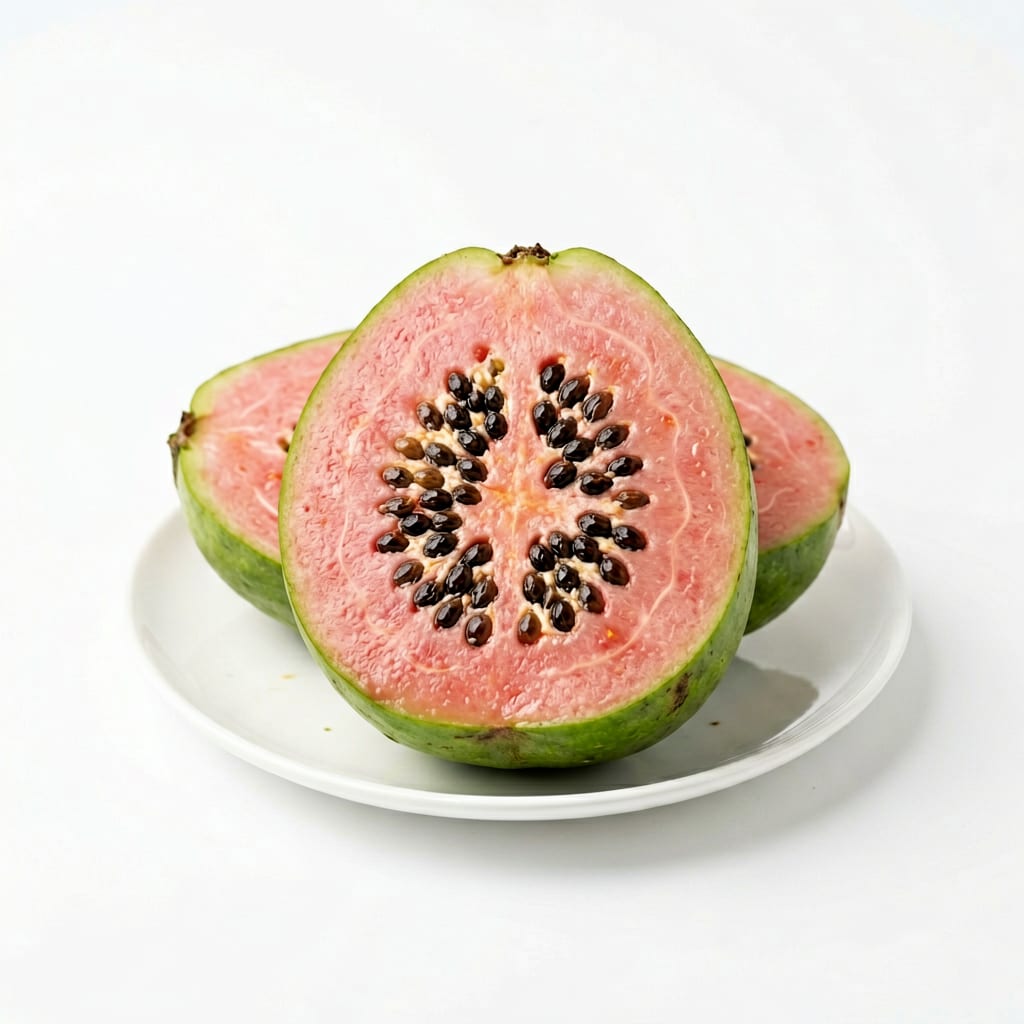
Feijoa
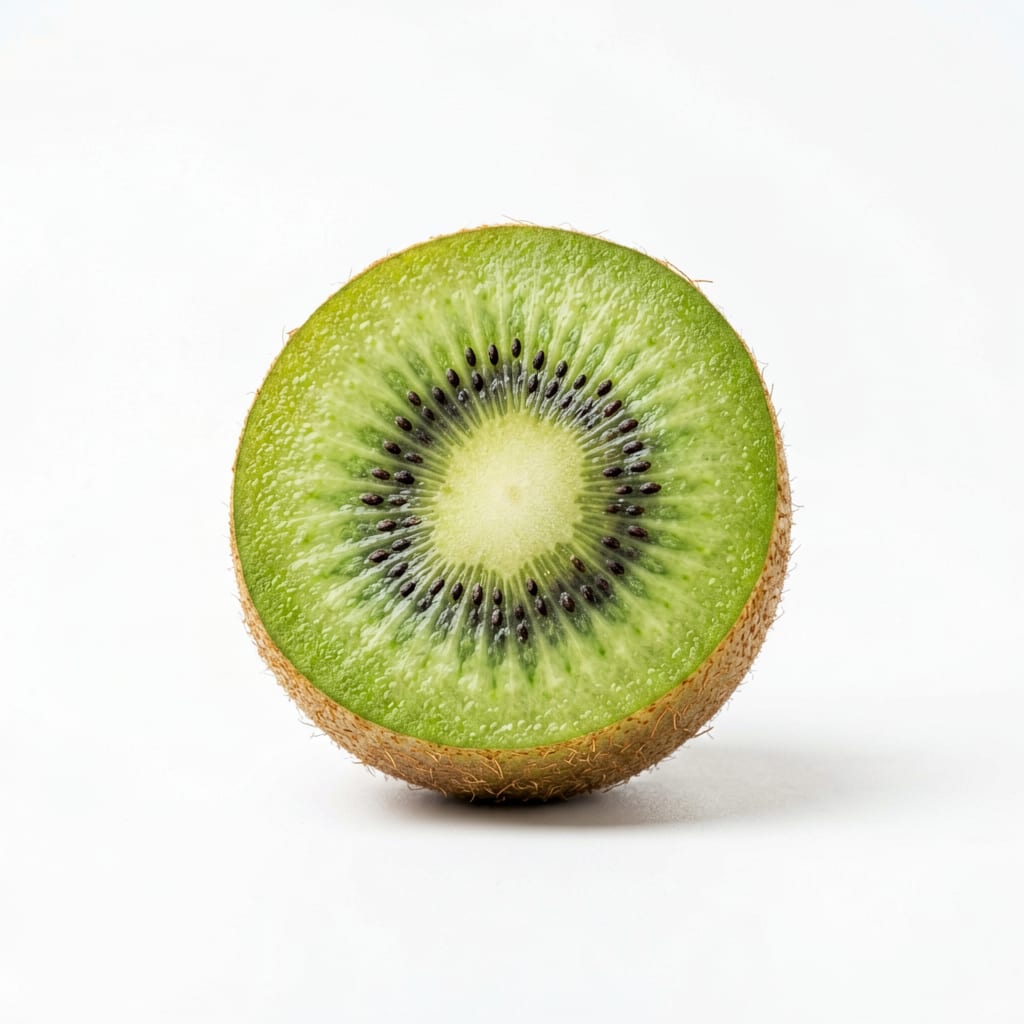
Kiwi
Kiwi is the everyday nutrient powerhouse with unmatched Vitamin C and easy availability, while Feijoa is a fiber champion that excels for gut health and satiety if you can find it.
Kiwi scores higher overall due to its exceptional Vitamin C content, potassium, and reliable availability. Feijoa is an excellent specialist choice for fiber and gut health but loses points for limited accessibility.
Maximum Vitamin C and convenience (Kiwi) versus double the fiber and a unique aromatic flavor (Feijoa).
At a glance
Executive summary
Overall
It depends
Healthier
Kiwi
More practical
Kiwi
Daily use
Kiwi
Key comparison lenses
Vitamin C and immune support
Kiwi is famously high in Vitamin C, making it a go-to for immunity, while Feijoa offers a more moderate but solid amount.
Digestive health and fiber intake
Feijoa is remarkably high in fiber, significantly outpacing Kiwi, which also contains unique digestive enzymes.
Grocery accessibility and daily practicality
Kiwi is a year-round supermarket staple, whereas Feijoa is highly seasonal and harder to source.
Blood sugar management and satiety
The fiber difference impacts how these fruits affect fullness and blood sugar stability.
Best choice for
Feijoa
- People prioritizing gut health and regularity
- Those seeking a high-fiber, low-calorie snack
- Adventurous eaters looking for unique tropical flavors
Kiwi
- People wanting a daily Vitamin C immune boost
- Shoppers needing year-round grocery availability
- Those who prefer a soft, spoonable fruit
Least suitable for
Feijoa
- People without access to specialty markets or local growers
- Anyone who dislikes gritty or seedy fruit textures
Kiwi
- People with latex-fruit syndrome or kiwi allergies
- Those prone to kidney stones who need a low-oxalate diet
Deep comparison
Dimension by dimension
Each lens scores both foods and breaks down who each option suits.
- Dimension 1 · Priority 90Kiwi
Vitamin & Mineral Density
Feijoa · 78Kiwi · 92Kiwi delivers an exceptional Vitamin C punch—over 150% of daily needs in one fruit—along with more potassium, while Feijoa offers solid but lower levels.
Tradeoff
You trade Kiwi's massive Vitamin C dose for Feijoa's slightly better folate content, though Kiwi still wins overall on micronutrients.
Why it matters
Vitamin C is crucial for immune function and skin health; getting it easily from one fruit simplifies your diet.
Real-world impact
Eating a single Kiwi covers your Vitamin C for the day, whereas you would need multiple Feijoas to hit the same mark.
Feijoa
- Folate intake during early pregnancy
Better for
- Quick immune boosts
- Electrolyte replenishment
Worse for
Kiwi
- Immune support during cold season
- Potassium for muscle cramps
Better for
- Those avoiding high-acid foods
Worse for
- Dimension 2 · Priority 85Feijoa
Digestive Health & Fiber
Feijoa · 90Kiwi · 75Feijoa packs roughly double the fiber of Kiwi, making it significantly more filling and better for bowel regularity.
Tradeoff
Feijoa gives you much more fiber per bite, but Kiwi contains actinidin, a unique enzyme that helps break down proteins and ease bloating.
Why it matters
Fiber keeps you full and feeds gut bacteria, while digestive enzymes help with discomfort after heavy meals.
Real-world impact
A Feijoa will keep you satisfied much longer between meals, while a Kiwi after dinner can help settle a heavy stomach.
Feijoa
- Managing constipation
- Staying full during weight loss
Better for
- Those with severe IBS who need low-fiber options
Worse for
Kiwi
- Easing bloating after protein-heavy meals
- Gentle digestion for sensitive stomachs
Better for
- People needing high satiety from low-calorie foods
Worse for
- Dimension 3 · Priority 75Feijoa
Blood Sugar & Satiety
Feijoa · 85Kiwi · 72With more fiber and slightly fewer calories, Feijoa provides steadier energy and keeps hunger at bay better than Kiwi.
Tradeoff
Feijoa's high fiber slows sugar absorption for stable energy, while Kiwi's natural sugars hit the bloodstream a bit faster.
Why it matters
Steady blood sugar prevents the afternoon energy crash and reduces cravings.
Real-world impact
Snacking on Feijoa is less likely to cause a sugar spike and subsequent crash compared to the sweeter, lower-fiber Kiwi.
Feijoa
- Diabetics managing blood sugar
- Sustained energy for long workdays
Better for
- Those needing rapid carbohydrate absorption post-workout
Worse for
Kiwi
- Quick pre-workout energy
Better for
- People prone to sugar crashes
Worse for
- Dimension 4 · Priority 80Kiwi
Availability & Convenience
Feijoa · 45Kiwi · 95Kiwi is a grocery store staple available year-round, while Feijoa is highly seasonal and often restricted to specialty markets or local growers.
Tradeoff
Kiwi offers reliable access and consistency, whereas Feijoa requires effort to source and is only fresh for a short window.
Why it matters
A healthy food only works if you can actually buy and eat it consistently.
Real-world impact
You can grab Kiwi any day of the week, but finding fresh Feijoa might mean visiting farmers markets in autumn.
Feijoa
- Supporting local agriculture when in season
Better for
- Impulse snackers
- People in regions where it doesn't grow
Worse for
Kiwi
- Reliable meal prep
- Consistent daily habits
- Easy grocery shopping
Better for
- Those bored with standard grocery options
Worse for
Timeline
Health impact over time
Short-term
Hours to days
Feijoa
- Increased fullness after meals
- Relief from constipation due to high fiber
Kiwi
- Quick immune system support from Vitamin C
- Reduced bloating after heavy meals due to actinidin
Long-term
Months to years
Feijoa
- Improved gut microbiome diversity from prebiotic fiber
- Better weight management from sustained satiety
Kiwi
- Enhanced collagen production for skin and joints
- Lower blood pressure from consistent potassium intake
Risk profile
Safety & processing
Both Feijoa and Kiwi are whole, raw fruits with no artificial additives when purchased fresh, making them equally excellent choices for clean eating.
Feijoa
Pesticide residue
lowFeijoa has a thick, bitter skin that is usually discarded, protecting the flesh from pesticide exposure.
Allergic reaction
lowFeijoa is not a common allergen and is generally well-tolerated by most people.
Kiwi
Allergic reaction
mediumKiwi is a known allergen, particularly for those with latex-fruit syndrome, causing mouth itching or swelling.
Oxalate content
mediumKiwi contains moderate oxalates, which can contribute to kidney stone formation in susceptible individuals if consumed in excess.
Who wins for whom
Audience fit
Same foods, different winners depending on your goal.
children
KiwiKiwi is sweeter, softer, and more familiar to kids, making it an easier sell as a healthy snack.
daily consumption
KiwiKiwi's year-round availability and consistent nutrient profile make it much easier to incorporate into a daily routine.
diabetes
FeijoaThe high fiber content in Feijoa slows down sugar absorption, leading to more stable blood glucose levels.
elderly
KiwiKiwi is extremely soft when ripe, easy to chew, and the high potassium supports heart health and blood pressure management.
muscle gain
KiwiKiwi provides more Vitamin C, which is essential for collagen synthesis and tissue repair after intense workouts.
weight loss
FeijoaFeijoa has more fiber and slightly fewer calories, making it more filling and easier to reduce overall calorie intake.
Your move
Decision guide
Choose Feijoa
- You want to maximize fiber for gut health
- You have access to fresh Feijoas locally
- You need a low-calorie, highly satiating snack
- You are sensitive to high-oxalate foods
Choose Kiwi
- You want the highest Vitamin C content
- You need a fruit available year-round
- You want a natural digestive enzyme to reduce bloating
- You prefer a softer, sweeter fruit
Either works if
- You want a natural, whole-food vitamin boost
- You are looking for a low-calorie dessert alternative
Avoid both if
- You have severe fructose intolerance
- You are on a strict low-potassium diet for kidney disease
Final recommendation
Make Kiwi your daily staple for reliable Vitamin C and convenience, but seek out Feijoa during its short season for a fiber-rich gut health upgrade.
Practical
Consumer tips
- 1
Eat Kiwi skin-on after washing—it triples the fiber content and makes it closer to Feijoa's fiber levels.
- 2
Scoop Feijoa like an avocado; the skin is tart but edible, though most prefer the sweet interior.
- 3
If you have a latex allergy, be cautious with Kiwi and opt for Feijoa instead.
- 4
Freeze sliced Kiwi or Feijoa pulp for a refreshing, vitamin-rich addition to smoothies year-round.