
Nutrition comparison
Feijoa vs Mango: Which Tropical Fruit Is Healthier?
Compare feijoa and mango on sugar, fiber, vitamins, and blood sugar impact. Discover which fruit is better for diabetes, weight loss, and daily nutrition.
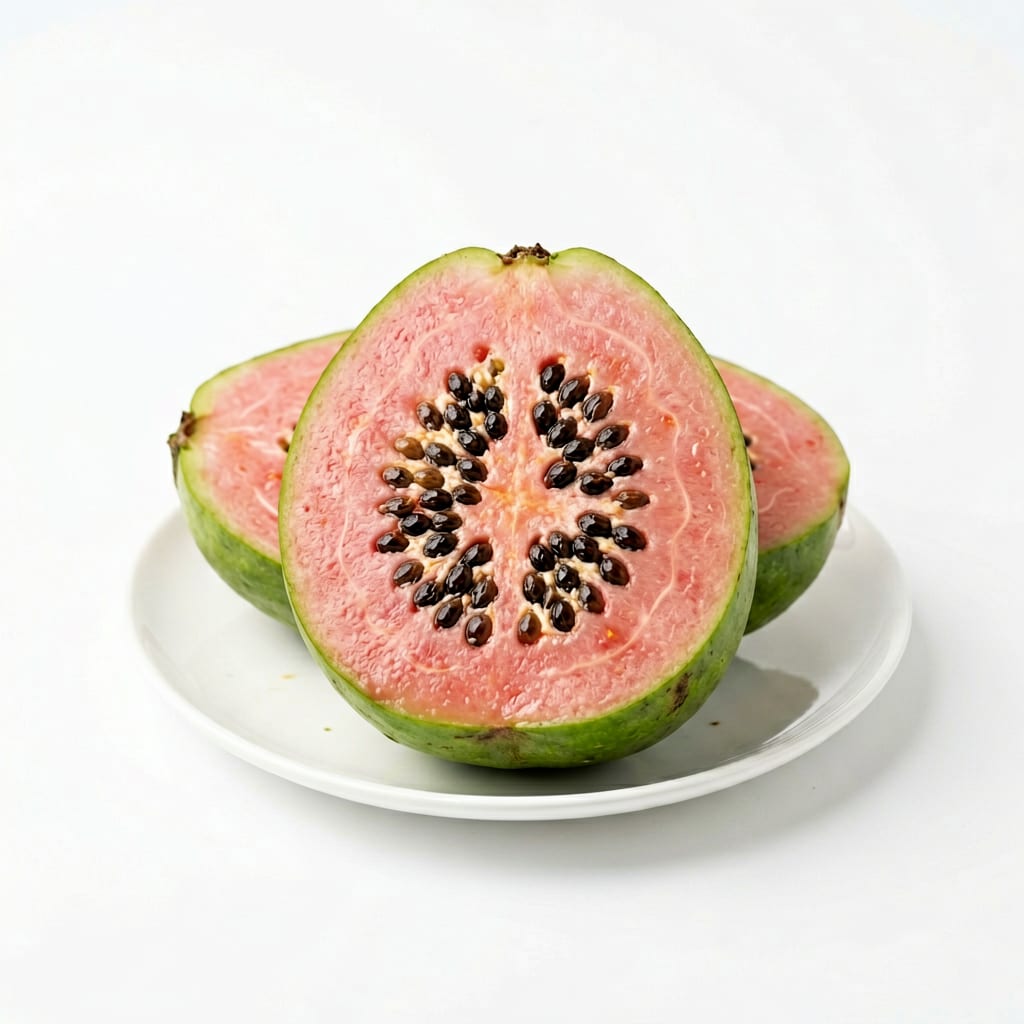
Feijoa
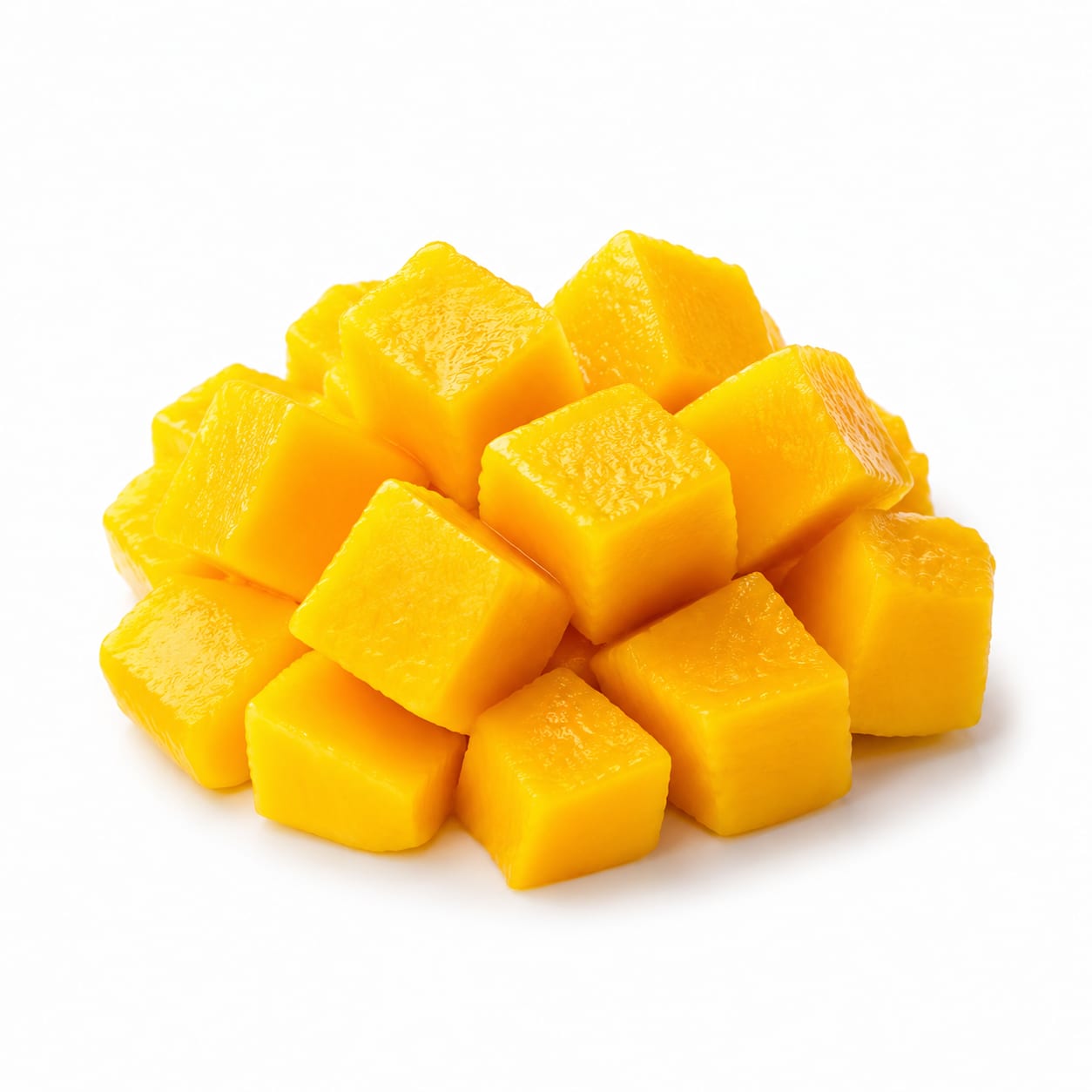
Mango
Feijoa wins for blood sugar control and gut health; mango wins for vitamin A, availability, and everyday enjoyment.
Feijoa edges ahead on nutritional efficiency per calorie, but mango's accessibility, vitamin A content, and broader appeal keep it competitive. The small gap reflects that both are genuinely healthy whole fruits with different strengths.
Lower sugar and higher fiber versus richer micronutrients and far easier access.
At a glance
Executive summary
Overall
It depends
Healthier
Feijoa
More practical
Mango
Daily use
Mango
Key comparison lenses
sugar and glycemic impact
Mango is notably higher in sugar, making blood sugar response the most critical differentiator for health-conscious users
nutrient density per calorie
Feijoa delivers more fiber and folate per calorie, while mango leads in vitamin A — users need clarity on what they gain or sacrifice
everyday availability and practicality
Mango is ubiquitous in grocery stores; feijoa is seasonal and harder to find, which heavily impacts real-world decision-making
digestive health benefits
Feijoa's significantly higher fiber content makes gut health a meaningful comparison axis
antioxidant diversity
Both offer distinct antioxidant profiles — mango's carotenoids versus feijoa's polyphenols — relevant for long-term health planning
Best choice for
Feijoa
- People managing diabetes or insulin resistance
- Those prioritizing gut health and regularity
- Anyone counting calories but wanting flavorful fruit
- Folate-seeking pregnant women looking for natural sources
Mango
- Anyone needing more vitamin A or beta-carotene
- People who want reliable year-round fruit access
- Those seeking an energy-boosting pre-workout snack
- Families wanting a kid-friendly tropical fruit
Least suitable for
Feijoa
- People who cannot find it locally or seasonally
- Anyone sensitive to tart or astringent flavors
- Those wanting quick calories for athletic performance
Mango
- People strictly limiting sugar intake
- Those with poorly controlled diabetes
- Anyone tracking calories closely during weight loss
Deep comparison
Dimension by dimension
Each lens scores both foods and breaks down who each option suits.
- Dimension 1 · Priority 92Feijoa
sugar_and_blood_sugar_impact
Feijoa · 82Mango · 55Feijoa has roughly half the sugar of mango and significantly more fiber, resulting in a much gentler blood sugar response.
Tradeoff
You give up mango's sweet indulgence but gain steadier energy without the crash risk.
Why it matters
For anyone watching blood sugar — whether diabetic, prediabetic, or just avoiding afternoon energy dips — this difference is substantial.
Real-world impact
Eating feijoa as a morning snack keeps you stable; mango may trigger a quicker spike and hunger return within an hour.
Feijoa
- Steady energy without crashes
- Safer for blood sugar management
- Less likely to trigger sugar cravings
Better for
- Less satisfying if you crave sweetness
Worse for
Mango
- Quick energy before exercise
- More satisfying sweet tooth fix
Better for
- Bigger glucose spike
- May not keep you full as long
Worse for
- Dimension 2 · Priority 88Feijoa
fiber_and_digestive_health
Feijoa · 85Mango · 58Feijoa delivers roughly double the fiber per serving, making it significantly better for digestion and gut health.
Tradeoff
Mango is easier to eat in large quantities, but feijoa does more digestive work per bite.
Why it matters
Fiber is the single most undervalued nutrient — it controls satiety, feeds gut bacteria, and stabilizes blood sugar all at once.
Real-world impact
A feijoa snack keeps you fuller longer and supports regularity; mango requires larger portions to get similar fiber benefits.
Feijoa
- Better gut bacteria support
- More satiety per calorie
- Improved digestive regularity
Better for
- Tartness may cause mild stomach awareness in sensitive people
Worse for
Mango
- Softer texture may be gentler on sensitive stomachs
Better for
- Lower fiber means less fullness per serving
Worse for
- Dimension 3 · Priority 80Mango
vitamin_and_mineral_density
Feijoa · 68Mango · 82Mango dominates in vitamin A and vitamin C, while feijoa offers more folate and a unique iodine contribution.
Tradeoff
Mango is better for immune and vision support; feijoa is better for cellular repair and thyroid function.
Why it matters
Vitamin A deficiency is surprisingly common, and mango is one of the best fruit sources. Feijoa's iodine is rare in fruit and valuable for thyroid health.
Real-world impact
Eating mango regularly supports eye health and immunity; feijoa supports thyroid function and cell division, especially relevant during pregnancy.
Feijoa
- Folate for pregnancy and cell repair
- Iodine for thyroid support
- Good vitamin C contribution
Better for
- No significant vitamin A contribution
Worse for
Mango
- Exceptional vitamin A for vision and immunity
- Higher overall vitamin C
- Broader antioxidant coverage from carotenoids
Better for
- Minimal folate and no iodine
Worse for
- Dimension 4 · Priority 75Feijoa
calorie_efficiency
Feijoa · 84Mango · 62Feijoa provides more nutrients per calorie, making it the better choice for calorie-conscious eating.
Tradeoff
Mango is more calorie-dense, which helps if you need energy but hurts if you are cutting.
Why it matters
When managing weight, getting the most nutrition from the fewest calories is the entire game.
Real-world impact
You can eat nearly twice the volume of feijoa for the same calories as mango, feeling more satisfied with less energy intake.
Feijoa
- More food volume per calorie
- Easier to fit into calorie targets
- More filling without overconsumption risk
Better for
- Harder to eat enough if you need calories
Worse for
Mango
- Better for active people needing calorie intake
- More efficient energy source for athletes
Better for
- Easy to overeat calories from sweetness alone
Worse for
- Dimension 5 · Priority 78Mango
availability_and_everyday_practicality
Feijoa · 35Mango · 90Mango is available year-round in most grocery stores; feijoa is seasonal, regional, and often requires specialty shops.
Tradeoff
The healthiest fruit only matters if you can actually buy and eat it consistently.
Why it matters
Consistency beats perfection. A fruit you eat three times a week outperforms a superior fruit you can never find.
Real-world impact
Mango can be a daily habit anywhere; feijoa requires planning, seasonal awareness, and often mail-order or farmers market access.
Feijoa
- When in season, often cheaper at local sources
Better for
- Very limited seasonal window
- Hard to find outside specialty stores
- Short shelf life when fresh
Worse for
Mango
- Available in virtually every grocery store
- Frozen options retain most nutrients
- Consistent year-round access
Better for
- Imported out-of-season mango may be less flavorful
Worse for
- Dimension 6 · Priority 68It depends
antioxidant_diversity
Feijoa · 72Mango · 75Mango offers carotenoids and mangiferin; feijoa provides unique polyphenols and flavonoids. Both are valuable but different.
Tradeoff
You choose between eye-protective carotenoids in mango or less-studied but promising polyphenols in feijoa.
Why it matters
Diverse antioxidant intake is linked to lower disease risk, and these two fruits cover different antioxidant families.
Real-world impact
Eating both across different days gives the broadest protection; choosing only one means missing an entire antioxidant class.
Feijoa
- Unique polyphenols not common in other fruits
- Potential anti-inflammatory compounds
- Complements typical fruit intake well
Better for
- Less research on specific health outcomes
- Smaller evidence base for its antioxidants
Worse for
Mango
- Well-studied carotenoids for eye health
- Mangiferin has emerging anti-cancer research
- Proven immune-supporting antioxidant profile
Better for
- Carotenoids are widely available from other common fruits
Worse for
Timeline
Health impact over time
Short-term
Hours to days
Feijoa
- Steadier energy without sugar crash
- Noticeable fullness from fiber content
- Mild digestive stimulation from tartness
Mango
- Quick energy boost from natural sugars
- Satisfying sweet flavor reduces cravings for junk food
- Possible slight energy dip within an hour if eaten alone
Long-term
Months to years
Feijoa
- Better blood sugar regulation with regular consumption
- Improved gut microbiome diversity from fiber
- Thyroid support from consistent iodine intake
Mango
- Stronger immune function from vitamin A and C
- Better eye health from sustained beta-carotene intake
- Potential anti-inflammatory benefits from mangiferin
Risk profile
Safety & processing
Both feijoa and mango are whole, unprocessed fruits when eaten fresh. Neither carries processing concerns unless purchased dried, canned in syrup, or as juice — forms that dramatically increase sugar and reduce fiber.
Feijoa
Pesticide residue on skin
mediumFeijoa skins can retain pesticide residue since the fruit is often eaten whole or scooped near the skin. Washing thoroughly or choosing organic reduces this.
Allergic cross-reactivity
lowRare but possible reactions in people allergic to other Myrtaceae family fruits like guava or eucalyptus products.
Mango
Pesticide residue
mediumConventional mangoes frequently show pesticide residues, particularly on the skin. Peeling significantly reduces exposure.
Contact dermatitis from sap
lowMango sap contains urushiol, the same compound as poison ivy. Handling unripe mangoes near the stem can cause skin reactions in sensitive people.
Sulfite exposure in dried forms
mediumDried mango is often treated with sulfites as a preservative, which can trigger asthma in sensitive individuals.
Who wins for whom
Audience fit
Same foods, different winners depending on your goal.
children
MangoMango's sweet, smooth texture is far more kid-friendly, and its vitamin A supports growing immune systems and vision.
daily consumption
MangoConsistent availability and broader appeal make mango more sustainable as a daily habit, even though feijoa has nutritional advantages.
diabetes
FeijoaHalf the sugar and double the fiber create a meaningfully gentler glycemic response, making feijoa the safer regular choice.
elderly
MangoMango's soft texture is easier to chew, and its vitamin A and C combination supports immune function that often weakens with age.
muscle gain
MangoMango provides more readily available carbohydrates for post-workout glycogen replenishment and calorie surplus needs.
weight loss
FeijoaLower calories, higher fiber, and less sugar make feijoa more filling per calorie and less likely to trigger overeating.
Your move
Decision guide
Choose Feijoa
- You are managing blood sugar or insulin resistance
- Gut health and fiber intake are top priorities
- You can access feijoa seasonally or through specialty sources
- You prefer tart, complex flavors over sweetness
- You are pregnant and want natural folate and iodine sources
Choose Mango
- You need reliable year-round fruit availability
- Vitamin A intake is a priority for vision or immunity
- You want a pre-workout energy boost from natural sugars
- You are feeding children who prefer sweet, smooth fruits
- You simply want a delicious tropical fruit you can find anywhere
Either works if
- You want antioxidant diversity and can rotate both seasonally
- Neither fruit is a major calorie source in your diet
- You enjoy tropical fruits and want variety in your week
Avoid both if
- You have a strict very-low-carb or ketogenic diet
- You have FODMAP sensitivities — both contain fermentable sugars that may trigger symptoms
- You are allergic to either fruit family
Final recommendation
Eat feijoa when you can find it for its superior fiber and blood sugar profile, but keep mango as your reliable daily tropical fruit. The ideal approach is seasonal rotation: feijoa during its short season, mango the rest of the year. Both are genuinely healthy choices that outperform virtually any processed snack.
Practical
Consumer tips
- 1
Peel mangoes to reduce pesticide exposure — most residue stays on the skin
- 2
Wash feijoa thoroughly if eating the skin, or scoop the flesh to avoid surface residues
- 3
Buy frozen mango chunks for convenience — they retain most nutrients and work well in smoothies
- 4
If feijoa is unavailable fresh, look for frozen pulp in Latin American or specialty grocers
- 5
Pair either fruit with a protein or fat source like Greek yogurt or nuts to blunt the sugar spike
- 6
Avoid dried mango and feijoa products with added sugar — they are nutritionally very different from fresh fruit
- 7
Feijoa's flavor peaks when the fruit slightly yields to pressure, similar to a ripe avocado