
Nutrition comparison
Feijoa vs Persimmon: Which Tropical Fruit Is Healthier for You?
Compare feijoa and persimmon nutrition—vitamin C vs vitamin A, blood sugar impact, digestive safety, and which fruit fits your health goals better.
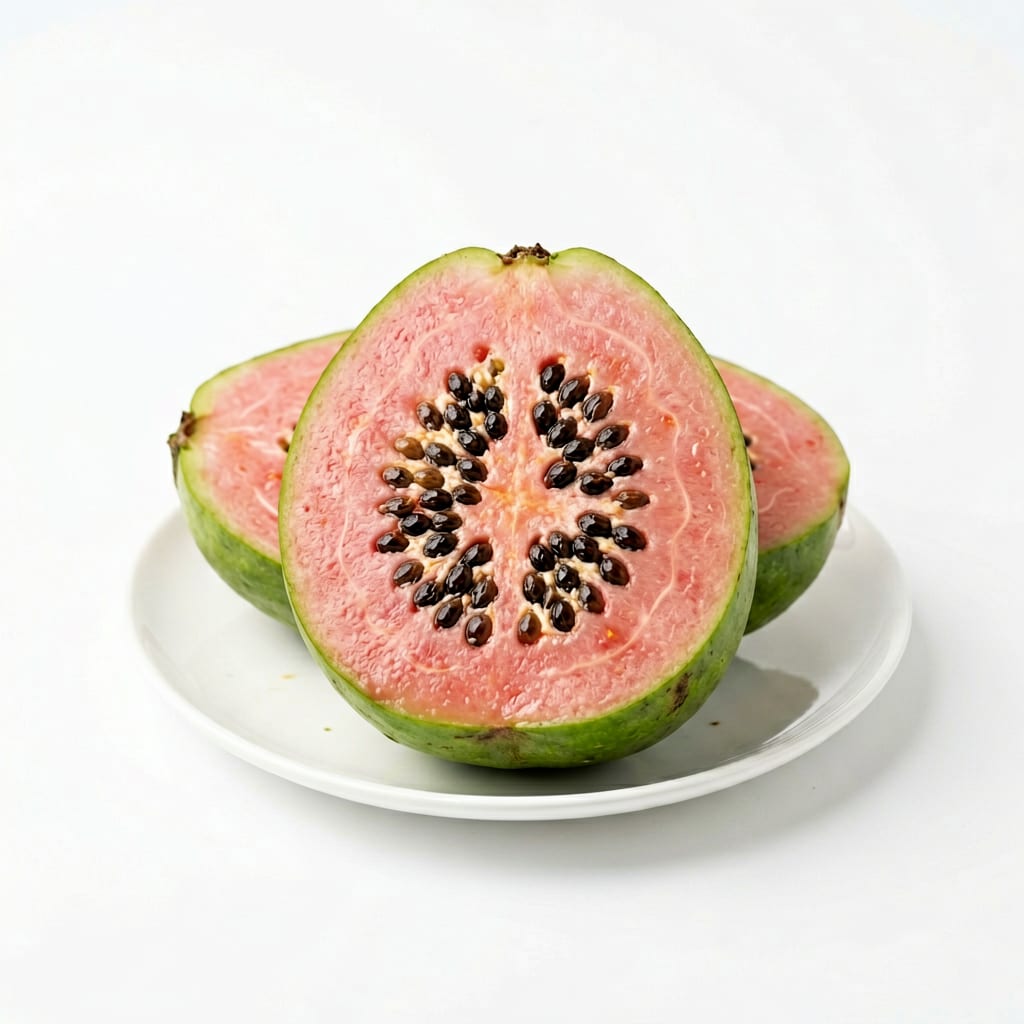
Feijoa
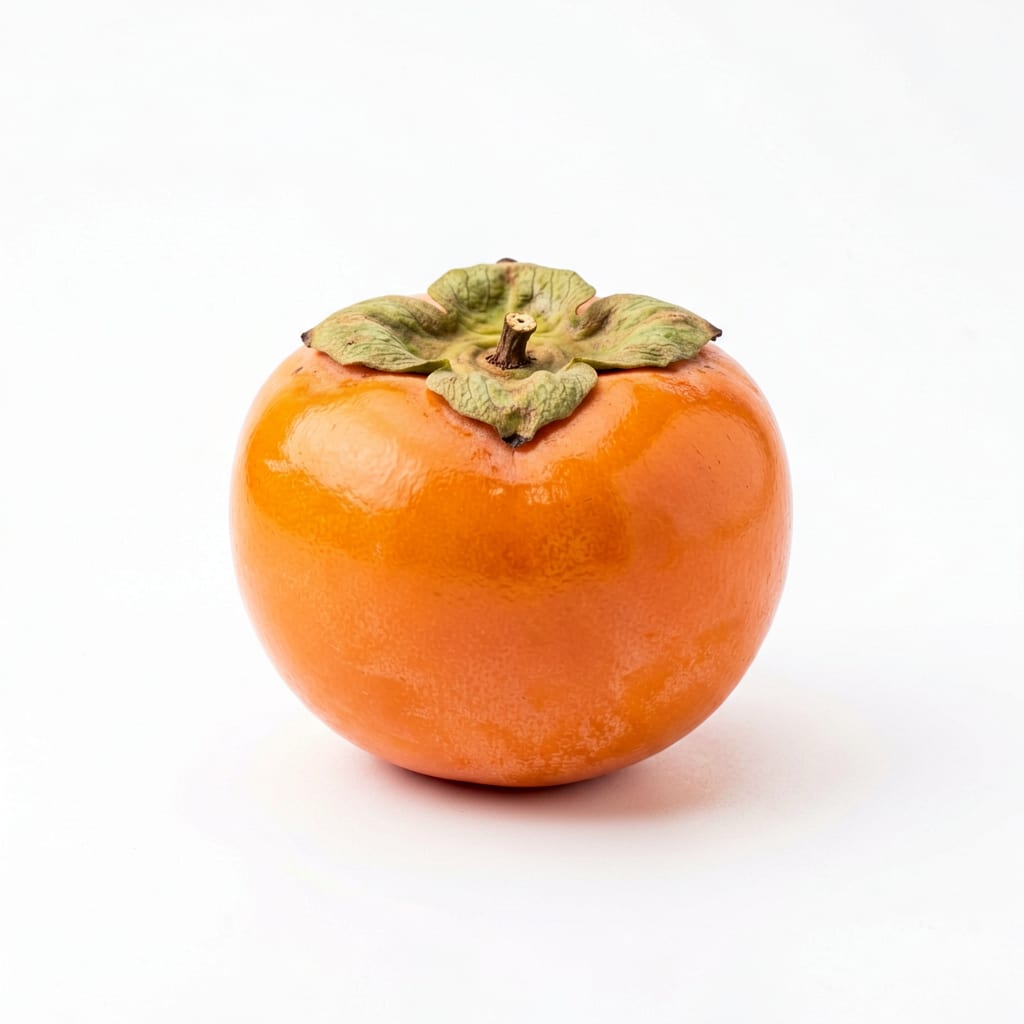
Persimmon
Feijoa wins for blood sugar control and vitamin C, while Persimmon dominates for vitamin A and antioxidant carotenoids—your choice depends on what your diet lacks most.
Feijoa edges ahead due to its lower sugar impact, superior folate content, and gentler digestive profile. Persimmon scores well on nutrient density but loses ground on glycemic load and the real risk of tannin-related digestive issues. The close scores reflect that both are genuinely healthy whole fruits with different strengths.
Persimmon delivers more total nutrients per bite but carries a higher sugar load and digestive risk if unripe; Feijoa offers steadier energy and gut-friendly fiber with a milder nutrient punch.
At a glance
Executive summary
Overall
It depends
Healthier
It depends
More practical
Persimmon
Daily use
Feijoa
Key comparison lenses
nutrient density comparison
Both fruits offer distinct micronutrient profiles—Feijoa excels in vitamin C and folate while Persimmon dominates in vitamin A and manganese
blood sugar and diabetes concern
Persimmon's higher sugar content and glycemic impact versus Feijoa's lower GI makes this critical for metabolic health decisions
digestive tolerance
Unripe persimmons contain tannins that can cause serious digestive issues, while feijoas are gentler on the stomach
antioxidant diversity
Each fruit brings radically different antioxidant families—carotenoids in persimmon versus polyphenols in feijoa
availability and practicality
Persimmon is far more accessible in most markets, while feijoa remains niche and seasonal
Best choice for
Feijoa
- People managing blood sugar or insulin resistance
- Anyone needing more vitamin C and folate
- Those with sensitive digestion who want a safer tropical fruit
- Individuals seeking low-sugar fruit options
Persimmon
- People needing vitamin A support for eye health
- Anyone wanting potent carotenoid antioxidants
- Those who can easily find ripe persimmons in season
- Individuals looking for manganese and copper trace minerals
Least suitable for
Feijoa
- People who cannot find it locally or afford premium pricing
- Anyone needing high caloric intake from fruit
- Those wanting significant vitamin A from their fruit serving
Persimmon
- People with diabetes or blood sugar concerns
- Anyone prone to digestive sensitivity or constipation
- Those unfamiliar with ripeness indicators who might eat unripe fruit
- People on low-sugar diets
Deep comparison
Dimension by dimension
Each lens scores both foods and breaks down who each option suits.
- Dimension 1 · Priority 92Feijoa
blood_sugar_stability
Feijoa · 82Persimmon · 55Feijoa has significantly less sugar and a lower glycemic impact, making it far more blood-sugar friendly.
Tradeoff
Persimmon tastes richer and more satisfying but at the cost of a sharper blood sugar rise, especially on an empty stomach.
Why it matters
For anyone watching glucose—whether diabetic, prediabetic, or just avoiding afternoon crashes—this difference is the most important one in the comparison.
Real-world impact
Eating a persimmon as a standalone snack can leave you hungry again within an hour. Feijoa provides steadier, longer-lasting energy without the spike-crash cycle.
Feijoa
- Diabetics and prediabetics
- Intermittent fasters breaking a fast
- Anyone prone to energy crashes after sweet snacks
Better for
- Endurance athletes who need fast glycogen replenishment
Worse for
Persimmon
- Athletes needing quick carbohydrate fuel post-workout
- Underweight individuals seeking calorie-dense fruit
Better for
- Insulin-resistant individuals
- Anyone eating fruit before a sedentary afternoon
Worse for
- Dimension 2 · Priority 88Persimmon
micronutrient_density
Feijoa · 70Persimmon · 85Persimmon packs more total micronutrients per serving, especially vitamin A, manganese, and copper.
Tradeoff
You get more nutrients with persimmon but also more sugar—nutrient density comes packaged with higher calories and carbs.
Why it matters
If your diet is low in vitamin A or trace minerals, persimmon is one of the best fruit sources available. Feijoa cannot replace it for those specific nutrients.
Real-world impact
One persimmon covers over half your daily vitamin A needs. You would need to eat several feijoas to match that, and they still would not provide significant vitamin A.
Feijoa
- Pregnant women needing folate
- Anyone seeking immune support from vitamin C
Better for
- Anyone relying on fruit as a primary vitamin A source
Worse for
Persimmon
- People with vitamin A deficiency concerns
- Anyone wanting eye-health supporting carotenoids
- Those needing manganese for bone metabolism
Better for
- People already exceeding vitamin A intake from other sources
Worse for
- Dimension 3 · Priority 82Feijoa
digestive_tolerance
Feijoa · 85Persimmon · 55Feijoa is gentle and gut-friendly with soluble fiber, while unripe persimmon contains tannins that can cause serious digestive blockage.
Tradeoff
Persimmon is perfectly safe when fully ripe, but the ripeness window is narrow and mistakes are unpleasant. Feijoa has no such risk.
Why it matters
The tannin issue with unripe persimmon is not theoretical—it causes a real condition called diospyrobezoar that can require medical intervention.
Real-world impact
Bite into an unripe Hachiya persimmon and your mouth puckers painfully. Eat several and you risk intestinal blockage. Feijoa never poses this danger regardless of ripeness.
Feijoa
- People with sensitive stomachs
- Children who might bite into fruit before checking ripeness
- Anyone with history of bowel obstruction or slow digestion
Better for
- No significant digestive downside
Worse for
Persimmon
- Experienced fruit eaters who know how to select ripe specimens
Better for
- Impulsive eaters who cannot wait for full ripeness
- Elderly individuals with slower gut motility
- Children unfamiliar with astringent fruit warnings
Worse for
- Dimension 4 · Priority 78It depends
antioxidant_diversity
Feijoa · 75Persimmon · 78Persimmon brings carotenoid antioxidants while Feijoa offers polyphenols and flavonoids—different families serving different protective roles.
Tradeoff
Neither fruit covers the full antioxidant spectrum alone. Rotating both gives you broader cellular protection than eating either exclusively.
Why it matters
Carotenoids protect skin, eyes, and cell membranes. Polyphenols protect blood vessels and reduce inflammation. You benefit most from both.
Real-world impact
If you already eat carrots, sweet potatoes, and leafy greens, persimmon adds less unique antioxidant value. Feijoa's polyphenols complement those foods better.
Feijoa
- People already eating orange vegetables regularly
- Anyone wanting vascular and anti-inflammatory antioxidant support
Better for
- Those whose diets lack carotenoid sources entirely
Worse for
Persimmon
- People with low carotenoid intake overall
- Anyone wanting skin and eye protection from fruit
Better for
- People already saturated with carotenoid-rich foods
Worse for
- Dimension 5 · Priority 72Persimmon
practicality_and_accessibility
Feijoa · 40Persimmon · 75Persimmon is widely available in mainstream grocery stores during season. Feijoa is niche, expensive, and hard to find outside specialty markets.
Tradeoff
Feijoa may be the healthier daily-choice fruit, but you probably cannot get it daily. Persimmon is the realistic option for most people.
Why it matters
The healthiest fruit only matters if you can actually buy and eat it consistently. Access determines real-world outcomes.
Real-world impact
Most people can find persimmons at a regular supermarket in autumn. Finding fresh feijoa often requires farmers markets, specialty stores, or online ordering at premium prices.
Feijoa
- People living in New Zealand, California, or regions where feijoas grow locally
- Home gardeners willing to grow their own feijoa tree
Better for
- Budget-conscious shoppers outside growing regions
- Anyone without access to specialty produce markets
Worse for
Persimmon
- Most shoppers in North America, Europe, and East Asia
- Anyone wanting reliable seasonal availability
Better for
- No significant accessibility downside
Worse for
Timeline
Health impact over time
Short-term
Hours to days
Feijoa
- Steady energy without blood sugar spikes
- Mild digestive comfort from soluble fiber
- Refreshing hydration with moderate sweetness
Persimmon
- Noticeable energy boost from natural sugars
- Risk of mouth-puckering astringency if unripe
- Very satisfying sweet flavor that curbs cravings quickly
Long-term
Months to years
Feijoa
- Consistent folate intake supports cell repair and healthy pregnancy
- Vitamin C contributes to collagen maintenance and immune resilience
- Low sugar load protects metabolic health over years of regular consumption
Persimmon
- Sustained vitamin A intake supports vision and skin health long-term
- Carotenoid accumulation provides UV skin protection from within
- Higher sugar intake from daily persimmon may gradually affect insulin sensitivity in susceptible individuals
Risk profile
Safety & processing
Both feijoa and persimmon are whole, unprocessed fruits typically eaten fresh. Neither carries processing concerns. The only real difference is that dried persimmon products sometimes contain added sulfur dioxide, which sensitive individuals should watch for.
Feijoa
Allergic cross-reactivity
lowRare but possible cross-reaction in people allergic to other Myrtaceae family fruits like guava or eucalyptus honey.
Persimmon
Tannin-induced bezoar formation
highUnripe persimmons, especially the Hachiya variety, contain high levels of soluble tannins that can form hard masses in the stomach when consumed in quantity. This condition, diospyrobezoar, can cause bowel obstruction and may require surgical removal.
Sulfur dioxide in dried products
mediumDried persimmons are commonly treated with sulfites as a preservative. People with sulfite sensitivity, particularly asthmatics, should check labels carefully.
Who wins for whom
Audience fit
Same foods, different winners depending on your goal.
children
FeijoaFeijoa poses no tannin risk and has a milder, kid-friendly flavor. Persimmon's astringency danger and ripeness dependency make it less safe for young children.
daily consumption
FeijoaLower cumulative sugar intake and zero digestive risk make feijoa the safer daily habit—assuming you can source it.
diabetes
FeijoaLower glycemic load and significantly less sugar make feijoa the safer choice for blood glucose management.
elderly
FeijoaOlder adults with slower digestion face higher risk from persimmon tannins. Feijoa's gentle fiber and folate content also support aging bodies better.
muscle gain
PersimmonPersimmon provides more carbohydrates and calories per serving, offering better post-workout glycogen replenishment.
weight loss
FeijoaFewer calories, less sugar, and more fiber per unit of sweetness make feijoa easier to enjoy without overconsuming.
Your move
Decision guide
Choose Feijoa
- You are managing blood sugar, insulin resistance, or diabetes
- You want a low-sugar fruit you can eat daily without metabolic concern
- You have sensitive digestion or are prone to constipation
- You are pregnant and want natural folate from fruit
- You live where feijoas grow and can access them affordably
Choose Persimmon
- You need more vitamin A and carotenoids in your diet
- You are an athlete wanting carb-rich fruit for recovery
- You eat plenty of other low-sugar foods and can afford the sugar load
- You can reliably identify ripe persimmons and enjoy their unique texture
- You want a widely available seasonal fruit with bold flavor
Either works if
- You simply want more fruit variety in your diet
- You have no blood sugar concerns or digestive sensitivities
- You enjoy rotating seasonal fruits rather than eating one daily
Avoid both if
- You have a strict low-FODMAP requirement, as both contain fermentable sugars
- You are on a very low-carb or ketogenic diet
- You have specific fruit allergies to either Myrtaceae or Ebony family plants
Final recommendation
Eat both when available, but lean toward feijoa for daily use and persimmon as an occasional nutrient-dense treat. If blood sugar is any concern, feijoa is your default. If eye health and vitamin A are priorities, persimmon earns a regular spot. The ideal approach is seasonal rotation—enjoy persimmons in autumn when they peak, and feijoas whenever you can find them fresh.
Practical
Consumer tips
- 1
For persimmon, learn the difference: Fuyu varieties are squat and can be eaten crisp like an apple; Hachiya are acorn-shaped and must be jelly-soft before eating or they will pucker your mouth intensely.
- 2
Freeze overripe persimmon pulp in ice cube trays for smoothies—it adds natural sweetness and thick, creamy texture.
- 3
Feijoas are ripe when they yield slightly to pressure and fall from the tree naturally—avoid rock-hard ones.
- 4
Scoop feijoa flesh directly from the skin with a spoon; the jelly-like center is the sweetest part.
- 5
If you cannot find fresh feijoas, look for frozen pulp in Latin American or New Zealand specialty shops—it retains most nutrients.
- 6
Never eat more than two persimmons in a single sitting, especially on an empty stomach, to avoid tannin-related digestive issues.
- 7
Pair persimmon with a protein or fat source like yogurt or nuts to blunt the blood sugar spike.