
Nutrition comparison
Feijoa vs Guava: Nutrition, Health Benefits & Which is Better
Compare Feijoa vs Guava to see which tropical fruit wins for Vitamin C, fiber, and overall health benefits. Discover the nutritional tradeoffs.
Overall winner · Guava
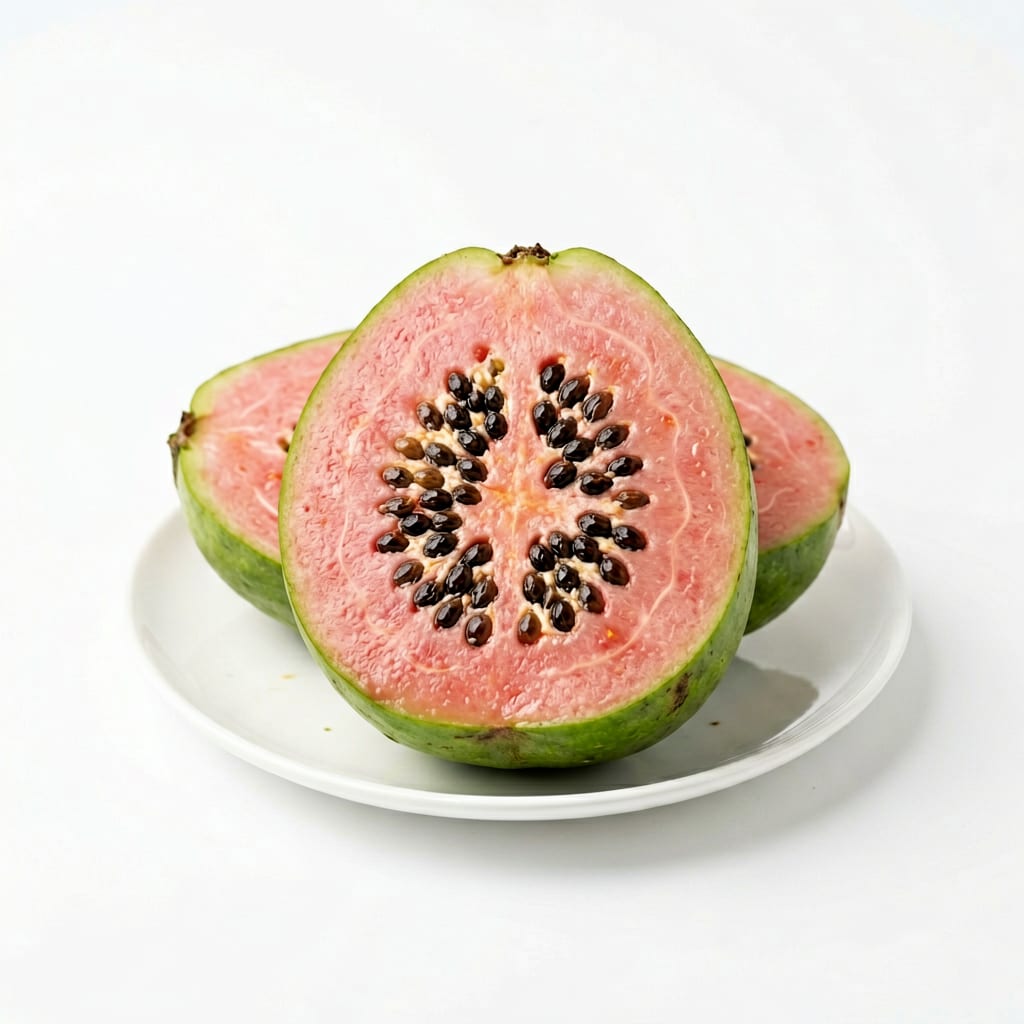
Feijoa
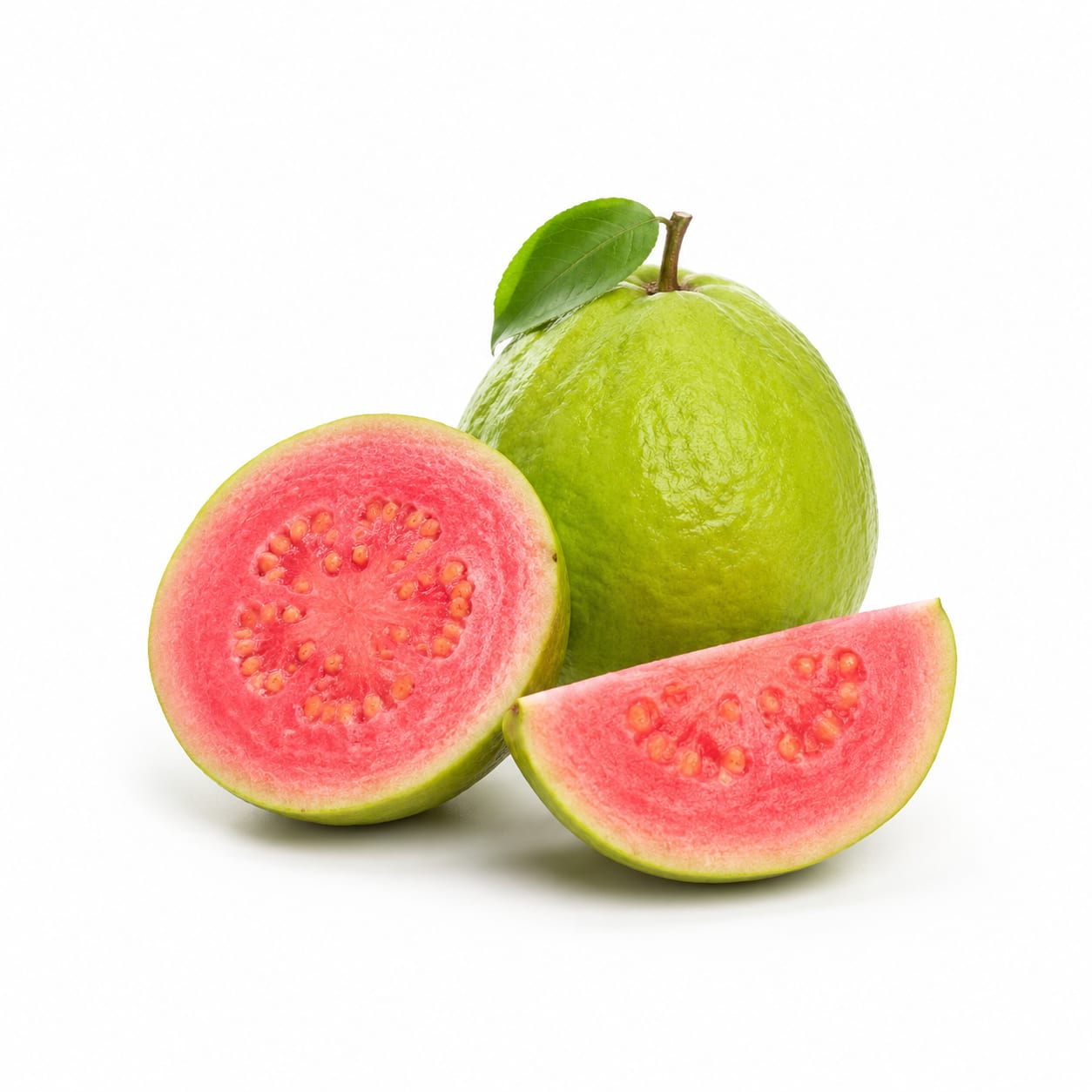
Guava
Guava dominates in Vitamin C and antioxidants, while Feijoa offers a unique iodine boost and slightly more fiber per calorie.
Guava wins overall due to its unmatched Vitamin C content, lycopene, and better protein-to-calorie ratio. Feijoa is an excellent high-fiber, low-calorie choice with unique iodine, but Guava's nutrient density and availability make it a more practical daily staple.
Guava gives you unmatched immune support and lycopene, whereas Feijoa is a fiber-rich, lower-calorie treat with rare dietary iodine.
At a glance
Executive summary
Overall
Guava
Healthier
Guava
More practical
Guava
Daily use
Guava
Key comparison lenses
Vitamin C and Immune Support
Guava is famously one of the highest Vitamin C fruits available, making immunity a natural focal point.
Fiber and Digestive Health
Both fruits are fiber powerhouses, so comparing how they aid digestion and satiety is highly relevant.
Unique Micronutrients
Feijoa's iodine and Guava's lycopene offer distinct health benefits that set them apart from common fruits.
Availability and Practicality
Feijoa is notoriously seasonal and regional, impacting how easily users can actually adopt it as a habit.
Best choice for
Feijoa
- People seeking dietary iodine
- Those wanting a lower calorie high-fiber snack
- Gardeners in temperate climates who grow their own
Guava
- Immune system support
- Lycopene and antioxidant needs
- People wanting a more filling fruit with protein
Least suitable for
Feijoa
- People who need easy supermarket availability
- Those looking for high protein in fruit
Guava
- People with severe fructose intolerance
- Those who dislike tropical flavors or seeds
Deep comparison
Dimension by dimension
Each lens scores both foods and breaks down who each option suits.
- Dimension 1 · Priority 95Guava
Vitamin C & Immune Power
Feijoa · 75Guava · 98Guava is one of the most concentrated Vitamin C sources on the planet, far outpacing Feijoa.
Tradeoff
Feijoa still provides solid immune support, but you would need to eat much more to match Guava's Vitamin C content.
Why it matters
Vitamin C is crucial for skin health, wound healing, and fighting off everyday colds.
Real-world impact
Eating a single Guava can nearly cover your entire daily Vitamin C requirement, keeping your immune defenses strong.
Feijoa
- Matching the sheer Vitamin C density
- Getting maximum antioxidant impact per calorie
Worse for
Guava
- Fighting off colds
- Collagen production for skin
- Daily immune defense
Better for
- Dimension 2 · Priority 85It depends
Digestive Health & Satiety
Feijoa · 90Guava · 88Both are fiber champions, but Feijoa has slightly more fiber per calorie, while Guava offers more protein for fullness.
Tradeoff
Feijoa is lighter and extremely high in fiber, whereas Guava is more filling overall due to its protein and fiber combo.
Why it matters
High fiber keeps you regular, while protein and fiber together prevent overeating later in the day.
Real-world impact
Feijoa feels like a light, cleansing snack, while Guava feels more like a mini-meal that actually holds you over.
Feijoa
- Maximum fiber per calorie
- Gentle, light digestion
Better for
- Providing lasting satiety without pairing
Worse for
Guava
- Staying full between meals
- Preventing afternoon snacking
Better for
- Being as light on the stomach for sensitive days
Worse for
- Dimension 3 · Priority 80Guava
Blood Sugar Stability
Feijoa · 85Guava · 90Guava's combination of fiber and protein gives it a slight edge for keeping blood sugar steady.
Tradeoff
Feijoa is still an excellent low-glycemic choice, but lacks the protein that helps blunt sugar absorption.
Why it matters
Stable blood sugar means no energy crashes or sudden cravings an hour after eating.
Real-world impact
Guava is a safer bet for a standalone snack if you are watching your blood sugar, keeping your energy smooth and predictable.
Feijoa
- Pairing with a protein source to match Guava's stability
Worse for
Guava
- Diabetics seeking a standalone fruit
- Avoiding energy crashes
Better for
- Dimension 4 · Priority 80It depends
Unique Nutrients & Antioxidants
Feijoa · 85Guava · 92Guava brings massive lycopene and potassium, while Feijoa is one of the few fruit sources of dietary iodine.
Tradeoff
Guava is better for heart and cellular protection, while Feijoa is uniquely supportive of thyroid function.
Why it matters
Iodine is rare in fruits and essential for metabolism; lycopene is a potent antioxidant for heart and prostate health.
Real-world impact
Pink Guava is a cellular shield, while Feijoa is a metabolism booster for those lacking iodine in their diet.
Feijoa
- Supporting thyroid health
- Getting dietary iodine from a fruit source
Better for
- Providing significant potassium or lycopene
Worse for
Guava
- Heart health support
- Cellular protection from lycopene
Better for
- Contributing to dietary iodine intake
Worse for
- Dimension 5 · Priority 75Guava
Availability & Practicality
Feijoa · 55Guava · 80Guava is widely available in supermarkets globally, while Feijoa remains a niche, seasonal find in most regions.
Tradeoff
Feijoa is a rare treat that requires hunting down or growing yourself, whereas Guava is easy to incorporate into regular shopping.
Why it matters
The healthiest food is the one you can actually find and eat consistently.
Real-world impact
You can build a daily habit around Guava easily, but Feijoa will likely remain an occasional seasonal indulgence.
Feijoa
- Reliable availability
- Living outside of NZ, Australia, or South America
Worse for
Guava
- Consistent daily access
- Finding in local grocery stores
Better for
Timeline
Health impact over time
Short-term
Hours to days
Feijoa
- Gentle digestive relief from high fiber
- A refreshing, aromatic flavor experience
- Light energy without a sugar crash
Guava
- Quick immune system boost from massive Vitamin C
- Strong feeling of fullness that curbs hunger
- Steady, reliable energy
Long-term
Months to years
Feijoa
- Better thyroid regulation from dietary iodine
- Consistent bowel regularity
- Lower overall calorie intake if used as a snack
Guava
- Improved skin elasticity and wound healing from Vitamin C
- Enhanced cellular protection from lycopene
- Better heart health markers due to potassium and fiber
Risk profile
Safety & processing
Both Feijoa and Guava are whole, natural fruits typically eaten raw, making them completely free from artificial additives when fresh.
Feijoa
Pesticide residue
mediumFeijoa skin is edible and highly nutritious, but can harbor pesticide residue if not organic. Washing thoroughly is essential.
Oxalate content
lowFeijoas contain moderate oxalates, which could be a minor concern for those prone to kidney stones if consumed in massive amounts.
Guava
Pesticide residue
mediumLike Feijoa, Guava is often eaten with the skin, so non-organic varieties may carry pesticide residue.
Dental concerns from seeds
lowThe hard seeds in Guava can be tough on dental work or sensitive teeth if not chewed carefully or blended.
Who wins for whom
Audience fit
Same foods, different winners depending on your goal.
children
GuavaGuava is sweeter, softer when ripe, and its massive Vitamin C content is great for growing immune systems.
daily consumption
GuavaGuava is far easier to find year-round, making it a more practical daily staple.
diabetes
GuavaGuava's fiber and protein duo slows sugar absorption better, leading to steadier blood sugar levels.
elderly
GuavaGuava provides exceptional nutrients for aging, like lycopene and Vitamin C, though the seeds might require blending for those with dental issues.
muscle gain
GuavaNeither is a protein powerhouse, but Guava has significantly more protein per serving to support muscle maintenance.
weight loss
GuavaGuava is more filling per serving due to its protein and fiber combination, making it easier to stick to a calorie deficit.
Your move
Decision guide
Choose Feijoa
- You want a unique flavor and iodine boost
- You have access to fresh Feijoas locally
- You prefer a lower calorie, scoopable fruit
Choose Guava
- You want maximum Vitamin C and antioxidants
- You need a filling, protein-rich fruit snack
- You want something easier to find year-round
Either works if
- You want a high-fiber, low-glycemic tropical fruit
- You are focusing on whole-food snacking
Avoid both if
- You have strict fructose restrictions
- You dislike tart or tropical fruit flavors
Final recommendation
Choose Guava for a daily nutrient-dense snack that boosts your immune system and keeps you full. Seek out Feijoa when in season for a refreshing, low-calorie treat that supports your thyroid and digestion.
Practical
Consumer tips
- 1
Scoop Feijoas when they feel slightly soft to the touch for peak sweetness and a jelly-like texture.
- 2
Choose pink Guava over white varieties if you want the antioxidant benefits of lycopene.
- 3
Blend Guava seeds into smoothies instead of straining them out to keep the fiber and crunch without damaging dental work.
- 4
Eat both fruits with the skin on to maximize your fiber and antioxidant intake, but always wash them thoroughly first.
- 5
If you cannot find fresh Feijoa, look for frozen pulp, which retains most of the nutrients and works great in smoothies.