
Nutrition comparison
Feijoa vs Passionfruit: Nutrition, Sugar, and Health Comparison
Compare feijoa and passionfruit side by side. Discover which tropical fruit is lower in sugar, higher in fiber, and better for your specific health goals.
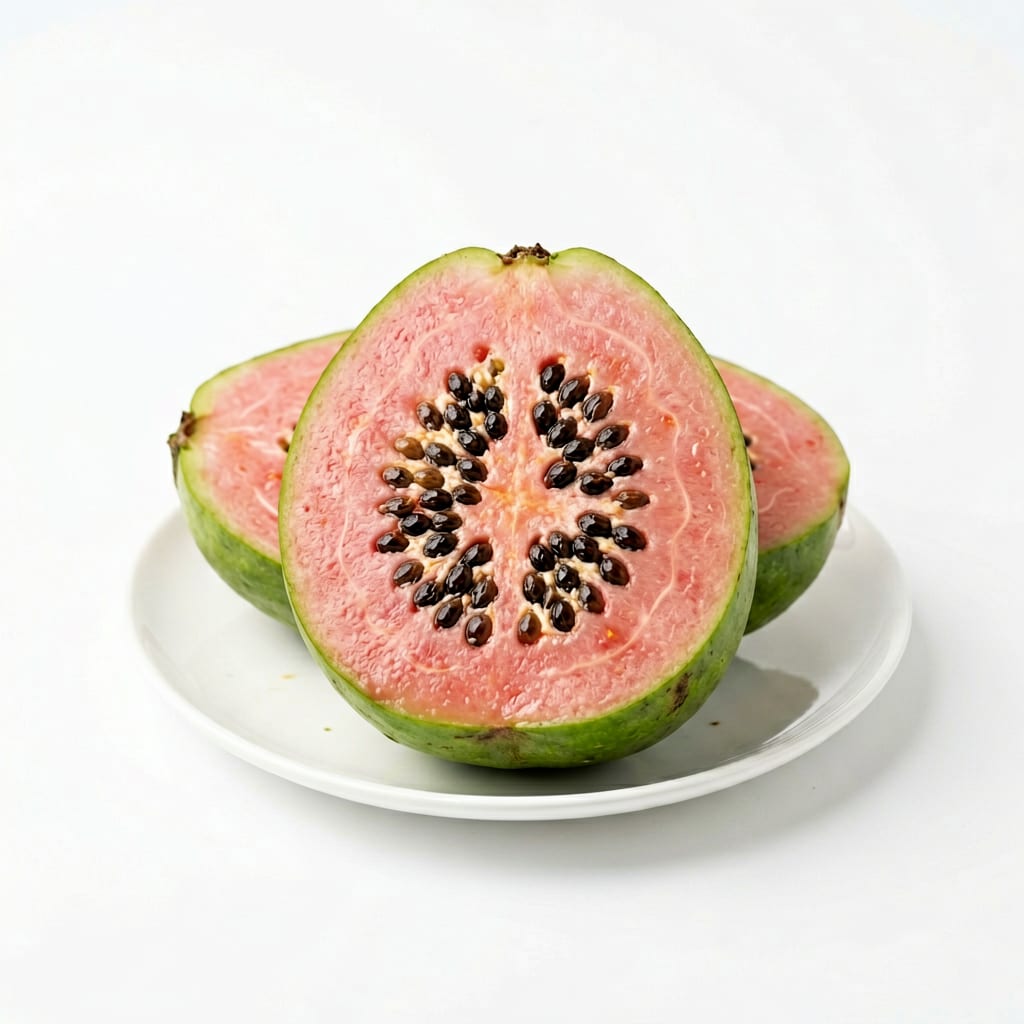
Feijoa
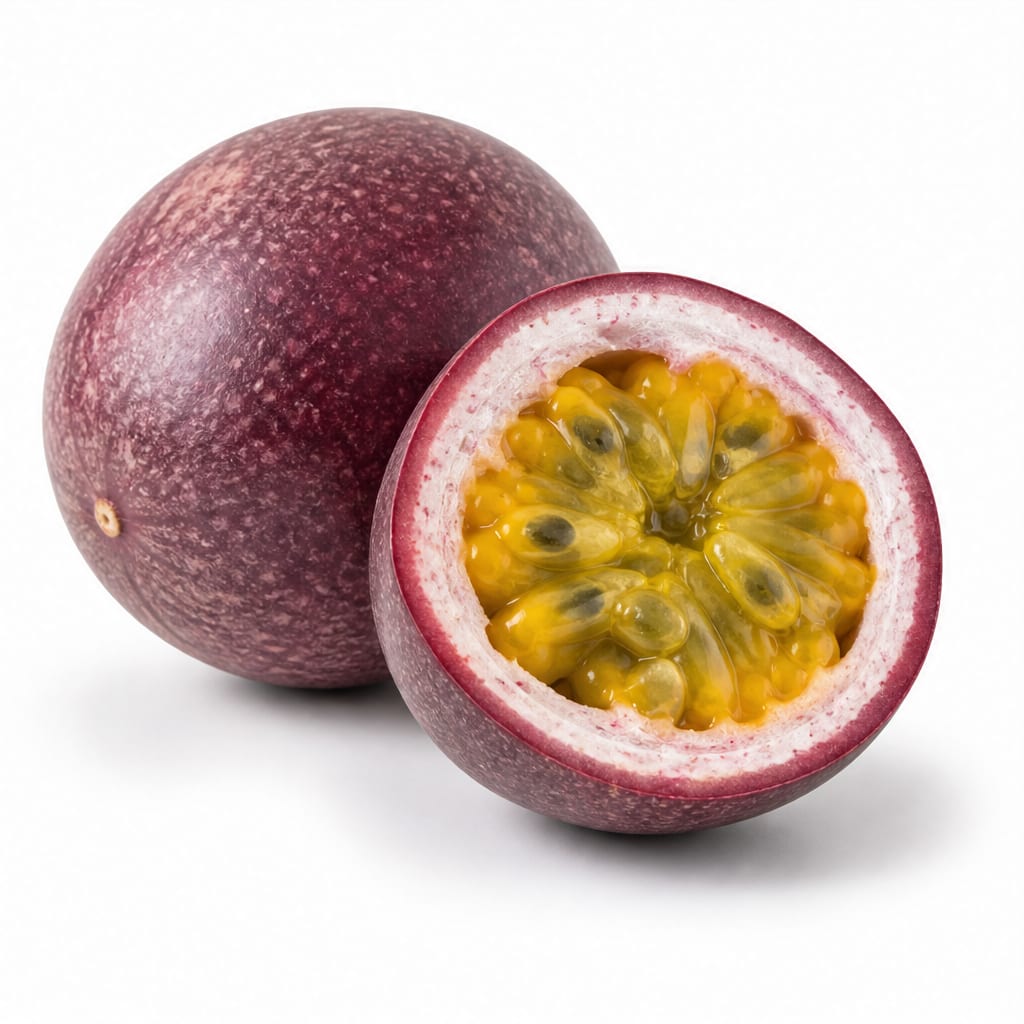
Passionfruit
Feijoa wins for lower sugar and higher iodine, while passionfruit delivers more vitamin A and intense flavor in smaller portions.
Feijoa edges ahead with lower sugar, fewer calories, and unique iodine content, but passionfruit remains competitive with superior vitamin A and more practical availability. The close scores reflect that both are excellent fruit choices with different strengths.
Feijoa offers a lighter, lower-calorie eating experience with unique iodine content, but passionfruit packs more nutrients per gram with stronger taste satisfaction.
At a glance
Executive summary
Overall
It depends
Healthier
It depends
More practical
Passionfruit
Daily use
Feijoa
Key comparison lenses
Tropical fruit nutritional value comparison
Both are exotic tropical fruits users encounter and want to understand which offers better nutrition
Sugar and blood sugar impact
Passionfruit is notably sweeter and more calorie-dense, making sugar comparison critical for many users
Antioxidant and immune support
Both fruits are prized for vitamin C and unique phytonutrients, driving immune health decisions
Digestive health and fiber
Both fruits offer significant fiber but from different sources, affecting gut health differently
Availability and practical eating
Feijoa is seasonal and harder to find, while passionfruit is more consistently available
Best choice for
Feijoa
- People watching their sugar intake
- Those seeking low-calorie fruit options
- Anyone needing iodine support
- People who prefer mild, refreshing flavors
- Budget-conscious shoppers in season
Passionfruit
- People wanting intense flavor in small portions
- Those needing vitamin A support
- Anyone seeking convenient year-round tropical fruit
- People who enjoy tart-sweet flavor combinations
- Those prioritizing antioxidant variety
Least suitable for
Feijoa
- People outside growing regions who lack access
- Anyone wanting consistent year-round availability
- Those who dislike grainy textures
Passionfruit
- People strictly limiting sugar
- Those sensitive to tart or acidic flavors
- Anyone watching calorie density closely
Deep comparison
Dimension by dimension
Each lens scores both foods and breaks down who each option suits.
- Dimension 1 · Priority 92Feijoa
Sugar and Calorie Load
Feijoa · 85Passionfruit · 62Feijoa delivers satisfying sweetness with roughly half the sugar and calories of passionfruit per serving.
Tradeoff
Passionfruit's higher sugar content comes with more concentrated nutrients, so you get more per bite but at a caloric cost.
Why it matters
For anyone managing weight or blood sugar, this difference affects how much and how often you can enjoy each fruit.
Real-world impact
You can eat two feijoas for the calorie cost of one passionfruit, making feijoa easier to enjoy generously without second-guessing.
Feijoa
- Steadier blood sugar response
- More generous portion sizes
- Easier to fit into calorie-controlled eating
Better for
- Less intense flavor reward per bite
Worse for
Passionfruit
- More nutrient density per calorie consumed
- Greater flavor satisfaction in small amounts
Better for
- Easy to overconsume if eating multiple fruits
- Less suitable for low-carb approaches
Worse for
- Dimension 2 · Priority 90It depends
Vitamin and Mineral Profile
Feijoa · 78Passionfruit · 80Passionfruit leads in vitamin A and iron, while feijoa uniquely provides iodine and more folate.
Tradeoff
Each fruit shines in different nutritional niches rather than one dominating across the board.
Why it matters
Your personal nutrient gaps should drive which fruit serves you better.
Real-world impact
If you rarely eat seafood or iodized salt, feijoa fills a rare fruit-based iodine gap. If you need eye-health support, passionfruit's vitamin A is more useful.
Feijoa
- Thyroid support via iodine
- Pregnancy-friendly folate content
- Decent potassium for blood pressure
Better for
- Very little vitamin A
- Lower iron content
Worse for
Passionfruit
- Vision and skin health from vitamin A
- Iron for energy and blood health
- More concentrated vitamin C per gram
Better for
- No meaningful iodine
- Less folate per serving
Worse for
- Dimension 3 · Priority 82Passionfruit
Fiber and Digestive Health
Feijoa · 72Passionfruit · 84Passionfruit provides significantly more fiber per serving, largely from its edible seeds and pulp.
Tradeoff
Feijoa's fiber is gentler and easier to tolerate, while passionfruit's seed-based fiber is more potent but texturally challenging.
Why it matters
Fiber intake directly affects fullness, digestion regularity, and gut microbiome health.
Real-world impact
A single passionfruit can provide nearly a quarter of your daily fiber needs, making it an efficient gut-health booster. Feijoa works better if you prefer easier-to-eat fiber without crunching seeds.
Feijoa
- Smoother texture for sensitive digestion
- Less likely to cause bloating
- Easier to eat in larger quantities
Better for
- Lower total fiber contribution
- Less impact on gut bacteria diversity
Worse for
Passionfruit
- Much higher total fiber per serving
- Seed fiber supports gut microbiome diversity
- More effective for constipation relief
Better for
- Seeds may bother sensitive stomachs
- Some people find the texture unpleasant
Worse for
- Dimension 4 · Priority 85Passionfruit
Antioxidant and Anti-inflammatory Power
Feijoa · 73Passionfruit · 82Passionfruit offers a broader spectrum of antioxidants including carotenoids and polyphenols that feijoa lacks.
Tradeoff
Feijoa still provides solid antioxidant content but with less variety and lower concentrations of the most studied protective compounds.
Why it matters
Antioxidant diversity matters more than total amount for long-term inflammation and disease risk reduction.
Real-world impact
Regular passionfruit consumption may offer more noticeable anti-inflammatory benefits over time, especially for skin and joint health.
Feijoa
- Good vitamin C for immune support
- Unique polyphenols from feijoa skin
- Decent everyday antioxidant coverage
Better for
- Narrower antioxidant spectrum
- Less research on specific protective compounds
Worse for
Passionfruit
- Carotenoids for eye and skin protection
- Piceatannol for metabolic and anti-aging benefits
- Stronger evidence for inflammation reduction
Better for
- Most antioxidants are in seeds and skin which some people discard
Worse for
- Dimension 5 · Priority 75Passionfruit
Availability and Practical Eating
Feijoa · 55Passionfruit · 82Passionfruit is far easier to find year-round in most markets, while feijoa remains seasonal and region-limited.
Tradeoff
Feijoa's scarcity makes it a special treat when available, but passionfruit's reliability makes it a more dependable daily fruit choice.
Why it matters
The healthiest fruit is the one you can actually buy and eat consistently.
Real-world impact
If you live outside New Zealand or parts of South America, finding fresh feijoa requires effort or mail order. Passionfruit is in most grocery stores year-round.
Feijoa
- Often cheaper when in season locally
- Easy to scoop and eat whole
- Mild flavor pairs well with many foods
Better for
- Very short seasonal window
- Difficult to find in most countries
- Degrades quickly when ripe
Worse for
Passionfruit
- Consistent supermarket availability
- Longer shelf life when refrigerated
- Frozen and canned options retain nutrients well
Better for
- Can be expensive per unit
- Small yield per fruit frustrates some eaters
Worse for
- Dimension 6 · Priority 70Passionfruit
Flavor Satisfaction and Emotional Eating
Feijoa · 68Passionfruit · 82Passionfruit delivers a bold, intense flavor experience that feels more indulgent and satisfying per bite.
Tradeoff
Feijoa's gentle, refreshing taste is pleasant but less memorable, making it better for casual snacking than craving satisfaction.
Why it matters
Flavor intensity affects how satisfied you feel and whether a fruit can replace less healthy treats.
Real-world impact
When you want something that feels like a treat, passionfruit hits harder. Feijoa works better as a light, everyday snack that does not overwhelm.
Feijoa
- Pleasant and non-fatiguing for daily eating
- Works well in smoothies without dominating
- Refreshing in hot weather
Better for
- May feel bland compared to passionfruit
- Less versatile as a flavor accent
Worse for
Passionfruit
- Intense flavor satisfies sweet cravings effectively
- Small amount transforms yogurt, desserts, and drinks
- Feels like a luxury eating experience
Better for
- Strong flavor limits how much you want at once
- Tartness can be off-putting for some palates
Worse for
Timeline
Health impact over time
Short-term
Hours to days
Feijoa
- Gentle energy boost without sugar crash due to moderate glycemic load
- Mild digestive support from soluble fiber
- Refreshing hydration from high water content
Passionfruit
- Quick but noticeable energy lift from concentrated natural sugars
- More pronounced digestive stimulation from fiber and seeds
- Immediate flavor satisfaction that can curb sweet cravings
Long-term
Months to years
Feijoa
- Thyroid support from consistent iodine intake if eaten regularly
- Steady fiber contribution to heart and gut health
- Lower cumulative sugar exposure compared to sweeter fruits
Passionfruit
- Enhanced antioxidant protection against cellular aging
- Better vision and skin maintenance from carotenoid accumulation
- Improved gut microbiome diversity from seed fiber fermentation
Risk profile
Safety & processing
Both feijoa and passionfruit are whole, unprocessed fruits typically eaten fresh with minimal intervention. Neither carries meaningful additive concerns when purchased whole.
Feijoa
Pesticide residue on skin
lowFeijoa skin is often eaten and may carry surface pesticides if conventionally grown. Washing thoroughly reduces this. Organic options are preferable if eating skin.
Rapid spoilage when ripe
mediumFeijoas ferment quickly at peak ripeness, producing off-flavors and potential stomach upset if eaten past prime. Check for mushy texture or alcoholic smell.
Passionfruit
Mold on skin surface
lowPassionfruit's wrinkled skin can harbor surface mold. While the pulp inside is usually fine, inspect carefully and discard fruits with extensive mold or off-smells.
Choking hazard from seeds for young children
lowThe hard seeds are generally safe but could pose a minor choking risk for toddlers. Strain pulp for very young children.
Who wins for whom
Audience fit
Same foods, different winners depending on your goal.
children
FeijoaFeijoa's milder flavor and smoother texture appeal more to kids, and its lower sugar content is preferable for developing palates. Passionfruit seeds can also concern some parents.
daily consumption
FeijoaFeijoa's lower sugar and calorie profile makes it more sustainable for daily eating without accumulating excessive sugar intake, assuming you can source it consistently.
diabetes
FeijoaFeijoa's lower sugar content and gentler blood sugar impact make it the safer choice for glucose management, though both can fit in moderation.
elderly
PassionfruitPassionfruit's superior fiber helps with common constipation issues, and its vitamin A supports eye health. The intense flavor also helps those with diminished taste sensation enjoy eating.
muscle gain
It dependsNeither fruit is a meaningful protein source. Both offer post-workout carbs for recovery, but passionfruit's higher sugar may slightly favor quick glycogen replenishment.
weight loss
FeijoaFeijoa's lower calorie and sugar content allows larger portions with less caloric impact, making it easier to stay within daily limits while still feeling satisfied.
Your move
Decision guide
Choose Feijoa
- You are watching your sugar or calorie intake closely
- You want a refreshing, light fruit for everyday snacking
- Thyroid health or iodine intake is a personal priority
- You live in a region where feijoas are affordable and available
- You prefer mild flavors that do not dominate meals
Choose Passionfruit
- You want maximum flavor impact and eating pleasure
- Fiber intake and digestive regularity are top concerns
- You need a versatile garnish for yogurt, desserts, or drinks
- Vitamin A and antioxidant diversity matter most to you
- You value reliable availability over seasonal novelty
Either works if
- You simply want more tropical fruit variety in your diet
- Both are available and reasonably priced where you live
- You are rotating fruits for broad nutrient coverage
- Neither fruit is a dietary staple for you
Avoid both if
- You have a documented allergy to either fruit
- You are on a very strict low-carb or ketogenic diet
- You cannot source either fruit fresh and refuse processed versions
Final recommendation
Let access and personal health goals decide. If you can get fresh feijoas, enjoy their lighter sugar profile and unique iodine content as an everyday fruit. Turn to passionfruit when you want bold flavor, a fiber boost, or reliable year-round availability. Both deserve a place in a varied fruit rotation.
Practical
Consumer tips
- 1
If you cannot find fresh feijoa, frozen pulp retains most nutrients and works well in smoothies
- 2
Passionfruit pulp freezes exceptionally well in ice cube trays for convenient portioning
- 3
Eat feijoa skin for maximum fiber and antioxidants, but choose organic if possible to reduce pesticide exposure
- 4
Passionfruit with wrinkled skin is actually riper and sweeter, not spoiled
- 5
Pair passionfruit with protein-rich yogurt to blunt its sugar impact and increase satiety
- 6
Feijoas ripen quickly at room temperature, so refrigerate as soon as they yield to gentle pressure
- 7
Both fruits make excellent additions to overnight oats, adding moisture and flavor without added sugar