
Nutrition comparison
Feijoa vs Pineapple: Which Tropical Fruit Is Healthier?
Compare feijoa and pineapple on sugar, fiber, digestion, and nutrients. Feijoa wins for blood sugar and iodine; pineapple wins for availability and bromelain enzymes.
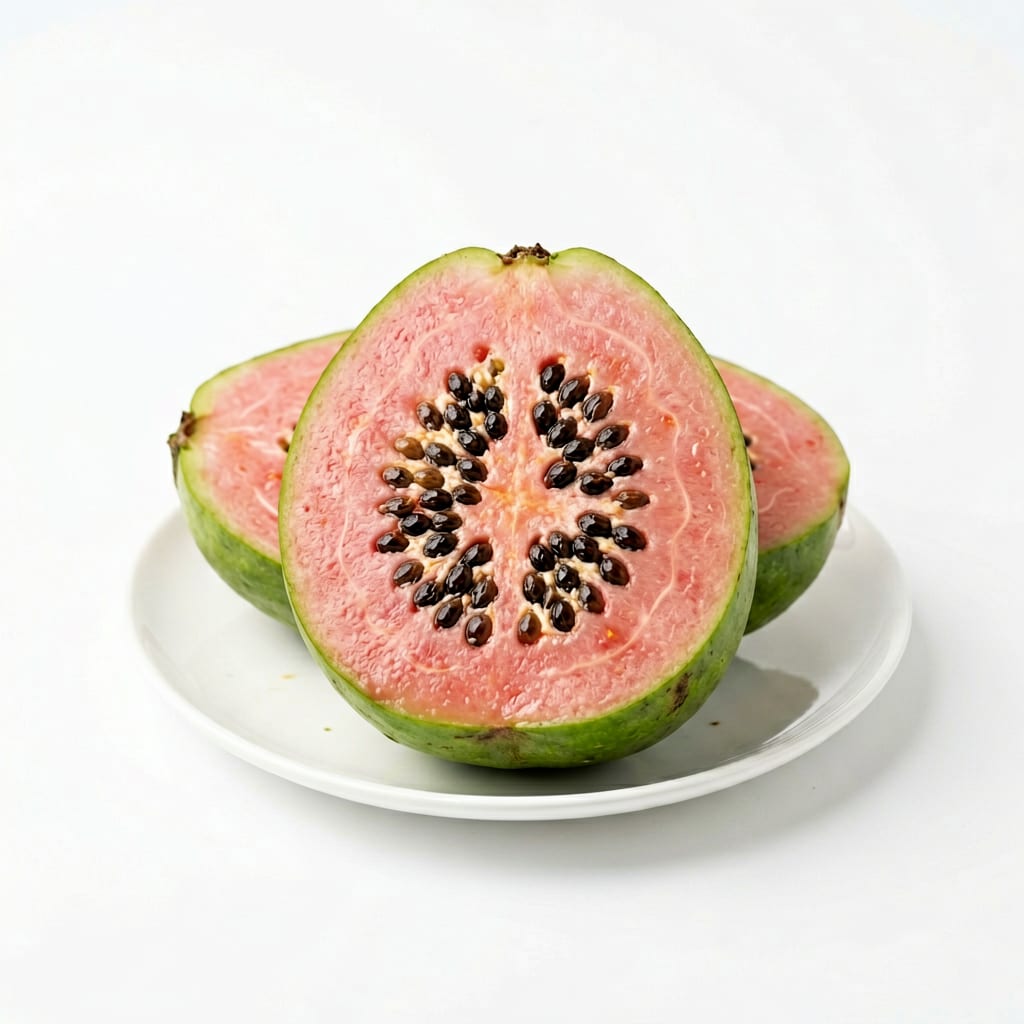
Feijoa
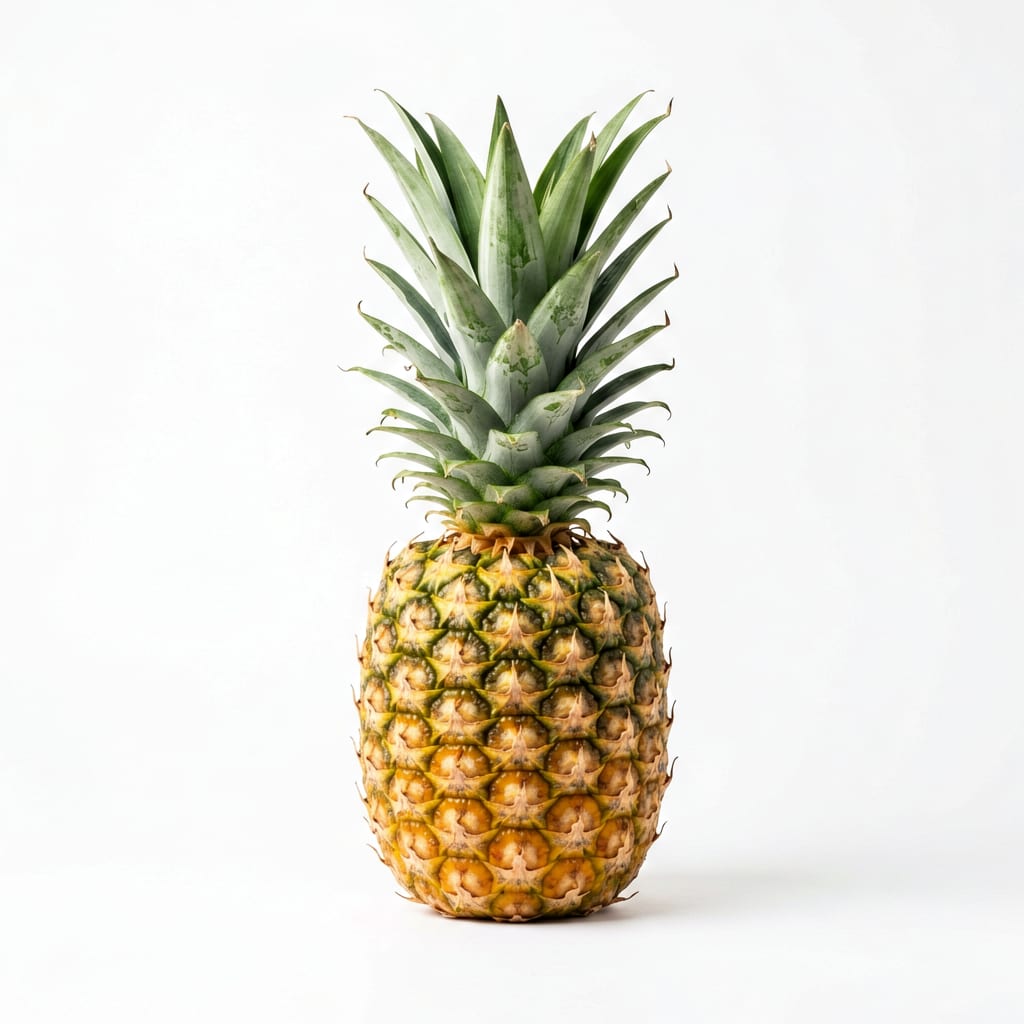
Pineapple
Feijoa wins for blood sugar control and unique nutrients like iodine, while pineapple wins for accessibility, digestive enzymes, and tropical flavor versatility.
Feijoa scores higher due to lower sugar, more fiber, and unique nutrients like iodine and folate. Pineapple remains strong for accessibility and bromelain but loses points for higher sugar content and acid-related digestive concerns.
Lower sugar and higher fiber in feijoa versus wider availability and bromelain enzymes in pineapple.
At a glance
Executive summary
Overall
It depends
Healthier
Feijoa
More practical
Pineapple
Daily use
Feijoa
Key comparison lenses
sugar content and blood sugar impact
Pineapple is notably high in sugar while feijoa is significantly lower, making this the most consequential difference for most users
digestive health benefits
Pineapple offers bromelain enzymes while feijoa provides more fiber, creating a meaningful digestive tradeoff
antioxidant and immune profile
Both deliver vitamin C but through different mechanisms and with different supporting compounds
availability and everyday practicality
Pineapple is universally available while feijoa remains seasonal and harder to find, impacting real-world usability
unique nutritional advantages
Feijoa contains iodine and folate rarely found in fruit, while pineapple offers manganese and bromelain
Best choice for
Feijoa
- People managing blood sugar or diabetes
- Those seeking more fiber and satiety from fruit
- Anyone needing iodine support
- Pregnant women benefiting from extra folate
Pineapple
- People wanting digestive enzyme support after meals
- Those who need widely available, affordable fruit
- Athletes needing quick natural energy
- Anyone seeking manganese for bone health
Least suitable for
Feijoa
- People who cannot find it locally or seasonally
- Those wanting immediate energy from fruit sugar
- Anyone unfamiliar with the taste who might waste it
Pineapple
- People strictly limiting sugar intake
- Those with pineapple allergy or oral allergy syndrome
- People sensitive to acidic foods or GERD
Deep comparison
Dimension by dimension
Each lens scores both foods and breaks down who each option suits.
- Dimension 1 · Priority 92Feijoa
sugar_and_blood_sugar_impact
Feijoa · 88Pineapple · 52Feijoa has roughly half the sugar of pineapple per serving with significantly more fiber to slow absorption.
Tradeoff
Pineapple provides faster energy but causes sharper blood sugar spikes, while feijoa delivers steadier energy with less crash risk.
Why it matters
For anyone watching blood sugar, this difference is the most important factor between these two fruits.
Real-world impact
Eating pineapple alone as a snack may leave you hungry again within an hour. Feijoa keeps you satisfied longer.
Feijoa
- Steady energy without afternoon crashes
- Diabetes-friendly fruit choice
- More filling snack between meals
Better for
- Not ideal when you need fast carbohydrate energy
Worse for
Pineapple
- Quick pre-workout fuel
- Natural sweetness for smoothies without added sugar
Better for
- Risky for sugar-sensitive individuals
- Can trigger hunger soon after eating
Worse for
- Dimension 2 · Priority 85It depends
digestive_health
Feijoa · 78Pineapple · 80Pineapple offers bromelain for protein digestion while feijoa provides more fiber for gut regularity.
Tradeoff
Bromelain helps break down meals but can irritate sensitive mouths, whereas feijoa's fiber supports long-term gut health without irritation.
Why it matters
Your digestive priority determines the winner here: enzyme support versus fiber bulk.
Real-world impact
Pineapple after a heavy meal feels like digestive relief. Feijoa daily keeps bathroom habits more predictable.
Feijoa
- Long-term gut health and regularity
- Feeding beneficial gut bacteria
- Gentle on sensitive mouths and throats
Better for
- No enzyme support for protein digestion
Worse for
Pineapple
- Post-meal digestive comfort
- Reducing bloating after protein-heavy meals
- Traditional digestive aid in many cultures
Better for
- Can cause tongue and mouth irritation
- Less fiber means less long-term gut support
Worse for
- Dimension 3 · Priority 78Feijoa
vitamin_and_mineral_density
Feijoa · 82Pineapple · 72Feijoa provides iodine, folate, and vitamin C, while pineapple focuses on manganese and vitamin C.
Tradeoff
Feijoa covers more micronutrient ground including rare fruit-based iodine, while pineapple excels specifically at manganese.
Why it matters
Iodine from fruit is exceptionally rare and valuable for thyroid health, giving feijoa a unique edge.
Real-world impact
Regular feijoa consumption subtly supports thyroid function in ways most fruit cannot match.
Feijoa
- Iodine for thyroid support
- Folate important for pregnancy
- Broader micronutrient coverage overall
Better for
- Lower manganese content
Worse for
Pineapple
- Manganese for bone and connective tissue health
- Very high vitamin C per serving
Better for
- No iodine or meaningful folate
- Narrower mineral profile overall
Worse for
- Dimension 4 · Priority 75Pineapple
availability_and_convenience
Feijoa · 35Pineapple · 90Pineapple is available year-round in nearly every grocery store, while feijoa is seasonal and specialty.
Tradeoff
You can always get pineapple, but feijoa requires effort, timing, and often higher cost to source.
Why it matters
The healthiest fruit only matters if you can actually buy and eat it regularly.
Real-world impact
Most people will eat pineapple dozens of times per year but feijoa only occasionally, making consistency impossible.
Feijoa
- Farmers markets and specialty stores offer unique eating experiences
Better for
- Short seasonal window in most regions
- Expensive when available
- Many people have never tried it
Worse for
Pineapple
- Available in any supermarket year-round
- Canned options for convenience
- Frozen chunks for smoothies anytime
- Consistent pricing and supply
Better for
- Canned versions often contain added syrup
Worse for
- Dimension 5 · Priority 70Pineapple
antioxidant_and_anti_inflammatory_profile
Feijoa · 70Pineapple · 78Pineapple's bromelain doubles as a potent anti-inflammatory compound alongside its vitamin C content.
Tradeoff
Feijoa has strong antioxidants but lacks a signature anti-inflammatory compound like bromelain.
Why it matters
Chronic inflammation drives many health issues, making bromelain a meaningful therapeutic compound.
Real-world impact
Pineapple is commonly recommended for joint pain and post-surgery recovery specifically because of bromelain.
Feijoa
- Polyphenol antioxidants for cellular protection
- Less likely to trigger inflammatory mouth responses
Better for
- No single standout anti-inflammatory compound
Worse for
Pineapple
- Bromelain reduces inflammation measurably
- Used clinically for sinus and joint conditions
- Vitamin C plus bromelain work synergistically
Better for
- Bromelain can cause irritation paradoxically in sensitive people
Worse for
Timeline
Health impact over time
Short-term
Hours to days
Feijoa
- Steady energy without sugar rush or crash
- Mild satiety from fiber content
- Comforting tropical flavor without mouth irritation
Pineapple
- Quick energy boost from natural sugars
- Immediate digestive relief after heavy meals
- Possible tongue tingling or mouth soreness from bromelain
Long-term
Months to years
Feijoa
- Better blood sugar regulation with regular consumption
- Thyroid support from consistent iodine intake
- Improved gut regularity from fiber
- Reduced risk of sugar-related metabolic issues
Pineapple
- Anti-inflammatory benefits from regular bromelain intake
- Stronger bones from manganese content
- Potential dental enamel wear from acidity
- Higher cumulative sugar intake if eaten frequently
Risk profile
Safety & processing
Both fruits are typically consumed fresh and unprocessed. However, canned pineapple often contains added syrup, which introduces unnecessary sugar. Fresh or frozen pineapple avoids this issue. Feijoa is almost always sold fresh due to its niche market.
Feijoa
Allergic reaction in sensitive individuals
lowRare but possible cross-reactivity in people allergic to other tropical fruits or latex.
Pineapple
Oral irritation from bromelain
mediumBromelain enzymes can cause burning, tingling, or soreness in the mouth and tongue, especially with large amounts of fresh pineapple.
Allergic reactions
lowPineapple allergy exists and can cause hives, swelling, or digestive distress. Cross-reactivity with latex allergy is documented.
Acid reflux trigger
mediumHigh acidity can worsen GERD symptoms and heartburn in susceptible individuals.
Who wins for whom
Audience fit
Same foods, different winners depending on your goal.
children
PineapplePineapple's familiar sweet taste is more kid-friendly, though feijoa's softer texture is also child-safe if they accept the flavor.
daily consumption
FeijoaLower sugar and higher fiber make feijoa more sustainable as a daily fruit without metabolic concerns.
diabetes
FeijoaSignificantly less sugar and more fiber create a gentler, more manageable blood sugar response.
elderly
FeijoaFeijoa's fiber supports regularity, iodine supports thyroid function, and lower sugar helps manage metabolic risks common with aging.
muscle gain
PineapplePineapple provides faster carbohydrates useful post-workout and bromelain may help reduce exercise-induced inflammation.
weight loss
FeijoaLower sugar and higher fiber make feijoa more satiating per calorie, reducing overall food intake throughout the day.
Your move
Decision guide
Choose Feijoa
- You are managing blood sugar, prediabetes, or diabetes
- You want more fiber and satiety from your fruit
- Thyroid health is a priority for you
- You can find feijoa locally and want something unique
- You are pregnant and want extra folate from whole food
Choose Pineapple
- You need quick natural energy before or after exercise
- You want digestive enzyme support after heavy meals
- Feijoa is unavailable or too expensive where you live
- You have joint inflammation and want bromelain benefits
- You are making tropical recipes or smoothies
Either works if
- You simply want more fruit variety in your diet
- You are healthy and not managing specific conditions
- You enjoy both flavors and want to rotate seasonally
Avoid both if
- You have a known allergy to either fruit
- You are on a very low-carb or ketogenic diet
- You have severe fructose intolerance
Final recommendation
Choose feijoa when you can find it for a lower-sugar, higher-fiber, nutrient-diverse fruit experience. Default to pineapple for accessibility, digestive support, and quick energy. Both are excellent whole fruits that beat processed snacks by any measure.
Practical
Consumer tips
- 1
Look for feijoa at farmers markets in autumn when it is freshest and most affordable
- 2
If pineapple irritates your mouth, try grilling it briefly to deactivate bromelain
- 3
Canned pineapple should be packed in juice, not heavy syrup, to avoid added sugar
- 4
Freeze feijoa when available to enjoy its benefits year-round
- 5
Pair pineapple with protein like Greek yogurt to blunt the blood sugar spike
- 6
Feijoa skin is edible and contains concentrated fiber and antioxidants