
Nutrition comparison
Feijoa vs Papaya: Nutrition, Digestion, and Health Comparison
Compare Feijoa and Papaya side by side. Discover which tropical fruit is better for digestion, blood sugar, thyroid health, and daily nutrition. Expert breakdown with real-world tradeoffs.
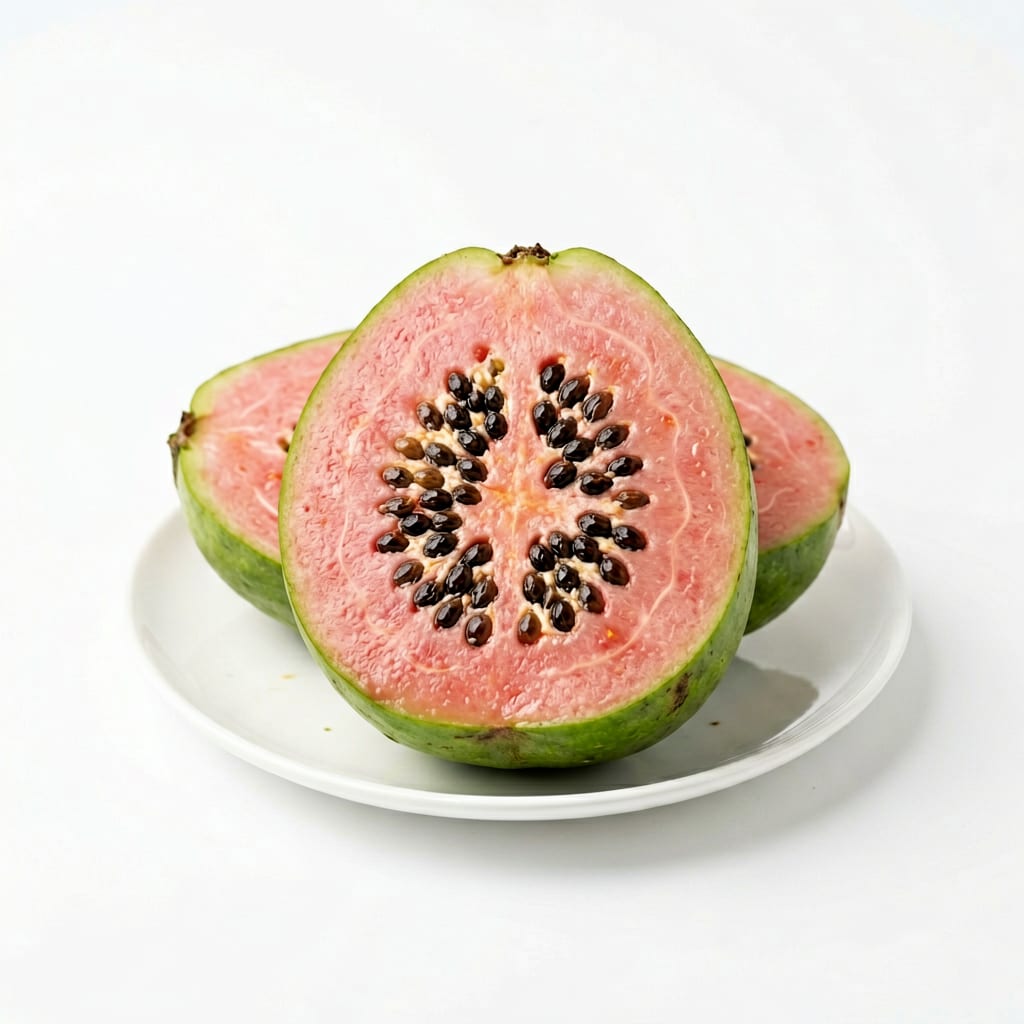
Feijoa
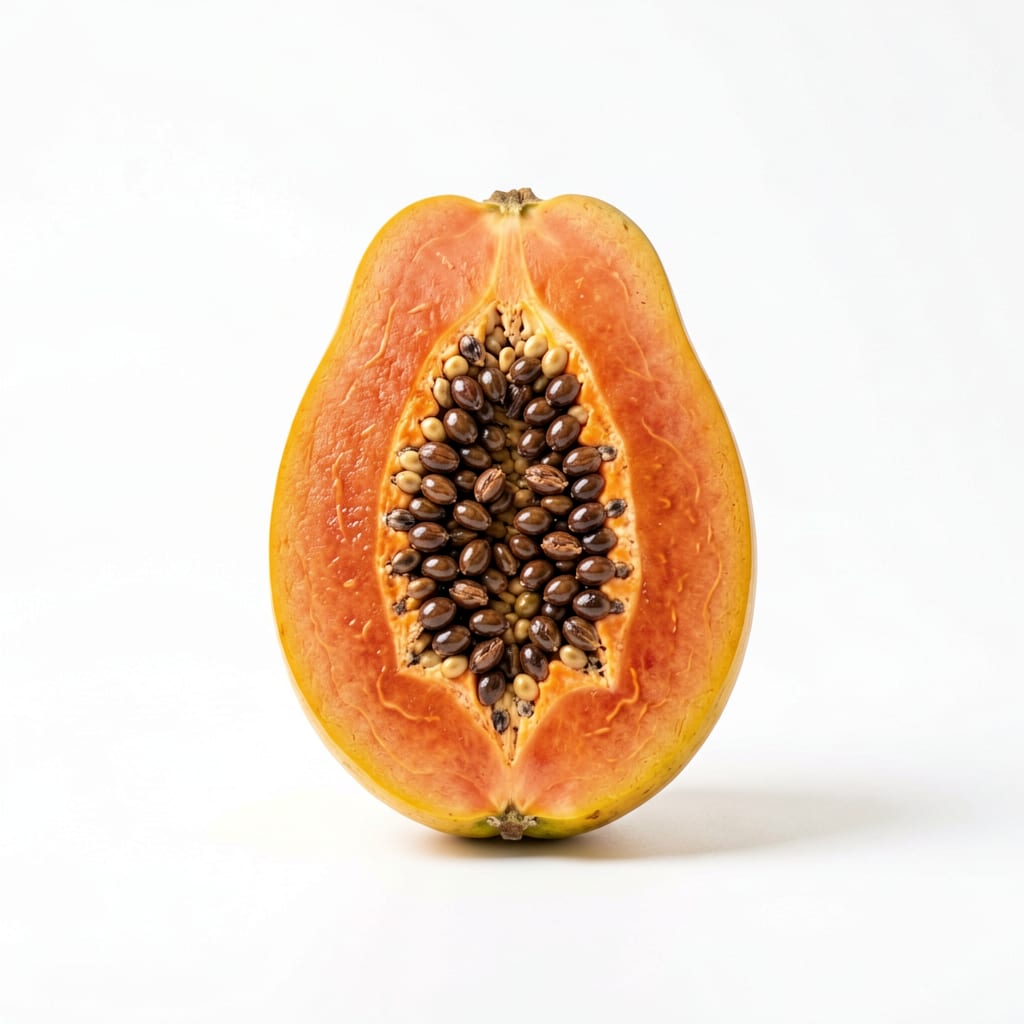
Papaya
Papaya delivers more vitamin A and digestive enzymes, while Feijoa offers more fiber, iodine, and a lower sugar load. Your pick depends on what your body needs most.
Papaya edges ahead due to superior vitamin A content, digestive enzyme benefits, and everyday availability. Feijoa counters with better fiber, lower sugar, and unique iodine content that makes it irreplaceable for thyroid health. The gap is narrow because both fruits excel in different areas.
Papaya gives you broader vitamin coverage and digestive comfort, but Feijoa keeps blood sugar steadier and supports thyroid health with its rare iodine content.
At a glance
Executive summary
Overall
It depends
Healthier
It depends
More practical
Papaya
Daily use
Papaya
Key comparison lenses
tropical fruit nutritional value comparison
Both are tropical fruits with distinct nutrient profiles, making direct nutritional comparison the primary concern
digestive health benefits
Papaya is famous for papain enzyme while Feijoa offers high fiber, creating a meaningful digestive health tradeoff
immune and antioxidant support
Both fruits are vitamin C powerhouses but differ significantly in vitamin A and unique antioxidant compounds
availability and practicality
Feijoa is seasonal and harder to find while Papaya is widely available year-round, impacting real-world food choices
blood sugar management
Users comparing fruits often care about glycemic impact and sugar content for metabolic health
Best choice for
Feijoa
- Thyroid support and iodine intake
- Blood sugar management
- Gut health through higher fiber
- Low-sugar tropical fruit cravings
- Antioxidant variety beyond carotenoids
Papaya
- Digestive enzyme support after meals
- Vitamin A and eye health
- Immune system boosting
- Easy daily tropical fruit routine
- Skin health and wound healing
Least suitable for
Feijoa
- Latex allergy sufferers with cross-reactivity concerns
- People who need widely available year-round fruit
- Those wanting high vitamin A from fruit
- Anyone unfamiliar with the flavor who dislikes tartness
Papaya
- People monitoring sugar intake closely
- Those with latex-fruit syndrome
- Anyone seeking high-fiber fruit options
- People in regions where Papaya quality is inconsistent
Deep comparison
Dimension by dimension
Each lens scores both foods and breaks down who each option suits.
- Dimension 1 · Priority 95Papaya
Vitamin and Mineral Density
Feijoa · 72Papaya · 86Papaya covers a wider vitamin spectrum, especially vitamin A, while Feijoa shines with iodine and folate.
Tradeoff
Papaya gives you more vitamins overall, but Feijoa provides iodine, a mineral almost no other fruit offers in meaningful amounts.
Why it matters
Vitamin A supports vision, skin, and immune function. Iodine supports thyroid hormones that regulate metabolism and energy.
Real-world impact
Eating Papaya regularly helps cover your vitamin A needs easily. Eating Feijoa helps fill an iodine gap that most fruit-eaters never think about.
Feijoa
- Thyroid hormone production via iodine
- Folate intake for pregnant women
- Vitamin K for bone metabolism
Better for
- Very low vitamin A content
- Less potassium per serving
Worse for
Papaya
- Vitamin A for eye and skin health
- Vitamin C for immune defense
- Potassium for blood pressure regulation
Better for
- No meaningful iodine content
- Lower folate per serving
Worse for
- Dimension 2 · Priority 88Feijoa
Fiber and Satiety
Feijoa · 84Papaya · 62Feijoa contains roughly double the fiber of Papaya, making it more filling and better for blood sugar control.
Tradeoff
Feijoa keeps you fuller longer and steadies blood sugar, but Papaya digests easier which helps sensitive stomachs.
Why it matters
Higher fiber means slower sugar absorption, better gut bacteria food, and less hunger between meals.
Real-world impact
A Feijoa snack holds you over until your next meal. Papaya digests quickly, which is great post-meal but less satisfying as a standalone snack.
Feijoa
- Sustained fullness between meals
- Blood sugar stability after eating
- Gut microbiome nourishment
- Reduced snacking urges
Better for
- May cause bloating if eaten in large amounts
Worse for
Papaya
- Easy digestion for sensitive stomachs
- Light feeling after eating
- Post-meal digestive comfort
Better for
- Less satisfying as a standalone snack
- Faster return of hunger
Worse for
- Dimension 3 · Priority 85Papaya
Digestive Enzyme Support
Feijoa · 45Papaya · 92Papaya contains papain, a powerful digestive enzyme that breaks down protein and eases bloating. Feijoa has no comparable enzyme.
Tradeoff
Papaya actively helps you digest other foods, while Feijoa supports digestion indirectly through fiber alone.
Why it matters
Papain can reduce bloating, help protein absorption, and soothe heavy meals. Fiber feeds gut bacteria but does not break down food.
Real-world impact
Eating Papaya after a heavy protein meal feels like a digestive reset. Feijoa supports long-term gut health but offers no immediate digestive relief.
Feijoa
- Long-term gut microbiome diversity
Better for
- No enzymatic digestive aid
- Relies solely on fiber for digestive benefits
Worse for
Papaya
- Immediate bloating relief after meals
- Better protein digestion support
- Soothing effect on upset stomach
- Traditional remedy for indigestion
Better for
- Enzymes are destroyed by cooking or high heat
Worse for
- Dimension 4 · Priority 82It depends
Antioxidant Profile
Feijoa · 80Papaya · 80Both fruits offer strong but different antioxidants. Feijoa brings flavonoids and polyphenols, while Papaya delivers carotenoids like beta-cryptoxanthin.
Tradeoff
Feijoa protects cells with polyphenols that fight inflammation, while Papaya shields eyes and skin with carotenoids.
Why it matters
Diverse antioxidant intake matters more than high amounts of one type. Each fruit covers different cellular defense pathways.
Real-world impact
Feijoa helps fight systemic inflammation. Papaya helps protect vision and skin from UV damage. Both are valuable, just different.
Feijoa
- Anti-inflammatory polyphenols
- Flavonoids for cardiovascular protection
- Unique antioxidants rare in common fruit
Better for
- Lacks significant carotenoid content
Worse for
Papaya
- Beta-carotene and beta-cryptoxanthin for eye health
- Lycopene in red-fleshed varieties
- UV damage protection for skin
Better for
- Lower total polyphenol content
Worse for
- Dimension 5 · Priority 80Feijoa
Blood Sugar Impact
Feijoa · 82Papaya · 68Feijoa has less sugar and more fiber per serving, resulting in a gentler blood sugar response than Papaya.
Tradeoff
Feijoa is steadier on blood sugar but tastes more tart. Papaya is sweeter and more enjoyable but causes a faster glucose rise.
Why it matters
Frequent blood sugar spikes drive cravings, fatigue, and long-term metabolic risk. Fiber buffers this effect.
Real-world impact
Feijoa works better as a morning fruit that will not crash your energy. Papaya is fine in moderation but less ideal for sugar-sensitive people.
Feijoa
- Steadier energy after eating
- Lower glycemic concern for diabetics
- Less sugar-driven craving cycles
Better for
- Tartness may require pairing with other foods
Worse for
Papaya
- Quick natural energy when needed
- More enjoyable sweetness for palatability
Better for
- Higher sugar content per serving
- Less fiber to slow glucose absorption
Worse for
- Dimension 6 · Priority 78Papaya
Availability and Convenience
Feijoa · 40Papaya · 88Papaya is available year-round in most grocery stores. Feijoa is seasonal, regional, and often requires specialty markets.
Tradeoff
Papaya is easy to find and eat anytime. Feijoa rewards effort with unique nutrition but demands planning or luck to source.
Why it matters
The healthiest food only works if you can actually buy and eat it consistently.
Real-world impact
You can grab Papaya at nearly any supermarket on any day. Feijoa might require farmers markets, specialty stores, or online ordering during short seasons.
Feijoa
- Unique flavor experience when available
- Encourages seasonal eating patterns
Better for
- Very limited seasonal window
- Hard to find outside specialty markets
- Unfamiliar to most consumers and recipes
Worse for
Papaya
- Year-round supermarket availability
- Consistent quality and ripeness
- Easy to incorporate into daily routines
- Widely recognized and recipe-friendly
Better for
- Common availability reduces novelty factor
Worse for
Timeline
Health impact over time
Short-term
Hours to days
Feijoa
- Steady energy without sugar crash due to fiber buffering
- Mild satiety from fiber content reducing between-meal hunger
- Tart flavor can feel refreshing and palate-cleansing
Papaya
- Quick natural energy from easily digestible sugars
- Noticeable bloating relief after heavy meals from papain
- Light feeling in stomach due to low fiber and easy digestion
Long-term
Months to years
Feijoa
- Improved thyroid function from consistent iodine intake
- Better blood sugar regulation from high fiber habit
- Enhanced gut microbiome diversity from polyphenols and fiber
- Reduced systemic inflammation from flavonoid intake
Papaya
- Stronger immune defense from high vitamin C and A intake
- Better eye health and night vision from carotenoid accumulation
- Improved skin resilience and wound healing from vitamin C
- Consistent digestive comfort from regular papain consumption
Risk profile
Safety & processing
Both Feijoa and Papaya are whole, unprocessed fruits typically eaten raw. Neither carries processing concerns when purchased fresh. Frozen or dried versions may contain added sugars, so always check labels.
Feijoa
Pesticide residue on imported fruit
lowFeijoa is often grown with fewer pesticides due to its thick skin, but imported varieties may have residue. Washing thoroughly reduces risk.
Allergic cross-reactivity
lowRare but possible cross-reaction for people allergic to other Myrtaceae family plants like eucalyptus or guava.
Papaya
Latex-fruit syndrome
mediumPapaya contains chitinases that can trigger allergic reactions in people with latex sensitivity. Symptoms range from mouth itching to anaphylaxis in severe cases.
Unripe fruit toxicity
mediumUnripe Papaya contains high levels of papain and latex that can cause uterine contractions. Pregnant women should avoid unripe Papaya entirely.
GMO concerns with Hawaiian varieties
lowMost Hawaiian Papaya is Rainbow GMO, engineered to resist ringspot virus. While deemed safe, some consumers prefer organic or non-GMO alternatives.
Who wins for whom
Audience fit
Same foods, different winners depending on your goal.
children
PapayaPapaya's sweet mild flavor and soft texture appeal more to kids, plus its vitamin A supports growing immune systems and eyes.
daily consumption
PapayaPapaya's year-round availability, mild flavor, and broad vitamin coverage make it easier to eat consistently every day.
diabetes
FeijoaFeijoa's higher fiber and lower sugar content create a gentler, more predictable blood sugar response.
elderly
PapayaPapaya's easy digestibility, soft texture, and high vitamin A content support aging digestive systems and declining vision.
muscle gain
PapayaPapaya's papain enzyme helps digest protein meals more efficiently, and its higher vitamin C supports collagen repair after training.
weight loss
FeijoaFeijoa has less sugar and more fiber per serving, keeping you fuller with fewer calories and less craving rebound.
Your move
Decision guide
Choose Feijoa
- You want better blood sugar control from your fruit
- Thyroid health is a priority and you need dietary iodine
- You enjoy tart, complex flavors over simple sweetness
- You eat plenty of other fruit and want antioxidant diversity
- You are monitoring sugar intake but still want tropical flavor
Choose Papaya
- You struggle with bloating or heavy digestion after meals
- Vitamin A and eye health matter to you
- You want a fruit you can find at any grocery store anytime
- You prefer sweet, mild fruit that is easy to eat daily
- You need a gentle fruit for sensitive digestion or recovery
Either works if
- You want tropical fruit vitamin C beyond citrus
- You are building a diverse fruit rotation for gut health
- You have no specific health concerns and enjoy variety
Avoid both if
- You have a known latex allergy, especially to Papaya
- You are on a strict very-low-carb or ketogenic diet
- You have fructose intolerance or malabsorption issues
Final recommendation
Eat both when possible. Papaya is your reliable daily tropical fruit for vitamins and digestion. Feijoa is your seasonal powerhouse for fiber, iodine, and blood sugar balance. If you must pick one for daily use, Papaya wins on practicality. If you must pick one for metabolic health, Feijoa wins on substance.
Practical
Consumer tips
- 1
Choose Feijoa that yields slightly to pressure, similar to a ripe avocado. Too firm means underripe, too soft means overripe.
- 2
Look for Papaya with yellow-orange skin that gives slightly. Green patches mean it needs a few days to ripen at room temperature.
- 3
Freeze Feijoa pulp in ice cube trays for smoothies when the fruit is out of season.
- 4
Eat Papaya after protein-heavy meals to leverage papain for digestion. A few cubes is enough.
- 5
If you have latex allergy, test Papaya cautiously with a small amount and watch for mouth itching or swelling.
- 6
Feijoa skin is edible and contains concentrated antioxidants, but most people prefer scooping the flesh due to tartness.
- 7
Store ripe Papaya in the refrigerator to slow over-ripening. Use within 3 to 4 days.
- 8
Both fruits pair well with lime juice, which adds flavor without sugar and boosts iron absorption from other foods.