
Nutrition comparison
Feijoa vs Dragon Fruit: Nutrition, Taste, and Health Comparison
Feijoa delivers more vitamin C, folate, and iodine per serving. Dragon Fruit offers better availability, prebiotic fiber, and gentle digestion. Which tropical fruit fits your health goals?
Overall winner · Feijoa
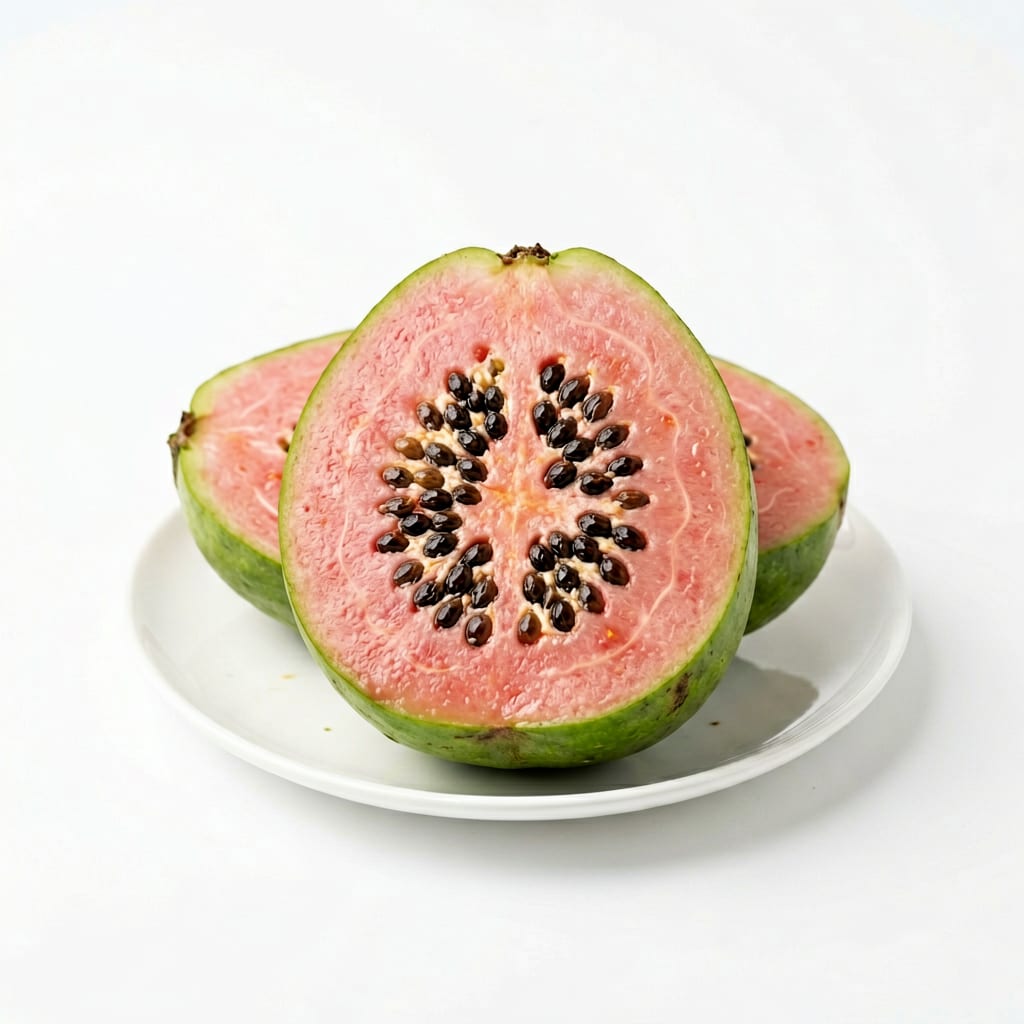
Feijoa
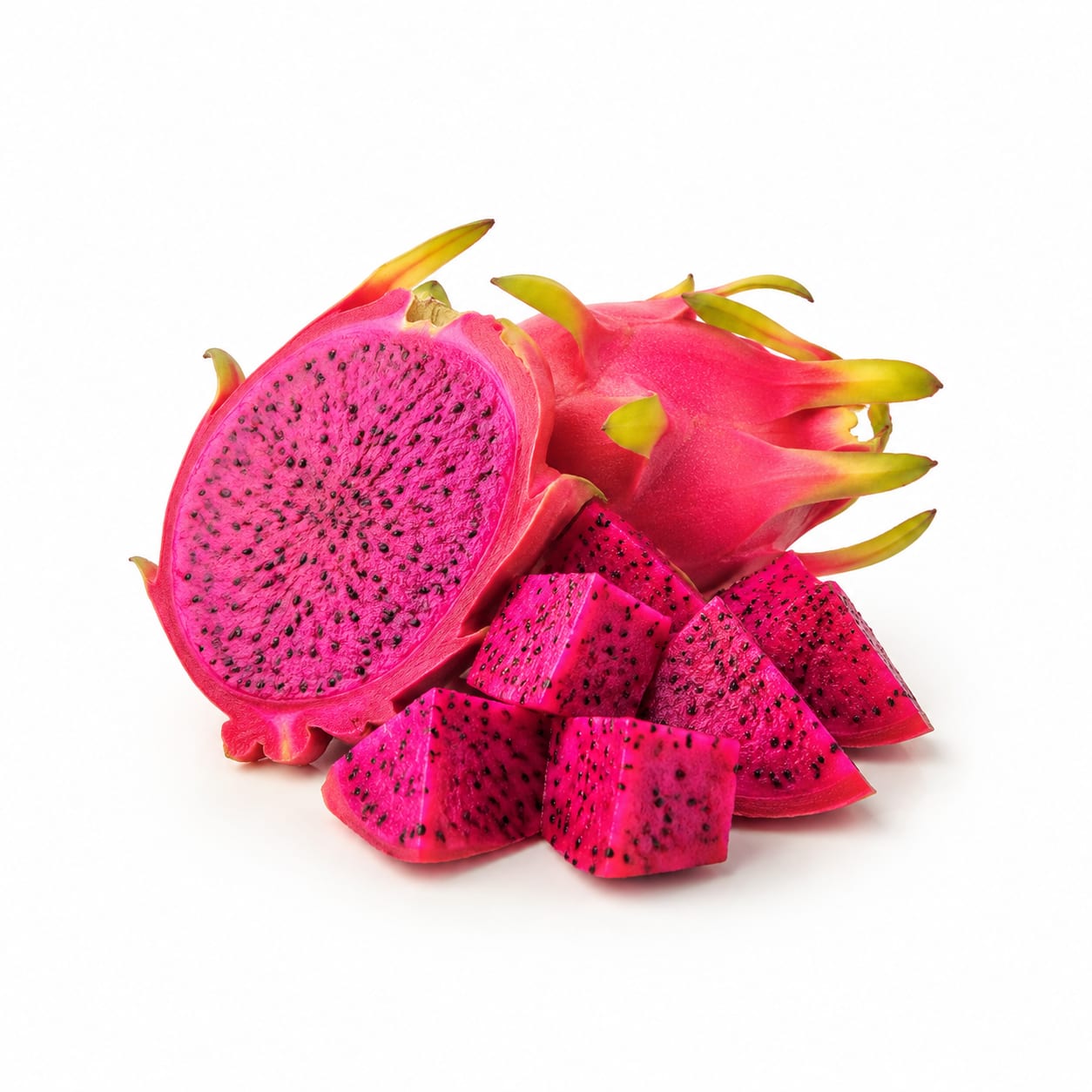
Dragon Fruit
Feijoa wins on raw nutritional firepower and immune support, but Dragon Fruit wins on availability and gentle digestibility.
Feijoa scores higher due to superior nutrient density, especially vitamin C, folate, and unique iodine content. Dragon Fruit stays competitive thanks to prebiotic fiber, wider availability, and gentler digestive profile. The gap is moderate because practicality matters as much as nutrition in real life.
Feijoa delivers substantially more vitamin C, folate, and iodine per serving, while Dragon Fruit offers easier access, milder flavor, and unique prebiotic benefits your gut will appreciate.
At a glance
Executive summary
Overall
Feijoa
Healthier
Feijoa
More practical
Dragon Fruit
Daily use
Dragon Fruit
Key comparison lenses
nutrient density comparison
Feijoa packs significantly more vitamins and minerals per calorie than Dragon Fruit, making this the core differentiator
digestive health benefits
Both fruits offer fiber but through different mechanisms — Feijoa with soluble fiber and Dragon Fruit with prebiotic oligosaccharides
antioxidant profile differences
Feijoa delivers polyphenols and vitamin C aggressively, while Dragon Fruit offers betacyanins unique to cactus fruits
availability and practicality
Dragon Fruit is widely available year-round; Feijoa is seasonal and harder to source, affecting real-world usability
blood sugar impact
Both are low-glycemic tropical fruits, but subtle differences in sugar content and fiber type matter for diabetic users
Best choice for
Feijoa
- Immune system support during cold season
- Pregnancy nutrition due to high folate
- Thyroid health with natural iodine intake
- Those seeking maximum nutrient density per calorie
Dragon Fruit
- Gut microbiome support and prebiotic intake
- Sensitive stomachs needing gentle fiber
- Consistent year-round fruit consumption
- Kids and picky eaters who prefer mild sweetness
Least suitable for
Feijoa
- People in regions where Feijoa is unavailable or extremely expensive
- Those who dislike tart, aromatic flavors
- Anyone needing a reliable year-round fruit option
Dragon Fruit
- Those seeking maximum vitamin C per serving
- People wanting strong flavor intensity in their fruit
- Budget-conscious shoppers in areas where Dragon Fruit is pricey
Deep comparison
Dimension by dimension
Each lens scores both foods and breaks down who each option suits.
- Dimension 1 · Priority 92Feijoa
Nutrient Density
Feijoa · 88Dragon Fruit · 62Feijoa delivers significantly more vitamins and minerals per bite, especially vitamin C, folate, and iodine.
Tradeoff
Dragon Fruit is less nutritionally concentrated but offers a broader mineral profile including magnesium and iron that Feijoa lacks in comparable amounts.
Why it matters
Higher nutrient density means you get more health value from fewer calories — important if you track intake or eat small portions.
Real-world impact
Eating two Feijoas covers over half your daily vitamin C needs; you would need roughly double the Dragon Fruit volume for similar coverage.
Feijoa
- Vitamin C intake — roughly 3x more per 100g
- Folate support — critical for pregnancy and cell repair
- Iodine — one of very few fruit sources of this thyroid-essential mineral
Better for
- Mineral diversity — lower in magnesium and iron
Worse for
Dragon Fruit
- Magnesium intake — supports muscle and nerve function
- Iron content — modest but useful for a fruit
- Hydration — higher water content for replenishment
Better for
- Vitamin C efficiency — requires larger portions to match Feijoa
Worse for
- Dimension 2 · Priority 85It depends
Fiber and Digestive Health
Feijoa · 78Dragon Fruit · 80Feijoa has more total fiber, but Dragon Fruit offers prebiotic oligosaccharides that directly feed beneficial gut bacteria.
Tradeoff
Feijoa fills you up faster with its denser fiber content. Dragon Fruit may better nurture your microbiome over time despite slightly less total fiber.
Why it matters
Fiber type matters as much as amount — soluble fiber feeds you, prebiotic fiber feeds your gut bacteria.
Real-world impact
Feijoa keeps you fuller after a morning snack. Dragon Fruit eaten regularly may improve digestion consistency over weeks.
Feijoa
- Satiety — more fiber per serving keeps hunger away longer
- Bowel regularity — higher total fiber volume moves things along
Better for
- Can cause bloating in sensitive people due to dense soluble fiber
Worse for
Dragon Fruit
- Microbiome diversity — prebiotic oligosaccharides feed beneficial Lactobacillus and Bifidobacterium strains
- Gentle on sensitive stomachs — softer fiber texture is less irritating
Better for
- Less immediate fullness — lower total fiber per serving
Worse for
- Dimension 3 · Priority 80It depends
Antioxidant Profile
Feijoa · 82Dragon Fruit · 77Feijoa provides stronger polyphenol and vitamin C antioxidant activity. Dragon Fruit counters with betacyanins, which are rare and uniquely protective.
Tradeoff
Feijoa gives you more total antioxidant capacity per serving. Dragon Fruit gives you a type of antioxidant most other fruits cannot provide.
Why it matters
Diverse antioxidant sources protect different cellular pathways — variety often beats quantity for long-term health.
Real-world impact
Feijoa is your shield during cold season. Dragon Fruit adds a unique cellular defense layer that complements berries and citrus you may already eat.
Feijoa
- Total polyphenol content — higher measured antioxidant capacity
- Vitamin C synergy — boosts antioxidant absorption alongside polyphenols
Better for
- Less antioxidant type diversity — primarily polyphenol-vitamin C axis
Worse for
Dragon Fruit
- Betacyanins — pigment antioxidants linked to reduced oxidative stress in ways common fruit antioxidants cannot replicate
- Color diversity — red-fleshed varieties add antioxidant variety your diet likely lacks
Better for
- Lower total antioxidant capacity per standard serving
Worse for
- Dimension 4 · Priority 72It depends
Blood Sugar Impact
Feijoa · 76Dragon Fruit · 78Both are low-glycemic fruits safe for most people monitoring blood sugar. Dragon Fruit has slightly lower sugar density per serving.
Tradeoff
Feijoa has more sugar per gram but also more fiber to slow absorption. Dragon Fruit has less sugar but also less fiber buffer.
Why it matters
For diabetics and metabolic health, the sugar-to-fiber ratio matters more than total sugar alone.
Real-world impact
Neither fruit will spike blood sugar significantly. Dragon Fruit may feel safer for strict glucose monitoring, while Feijoa's fiber offsets its higher sugar adequately for most people.
Feijoa
- Fiber-to-sugar ratio — substantial fiber slows glucose release effectively
Better for
- Higher sugar content could concern very strict low-carb dieters
Worse for
Dragon Fruit
- Lower total sugar per serving — less glucose to manage
- Milder impact — gentler for reactive hypoglycemia
Better for
- Less fiber buffer means sugar absorbs slightly faster without pairing
Worse for
- Dimension 5 · Priority 78Dragon Fruit
Availability and Practicality
Feijoa · 42Dragon Fruit · 85Dragon Fruit is available year-round in most grocery stores. Feijoa is seasonal, regional, and often requires specialty sourcing.
Tradeoff
You can eat Dragon Fruit consistently every week. Feijoa demands planning, freezer storage, or acceptance of limited seasonal windows.
Why it matters
The healthiest fruit is the one you can actually buy and eat regularly, not the one with superior nutrition you cannot find.
Real-world impact
Dragon Fruit fits into a weekly grocery run without thought. Feijoa requires farmer's markets, specialty stores, or online ordering during its short season.
Feijoa
- Freezing preserves nutrients well — can stock up during season
Better for
- Very short harvest season — typically March to June in Southern Hemisphere
- Limited availability outside New Zealand, Australia, and specialty US markets
- Higher cost per serving when imported
Worse for
Dragon Fruit
- Year-round grocery availability in most regions
- Consistent pricing and supply chain reliability
- No seasonal planning required
Better for
- Can be expensive in regions far from tropical growing areas
Worse for
- Dimension 6 · Priority 70It depends
Taste and Eating Satisfaction
Feijoa · 75Dragon Fruit · 72Feijoa offers bold, complex tropical flavor that divides opinion. Dragon Fruit delivers mild, refreshing sweetness almost everyone tolerates.
Tradeoff
Feijoa is more exciting for adventurous eaters. Dragon Fruit is safer for consistent daily enjoyment without flavor fatigue.
Why it matters
Taste determines whether you actually keep eating a fruit long-term, which matters more than marginal nutrient differences.
Real-world impact
Feijoa lovers get intense satisfaction from each fruit but may tire of it. Dragon Fruit is the reliable neutral option that never offends.
Feijoa
- Complex flavor — tropical, tart, aromatic, and deeply satisfying for flavor enthusiasts
- Aromatic intensity — fills your kitchen with tropical fragrance
Better for
- Polarizing flavor — some find it too tart or perfume-like
- Texture variability — can become grainy when overripe
Worse for
Dragon Fruit
- Universal appeal — mild sweetness works for kids and adults alike
- Versatile pairing — blends into smoothies without dominating flavor
- Refreshing texture — crisp and hydrating in hot weather
Better for
- Some find the flavor underwhelming or watery
- Less satisfying as a standalone snack for flavor-seeking eaters
Worse for
Timeline
Health impact over time
Short-term
Hours to days
Feijoa
- Quick vitamin C boost supporting immune defense within hours
- Fiber provides noticeable fullness after eating
- Tart flavor can stimulate digestion and appetite regulation
Dragon Fruit
- Hydrating effect due to high water content — refreshing after exercise
- Prebiotic fiber begins feeding gut bacteria within hours
- Mild energy lift without blood sugar crash
Long-term
Months to years
Feijoa
- Consistent folate intake supports cell repair and cardiovascular health
- Iodine contribution aids thyroid function over months and years
- High polyphenol intake may reduce chronic inflammation markers
Dragon Fruit
- Regular prebiotic intake improves microbiome diversity over weeks to months
- Betacyanin consumption linked to reduced oxidative damage with consistent intake
- Gentle fiber supports long-term digestive regularity without irritation
Risk profile
Safety & processing
Both Feijoa and Dragon Fruit are whole, unprocessed fruits typically eaten raw. Neither carries meaningful additive concerns when purchased fresh. The only processing risk comes from frozen or packaged versions, which may contain added sugars — always check labels on frozen Dragon Fruit in particular.
Feijoa
Pesticide residue on imported fruit
mediumFeijoa imported from distant regions may carry higher pesticide residues. Washing thoroughly or choosing organic reduces this concern significantly.
Allergic cross-reactivity
lowRare but possible cross-reaction for people allergic to other Myrtaceae family fruits like guava or eucalyptus products.
Dragon Fruit
Pesticide residue on conventionally grown fruit
lowDragon Fruit generally has low pesticide concerns due to its thick protective skin, which shields edible flesh from direct spray contact.
Contamination in pre-cut packages
mediumPre-cut Dragon Fruit sold in containers has higher foodborne illness risk due to handling and extended refrigeration. Buy whole fruit when possible.
Who wins for whom
Audience fit
Same foods, different winners depending on your goal.
children
Dragon FruitMild sweetness, fun appearance, and soft texture make Dragon Fruit far more appealing to kids. Feijoa's tartness and aromatic intensity often reject young palates.
daily consumption
Dragon FruitDragon Fruit's year-round availability, gentle digestion, and mild flavor make it sustainable as a daily fruit habit. Feijoa's seasonality and intensity limit it to rotational use.
diabetes
Dragon FruitDragon Fruit has lower sugar per serving and a gentler glycemic profile. Both are acceptable in moderation, but Dragon Fruit offers slightly more margin for glucose management.
elderly
FeijoaFeijoa's superior folate, vitamin C, and iodine content addresses common elderly deficiencies. The stronger flavor also helps when diminished taste buds make eating less appealing.
muscle gain
FeijoaFeijoa provides more vitamin C, which supports collagen synthesis and recovery from intense training. Neither fruit is a protein source, so the edge comes from recovery support nutrients.
weight loss
Dragon FruitDragon Fruit has slightly fewer calories per serving and higher water content, making it easier to eat larger portions without overconsuming calories.
Your move
Decision guide
Choose Feijoa
- You want maximum immune and thyroid support from a single fruit
- Folate intake matters — especially during pregnancy or planning
- You enjoy bold, tart tropical flavors and find mild fruit boring
- You can source Feijoa reliably or are willing to freeze it in season
Choose Dragon Fruit
- You need a fruit you can find at any grocery store any week of the year
- Gut health and microbiome diversity are your top priorities
- You prefer gentle, refreshing flavors or feed picky eaters
- You want consistent daily fruit intake without planning effort
Either works if
- You simply want a low-calorie, nutrient-rich tropical fruit snack
- Blood sugar management is important but both fit your plan
- You enjoy rotating fruits for antioxidant diversity
Avoid both if
- You have a strict low-FODMAP requirement — both contain fermentable fibers that may trigger symptoms
- You are on a very tight budget and need maximum calories per dollar — neither is cost-efficient compared to bananas or apples
Final recommendation
Eat Feijoa when you can find it for the nutritional intensity, and rely on Dragon Fruit as your consistent daily tropical fruit. If forced to pick one for the rest of your life, Dragon Fruit wins on sustainability — the best fruit for your health is the one you will actually eat consistently.
Practical
Consumer tips
- 1
Freeze Feijoa when in season — it retains vitamin C and fiber beautifully for months
- 2
Choose red-fleshed Dragon Fruit over white for significantly more betacyanin antioxidants
- 3
Buy Dragon Fruit whole rather than pre-cut to reduce contamination risk and save money
- 4
Pair either fruit with a protein source like Greek yogurt to stabilize blood sugar and increase satiety
- 5
Wash Feijoa thoroughly if conventionally grown — imported varieties may carry more pesticide residue
- 6
If Feijoa is unavailable, kiwifruit offers a somewhat similar nutrient profile with better availability