
Nutrition comparison
Feijoa vs Apple: Nutrition, Fiber, and Health Benefits Compared
Discover the nutritional differences between feijoa and apple. Learn which fruit is better for fiber, blood sugar, and daily snacking.
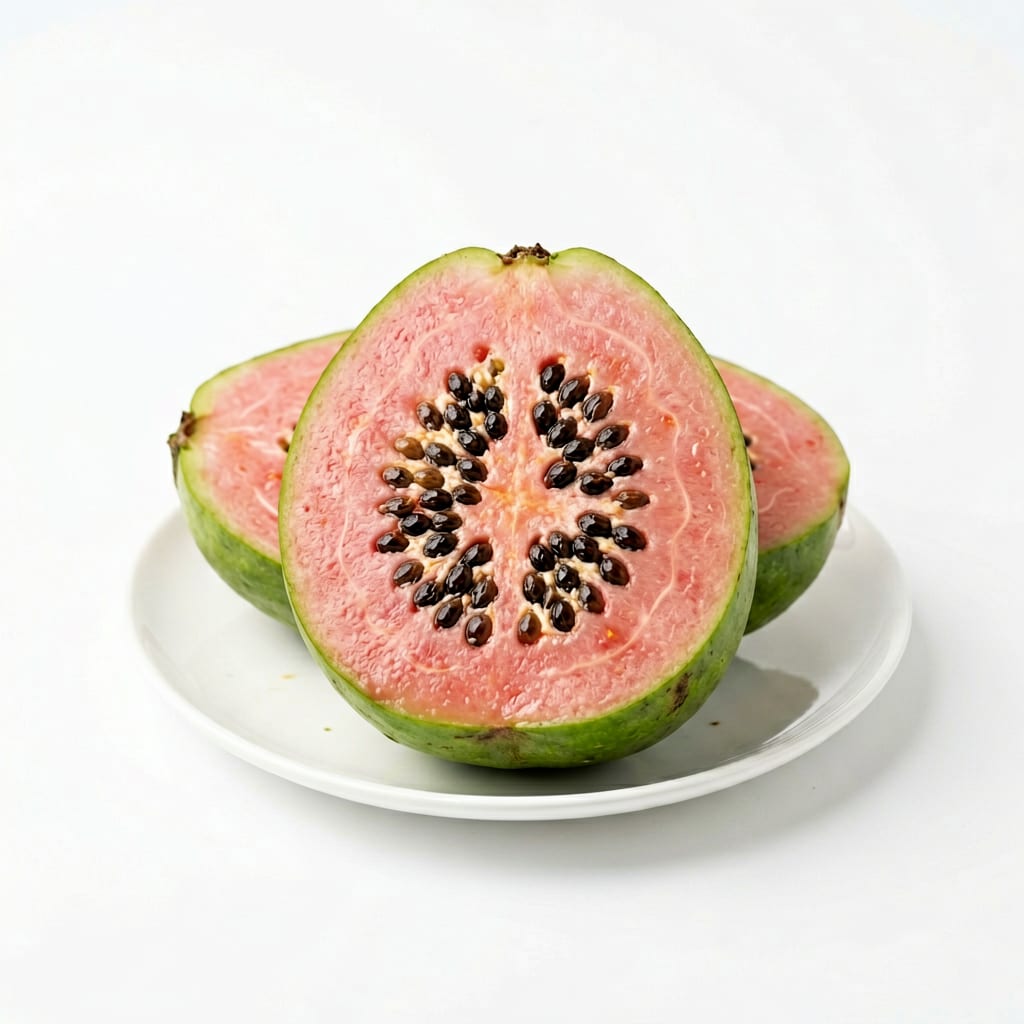
Feijoa
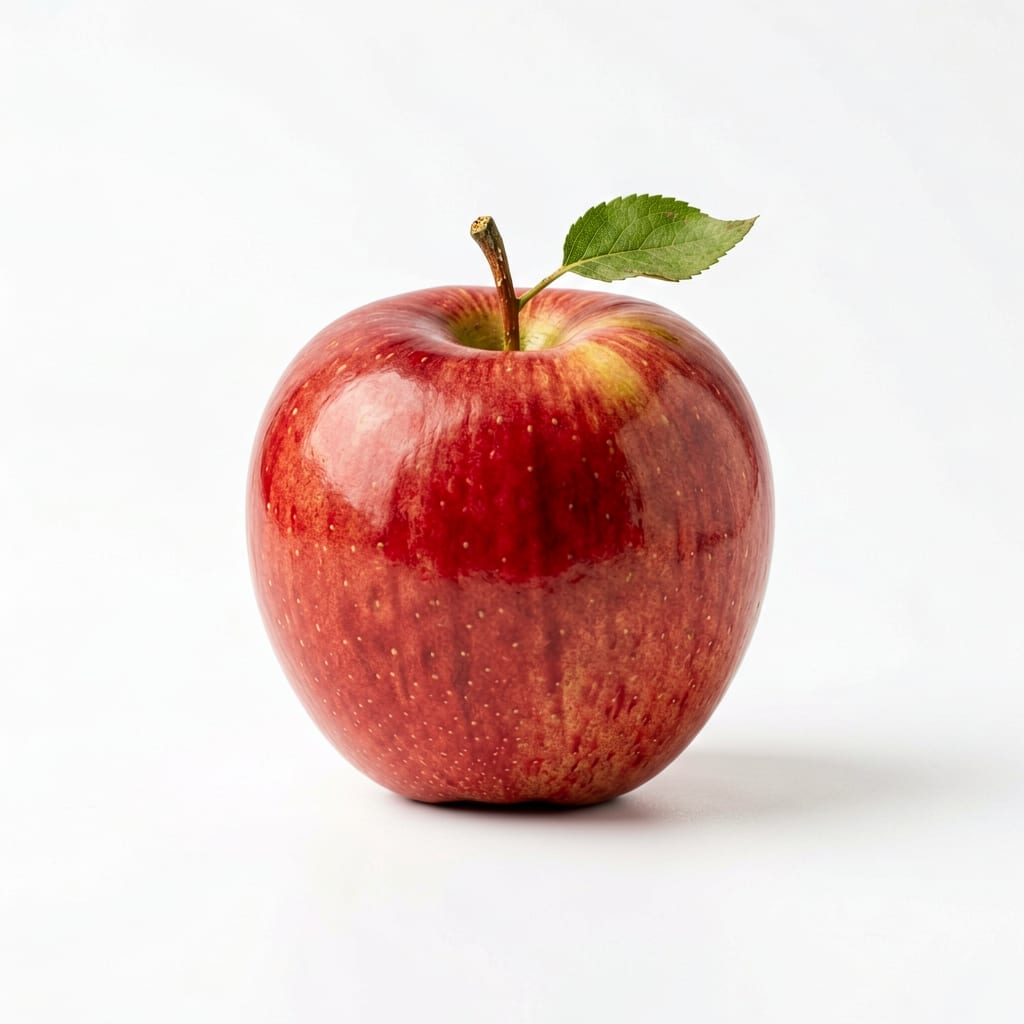
Apple
Feijoa packs far more fiber and vitamin C, but Apple wins on convenience and year-round availability.
Feijoa scores higher for nutritional impact, but Apple's unmatched convenience and accessibility keep it competitive for everyday life.
Nutritional powerhouse versus everyday practicality.
At a glance
Executive summary
Overall
It depends
Healthier
Feijoa
More practical
Apple
Daily use
Apple
Key comparison lenses
Nutrient density comparison
Feijoa offers significantly more vitamin C and folate than Apple, making it a standout functional food.
Fiber and digestion impact
Feijoa has over double the fiber of Apple, heavily influencing satiety and gut health outcomes.
Everyday practicality and access
Apple is a ubiquitous, year-round staple, while Feijoa is seasonal and harder to source.
Pesticide exposure risk
Apple is heavily treated with pesticides, while Feijoa is typically lower risk and often homegrown.
Best choice for
Feijoa
- Boosting immunity with Feijoa
- Improving digestion with Feijoa
- Getting folate from Feijoa during pregnancy
Apple
- Easy snacking with Apple
- Budget-friendly fruit like Apple
- Reliable daily fruit intake with Apple
Least suitable for
Feijoa
- People who need readily available year-round fruit
- Those who dislike tart flavors in Feijoa
Apple
- People needing high fiber for digestion
- Those strictly managing blood sugar spikes from Apple
Deep comparison
Dimension by dimension
Each lens scores both foods and breaks down who each option suits.
- Dimension 1 · Priority 90Feijoa
Nutrient Density
Feijoa · 88Apple · 55Feijoa delivers significantly more vitamin C and unique dietary folate, while apples are relatively low in micronutrients.
Tradeoff
Feijoa offers superior vitamins but requires seasonal access, whereas Apple provides consistent but modest nutrition year-round.
Why it matters
Vitamin C and folate are essential for immune function and cell repair, making Feijoa a stronger functional food.
Real-world impact
Eating Feijoa can noticeably boost your vitamin intake during its season, while Apple serves better as a reliable baseline snack.
Feijoa
- Getting a vitamin C boost from Feijoa
- Adding dietary folate from Feijoa
Better for
- Relying on Feijoa if it is out of season
Worse for
Apple
- Getting mild antioxidants from Apple skin
Better for
- Relying on Apple for high vitamin intake
Worse for
- Dimension 2 · Priority 85Feijoa
Fiber and Satiety
Feijoa · 92Apple · 60Feijoa has over double the fiber of an apple, making it much more filling and better for gut health.
Tradeoff
Feijoa keeps you full longer, but Apple offers a lighter eating experience when you do not want to feel stuffed.
Why it matters
Higher fiber means steadier digestion and fewer cravings between meals.
Real-world impact
A Feijoa snack at 3 PM will likely carry you to dinner, while an Apple might leave you hunting for more food an hour later.
Feijoa
- Staying full longer with Feijoa
- Improving gut health with Feijoa
Better for
- Eating too much Feijoa if you are sensitive to high fiber
Worse for
Apple
- Enjoying a lighter, less filling Apple snack
Better for
- Using Apple to curb strong hunger
Worse for
- Dimension 3 · Priority 75Feijoa
Blood Sugar Stability
Feijoa · 80Apple · 65Feijoa's high fiber slows sugar absorption, leading to steadier energy compared to the quicker spike from an apple.
Tradeoff
Feijoa is safer for stable energy, while Apple provides faster carbohydrate fuel for immediate needs.
Why it matters
Preventing blood sugar spikes helps avoid afternoon crashes and long-term metabolic strain.
Real-world impact
Choosing Feijoa means fewer energy dips during your workday, whereas Apple might be better right before a workout.
Feijoa
- Avoiding sugar spikes with Feijoa's high fiber
Better for
- Needing a rapid blood sugar boost
Worse for
Apple
- Getting quick energy from Apple before a workout
Better for
- Managing diabetes with Apple alone
Worse for
- Dimension 4 · Priority 80Apple
Convenience and Availability
Feijoa · 35Apple · 95Apples are available everywhere and last weeks in the fridge. Feijoas are seasonal, delicate, and hard to find.
Tradeoff
Apple is the ultimate grab-and-go staple, while Feijoa requires effort to source and quick consumption.
Why it matters
The best fruit for your health is the one you can actually buy and eat consistently.
Real-world impact
You can keep apples in your desk drawer or car for days, but Feijoas need to be eaten within a day or two of ripening.
Feijoa
- Enjoying Feijoa as a rare seasonal treat
Better for
- Meal prepping with Feijoa due to short shelf life
Worse for
Apple
- Grabbing Apple on a busy morning
- Finding fruit easily at any grocery store
Better for
- Craving tropical flavor
Worse for
- Dimension 5 · Priority 75Feijoa
Pesticide and Safety Profile
Feijoa · 85Apple · 50Apples consistently rank high for pesticide residue, while feijoas are typically lower risk and often homegrown.
Tradeoff
Conventional apples are convenient but carry higher chemical risk, whereas Feijoas are cleaner but harder to find certified organic.
Why it matters
Pesticide exposure adds up over time, making it a key factor for daily fruit choices.
Real-world impact
If you eat apples daily, budgeting for organic is crucial. Feijoas are generally safer to eat conventionally grown.
Feijoa
- Choosing Feijoa for lower pesticide risk
Better for
- Worrying about spoilage and mold in Feijoa
Worse for
Apple
- Eating Apple if organic is available
Better for
- Eating conventional Apple with high pesticide residue
Worse for
Timeline
Health impact over time
Short-term
Hours to days
Feijoa
- Quick immune boost from Feijoa's vitamin C
- Very filling snack that curbs hunger
Apple
- Quick energy from Apple's natural sugars
- Hydrating and refreshing crunch
Long-term
Months to years
Feijoa
- Better digestive regularity from Feijoa's high fiber
- Supports cell repair and pregnancy health via Feijoa's folate
Apple
- Moderate heart health benefits from Apple's quercetin
- Easy habit to maintain for daily fruit intake
Risk profile
Safety & processing
Both are whole, raw fruits. Neither contains artificial additives when eaten fresh.
Feijoa
Pesticide residue
lowTypically lower pesticide load than conventional apples, often grown without heavy chemicals.
Apple
Pesticide residue
highConventionally grown apples are consistently on the EWG Dirty Dozen list for high pesticide residues. Peeling reduces risk but removes fiber.
Who wins for whom
Audience fit
Same foods, different winners depending on your goal.
children
AppleApples have a mild, sweet taste and crunchy texture that kids universally love and accept easily.
daily consumption
AppleApples are easy to find year-round, affordable, and require no prep, making them a sustainable daily habit.
diabetes
FeijoaFeijoa's high fiber prevents rapid blood sugar spikes better than Apple.
elderly
FeijoaFeijoa is softer to chew and provides folate and vitamin C, which are crucial for aging immune systems.
muscle gain
It dependsNeither is a significant protein source, but both offer decent carbs for energy.
weight loss
FeijoaFeijoa's high fiber content keeps you full longer, reducing the urge to overeat.
Your move
Decision guide
Choose Feijoa
- You want maximum nutrition per calorie from Feijoa
- You struggle with digestion or constipation
- You find fresh Feijoa at a local market
Choose Apple
- You need a reliable, affordable everyday fruit like Apple
- You want a crunchy, portable Apple snack
- You prefer a milder, sweeter flavor
Either works if
- You just need a healthy whole-food snack
- You want something sweet instead of processed dessert
Avoid both if
- You are on a strict very-low-carb diet and cannot spare the carbs
Final recommendation
Choose Feijoa when available for a nutrient-dense, gut-friendly treat, but keep Apples as your reliable daily staple for consistent, easy fruit intake.
Practical
Consumer tips
- 1
If buying conventional apples, wash them thoroughly or peel them, though peeling removes beneficial fiber.
- 2
Feijoas are ripe when they yield slightly to pressure, like a ripe avocado.
- 3
You can eat feijoa skin, but it is tart; scooping the flesh is the most popular way.
- 4
Store apples in the fridge to keep them crisp for weeks; feijoas only last a few days once ripe.